Nothing you spray from a bottle 100% kills mold on its own. The only method that fully eliminates mold is professional remediation, which removes the mold, the moisture source feeding it, and the contaminated materials it has grown into. Bleach, vinegar, and hydrogen peroxide can kill surface spores, but they cannot reach the roots inside porous materials like drywall, wood, or insulation. Complete elimination requires a combined approach: containment, removal, treatment, and moisture control.
The Only Proven Way to 100% Kill Mold
Professional mold remediation is the only method that eliminates mold completely. It removes visible growth, kills airborne spores, extracts contaminated materials, and corrects the moisture problem that allowed mold to grow. No single product, household or commercial, can accomplish all four steps. Killing mold without removing its food source or fixing the leak guarantees regrowth.
Why Surface Cleaning Alone Fails
Mold is not a stain. It is a living organism with root structures called hyphae that penetrate porous surfaces. Wiping the visible patch removes the colored bloom but leaves the roots intact. Within days, the colony regrows. Drywall, ceiling tiles, carpet padding, and untreated wood absorb moisture and trap mold below the surface, which is why scrubbing rarely works on these materials. Killing the surface without removing the substrate is a temporary fix, not a solution.
What Professional Mold Remediation Includes
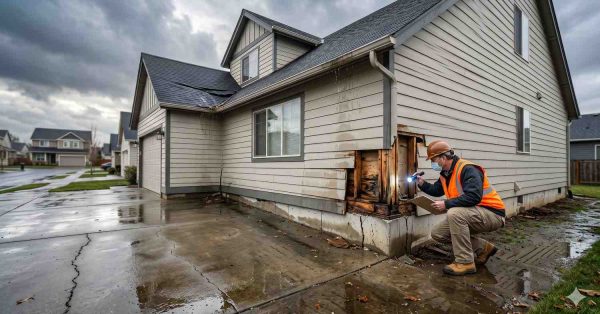
A complete remediation follows a defined process. Technicians seal off the affected area with plastic containment to prevent spore spread. They use HEPA-filtered air scrubbers to capture airborne particles. Porous materials with active growth are cut out and discarded. Non-porous surfaces are treated with EPA-registered antimicrobials. Finally, the team identifies and repairs the moisture source, whether a plumbing leak, roof failure, or humidity issue. Without that final step, mold returns.
This is where professional water damage and mold remediation becomes the practical answer for any growth larger than ten square feet or any visible damage to building materials.
Common Mold-Killing Products and Their Real Limits
Household products can kill mold, but only on hard, non-porous surfaces and only when the colony is small. Each product has a specific use case, and using the wrong one can spread spores or damage the material underneath.
Bleach, Vinegar, and Hydrogen Peroxide Compared
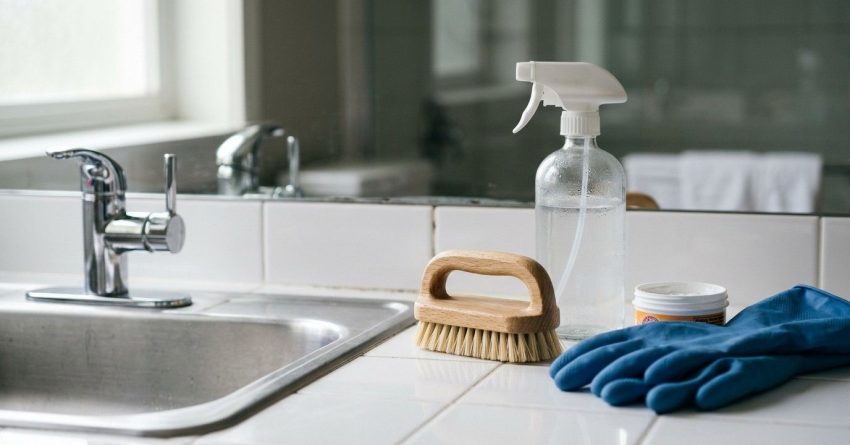
Chlorine bleach kills surface mold on tile, glass, and sealed countertops, but the EPA does not recommend it for porous materials because the water in bleach feeds deeper growth. White vinegar penetrates better and kills roughly 82% of mold species on non-porous surfaces. Hydrogen peroxide at three percent works on bathroom grout and small patches without leaving residue. None of these products fix the moisture problem driving the growth.
When DIY Treatment Is Safe and When It Isn’t
DIY treatment is reasonable for mold patches under ten square feet on hard surfaces, with proper ventilation and an N95 respirator. Anything larger, anything inside walls, anything tied to flooding or sewage, and any growth in HVAC systems requires a licensed professional. Health symptoms in occupants, including respiratory issues or allergic reactions, signal that air quality is compromised and self-treatment is no longer appropriate.
Stopping Mold From Coming Back
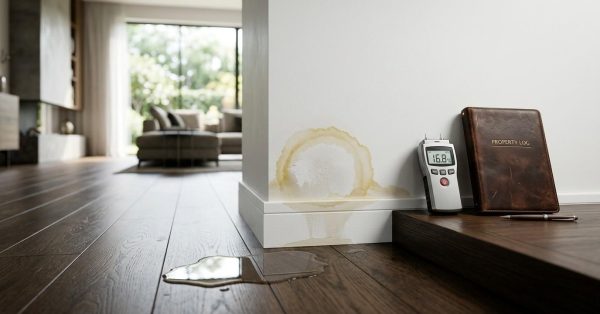
Killing mold is only half the job. Mold returns whenever moisture returns, so prevention depends on fixing the underlying moisture source and controlling indoor humidity below sixty percent.
Common moisture sources include slow plumbing leaks, roof penetrations, poor bathroom ventilation, condensation on cold pipes, and improper grading around the foundation. Regular HVAC and indoor air quality inspection keeps humidity stable and removes spores from circulation. Properties that combine moisture repair, ventilation upgrades, and routine inspection rarely see mold return in the same location.
Conclusion
Only professional remediation 100% kills mold, because it removes the colony, the contaminated material, and the moisture source in one coordinated process. Surface products kill what they touch but never the root cause.
For homeowners, landlords, and property managers, treating mold as a moisture problem first and a cleaning problem second protects the property’s safety, value, and indoor air quality long term.
When mold appears, we connect you with vetted local specialists who handle inspection, removal, and prevention from start to finish. Call Mr. Local Services today for fast, reliable help.
Frequently Asked Questions
Does bleach kill mold permanently?
No. Bleach kills surface mold on non-porous materials but cannot penetrate drywall or wood. The roots survive and regrow within days unless the moisture source is fixed.
What kills mold instantly?
Hydrogen peroxide and undiluted white vinegar kill most surface mold within minutes on hard surfaces. They do not address roots in porous materials or airborne spores.
Is vinegar or bleach better for mold?
Vinegar is better for porous surfaces because it penetrates deeper and kills the roots of about 82% of mold species. Bleach works only on sealed, non-porous surfaces.
Can mold come back after remediation?
Mold returns only if the moisture source is not fixed. Proper remediation includes leak repair and humidity control, which prevents recurrence in the treated area.
When should I call a mold professional?
Call a professional for mold larger than ten square feet, mold inside walls or HVAC systems, water-damaged areas, or when occupants experience respiratory symptoms.