Sleeping in a room with water damage is generally not safe, especially within the first 24 to 48 hours after the incident. Wet drywall, soaked carpets, and damp insulation create conditions for mold spores, bacteria, and structural hazards that affect breathing and overall health. The level of risk depends on how long the moisture has been present, the water source, and the materials affected. Acting quickly protects both the property and the people inside it.
The Direct Answer — Is It Safe to Sleep in a Water-Damaged Room?
No, sleeping in a room with active or recent water damage is not recommended. Wet materials release moisture into the air, encourage microbial growth, and can weaken ceilings or floors. Even minor leaks can cause respiratory irritation overnight. Relocate to a dry area until the room is fully assessed, dried, and cleaned.
Immediate Health Risks From Wet Materials
Damp drywall, carpet padding, and upholstery hold moisture for days. This raises indoor humidity above safe levels and triggers mold spore release within hours. Sleepers may experience coughing, sinus pressure, watery eyes, or worsening asthma symptoms. Contaminated water from sewage backups or storm flooding adds bacterial and viral risks. Children, older adults, and anyone with respiratory conditions face the highest exposure during long sleep periods in affected rooms.
When Sleeping in the Room Becomes Dangerous
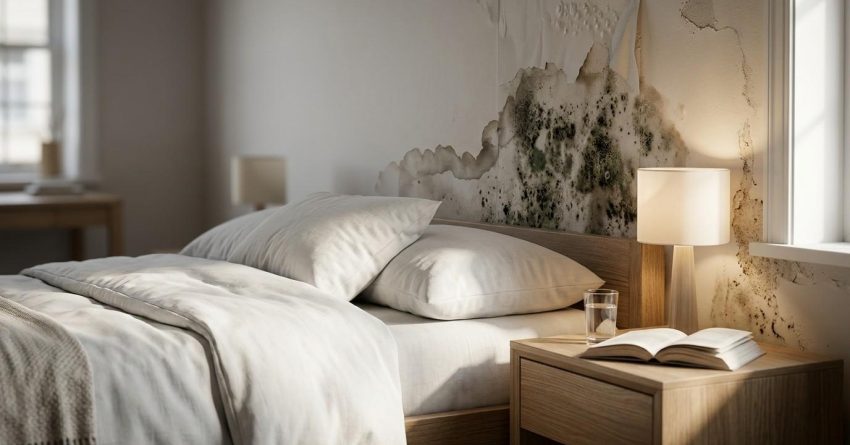
Three signs make a water-damaged room unsafe for sleep: a musty odor, visible discoloration on walls or ceilings, and sagging drywall above the bed. Electrical fixtures soaked by leaks create shock and fire hazards. Ceiling collapse risk grows with every hour of unaddressed pooling. If the water source is unknown or the leak is ongoing, leave the room until professional water damage restoration confirms it is safe.
How Water Damage Affects Indoor Air Quality and Sleep
Indoor air quality drops sharply after water intrusion. Moisture trapped in porous materials releases volatile compounds, mold spores, and dust mite allergens directly into the breathing zone. During sleep, the body inhales this air for six to nine continuous hours, multiplying exposure compared to brief room visits. Headaches, congestion, and disrupted sleep cycles often follow. Running fans without proper drying spreads contaminants further. Coordinating with mold remediation specialists early prevents long-term contamination of bedding, mattresses, and HVAC systems shared across the home.
Mold Growth Timeline After Water Intrusion
Mold can begin colonizing wet materials within 24 to 48 hours. By day three, visible patches may appear on drywall seams, baseboards, and behind furniture. Spores travel through air currents and settle on bedding, clothing, and curtains. The longer materials stay wet, the harder remediation becomes, often requiring removal of drywall, carpet, and insulation rather than simple drying.
When You Can Sleep in the Room vs. When to Relocate
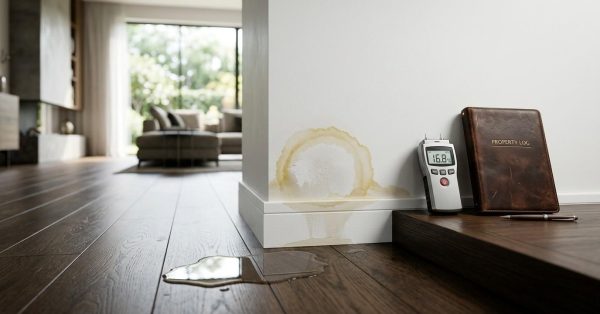
Sleeping in the room may be acceptable only when the leak is fully stopped, materials are confirmed dry with a moisture meter, and no musty odor remains. Small, isolated spills cleaned within a few hours rarely cause issues. Relocate immediately if the damage involves the ceiling above the bed, contaminated water, electrical systems, or a leak that lasted more than a day. Property managers and landlords should provide alternate accommodations until a licensed contractor verifies the room is safe and structurally sound.
Conclusion
Sleeping in a water-damaged room exposes occupants to mold, poor air quality, and structural risks that grow worse by the hour. Quick assessment and proper drying determine whether the space stays livable.
Homeowners, landlords, and property managers protect both health and property value by responding fast and bringing in qualified professionals who handle the full scope of restoration.
When water damage strikes, we at Mr. Local Services connect you with trusted local experts ready to assess, dry, and restore your space safely.
Frequently Asked Questions
How long after water damage is it safe to sleep in the room?
Wait until the room is fully dried, ideally 48 to 72 hours after professional drying, with no musty odor, visible mold, or remaining moisture in walls or floors.
Can sleeping in a damp room make you sick?
Yes. Damp rooms raise mold spore and bacteria exposure, causing coughing, congestion, sinus pressure, headaches, and worsening asthma or allergy symptoms during prolonged sleep.
What are the signs a water-damaged room is unsafe?
Musty odors, sagging or stained ceilings, peeling paint, visible mold, warped flooring, and persistent humidity above 60% all signal the room is unsafe to occupy.
Should I sleep in a different room after a leak?
Yes, if the leak was recent, ongoing, or affected ceilings, walls, or electrical fixtures. Relocate until a professional confirms the space is fully dry and structurally sound.
Can a dehumidifier make a water-damaged room safe to sleep in?
A dehumidifier helps but does not replace full restoration. It reduces humidity but cannot dry materials inside walls or remove mold already growing in hidden areas.