Buying a house comes with serious financial risk when warning signs go unnoticed. Red flags when buying a house are structural, legal, environmental, or behavioral indicators that suggest hidden problems — problems that can cost tens of thousands of dollars after the sale closes.
Knowing what to look for before making an offer protects your investment, your family, and your long-term financial stability. Some red flags are visible during a showing. Others only surface during a professional inspection or title search. Understanding both categories gives buyers a decisive advantage in any market.
The Most Serious Red Flags When Buying a House
The most critical red flags when buying a house involve structural integrity, water intrusion, and safety systems. These issues are expensive to repair, difficult to conceal permanently, and often signal deeper problems that a surface inspection cannot fully reveal. Buyers who recognize these warning signs early avoid costly surprises after closing.
Structural and Foundation Problems
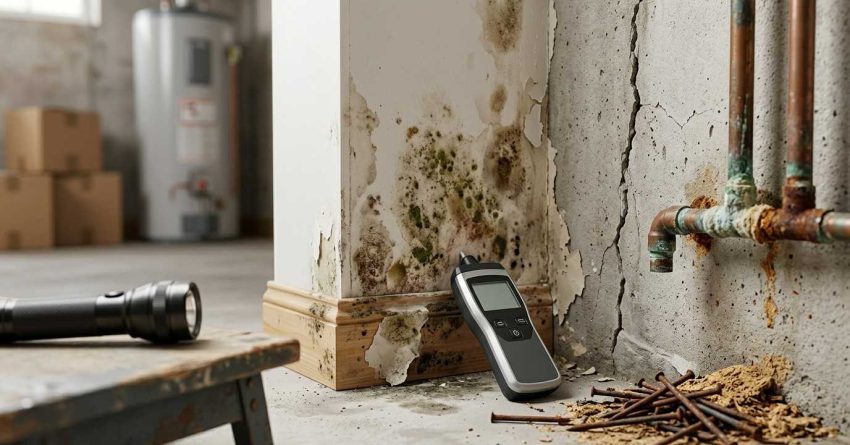
Foundation issues are among the most expensive problems a homeowner can inherit. Look for cracks in the foundation walls, especially horizontal or stair-step cracks in brick or block construction. Diagonal cracks near window and door corners, uneven floors, doors that stick or fail to latch, and gaps between walls and ceilings all suggest foundation movement or settlement.
Sagging rooflines, bowing exterior walls, and visible gaps where the roof meets the exterior are additional structural red flags. These defects rarely improve on their own. Repair costs for foundation stabilization can range from several thousand dollars for minor issues to well over $30,000 for significant structural failure. Never dismiss these signs as cosmetic.
Water Damage and Moisture Issues
Water damage is one of the most common and most concealed problems in residential real estate. Stains on ceilings, walls, or around windows indicate past or active leaks. Musty odors in basements, crawl spaces, or closets suggest mold growth — often hidden behind drywall or under flooring.
Check under sinks, around toilets, and near water heaters for soft flooring, discoloration, or rust staining. Efflorescence — white mineral deposits on basement walls — signals chronic moisture intrusion. Fresh paint in isolated areas, particularly in basements or bathrooms, sometimes conceals damage rather than decorates. If water damage is confirmed, water damage restoration and repair involves more than surface fixes — remediation must address the moisture source, structural drying, and mold prevention to be effective.
Identifying red flags during a showing is only the first step. The professional home inspection process is where these concerns get formally documented, measured, and priced — giving buyers the evidence they need to negotiate, request repairs, or walk away with confidence.
Red Flags in the Inspection, Disclosure, and Seller Behavior
How a seller behaves during the buying process reveals as much as the physical condition of the property. Transparency is a reasonable expectation. Evasiveness is a warning sign.
Seller Evasiveness and Missing Disclosures
Sellers are legally required in most jurisdictions to disclose known material defects. A seller who refuses to complete a disclosure form, provides vague answers to direct questions, or resists allowing a full inspection is signaling that something is being hidden. Incomplete permit history is another concern — unpermitted additions, converted garages, or finished basements built without permits can create legal and insurance complications for the new owner.
Review the disclosure documents carefully. Look for patterns of repeated repairs to the same system — roof, HVAC, plumbing — which suggest chronic problems rather than isolated incidents. A seller who has owned the property for a short time and is selling quickly without a clear reason warrants additional scrutiny.
Neighborhood and Location Red Flags Buyers Often Overlook
The property itself is only part of the evaluation. The surrounding environment affects long-term value, livability, and resale potential in ways that no renovation can fix.
Visit the neighborhood at different times of day and on different days of the week. High vacancy rates on the street, multiple properties listed for sale simultaneously, or a pattern of short ownership cycles in public records can indicate declining demand. Check flood zone maps through FEMA’s public database — properties in high-risk flood zones carry mandatory flood insurance requirements that significantly increase annual ownership costs.
Proximity to industrial sites, flight paths, major highways, or commercial zoning boundaries affects noise levels, air quality, and future development risk. Research local school ratings, crime statistics, and planned infrastructure projects before committing. These factors are fixed. The house can be renovated. The location cannot.
Conclusion
Red flags when buying a house protect buyers from inheriting problems that sellers either cannot afford to fix or choose not to disclose. Recognizing structural damage, water intrusion, seller evasiveness, and location risks before closing is the difference between a sound investment and a financial burden.
For homeowners who purchase a property with existing issues — or who want to protect a new home from future problems — ongoing maintenance after purchase is the most reliable way to preserve property value and prevent small issues from becoming major repairs.
At Mr. Local Services, we connect homeowners and property managers with skilled professionals ready to assess, repair, and maintain any property — so you can move forward with confidence.
Frequently Asked Questions
What structural issues are red flags when buying a house?
Horizontal foundation cracks, sagging rooflines, uneven floors, sticking doors, and bowing walls are the most serious structural red flags. Each signals potential foundation movement or load-bearing failure requiring professional evaluation before purchase.
Is water damage always a red flag in a home purchase?
Not always, but it requires investigation. Past water damage that was properly repaired and documented is manageable. Active leaks, mold growth, or concealed damage without repair records are serious red flags that warrant further inspection and negotiation.
What should a buyer do if they spot red flags during a showing?
Document everything with photos, note the location and severity, and request a full professional home inspection before proceeding. Use inspection findings to negotiate repairs, a price reduction, or a seller credit at closing.
Can red flags be negotiated with the seller?
Yes. Many red flags become negotiating points rather than deal-breakers. Buyers can request the seller complete repairs before closing, reduce the purchase price, or provide a closing credit to cover remediation costs identified during inspection.
What home inspection red flags should never be ignored?
Foundation cracks, active roof leaks, outdated or faulty electrical panels, evidence of mold, and non-functional HVAC systems should never be dismissed. These defects are expensive, safety-critical, and unlikely to resolve without professional intervention.