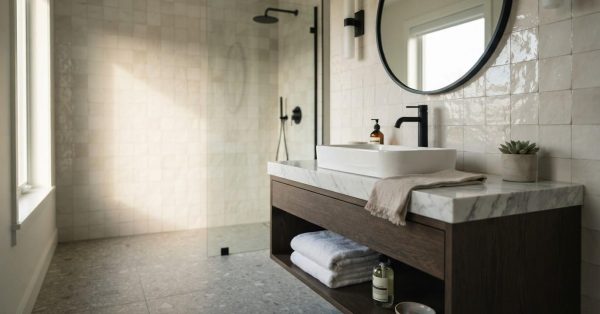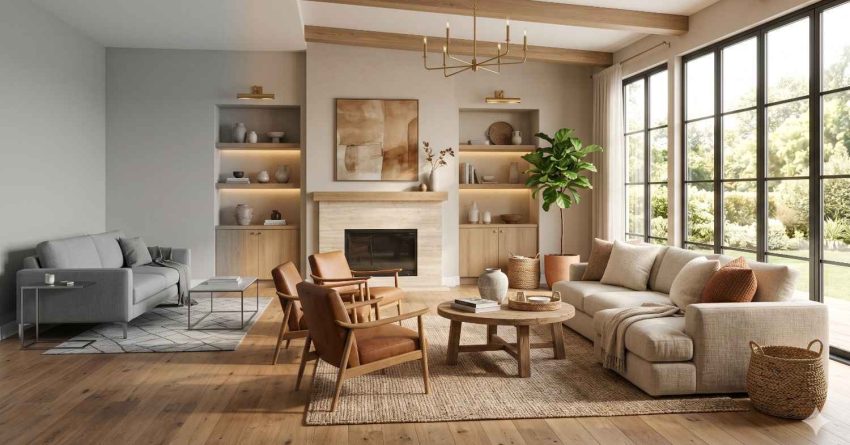
Warm beige and earthy neutrals are replacing grey as the dominant interior color across American homes. Homeowners now favor shades like greige, warm taupe, soft cream, and muted tan because they feel more inviting, age better with natural light, and pair easily with both modern and traditional finishes. Grey still has a place, but the trend has clearly shifted toward warmer, more grounded tones that bring comfort and personality back into living spaces.
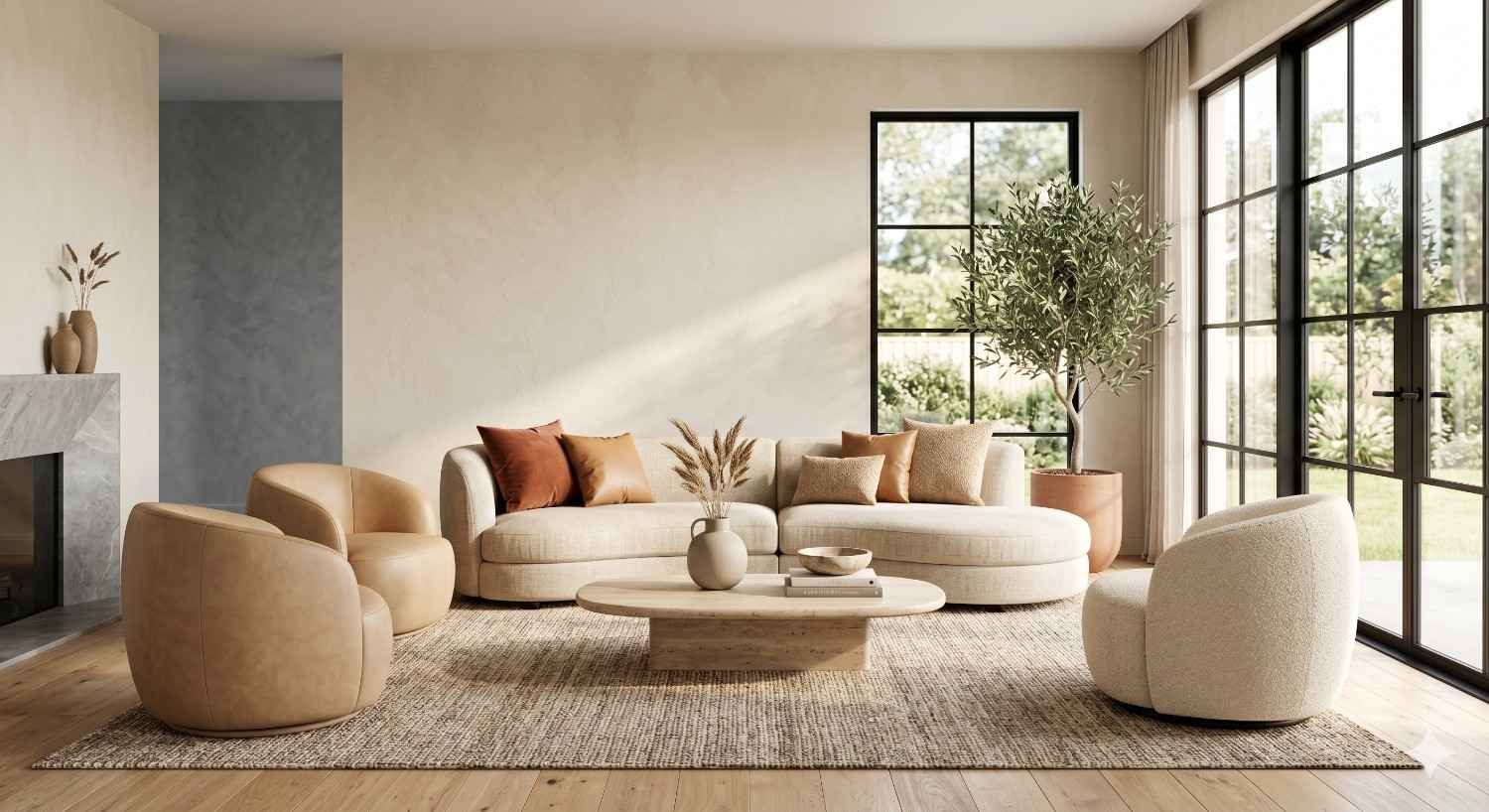
Warm Beige and Earthy Neutrals Are Replacing Grey
Warm beige, greige, and soft earthy neutrals are replacing grey in homes across the United States. These tones carry subtle yellow, brown, or pink undertones that feel warmer and more welcoming than the cool blue-grey palette that dominated the last decade. Designers, paint brands, and homeowners are all moving in the same direction.
Why Homeowners Are Moving Away from Grey
Cool grey often reads as flat, sterile, or cold under natural light, especially in north-facing rooms. Many homeowners now want spaces that feel lived-in and calming rather than showroom-styled. Warm neutrals reflect light more pleasantly, hide small imperfections better, and complement wood tones, brass fixtures, and natural textures that are popular in current interior design. The shift also reflects a broader move toward biophilic, nature-inspired interiors.
The Rise of “Greige” and Soft Whites
Greige, a balanced blend of grey and beige, is the most common replacement because it gives homeowners warmth without abandoning the neutral foundation grey provided. Soft whites, mushroom, almond, and warm taupe round out the new palette. Brands like Benjamin Moore and Sherwin-Williams have named warm neutrals as their colors of the year, signaling a clear and lasting industry shift.
For homeowners ready to refresh their walls, working with professional interior painting services ensures the new tone is matched to lighting, finishes, and existing décor.
How the New Neutral Palette Affects Home Interiors
Switching from grey to warmer neutrals changes more than wall color. It influences how furniture, flooring, and lighting work together. Cool greys often paired with chrome, glass, and stark whites. Warm neutrals pair better with oak floors, woven textiles, brass hardware, and layered lighting. The result is a softer, more cohesive home that photographs well and feels comfortable day to day.
Best Rooms to Apply Warm Neutrals
Living rooms, bedrooms, and open-concept kitchens benefit most from warm beige and greige tones because these spaces rely on natural light and human comfort. Hallways and entryways also gain warmth from soft taupe or cream. Before painting, proper wall and ceiling preparation is essential, since warm tones reveal patches and uneven surfaces more visibly than cool greys did.

Choosing the Right Replacement Shade for Your Home
The best replacement depends on lighting, existing finishes, and how each room is used. Test paint samples on multiple walls and observe them at morning, midday, and evening light before committing. North-facing rooms suit warmer beiges, while bright south-facing rooms can handle cooler greiges. For homeowners planning a whole-home color refresh project, coordinating wall tones with flooring, cabinetry, and trim ensures a unified result that adds long-term value.
Conclusion
Warm beige, greige, and soft earthy neutrals are replacing grey because they bring warmth, light, and comfort to modern interiors without losing neutral versatility.
This shift reflects a broader move toward inviting, nature-inspired homes that homeowners, landlords, and property managers can rely on for lasting visual appeal.
Ready to update your space? Mr. Local Services connects you with trusted painting and home improvement pros who deliver clean, color-perfect results.
Frequently Asked Questions
Is grey still in style for 2025?
Grey is no longer the dominant choice but remains acceptable as an accent. Warmer neutrals like greige and beige now lead interior design trends across most U.S. homes.
What is greige and why is it popular?
Greige blends grey and beige into one balanced neutral. It feels warmer than grey, hides imperfections, and pairs easily with wood, brass, and natural textures in modern homes.
What color goes well with warm beige walls?
Warm beige pairs beautifully with soft whites, terracotta, sage green, deep navy, and natural wood tones, creating a balanced, layered, and inviting interior color palette.
Should I repaint my grey walls now?
If your grey feels cold or dated, repainting with a warm neutral can refresh your home instantly. A professional painter ensures even coverage and proper undertone matching.
What is the most popular wall color right now?
Warm whites, greige, and soft taupe lead current popularity rankings, with major paint brands naming warm neutrals as their top colors of the year for residential interiors.