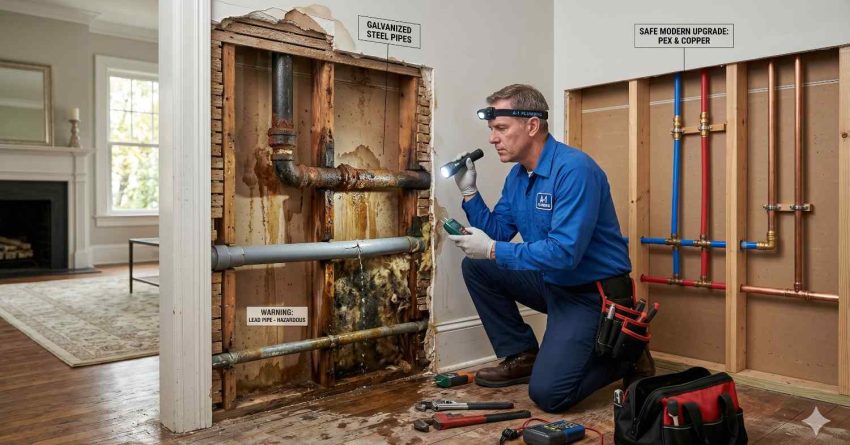
The pipes you do not want in your house are lead, polybutylene, and galvanized steel. These materials are linked to contaminated drinking water, sudden ruptures, and corrosion that lowers water pressure and damages property. Most were installed decades ago and remain hidden behind walls in older homes. Identifying and replacing them protects your family’s health, your home’s value, and your peace of mind. Knowing what to look for is the first step toward a safer plumbing system.
Pipes You Should Avoid in Your Home
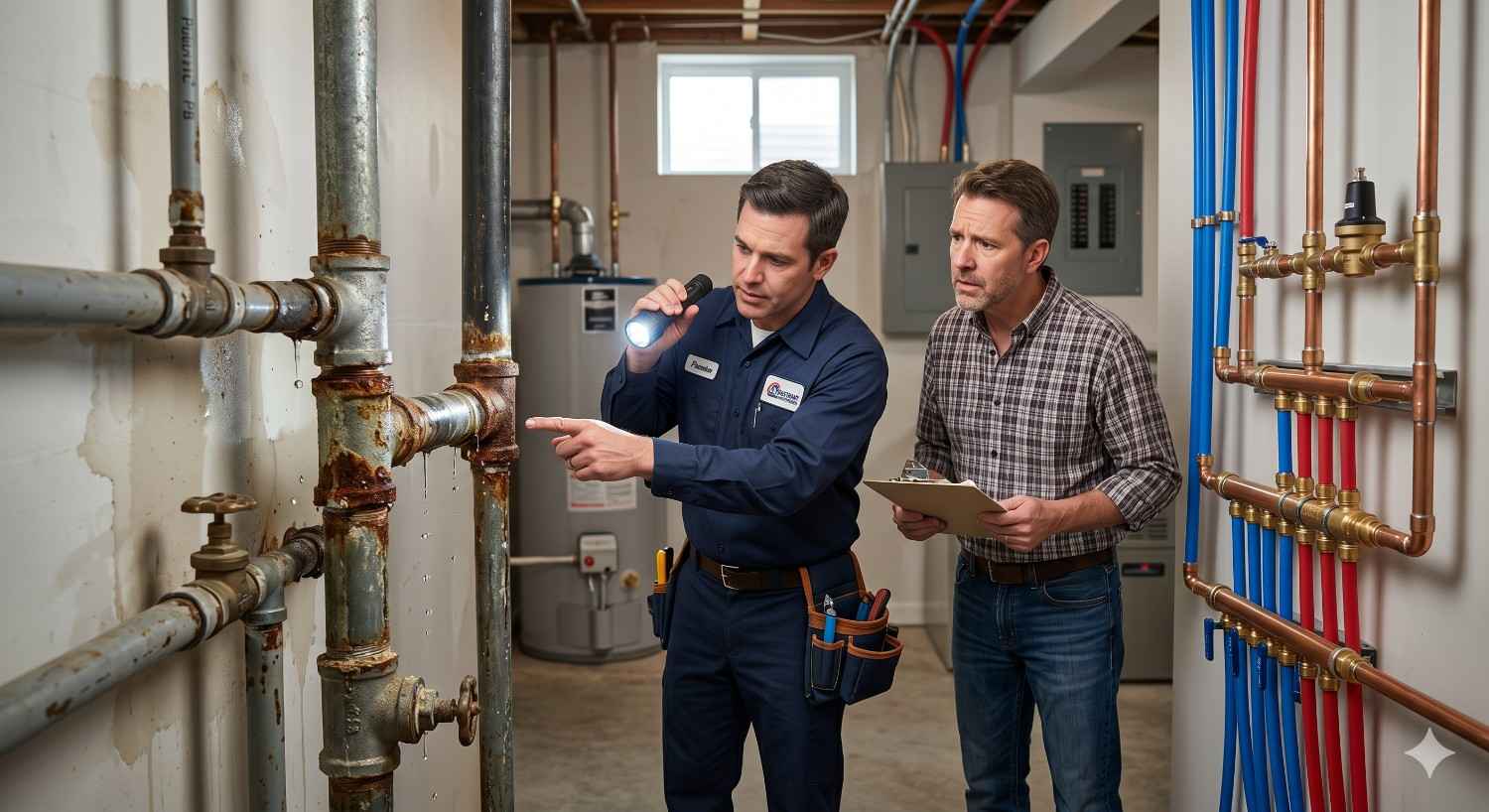
Three pipe types raise serious concerns: lead, polybutylene, and galvanized steel. Lead pipes leach toxic metal into drinking water. Polybutylene fails from the inside out and causes sudden leaks. Galvanized steel corrodes, restricts flow, and discolors water. Homes built before 1990 are most likely to contain at least one of these materials.
Lead Pipes
Lead pipes were common in homes built before 1986. They release lead into drinking water, especially when the water is acidic or sits in the line overnight. No level of lead exposure is considered safe, and children face the highest risk. If your home has lead service lines or lead solder, replacement is the only reliable solution. Testing kits and licensed plumbers can confirm what you have.
Polybutylene Pipes
Polybutylene was installed in millions of homes between 1978 and 1995. It looks gray, blue, or black and reacts with chlorine in municipal water. Over time, the pipe walls flake, weaken, and split without warning. Insurance carriers often refuse coverage on homes that still have it. Full replacement is the standard recommendation from licensed plumbers.
Galvanized Steel Pipes
Galvanized steel was the standard for decades. The zinc coating wears away from the inside, leaving rust that narrows the pipe and contaminates the water. Common signs include brown water, low pressure, and visible corrosion at joints. These pipes typically last 40 to 50 years, and most installations have now exceeded that lifespan.
Identifying a problem pipe is only half the work. The next step is bringing in professional plumbing services that can inspect your full system and confirm what needs to be replaced.
Why These Pipes Cause Long-Term Problems
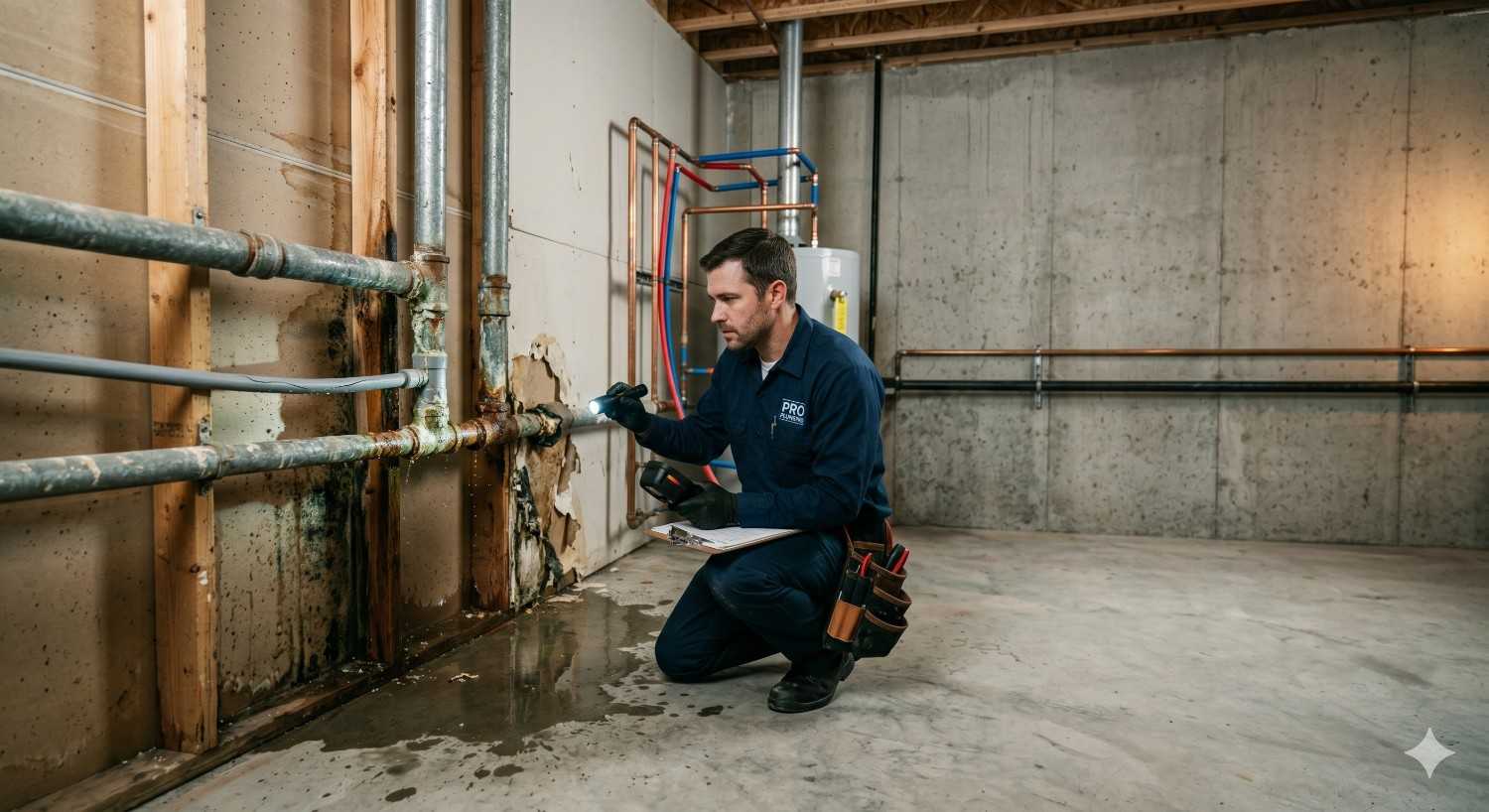
Outdated pipes create risks that go far beyond the plumbing system itself. They affect your health, your home’s structure, and your insurance status. A single failure can flood floors, damage drywall, and ruin flooring within minutes.
Health, Safety, and Property Value Risks
Lead exposure causes developmental and neurological harm. Polybutylene ruptures often happen behind walls, where water spreads before anyone notices. Galvanized corrosion reduces water quality and pressure across every fixture. Mortgage lenders, home inspectors, and insurers all flag these materials, which lowers resale value and complicates closings. When a pipe fails, fast water damage restoration help limits how far the destruction spreads.
When to Replace Outdated Pipes
Replacement is not always urgent, but it is rarely optional. Lead pipes should be removed as soon as they are confirmed. Polybutylene should be replaced before the next failure, not after. Galvanized steel should be evaluated once the system passes the 40-year mark or shows discoloration, leaks, or pressure loss. A licensed plumber can assess condition, recommend modern materials such as PEX or copper, and outline the scope of a full repiping project so you understand cost and timeline upfront.
Conclusion
Lead, polybutylene, and galvanized steel pipes belong in no modern home. Each one threatens water quality, structural safety, and long-term property value.
Replacing them with PEX or copper protects your household, simplifies insurance, and supports stronger resale outcomes for years to come.
We at Mr. Local Services connect you with trusted, licensed plumbers ready to inspect, replace, and upgrade your pipes. Get matched today.
Frequently Asked Questions
How do I know if my house has lead pipes?
Scratch the pipe lightly. Lead is soft, dull gray, and leaves a shiny silver mark. A licensed plumber or water test confirms it.
Is polybutylene plumbing illegal?
Polybutylene is not illegal, but it is no longer manufactured or approved by US plumbing codes due to widespread failure rates and litigation history.
What pipes are safe for homes today?
PEX and copper are the modern standards. Both resist corrosion, handle pressure well, and meet current US plumbing codes for residential systems.
Does homeowners insurance cover bad pipes?
Most policies exclude damage from gradual corrosion or known faulty materials like polybutylene. Sudden, accidental ruptures may qualify, depending on your carrier.
How much does it cost to replace old pipes?
Whole-home repiping typically ranges from $4,000 to $15,000, depending on home size, pipe material, and accessibility. A licensed plumber provides exact estimates.