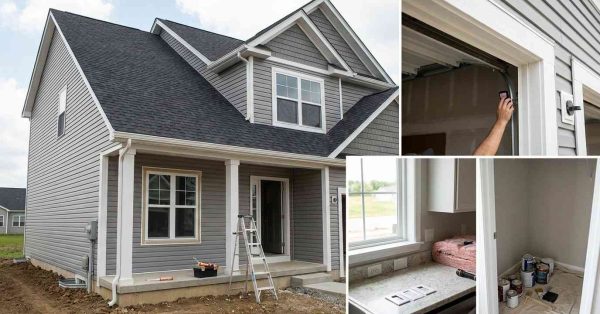
Lennar is being sued primarily over construction defects, warranty disputes, and alleged consumer protection violations affecting homeowners across multiple states. Complaints range from structural failures and water intrusion to claims that Lennar failed to honor its builder warranty or adequately disclose known defects before closing.
Lennar Corporation is one of the largest homebuilders in the United States, operating in dozens of markets and closing tens of thousands of homes annually. That scale means even a small defect rate translates into a significant number of affected homeowners. Over the years, individual homeowners, homeowner associations, and class-action groups have filed lawsuits citing problems that emerged shortly after move-in and were not resolved through Lennar’s internal warranty process.

The Core Lawsuits Against Lennar
Lennar faces legal action across several categories. The most common involve physical defects in the homes themselves, followed by disputes over how the company responds when homeowners report those problems.
The featured snapshot of these cases: Lennar has been named in lawsuits alleging defective construction, inadequate waterproofing, foundation issues, HVAC installation failures, and improper use of building materials. In several cases, plaintiffs allege that Lennar was aware of systemic defects and continued selling affected homes without disclosure.
Construction Defect Claims
Construction defect litigation against Lennar covers a wide range of physical failures. Reported issues include roof leaks, improper grading that causes drainage problems, cracked foundations, faulty framing, and defective windows that allow water intrusion. In some cases, mold growth resulted from moisture entering through improperly sealed building envelopes.
Several class-action suits have been filed by homeowner associations representing entire communities, arguing that the defects were not isolated incidents but the result of systemic construction practices. These cases often involve expert testimony from structural engineers and independent inspectors who document the scope of damage across multiple units.
Consumer Protection and Warranty Violations
Beyond physical defects, a significant portion of Lennar litigation involves how the company handles warranty claims. Lennar offers a standard new construction warranty, but homeowners in multiple states have alleged that the company denied valid claims, delayed repairs unreasonably, or offered inadequate remedies that did not fully address the underlying problem.
Some lawsuits allege violations of state consumer protection statutes, arguing that Lennar’s warranty practices constitute deceptive trade conduct. Understanding what a builder warranty actually covers is essential for any homeowner navigating a dispute with a large production builder.
Knowing what the lawsuits involve is only part of the picture. The more pressing question for current and prospective Lennar homeowners is what these cases mean for their own property and what steps they can take before problems escalate. A new construction home inspection performed by an independent professional is one of the most effective tools available to homeowners who want to identify defects before the builder’s warranty period expires.

What These Lawsuits Mean for Homebuyers
Lennar’s litigation history does not mean every home the company builds will have problems. It does mean that buyers should approach the purchase with informed expectations and a clear plan for documenting the condition of their home from day one.
Homeowners who discover defects after closing have legal options, but those options are strongest when supported by documentation. Photographs, written communications with the builder, and independent inspection reports all strengthen a homeowner’s position if a dispute escalates to litigation or arbitration.
How to Protect Yourself When Buying a New Construction Home
Request a pre-closing walkthrough and document every item that needs attention in writing. Do not rely solely on the builder’s own inspection. Hire an independent inspector who specializes in new construction to evaluate the home before you take possession.
After closing, track any issues that emerge and report them to Lennar in writing within the warranty period. Keep copies of all correspondence. If Lennar denies a claim or fails to respond, consult a construction defect attorney in your state. Many offer free initial consultations and can advise whether your situation warrants formal legal action. Issues involving water intrusion and moisture damage should be addressed immediately, as delays allow secondary damage to compound quickly.
Has Lennar Settled Any of These Cases?
Yes. Lennar has settled numerous construction defect and warranty lawsuits, though the terms of most settlements are confidential. In some high-profile cases involving homeowner associations, settlements have included repair funds, remediation programs, and compensation for affected residents.
Settlement does not necessarily mean Lennar admitted wrongdoing. In many cases, the company settles to avoid prolonged litigation costs. For individual homeowners, a settlement offer may resolve the immediate issue but should be reviewed carefully before acceptance, particularly if it includes a release of future claims related to the same defects.
Conclusion
Lennar is being sued over construction defects, warranty disputes, and consumer protection violations that have affected homeowners in communities across the country.
For current and prospective Lennar homeowners, understanding these cases helps set realistic expectations and reinforces the value of independent inspections, thorough documentation, and prompt action when defects appear.
When property issues arise, Mr. Local Services connects you with trusted professionals who assess damage accurately, complete repairs correctly, and help you protect the long-term value of your home.
Frequently Asked Questions
What types of defects are most commonly reported in Lennar homes?
The most frequently reported defects include roof leaks, water intrusion, foundation cracks, improper drainage, HVAC installation failures, and mold resulting from moisture entering through improperly sealed walls or windows.
Can I sue Lennar for construction defects in my home?
Yes. Homeowners can pursue legal action for construction defects, particularly when Lennar has denied warranty claims or failed to make adequate repairs. Consulting a construction defect attorney in your state is the recommended first step.
Does Lennar’s warranty cover construction defects?
Lennar offers a tiered new construction warranty covering workmanship, systems, and structural defects for varying periods. However, many homeowners report that warranty claims are denied or inadequately resolved, which is a central issue in ongoing litigation.
How long do Lennar lawsuits typically take to resolve?
Resolution timelines vary significantly. Individual warranty disputes may settle within months. Class-action cases involving entire communities can take several years to reach a settlement or verdict, depending on the complexity and jurisdiction.
What should I do if I discover a defect in my Lennar home?
Document the defect with photographs and written records immediately. Submit a formal warranty claim to Lennar in writing. If the claim is denied or unresolved, consult a construction defect attorney and consider hiring an independent inspector to assess the full scope of damage.