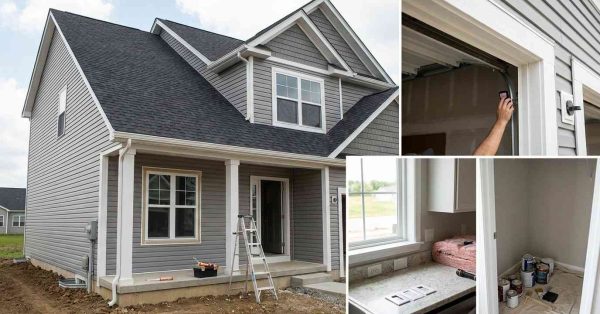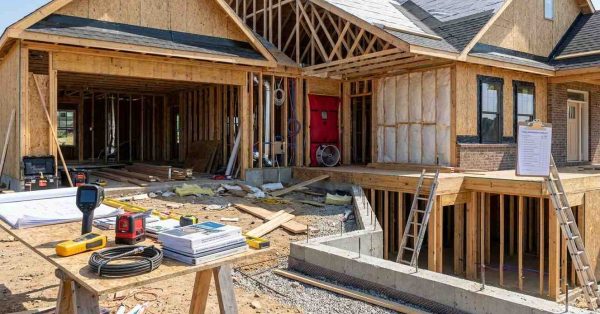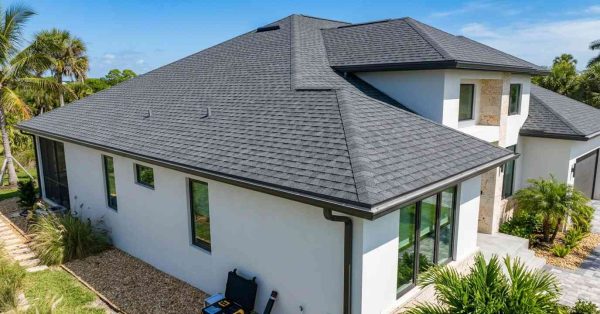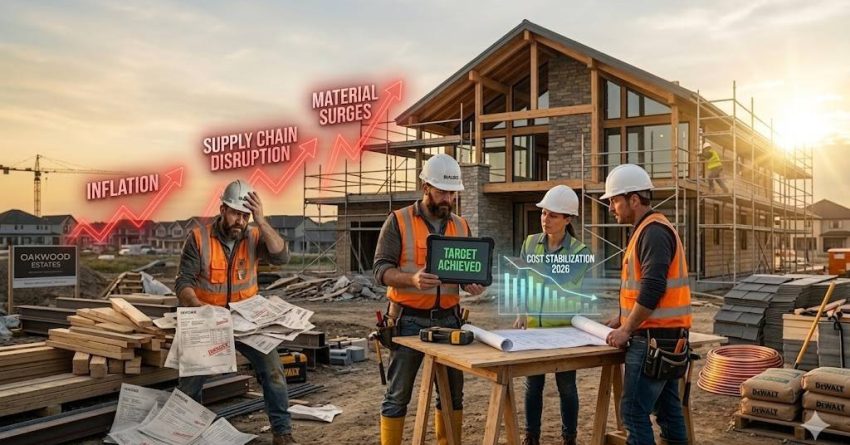
Construction costs are unlikely to drop sharply in 2026, but selective easing is underway. Material prices for certain commodities are stabilizing, labor markets are gradually adjusting, and supply chain disruptions that drove costs to record highs are slowly unwinding. For homeowners and property managers, this means modest relief in specific categories rather than a broad, dramatic decline.
Understanding where costs are softening and where they remain elevated helps you make smarter decisions about when to start a project, what to budget, and which improvements deliver the most value right now.

What the Data Says About Construction Costs in 2026
Construction costs surged dramatically between 2020 and 2023, driven by pandemic-era supply chain failures, record lumber prices, and a severe skilled labor shortage. By 2026, the picture is more nuanced. Some cost pressures have eased. Others remain stubbornly high.
According to the Associated Builders and Contractors, construction input costs rose by over 38% between 2020 and 2024. The pace of increase has slowed considerably entering 2026, but a full reversal to pre-pandemic pricing is not expected in the near term.
The overall trend points toward stabilization rather than significant decline. Costs are not falling back to 2019 levels. They are plateauing at a new, higher baseline with pockets of softening in specific materials and regions.
Why Costs Stayed High Through 2024 and 2025
Several compounding factors kept construction costs elevated well past the initial supply chain crisis. Lumber prices, after a dramatic spike and partial correction, remained volatile. Steel and concrete costs stayed high due to ongoing demand from infrastructure projects funded by federal spending programs.
Labor remained the most persistent cost driver. The construction industry faces a structural workforce gap. Retirements outpaced new entrants, and skilled trades such as electricians, plumbers, and framers commanded significantly higher wages. These labor dynamics do not resolve quickly regardless of material price movements.
Which Cost Drivers Are Starting to Ease
Entering 2026, lumber prices have stabilized and in some regions declined modestly from their peak. Copper and aluminum costs have softened as global demand patterns shifted. Shipping and logistics costs, which added significant overhead during the supply chain crisis, have largely normalized.
These improvements are real but uneven. Residential construction in high-demand metro areas still faces elevated costs due to local labor competition and permitting delays. Rural and suburban markets are seeing more meaningful relief. The type of project also matters significantly — material-heavy projects benefit more from commodity softening than labor-intensive renovations.
How renovation budgets shift with market conditions depends on the specific combination of materials, labor, and project scope involved in each job.
What Homeowners and Property Managers Should Expect
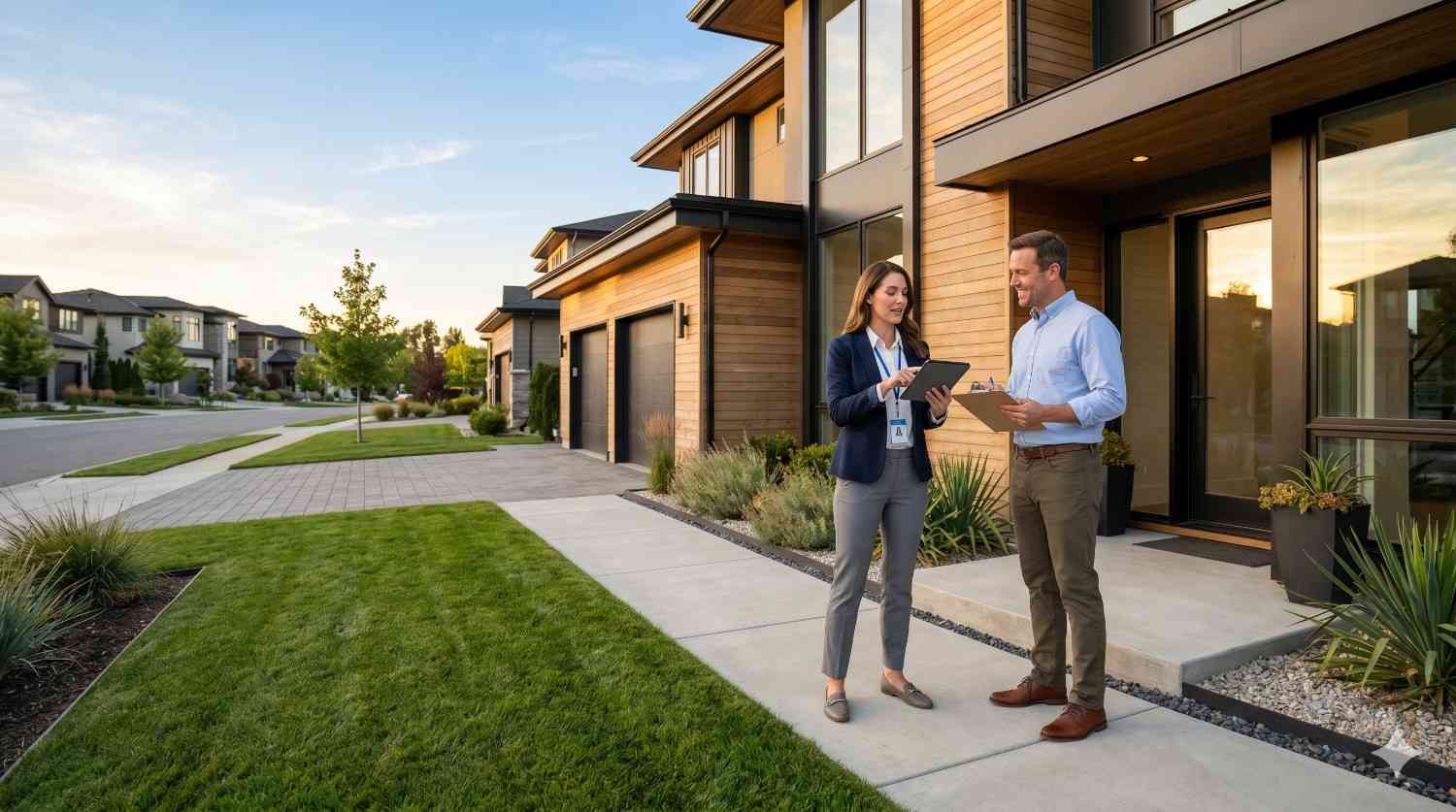
For property owners planning work in 2026, the realistic expectation is modest cost relief in select categories, not a return to pre-2020 pricing. Budgets should still account for elevated labor rates, which remain the largest single cost component in most residential projects.
The most important shift entering 2026 is improved predictability. During the peak disruption years, material costs fluctuated week to week and contractor availability was severely constrained. That volatility has largely settled. Contractors can now provide more reliable estimates, and lead times for materials have shortened considerably.
This improved predictability is valuable for planning purposes even when prices themselves have not dropped significantly.
Project Categories Most Affected by Cost Shifts
Not all remodeling and renovation projects are equally affected by current cost trends. Material-intensive projects such as roofing, flooring, and exterior work benefit most from commodity price stabilization. Labor-intensive projects such as bathroom remodels, kitchen renovations, and electrical upgrades remain expensive because skilled trade wages have not retreated.
Structural work, additions, and new construction remain the most cost-sensitive categories. These projects combine high material volume with complex labor requirements, making them the last to see meaningful price relief.
Maintenance and repair work — routine upkeep, minor repairs, and system servicing — has seen the least cost inflation overall and remains the most budget-predictable category for property managers.
How to Plan a Construction or Renovation Project in 2026
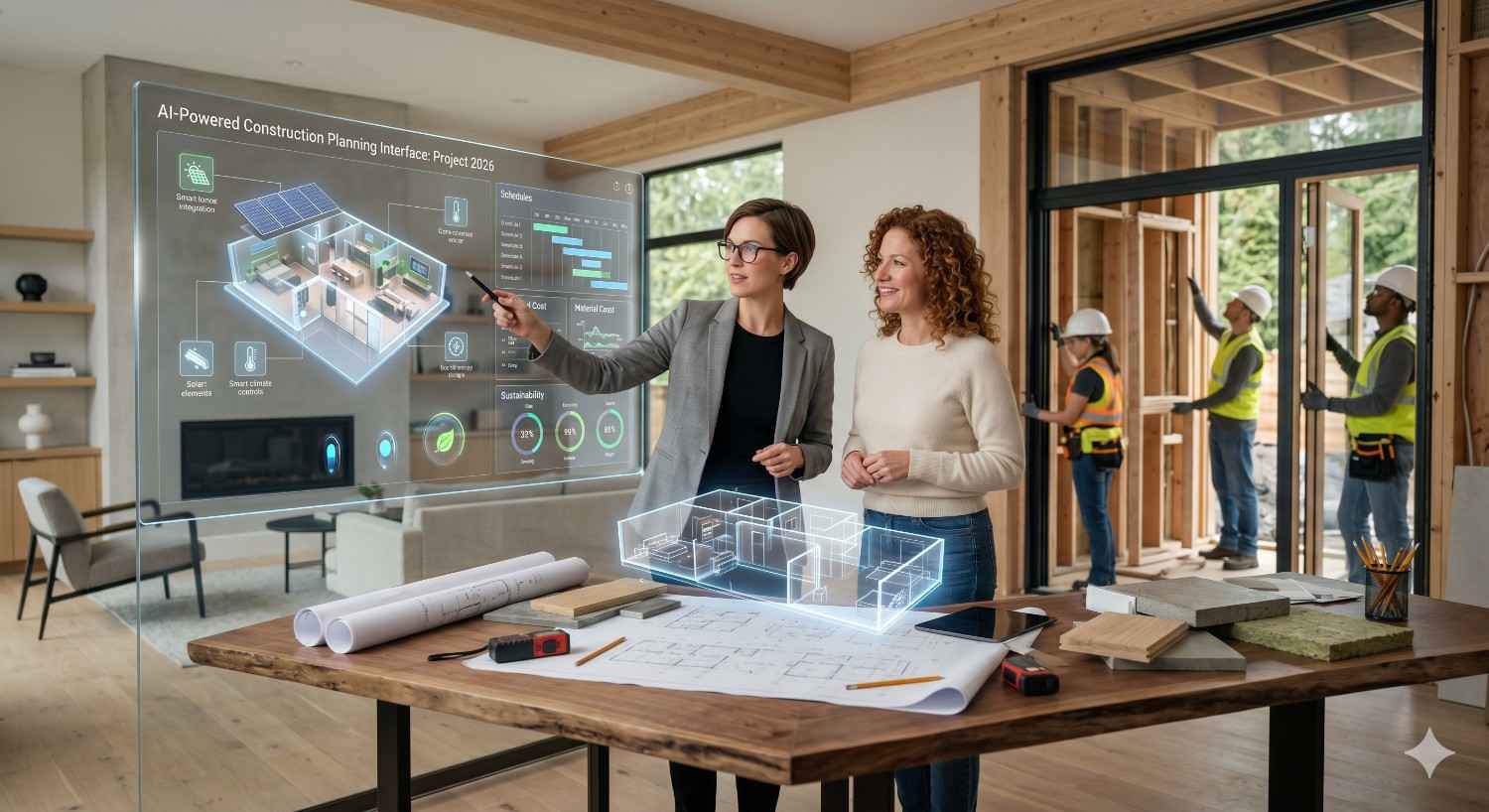
The current environment rewards planning over waiting. Costs are not expected to fall significantly enough in 2026 to justify delaying necessary repairs or improvements. Deferred maintenance compounds over time, and the cost of waiting often exceeds any savings from a modest price decline.
Get multiple quotes from licensed contractors. The improved market stability means estimates are more reliable now than they were in 2022 or 2023. Lock in material pricing where possible, particularly for larger projects where commodity costs represent a significant share of the total budget.
Prioritize projects with clear safety, structural, or energy-efficiency implications. These deliver measurable returns regardless of market timing. Cosmetic upgrades can be phased based on budget flexibility.
Conclusion
Construction costs in 2026 are stabilizing rather than declining sharply. Material prices are easing in select categories while labor costs remain elevated across most project types.
For homeowners and property managers, this environment favors action over delay. Predictability has returned to the market, and choosing the right professional for your project is now easier with more reliable contractor availability and steadier pricing.
At Mr. Local Services, we connect you with skilled professionals across every service category to help you move forward with confidence, on budget, and on schedule.
Frequently Asked Questions
Will material costs drop in 2026?
Some material costs, including lumber and copper, are stabilizing and showing modest declines in certain regions. A broad return to pre-2020 pricing is not expected in 2026.
Is 2026 a good year to renovate or build?
Yes, for most projects. Market predictability has improved significantly, contractor availability is better, and delaying necessary work typically costs more than any savings from waiting.
What construction costs are expected to decrease first?
Commodity-driven materials such as lumber, steel, and aluminum are showing the earliest signs of softening. Labor costs are expected to remain elevated longer due to ongoing skilled trade shortages.
How do labor shortages affect construction pricing in 2026?
Labor remains the largest cost driver in residential construction. The skilled trades workforce gap has not closed, keeping wages high for electricians, plumbers, framers, and other specialists.
Should I delay my home improvement project until costs fall?
For most projects, no. Deferred maintenance increases long-term costs, and the modest price relief expected in 2026 is unlikely to offset the expense of waiting for most homeowners and property managers.