You should start worrying about a house not selling when it has been on the market significantly longer than comparable homes in your area without a clear strategic response in place. Most markets have a measurable average days on market benchmark. Once your listing exceeds that benchmark by 20 to 30 percent, the problem is no longer just timing. It signals a deeper issue with price, condition, or presentation that buyers are already responding to with silence.

How Long Is Too Long for a House to Sit on the Market?
A house that sits on the market beyond the local average days on market without an offer is a house with an unresolved problem. The timeline that triggers concern varies by market, but the pattern is consistent: the longer a listing sits, the more buyer skepticism compounds.
What the Average Days on Market Tells You
Days on market, often abbreviated as DOM, measures how long a property has been listed before going under contract. Every local market has its own average. In a fast-moving market, 30 days without an offer is a warning sign. In a slower market, that threshold may extend to 60 or 90 days. The key is comparison, not a fixed number. When your home’s DOM exceeds the local average by a meaningful margin, buyers are sending a clear signal: something about this listing is not meeting their expectations.
When Stale Listings Become a Serious Problem
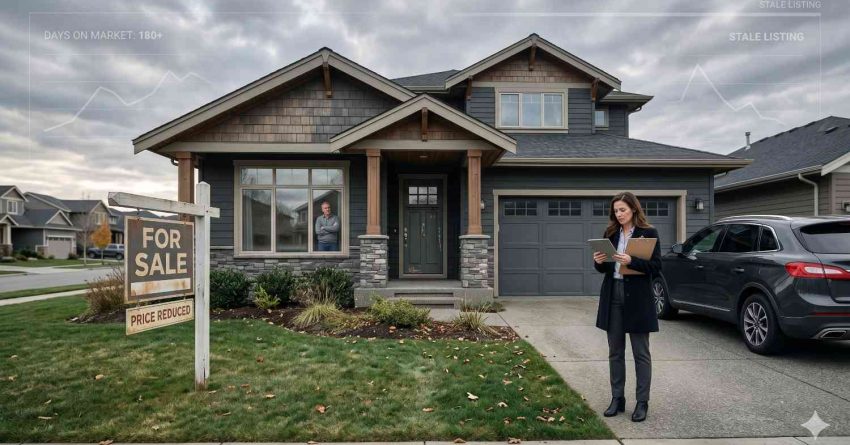
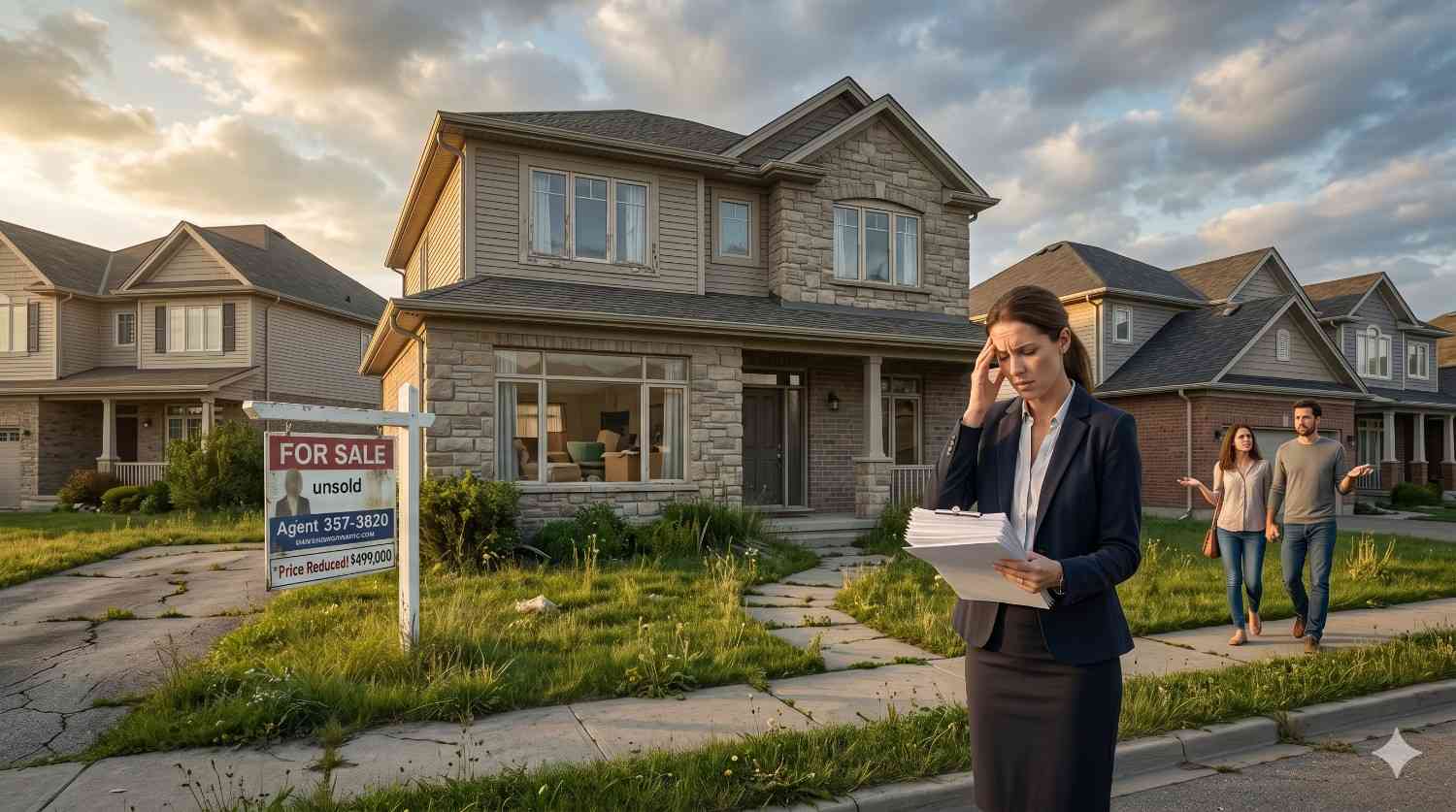
A listing becomes stale when it has been on the market long enough for buyers to notice and question it. Buyers actively filter by days on market. A home that has sat for 60, 90, or 120 days in a market where homes typically sell in 30 days raises an immediate red flag. Buyers assume something is wrong, even if nothing is. That perception alone reduces showing traffic, weakens offer strength, and gives buyers leverage to negotiate aggressively on price.
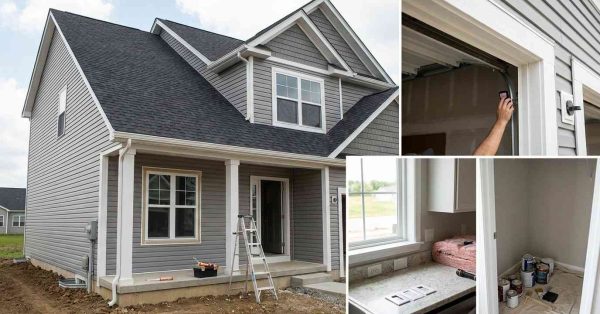
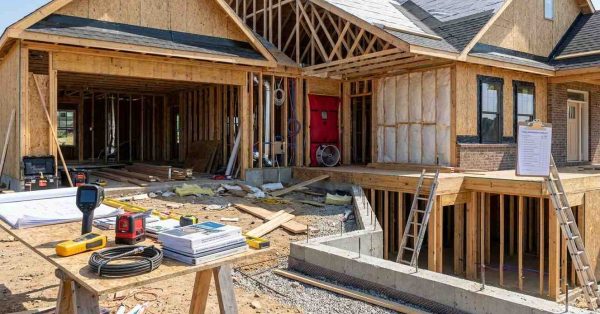
The longer a home sits without a strategic adjustment, pre-sale repairs and improvements become one of the most direct ways to reset buyer perception and restore listing momentum.
What Are the Real Reasons a House Stops Selling?
Time on market is a symptom. The actual causes fall into a short list of recurring problems that sellers either overlook or underestimate.
Pricing Problems That Repel Buyers
Overpricing is the single most common reason a house stops selling. Buyers in every market conduct comparative research before scheduling a showing. When a home is priced above what comparable properties have recently sold for, buyers skip it entirely. A price reduction is often necessary, but timing matters. Reducing too late, after the listing has already gone stale, produces less impact than reducing early when buyer interest is still active.
Property Condition Issues That Kill Deals
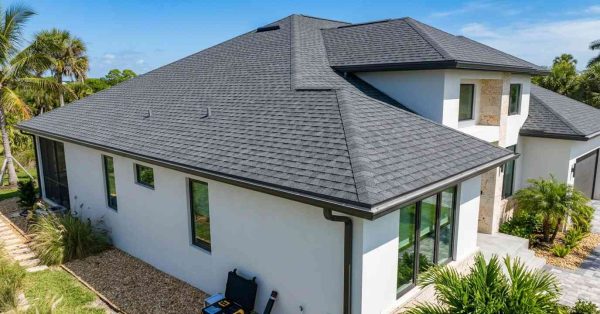
Buyers walk through a home looking for reasons to reduce their offer or walk away. Visible deferred maintenance, outdated systems, cosmetic damage, and poor curb appeal all communicate risk. A buyer who sees a leaking roof, aging HVAC equipment, or deteriorating exterior finishes mentally adds repair costs to the purchase price and adjusts their offer accordingly, or moves on entirely. Addressing deferred maintenance issues before relisting removes the most common objections buyers use to justify lower offers or no offer at all.
What Should You Do When Your House Isn’t Selling?
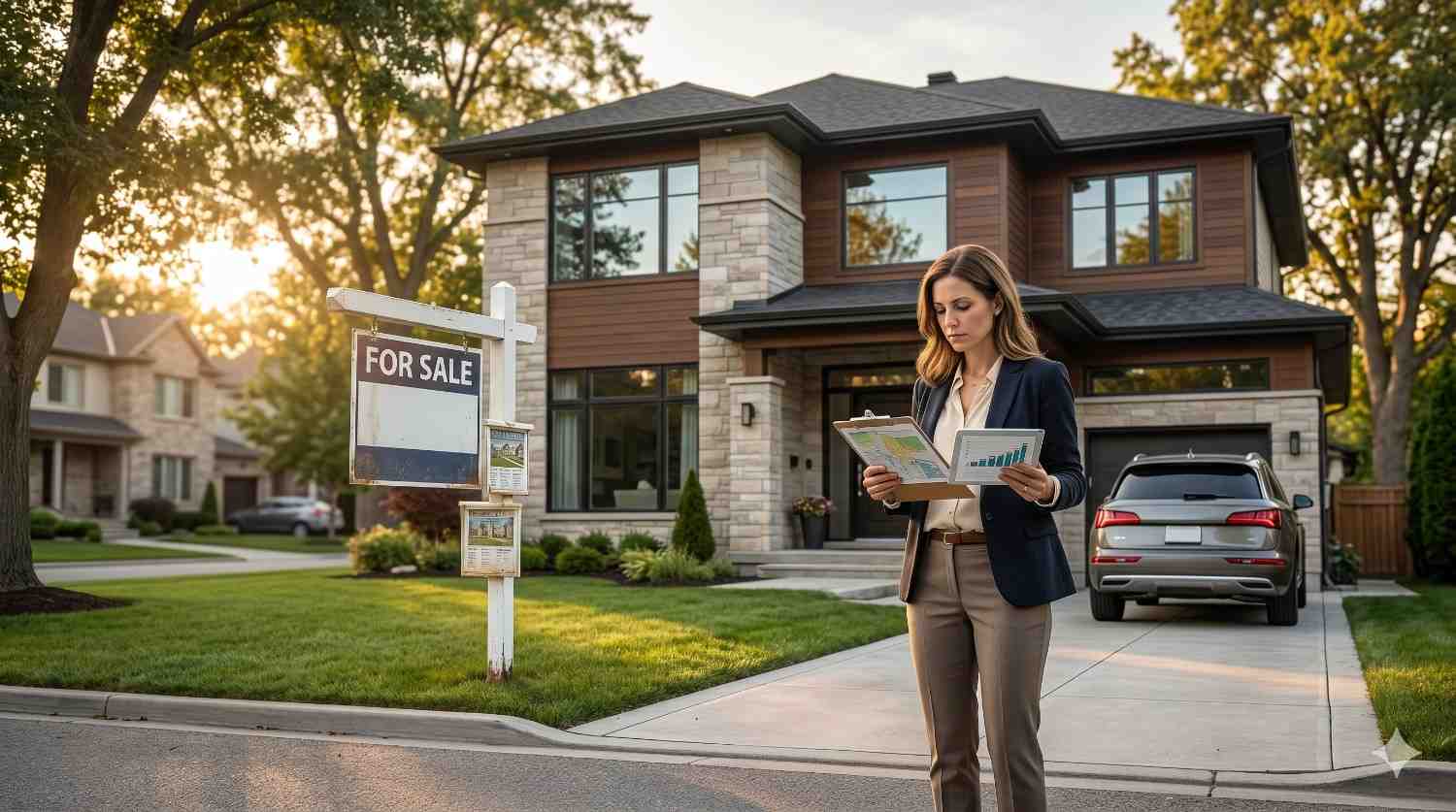
Start with an honest assessment of the three variables buyers evaluate: price, condition, and presentation. Review recent comparable sales with your agent to determine whether your price is aligned with the current market. Walk through the property with fresh eyes or hire a professional to identify condition issues that may be reducing buyer confidence. Invest in curb appeal and exterior presentation improvements, since first impressions form before a buyer steps through the door. If the listing has gone stale, consider temporarily withdrawing it, making targeted improvements, and relaunching with updated photography and a recalibrated price.
Conclusion
A house that is not selling is communicating something specific about price, condition, or presentation. Identifying which variable is driving buyer hesitation is the first step toward resolving it. Homeowners and landlords who act on those signals early recover faster and sell closer to their asking price. At Mr. Local Services, we help property owners address the condition and presentation issues that stall sales, from repairs and maintenance to exterior improvements, so your home is ready to compete and close.
Frequently Asked Questions
How long should I wait before worrying about my house not selling?
Begin evaluating the situation once your listing exceeds the local average days on market by 20 to 30 percent. In most markets, that means reassessing after 30 to 60 days without a serious offer.
Does a price reduction always fix a house that isn’t selling?
Not always. If condition or presentation is the core problem, reducing the price without addressing those issues may attract lower-quality offers rather than solving the underlying buyer objection.
Can property condition cause a house to stop selling?
Yes. Visible maintenance issues, outdated systems, and cosmetic damage signal risk to buyers. Many will either reduce their offer significantly or remove the property from their consideration entirely.
What is the biggest mistake sellers make when a house sits too long?
Waiting too long to act. Every additional week on market increases buyer skepticism and reduces negotiating leverage. Early, decisive adjustments to price or condition produce better outcomes than delayed reactions.
Should I take my house off the market if it isn’t selling?
Temporarily withdrawing a stale listing, making targeted improvements, and relaunching with fresh marketing can reset buyer perception. It is a legitimate strategy when the listing has accumulated significant days on market without results.