
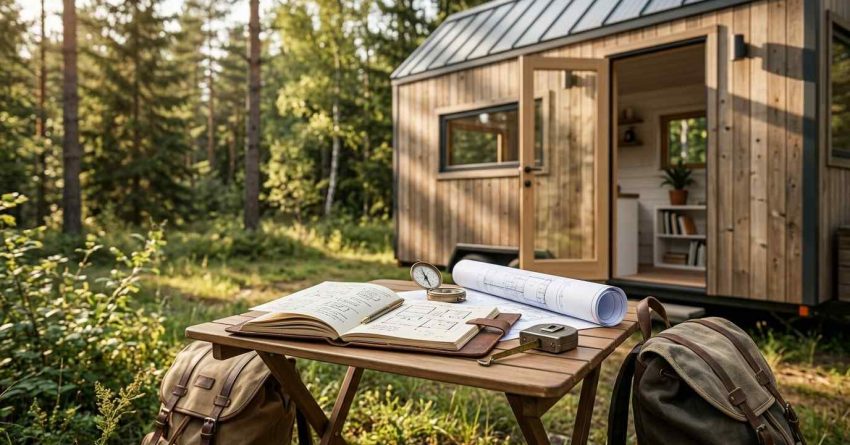
Before buying a tiny house, you need to understand local zoning rules, foundation type, total ownership costs, utility setup, and whether the lifestyle truly fits your needs. These five factors determine whether your tiny home becomes a smart long-term investment or an unexpected source of stress. This guide breaks down each consideration so homeowners, landlords, and property managers in the USA can make a confident, informed purchase decision.
Key Things to Know Before Buying a Tiny House
Buying a tiny house requires evaluating zoning laws, foundation type, costs, utilities, and lifestyle fit. Most tiny homes range between 100 and 400 square feet and cost between $30,000 and $150,000. Local rules determine where you can legally place one, while foundation choice shapes financing, mobility, and long-term value.
Zoning Laws and Local Regulations
Zoning is the first thing to verify. Many USA municipalities classify tiny homes as accessory dwelling units, recreational vehicles, or single-family residences, and each classification carries different rules. Some counties require a minimum square footage, others restrict placement to designated tiny home communities. Check with your local planning department before purchasing. Skipping this step often leads to costly relocation, fines, or denied occupancy permits later.
Foundation Type — On Wheels or On Land
Tiny homes on wheels offer mobility and easier zoning workarounds, while homes on permanent foundations qualify for traditional mortgages and gain real estate value. Foundation choice also affects insurance, utility connections, and resale potential. If you choose a permanent foundation, factor in site preparation and foundation work, which includes grading, footings, and anchoring to meet local building codes.
Costs, Utilities, and Long-Term Ownership
The sticker price is only part of the investment. Land, permits, and utility hookups for tiny homes often add 20% to 40% to the total cost.
Water, electricity, sewage, and HVAC setup vary depending on whether the home is mobile, off-grid, or grid-connected. Off-grid systems like solar panels, composting toilets, and rainwater collection raise upfront costs but lower monthly bills. Grid-tied homes need permitted hookups, which require licensed plumbing and electrical work.
Financing, Insurance, and Hidden Expenses
Traditional mortgages rarely cover tiny homes on wheels, so buyers often use personal loans, RV loans, or builder financing. Insurance also differs by classification. Budget for maintenance, propane, septic servicing, and seasonal repairs. These recurring costs add up and should be planned for from day one.
Lifestyle Fit and Property Considerations
A tiny house demands intentional living. Storage, privacy, and daily routines all shift in smaller square footage. Consider how many people will live there, whether you work from home, and how guests will be accommodated. Climate also matters. Insulation, ventilation, and heating systems must match your region. Many owners eventually invest in customizing the interior layout to improve functionality, add storage, or expand livable space as needs evolve.
Conclusion
Buying a tiny house means balancing zoning rules, foundation choice, total costs, utility needs, and honest lifestyle fit before committing.
With proper planning, a tiny home delivers affordability, flexibility, and long-term value for homeowners, landlords, and property managers across the USA.
We at Mr. Local Services connect you with trusted professionals for every step, from site prep to ongoing maintenance. Start your tiny home journey today.
Frequently Asked Questions
How much does a tiny house cost in the USA?
Most tiny houses cost between $30,000 and $150,000, depending on size, materials, customization, and whether the home is built on wheels or a permanent foundation.
Can I put a tiny house on any property?
No. Zoning laws, minimum square footage rules, and local ordinances dictate where tiny homes are allowed. Always confirm with your local planning department first.
Are tiny houses a good investment?
Tiny houses on permanent foundations can appreciate in value, while those on wheels typically depreciate. Investment potential depends on location, build quality, and demand.
Do tiny houses require special insurance?
Yes. Tiny homes on wheels usually need RV insurance, while permanent tiny homes qualify for standard homeowners insurance. Coverage depends on classification and lender requirements.
How long do tiny houses last?
A well-built tiny house on a foundation can last 30 to 50 years or longer with regular maintenance, while mobile tiny homes typically have shorter lifespans.


