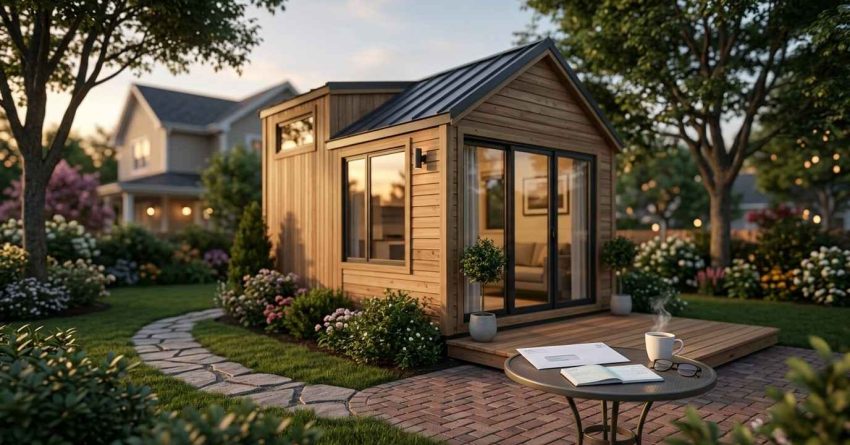
California is the only state currently offering direct cash grants of up to $40,000 to homeowners who build a tiny home or accessory dwelling unit (ADU) in their backyard. Several other states, including Vermont, Massachusetts, Oregon, and Washington, provide tax credits, rebates, or low-interest loans to encourage backyard housing. These programs aim to expand affordable housing while letting property owners earn rental income or house family members.
States That Offer Incentives for Backyard Tiny Homes
California leads the nation with the CalHFA ADU Grant Program, which reimburses up to $40,000 in pre-construction costs. Vermont, Massachusetts, Oregon, Washington, Colorado, and New Hampshire offer tax credits, fee waivers, or financing assistance for backyard ADUs and tiny homes. Each program has unique eligibility rules, but all share one goal: increasing housing supply through private backyard development.
California’s ADU Grant Program
California’s CalHFA program reimburses homeowners up to $40,000 for pre-development costs like site planning, permits, architectural drawings, soil testing, and impact fees. The grant targets low- and moderate-income households and applies to detached backyard units. Funding is limited and competitive, so applications often close quickly after each new round opens. Homeowners must work with approved lenders and meet income thresholds set by the California Housing Finance Agency.
Other States with ADU and Tiny Home Incentives
Vermont offers grants up to $50,000 through its Missing Middle Homeownership Program for qualifying ADUs. Massachusetts provides low-interest ADU loans, while Oregon and Washington waive system development charges in many cities. Colorado runs pilot ADU grant programs in Denver and Boulder. New Hampshire and Maine offer property tax exemptions on newly built accessory units. Local city programs in Seattle, Portland, and Minneapolis often add further rebates on top of state incentives.
Knowing which states pay is the first step. The bigger question is qualifying, which depends on local permit and zoning approval.
How Backyard Tiny Home Incentive Programs Actually Work
Most state programs reimburse costs rather than fund construction upfront. Homeowners apply through a state housing agency or approved lender, submit project plans, and receive funds after meeting permit and inspection milestones. Grants typically cover soft costs such as permits, design, and utility connections. Tax credit programs reduce annual property tax liability based on the assessed value of the new unit. Some states also pair grants with low-interest construction loans.
Eligibility, Permits, and Local Zoning Rules
Eligibility usually depends on owner-occupancy, income limits, and property zoning. The backyard tiny home must meet local building codes, setback rules, and minimum square footage requirements. Many states require the unit to be a permanent ADU on a foundation, not a movable tiny home on wheels. Always confirm zoning before applying.
What to Consider Before Building a Backyard Tiny Home
Incentives offset costs, but a backyard tiny home is still a major project. Average ADU construction runs $150 to $400 per square foot, depending on finishes and utility hookups. Plan for site preparation, plumbing, electrical, and HVAC connections. Rental income potential, resale value, and long-term maintenance also shape the return. Working with experienced contractors who handle professional tiny home construction helps avoid permit delays and costly rework.
Conclusion
California, Vermont, Oregon, Washington, Massachusetts, and Colorado lead the country in paying homeowners to build backyard tiny homes through grants, tax credits, and fee waivers.
As housing shortages grow, more states are expected to expand ADU incentives, giving homeowners and property managers new ways to add value, income, and flexibility to their properties.
Ready to add a backyard tiny home to your property? Mr. Local Services connects you with vetted local experts for permits, design, and construction. Start your project today.
Frequently Asked Questions
Which state pays the most for a backyard tiny home?
California currently pays the most, with grants of up to $40,000 through the CalHFA ADU Grant Program for qualifying low- and moderate-income homeowners.
Can I get paid to put a tiny home on wheels in my backyard?
Most state programs only fund permanent ADUs on foundations. Tiny homes on wheels usually do not qualify because they are classified as recreational vehicles.
Do I need a permit to build a backyard tiny home?
Yes. Every state and city requires building permits, zoning approval, and inspections. Permit costs are often reimbursable under state ADU grant programs.
Can I rent out a backyard tiny home for income?
Yes, most states allow long-term rentals of ADUs. Short-term rental rules vary by city, so always check local ordinances before listing the unit.
How long does it take to build a backyard tiny home?
Most backyard ADUs take 6 to 12 months from permit application to final inspection, depending on design complexity, contractor availability, and local approval timelines.