What adds the most value to a home are kitchen remodels, bathroom upgrades, roofing replacement, energy-efficient improvements, and strong curb appeal. These projects consistently deliver the highest return on investment because they improve daily livability, structural integrity, and buyer perception at the same time. For homeowners, landlords, and property managers, knowing which upgrades matter most makes maintenance budgets work harder and protects long-term property value across both residential and commercial properties.
The Home Improvements That Add the Most Value
The home improvements that add the most value are minor kitchen remodels, bathroom updates, roof replacement, new garage doors, and exterior refresh projects like siding and paint. These upgrades blend functional necessity with visible quality, which is why appraisers and buyers reward them most.
Smart upgrades focus on three pillars: function, condition, and appearance. When all three improve together, property value rises measurably. The right project depends on your home’s current condition, local market expectations, and how long you plan to own the property.
Kitchen Remodeling
Kitchen remodeling is consistently ranked as the single highest-impact upgrade. Buyers and tenants weigh the kitchen heavily, and outdated layouts, worn cabinets, or aging appliances directly reduce perceived value. A minor remodel, including refaced cabinets, new countertops, modern fixtures, and updated lighting, often returns more than a full gut renovation. Even targeted improvements like new flooring, fresh paint, and energy-efficient appliances refresh the space without overspending. Industry data from Remodeling Magazine’s Cost vs. Value Report shows minor kitchen remodels recoup roughly 96% of their cost. A professionally planned kitchen remodel protects both daily function and resale strength.
Bathroom Upgrades
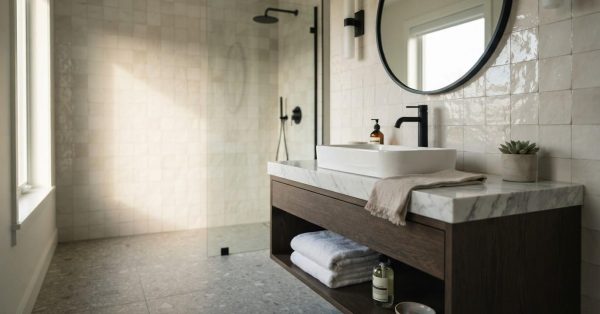
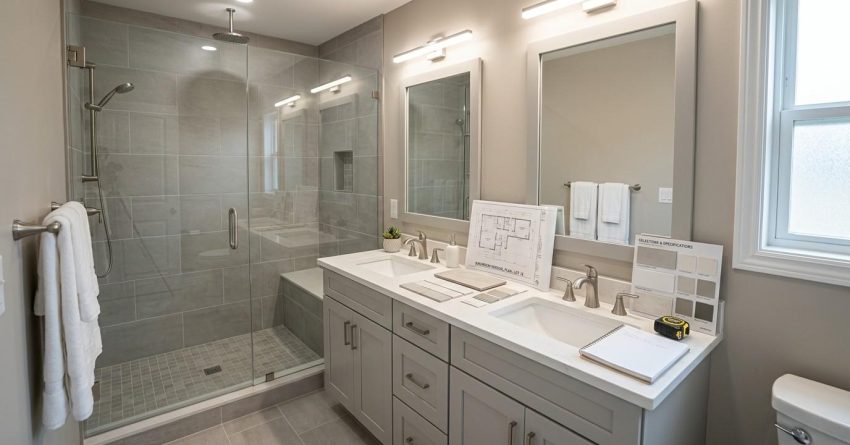
Bathroom upgrades follow kitchens as a top value driver. Updated vanities, modern tile, efficient toilets, walk-in showers, and improved lighting transform the space at a manageable cost. Adding a second bathroom in a home with only one delivers exceptional returns. Plumbing fixes, mold prevention, and proper ventilation also matter because hidden problems erode value quickly. Bathrooms must look clean, modern, and function flawlessly. Even small refreshes like regrouting, replacing faucets, and updating mirrors lift buyer confidence and tenant appeal across both residential and commercial properties.
Exterior and Structural Upgrades That Boost Property Value
The interior tells one half of the story. The exterior tells the rest, and a durable, well-installed roof is where structural value begins.
Roofing, Siding, and Curb Appeal
Roof replacement protects every other system in the home and is one of the first things buyers, inspectors, and insurers evaluate. A new roof signals that the property is well-maintained and reduces future risk. Siding repair, fresh exterior paint, and updated garage doors deliver some of the strongest ROI among all home projects. Landscaping, clean walkways, and a welcoming entry door elevate first impressions, which directly influence offer prices. Power washing, gutter maintenance, and exterior lighting are low-cost projects that visibly improve curb appeal and extend the life of exterior surfaces.
Smaller Projects With High Return on Investment
Not every value-adding project requires a major budget. Energy-efficient windows, HVAC tune-ups, smart thermostats, attic insulation, and updated electrical panels reduce operating costs and appeal to modern buyers. Refinished flooring, fresh interior paint in neutral tones, and improved lighting modernize a home affordably. Safety upgrades like updated locks, smoke detectors, and accessibility features add practical value that buyers and tenants notice immediately. Routine maintenance, including pest control, dryer vent cleaning, and plumbing inspections, prevents small issues from becoming costly repairs that quietly drain property value over time.
Conclusion
The improvements that add the most value combine function, condition, and appearance, with kitchens, bathrooms, roofing, and curb appeal leading the list.
For homeowners, landlords, and property managers, the smartest strategy blends high-ROI renovations with consistent maintenance, supported by full-service remodeling support that keeps every project on track.
We help you plan, prioritize, and complete every upgrade with skilled professionals. Contact Mr. Local Services today to protect and grow your property’s value.
Frequently Asked Questions
What single upgrade adds the most value to a home?
A minor kitchen remodel typically adds the most value because it improves daily function, modernizes appearance, and consistently delivers one of the highest returns on investment.
Does a new roof increase home value?
Yes. A new roof protects structural integrity, reassures buyers and inspectors, lowers insurance risk, and is considered one of the strongest value-preserving upgrades a homeowner can make.
Are bathroom remodels worth the cost?
Bathroom remodels are worth the cost when scoped correctly. Updated fixtures, lighting, tile, and ventilation increase appeal, prevent damage, and deliver strong returns at resale.
What low-cost projects add the most home value?
Fresh interior paint, new lighting, power washing, landscaping, refinished floors, and updated hardware deliver visible improvements that boost value with relatively small investments.
Do energy-efficient upgrades add value?
Yes. Energy-efficient windows, HVAC systems, insulation, and smart thermostats reduce utility costs, appeal to modern buyers, and add measurable long-term value to any property.