Tiny house living looks appealing on the surface, but the lifestyle carries real trade-offs that catch many homeowners off guard. Across the USA, property owners face strict zoning rules, limited space, utility challenges, and resale uncertainty. Understanding these drawbacks helps homeowners, landlords, and property managers decide whether a tiny home fits their long-term goals. This guide breaks down the biggest disadvantages clearly, so you can plan ahead and protect your investment with the right services and professional support.
The Biggest Disadvantages of Tiny House Living at a Glance
The biggest disadvantages of tiny house living include severe space limitations, restrictive zoning laws, complex utility hookups, lower resale value, and daily lifestyle adjustments. These challenges affect comfort, legal placement, and long-term property value, making professional planning essential before committing to a tiny home in the USA.
Tiny homes typically measure between 100 and 400 square feet, which creates immediate constraints on storage, appliances, and household routines. Many buyers underestimate how quickly small inconveniences add up over months and years. Beyond the interior, exterior factors matter too. Land ownership, building permits, and local ordinances often determine whether a tiny home is even legal where you want to place it. Since tiny home zoning rules vary by state, one location may welcome them while another classifies them as non-compliant structures, forcing owners to relocate or retrofit.
Severe Space and Storage Limitations
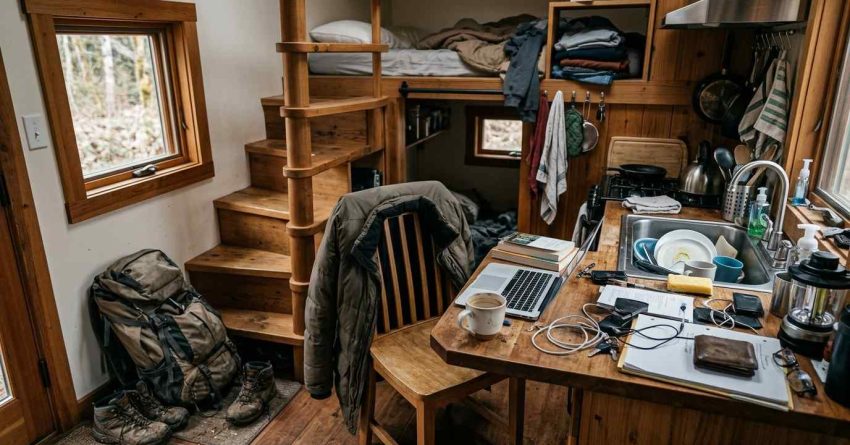
The most visible drawback is the lack of usable space. Storage becomes a daily puzzle. Standard furniture rarely fits, requiring custom-built or convertible pieces. Families with children, pets, or hobbies struggle most. Cooking, working from home, and entertaining guests all demand careful planning. Even routine cleaning becomes harder when every item must have a fixed place. Over time, this constant space management causes stress, especially during cold months when outdoor extensions are unusable.
Zoning Laws and Legal Restrictions in the USA
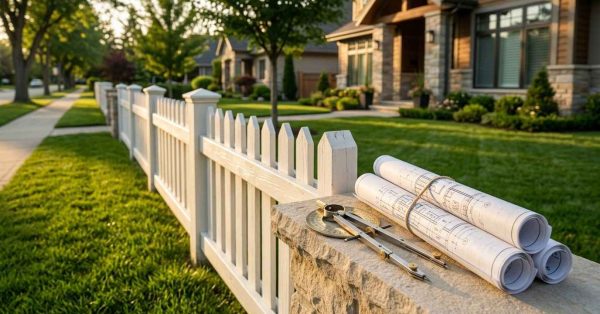
Zoning is the single biggest legal barrier. Many municipalities require minimum square footage for permanent dwellings, often 400 square feet or more, excluding most tiny homes. Some areas only allow tiny homes on wheels classified as RVs, restricting full-time residency. Building codes, septic regulations, and HOA rules further limit placement. Property managers and landlords must verify local ordinances before adding tiny homes to rental portfolios to avoid fines or forced removal.
Daily Life Challenges Tiny House Owners Face
Beyond legal hurdles, daily living introduces practical problems that require specialized HVAC and plumbing setups and ongoing professional support to manage effectively.
Plumbing, HVAC, and Utility Constraints
Tiny homes use compact plumbing systems, composting toilets, or RV-style hookups that differ from traditional residential setups. Hot water capacity is limited. HVAC sizing is critical because oversized units waste energy while undersized ones fail in extreme weather. Electrical loads must be balanced carefully to prevent breaker trips. These systems require skilled technicians familiar with small-space installations. Routine maintenance, winterization, and repairs happen more often than in standard homes, increasing service demand year-round.
Relationship Strain and Lifestyle Adjustments
Living in close quarters tests relationships. Couples, families, and roommates report increased friction over noise, privacy, and shared chores. Personal time becomes harder to find. Hosting visitors is limited, and remote work setups compete with everyday living areas. The lifestyle suits minimalists but frustrates those used to private rooms, hobbies that need space, or larger gatherings. Many owners eventually upsize after one or two years, citing burnout from constant adjustment.
Financial and Resale Drawbacks to Consider
Financing a tiny home is harder than financing a traditional house. Most banks classify them as personal property or RVs, leading to shorter loan terms and higher interest rates. Resale value depreciates faster, especially for mobile units. Insurance options are limited, and appraisals are inconsistent. Maintenance costs, though smaller per item, accumulate quickly because custom parts and skilled labor cost more per square foot. A consistent year-round maintenance routine helps protect long-term value and avoids costly emergency repairs.
Conclusion
The biggest disadvantages of tiny house living include space limits, zoning barriers, utility complexity, lifestyle strain, and weaker resale value. Each factor demands careful planning before purchase.
For homeowners, landlords, and property managers across the USA, success depends on choosing skilled professionals who understand the unique demands of compact living and small-structure maintenance.
We connect you with trusted experts for every need. Contact Mr. Local Services today to plan, maintain, or upgrade your tiny home with confidence.
Frequently Asked Questions
Are tiny houses legal everywhere in the USA?
No. Tiny home legality depends on state, county, and city zoning laws. Many areas restrict permanent residency, classify them as RVs, or enforce minimum square footage rules.
How long do tiny houses typically last?
Well-built tiny homes last 20 to 30 years with proper maintenance. Mobile units wear faster due to road travel, while foundation-based tiny homes match traditional construction lifespans.
Do tiny houses lose value over time?
Yes, most tiny homes depreciate, especially mobile units classified as personal property. Foundation-built tiny homes on owned land hold value better but still trail traditional houses.
What utilities are hardest to set up in a tiny house?
Plumbing, septic, and HVAC are the most difficult. Hookups depend on land type, local codes, and whether the home is stationary or mobile, often requiring licensed professionals.
Can families comfortably live in tiny houses?
Families with young children manage short-term, but space, privacy, and storage limits create long-term strain. Most families outgrow tiny homes within two to four years.