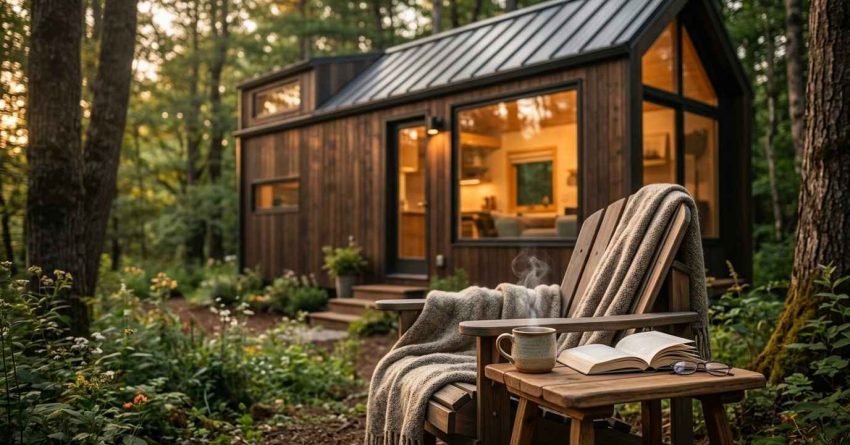
Yes, living in a tiny house is worth it for people who value lower costs, simpler upkeep, and intentional living, but it is not the right fit for everyone. The decision depends on your finances, lifestyle, family size, and long-term goals. For many homeowners across the USA, a tiny house offers freedom from large mortgages and high utility bills. For others, the space limits and zoning rules outweigh the savings.
Is It Really Worth Living in a Tiny House?
A tiny house is worth it when the financial savings, reduced maintenance, and minimalist lifestyle align with your personal goals. Most tiny homes cost $30,000 to $80,000, far less than the average American house. Lower utility bills, smaller property taxes, and easier cleaning add measurable value over time.
Financial Benefits That Make It Worth It
The cost advantage is the strongest reason people choose tiny living. Mortgage payments shrink or disappear entirely. Utility bills drop because heating, cooling, and lighting a small space requires far less energy. Property taxes are lower, and insurance premiums often follow. Many owners pay off their tiny home in under ten years, freeing income for travel, savings, or early retirement planning.
Lifestyle Trade-Offs to Consider
Smaller square footage means fewer belongings, less privacy, and tighter daily routines. Couples and families must communicate clearly about shared space. Storage demands creative solutions, and hosting guests becomes difficult. The simplicity feels freeing for some and confining for others. Honest reflection on your habits, hobbies, and household size is essential before committing.
The financial math answers part of the question. The deeper answer depends on building a tiny home that fits your lifestyle and matches local zoning, climate, and long-term plans.
When a Tiny House Makes the Most Sense
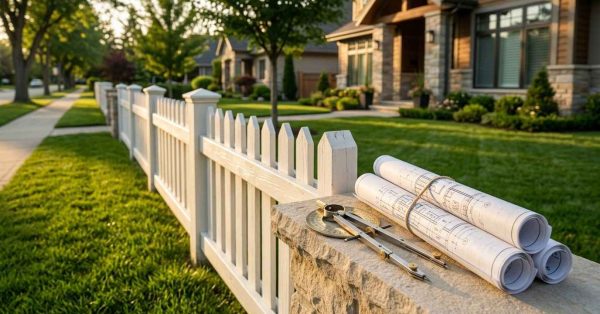
Tiny living works best for individuals, couples, retirees, and remote workers who want flexibility without a heavy mortgage. It also fits homeowners adding a backyard unit for rental income or aging parents. Climate, land access, and local building codes shape feasibility. States with flexible accessory dwelling unit laws make tiny living far easier than restrictive municipalities.
Best Candidates for Tiny Living
Strong candidates include minimalists, frequent travelers, first-time buyers priced out of traditional homes, and property owners seeking passive income. Retirees often downsize into tiny homes to reduce maintenance and free up equity. Remote professionals benefit from mobility, especially with tiny homes on wheels. The lifestyle rewards those who plan carefully and adapt willingly.
Hidden Costs and Maintenance Realities
Tiny does not mean cost-free. Land purchase, utility hookups, permits, and custom builds can push total investment well above sticker price. Ongoing upkeep and small repairs still apply, often more frequently because compact systems wear faster. Specialized climate control in small spaces requires correctly sized units to avoid moisture and efficiency problems. Plumbing, roofing, and electrical work all need professional attention to protect long-term value.
Conclusion
Living in a tiny house is worth it when the savings, simplicity, and freedom align with your priorities and your property setup supports it. The choice rewards intentional planning over impulse decisions.
For homeowners across the USA, tiny living can deliver real value when paired with reliable service support, smart maintenance, and clear long-term planning.
We help you make confident decisions and connect with trusted professionals. Contact Mr. Local Services today to plan, maintain, or improve your tiny home with expert care.
Frequently Asked Questions
How much does it cost to live in a tiny house monthly?
Monthly costs typically range from $500 to $1,500, covering utilities, insurance, land rent or taxes, and basic maintenance, depending on location and lifestyle choices.
Is a tiny house a good long-term investment?
Tiny houses hold value when built well and placed on owned land. Mobile units may depreciate faster, similar to recreational vehicles, without proper upkeep.
Can a family of four live comfortably in a tiny house?
Yes, with careful design, loft sleeping areas, and strong organization habits. However, most families find 400 to 600 square feet more practical than ultra-small builds.
Do tiny houses require special maintenance?
Yes, compact plumbing, HVAC, and roofing systems wear faster and need routine inspection. Regular professional maintenance prevents costly repairs and protects long-term livability.
Are tiny houses legal everywhere in the USA?
No, zoning laws vary by city and state. Some areas allow tiny homes as accessory dwelling units, while others restrict minimum square footage requirements.