
Choosing between a sewer connection and a septic system is one of the most consequential decisions a homeowner or property manager can make — and the right answer depends entirely on your property’s location, lot size, soil conditions, and local regulations.
Most properties in the USA are already connected to one system or the other, but millions of homeowners are unsure which they have, what it requires, and when professional service is needed.
This guide walks through a clear sewer vs septic decision tree, covering how each system works, the key factors that determine your options, what each system costs to maintain, and exactly when to call a licensed plumbing professional.
What Is the Difference Between a Sewer and a Septic System?
A sewer system and a septic system both manage household wastewater, but they do it in fundamentally different ways. Understanding that difference is the starting point for every decision that follows.
How a Municipal Sewer System Works
A municipal sewer system connects your home to a network of underground pipes managed by your local government or utility provider. Wastewater flows from your home through a lateral line into the main sewer line, where it travels to a centralized treatment facility. The utility handles all treatment and disposal. As a homeowner, your responsibility ends at the property line — you maintain the lateral line from your home to the connection point, and the municipality handles everything beyond it.
Sewer connections are common in urban and suburban areas where population density makes centralized treatment cost-effective. Monthly sewer fees are billed by the utility, typically alongside water charges.
Understanding the full range of residential plumbing solutions — from lateral line maintenance to fixture upgrades — is essential for any property owner connected to a municipal system. Our plumbing services guide covers everything from routine maintenance to complex system installations, helping you stay ahead of problems before they escalate.
How a Septic System Works
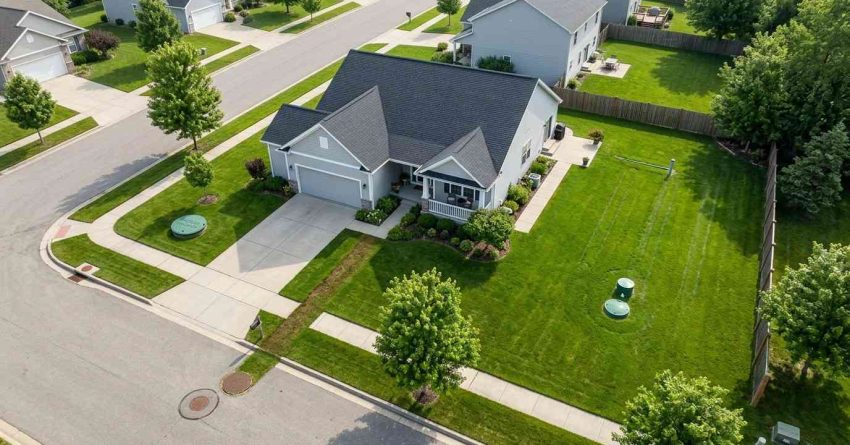
A septic system is a self-contained, on-site wastewater treatment system. Wastewater from your home flows into an underground septic tank, where solids settle to the bottom and liquids flow out into a drain field — also called a leach field — where the soil naturally filters and absorbs the effluent.
Septic systems are common in rural and semi-rural areas where municipal sewer infrastructure does not reach. The entire system sits on your property, and you are fully responsible for its maintenance, pumping, and repair. A properly maintained septic system can last 25 to 40 years. A neglected one can fail in under a decade.
How to Use This Sewer vs Septic Decision Tree
This decision tree is designed to help homeowners, landlords, and property managers quickly identify which system applies to their property and what steps to take next. Work through each question in order.
Key Questions That Guide Your Decision
Question 1: Is your property inside a municipality or city limits? If yes, you are likely connected to a municipal sewer system. Confirm by checking your utility bill for a sewer service charge.
Question 2: Do you pay a monthly sewer fee on your utility bill? If yes, you are on a municipal sewer system. If no sewer charge appears, you likely have a septic system.
Question 3: Is there a concrete or plastic tank buried in your yard? If yes, you have a septic system. Tanks are typically located 10 to 25 feet from the home and can be located by a professional if you are unsure.
Question 4: Did your home purchase documents include a septic inspection report? If yes, review it for tank size, drain field location, and last pump date. This document is your baseline for ongoing maintenance planning.
Question 5: Are you purchasing a property in a rural area with no sewer connection available? If yes, a septic system will be required. Soil testing and a percolation test will determine whether your lot can support one and what type is permitted.

Factors That Determine Which System You Have or Need
Several property-specific factors determine whether a sewer connection or septic system is feasible, required, or preferable.
Property Location and Municipal Access
The single most important factor is whether municipal sewer infrastructure exists near your property. In densely populated areas, sewer connections are standard and often required by local code. In rural areas, septic systems are the default because running sewer lines to low-density properties is not cost-effective for municipalities.
If you are purchasing land or a newly built home, check with your county planning department to confirm whether sewer access is available and whether connection is mandatory.
Lot Size and Soil Conditions
Septic systems require adequate land area for a drain field and a reserve area in case the primary field fails. Minimum lot sizes vary by state and county, but most jurisdictions require at least half an acre for a standard septic installation.
Soil permeability is equally critical. A percolation test — commonly called a perc test — measures how quickly soil absorbs water. Soil that drains too fast or too slowly cannot support a conventional septic system. In those cases, alternative systems such as mound systems or aerobic treatment units may be required, each with different cost and maintenance profiles.
Local Regulations and Permit Requirements
Every state and county has its own rules governing septic system installation, sizing, setback distances from wells and property lines, and inspection requirements. Some jurisdictions require mandatory connection to municipal sewer when it becomes available within a certain distance of your property. Others offer exemptions for existing septic systems in good working order.
Before making any decision about installing, replacing, or switching systems, consult your local health department or building authority. Permits are required for all new installations and most major repairs.
Our sewer and septic services team handles inspections, installations, and repairs for both system types — and can help you navigate local permit requirements from the start.

Sewer vs Septic — Costs, Maintenance, and Long-Term Value
Cost and maintenance requirements differ significantly between the two systems, and both factors affect long-term property value.
Ongoing Maintenance Requirements
Municipal sewer: Your primary maintenance responsibility is the lateral line connecting your home to the main sewer. Roots, grease buildup, and pipe deterioration are the most common issues. Annual inspections are recommended for older homes. Costs are generally lower than septic maintenance because the treatment infrastructure is shared.
Septic system: Septic systems require regular pumping — typically every three to five years depending on household size and tank capacity. The drain field must be protected from compaction, chemical damage, and overloading. Additives marketed to reduce pumping frequency are not a substitute for professional service. Neglecting a septic system does not save money — it accelerates failure and dramatically increases repair costs.
A failing septic system or a blocked sewer line can escalate quickly into a serious property emergency. Our water damage restoration team responds fast to protect your property from contamination and structural harm when wastewater systems fail.
Cost Comparison Over Time
| Cost Factor | Municipal Sewer | Septic System |
| Monthly utility fee | $30–$100/month | None |
| Routine pumping | None | $300–$600 every 3–5 years |
| Lateral line repair | $1,000–$5,000 | N/A |
| Drain field repair | N/A | $2,000–$20,000+ |
| Full system replacement | N/A | $10,000–$30,000+ |
| Connection fee (new) | $5,000–$20,000+ | N/A |
Neither system is universally cheaper. Sewer connections carry predictable monthly costs. Septic systems have lower recurring costs but carry higher risk of large, unexpected repair bills when maintenance is deferred.
When to Call a Plumbing Professional
Some sewer and septic issues are obvious — sewage backing up into drains, foul odors near the tank or drain field, or unusually lush green patches of grass over the leach field. Others develop slowly and go unnoticed until they become expensive.
Call a licensed plumbing professional immediately if you notice:
- Slow drains throughout the home (not isolated to one fixture)
- Gurgling sounds from toilets or drains
- Sewage odors inside or outside the home
- Wet or soggy ground near the septic tank or drain field
- Sewage backup in basement drains or floor drains
Do not attempt to open a septic tank yourself. Septic tanks contain toxic gases that can be fatal. All inspection, pumping, and repair work must be performed by a licensed professional.
For smaller plumbing concerns that do not require a licensed plumber — such as fixture replacements or minor drain issues — our handyman repair services provide a cost-effective solution for everyday property maintenance needs.
Whether you need a routine checkup or suspect a serious problem, scheduling a septic system inspection with a qualified professional is the most reliable way to protect your home’s wastewater infrastructure before small issues become costly repairs.
If you are considering switching from a septic system to a municipal sewer connection, a how to connect your home to a municipal sewer system guide can walk you through the permit process, connection costs, and what to expect during installation.
Conclusion
Sewer and septic systems serve the same purpose but operate in completely different ways, with different maintenance demands, cost structures, and regulatory requirements. Knowing which system your property uses — and what it needs — is foundational to responsible property ownership.
Both systems require professional attention at key intervals, and deferred maintenance on either one creates serious risk to your property and your investment.
At Mr. Local Services, our plumbing professionals are ready to inspect, service, and repair both sewer and septic systems — giving you clear answers and dependable solutions when your property needs them most.
Frequently Asked Questions
How do I know if my home uses a sewer or septic system?
Check your monthly utility bill for a sewer service charge. If no sewer fee appears, your home likely uses a septic system. You can also check your property’s inspection records or contact your local municipality to confirm which system serves your address.
Can I switch from a septic system to a municipal sewer?
Yes, in most cases, but only if municipal sewer infrastructure is available near your property. The process requires permits, a licensed contractor, and a connection fee that typically ranges from $5,000 to $20,000 or more depending on your location and the distance to the main sewer line.
How often does a septic tank need to be pumped?
Most septic tanks should be pumped every three to five years, depending on tank size and the number of people in the household. A licensed septic professional can assess your system and recommend a pumping schedule based on your specific usage and tank capacity.
What happens if I connect to the wrong system or ignore maintenance?
Ignoring maintenance on either system leads to backups, drain field failure, or sewer line damage — all of which are costly to repair and can create health hazards. Connecting incorrectly or making unauthorized modifications can also result in code violations, fines, and mandatory remediation at your expense.
Is a septic system or sewer connection better for property value?
Neither system is universally better for property value. Buyers in rural areas expect septic systems and factor maintenance history into their offers. In urban and suburban markets, sewer connections are preferred because they eliminate the risk of septic failure. A well-maintained septic system with documented service records is far more valuable than a neglected one.