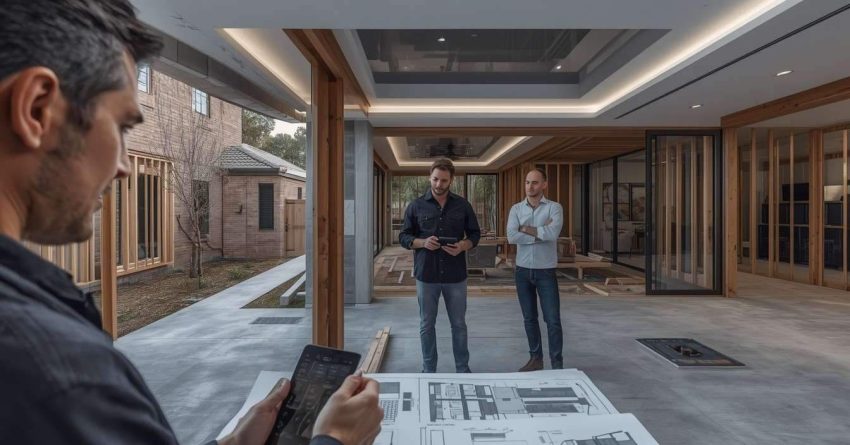
Pre-wiring a home typically costs between $1,500 and $8,000, depending on the size of the structure, the number of circuits required, the type of systems being installed, and local labor rates. For new construction, costs tend to fall on the lower end per square foot because walls are open and accessible. Renovation projects often run higher due to the added complexity of working around existing structures.
Understanding what drives these numbers helps you plan your budget before the first wire is pulled. This guide breaks down every major cost factor, average pricing by project type, and practical steps to get the most value from your pre-wiring investment.
What Is Pre-Wiring and Why Does It Matter?
Pre-wiring is the process of installing electrical wiring, conduit, and low-voltage cabling inside walls, ceilings, and floors before drywall or finishing materials are applied. It is completed during the rough-in phase of construction or renovation, when the structural framing is exposed and accessible.
The purpose of pre-wiring is to establish the electrical and data infrastructure a home needs before it is sealed up. This includes standard power circuits for outlets and lighting, as well as low-voltage systems for internet, cable, audio, security cameras, and smart home devices. Doing this work at the rough-in stage is significantly less expensive than retrofitting wiring after walls are closed.
Pre-wiring is not the same as a final electrical installation. It covers the routing and placement of wire runs, junction boxes, and conduit pathways. The final connections, panel hookups, and device installations happen in a separate phase once drywall is complete.
Pre-wiring is one component of a broader electrical scope — our electrical services guide covers every phase of residential and commercial electrical work, from panel upgrades to outlet installation, so you can plan your full project with confidence.
Key Factors That Affect Pre-Wiring Cost
No two pre-wiring projects are priced the same. Several variables combine to determine the final estimate, and understanding each one helps you evaluate quotes accurately.
Home Size and Square Footage
Larger homes require more wire, more circuits, and more labor hours. A 1,000-square-foot home may need 20 to 30 circuits, while a 3,000-square-foot home can require 50 or more. Most electricians price pre-wiring at a per-square-foot rate ranging from $1.50 to $4.00, though this varies by region and project complexity.
Number of Circuits and Outlets
Each circuit adds material and labor cost. Dedicated circuits for appliances such as refrigerators, dishwashers, HVAC systems, and electric vehicle chargers are priced separately from general-purpose circuits. The more outlets, switches, and dedicated lines specified in the plan, the higher the total cost.
Type of Wiring and Materials Used
Standard residential wiring uses non-metallic sheathed cable (commonly called Romex). Projects requiring conduit, armored cable, or specialized low-voltage cabling for smart home systems will cost more in materials. Copper wire prices fluctuate with commodity markets, which can affect estimates from one quarter to the next.
Labor Rates and Regional Pricing
Electrician labor rates vary significantly by location. In major metropolitan areas, licensed electricians typically charge $75 to $150 per hour. In rural or lower-cost markets, rates may fall between $50 and $90 per hour. Labor typically accounts for 40 to 60 percent of the total pre-wiring cost. For smaller pre-wiring tasks that fall outside a licensed electrician’s scope, understanding handyman service costs can help you allocate your budget more accurately across the full project.
Average Pre-Wiring Cost by Project Type
The type of project you are undertaking has a significant impact on what you will pay. Below are typical cost ranges for the three most common pre-wiring scenarios.
New Construction Pre-Wiring
New construction is the most cost-efficient time to pre-wire a home. Because walls are open during framing, electricians can route wire quickly without obstruction. Average costs for new construction pre-wiring range from $3 to $5 per square foot, or roughly $3,000 to $15,000 for a standard single-family home. This typically includes all standard circuits, outlet boxes, switch locations, and panel rough-in.
Home Addition or Renovation Pre-Wiring
Adding an addition or renovating an existing space introduces more complexity. Electricians must tie new wiring into the existing panel, navigate around insulation and existing framing, and sometimes open finished walls to run new circuits. Costs for renovation pre-wiring typically run 20 to 40 percent higher than equivalent new construction work, ranging from $4 to $7 per square foot depending on access difficulty.
Smart Home and Low-Voltage Pre-Wiring
Smart home systems, structured wiring for audio and video, security camera networks, and whole-home networking require low-voltage cabling in addition to standard electrical circuits. This work is often performed by a separate low-voltage contractor alongside the licensed electrician. Low-voltage pre-wiring adds $500 to $3,000 or more to a project, depending on the number of devices, zones, and cable runs specified. Low-voltage and smart home systems require a different planning approach than standard electrical circuits — our dedicated on smart home wiring options walks through device compatibility, wire routing, and cost considerations for connected home builds.
What Is Included in a Pre-Wiring Quote?
A detailed pre-wiring quote should itemize every component of the work so you can compare bids accurately. A complete quote typically includes:
- Wire and cable materials (type, gauge, and quantity)
- Electrical boxes, brackets, and mounting hardware
- Conduit or cable protection where required by code
- Labor for wire routing, stapling, and box installation
- Panel rough-in and circuit labeling
- Low-voltage rough-in if applicable
- Permit fees and inspection coordination
Some contractors include permit costs in their quote; others list them separately. Always confirm whether the permit is included before signing a contract. Permit fees for electrical work typically range from $50 to $500 depending on the jurisdiction and project scope.
Pre-wiring quotes are often bundled into larger renovation scopes, and understanding what your contractor includes is easier when you know how home remodeling services are typically structured and priced.
Pre-Wiring vs. Rewiring: Understanding the Difference
Pre-wiring and rewiring are related but distinct services, and confusing the two can lead to significant budget miscalculations.
Pre-wiring applies to new construction or open-wall renovation projects where no existing wiring is in place. The electrician is installing wire runs from scratch in an accessible space.
Rewiring applies to existing homes where outdated, damaged, or insufficient wiring needs to be replaced. This work is more invasive because walls must be opened, old wiring removed, and new wiring installed in a finished structure. Rewiring a full home typically costs $8,000 to $20,000 or more, depending on home size and the extent of the work.
If your home requires more than pre-wiring — particularly in older structures with outdated wiring — our rewiring cost breakdown explains what full rewiring involves, how it differs from pre-wiring, and what to budget for each scenario.
How to Reduce Pre-Wiring Costs Without Cutting Corners
Pre-wiring is not an area where cutting corners pays off. Undersized panels, insufficient circuits, and poor wire routing create expensive problems after walls are closed. That said, there are legitimate ways to manage costs without compromising quality.
Plan thoroughly before work begins. Every change order after rough-in starts adds cost. Finalizing your outlet locations, circuit requirements, and smart home plans before the electrician arrives eliminates expensive mid-project adjustments.
Bundle pre-wiring with other rough-in trades. Scheduling your electrician, plumber, and HVAC contractor to work in overlapping phases reduces mobilization costs and keeps the project timeline tight.
Get at least three quotes. Pre-wiring pricing varies between contractors. Comparing itemized bids helps you identify outliers and negotiate from an informed position.
Avoid over-specifying for your current needs, but plan for future capacity. Installing a larger panel and running conduit for future circuits costs far less during rough-in than adding capacity later.
Working with licensed electrical contractors from the start is the most reliable way to avoid costly rework — our electrical services outlines what to look for when hiring and how to compare quotes effectively.
When to Schedule Pre-Wiring During a Build or Renovation
Timing is critical in pre-wiring. The electrical rough-in must be completed and inspected before insulation is installed and drywall begins. Missing this window means opening finished walls later, which adds significant cost and disruption.
In new construction, pre-wiring typically follows framing and rough plumbing. The general contractor coordinates the sequence, but it is worth confirming the schedule directly with your electrician to ensure permit applications are submitted early enough to avoid inspection delays.
In renovation projects, pre-wiring should be scheduled immediately after demolition and before any new framing or blocking is added. If your renovation involves a permit, the electrical rough-in inspection must be passed before the project can proceed to insulation and drywall.
Coordinating pre-wiring with your broader build timeline is a critical scheduling step — our renovation planning guide explains how to sequence trades, manage inspections, and keep your project on track from framing through finish.
Conclusion
Pre-wiring cost estimates depend on home size, circuit count, material choices, and regional labor rates — with most residential projects falling between $1,500 and $8,000 for standard electrical scope.
Planning your pre-wiring during the rough-in phase, bundling it with other trades, and working from a detailed quote protects your budget and prevents costly rework after walls are closed.
At Mr. Local Services, our licensed electrical professionals provide transparent pre-wiring estimates, coordinate with your build schedule, and deliver quality workmanship that keeps your project on time and on budget — contact us today to get started.
Frequently Asked Questions
How much does pre-wiring cost per square foot?
Pre-wiring typically costs between $1.50 and $5.00 per square foot for residential projects. New construction falls on the lower end of this range, while renovation work with limited wall access runs higher due to added labor complexity.
Is a permit required for pre-wiring?
Yes, in most jurisdictions a permit is required for electrical rough-in work, including pre-wiring. Your licensed electrician should pull the permit and coordinate the required inspection before drywall installation begins.
How long does pre-wiring take to complete?
A standard single-family home typically takes one to three days to pre-wire, depending on size and complexity. Larger homes or projects with extensive smart home and low-voltage systems may require additional time.
Can I pre-wire my own home to save money?
Electrical rough-in work requires a licensed electrician in most states and must pass a code inspection. Unlicensed electrical work can void homeowner’s insurance, fail inspection, and create serious safety hazards. Hiring a licensed professional is strongly recommended.
What is the difference between pre-wiring and rough-in electrical?
Pre-wiring and rough-in electrical refer to the same phase of work. Both describe the installation of wire runs, boxes, and conduit before walls are closed. The terms are used interchangeably in the construction industry.
Does pre-wiring include the electrical panel?
Pre-wiring typically includes routing circuits to the panel location and labeling circuit runs, but the final panel installation and breaker connections are completed during the trim-out phase after drywall. Confirm with your contractor exactly what each phase covers.
How do I know if my pre-wiring quote is reasonable?
A reasonable quote will itemize materials, labor, permit fees, and any specialty systems separately. Compare at least three bids from licensed electricians, verify that permit costs are included, and confirm the scope covers all circuits and systems specified in your plans.