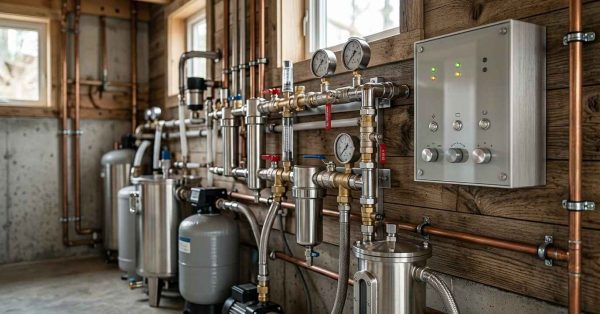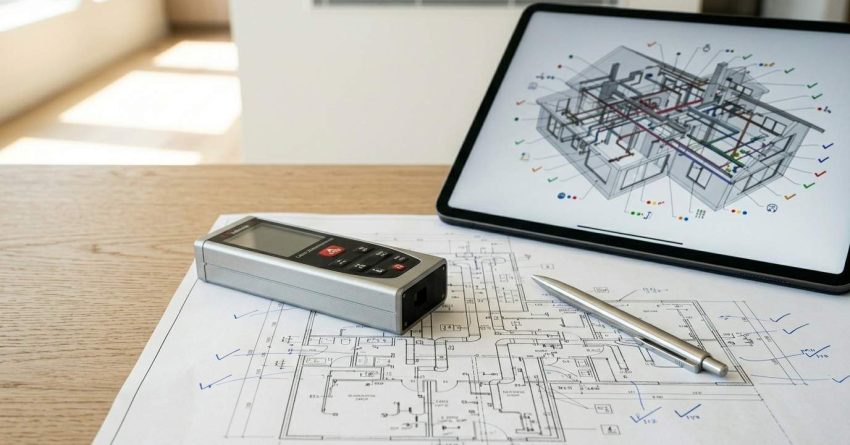
A complete MEP punch list covers every mechanical, electrical, and plumbing item that must be verified, corrected, and signed off before a construction or renovation project officially closes. Missing even one item can delay occupancy, trigger failed inspections, or create costly repairs after handover. This checklist gives property owners, contractors, and project managers a structured, trade-by-trade reference to confirm every system is installed correctly, operating as designed, and documented for the record.
Use this checklist during your final walkthrough to catch deficiencies before they become disputes. Each section is organized by trade so your team can work through mechanical, electrical, and plumbing items independently or in sequence.
What Is an MEP Punch List?
An MEP punch list is a formal record of incomplete, defective, or non-conforming work across the mechanical, electrical, and plumbing trades that must be resolved before a project reaches substantial completion. It is generated during the final inspection phase, typically after rough-in and finish work are complete but before the owner takes possession.
The punch list documents specific items by location, trade, and required corrective action. Each item stays open until the responsible contractor completes the fix and a qualified inspector or project manager verifies and signs off. An MEP punch list is one component of a broader property care strategy — our home maintenance services guide explains how mechanical, electrical, and plumbing systems fit into a complete property upkeep plan.
Mechanical Punch List Items
The mechanical trade covers HVAC equipment, ductwork, piping, insulation, and building controls. Every item below must be verified before mechanical sign-off.
HVAC Equipment and Ductwork
- All HVAC units installed per approved plans and manufacturer specifications
- Ductwork sealed, supported, and free of visible damage or gaps
- Supply and return registers installed, open, and unobstructed
- Airflow balanced across all zones and rooms
- Filters installed and sized correctly for each unit
- Condensate drain lines pitched correctly and tested for flow
- Outdoor condenser units level, secured, and clear of debris
Piping, Valves, and Insulation
- All mechanical piping pressure-tested and leak-free
- Shutoff valves installed at all required locations and operable
- Pipe insulation complete, continuous, and properly secured
- Expansion tanks installed and pre-charged to specification
- Refrigerant lines insulated and protected from physical damage
Mechanical Controls and Commissioning
- Thermostats and building controls installed, programmed, and tested
- All equipment labeled with system identification and zone assignment
- Startup documentation and commissioning reports on file
- Manufacturer warranties and equipment manuals submitted to owner
Verifying HVAC performance is one of the most critical mechanical punch list steps — our HVAC inspection services outlines what a professional technician checks during a full system review, from airflow balance to thermostat calibration.
Electrical Punch List Items
The electrical trade covers panels, wiring, devices, fixtures, and safety systems. Confirm every item below before electrical sign-off.
Panels, Wiring, and Breakers
- Main panel and subpanels installed per approved drawings
- All breakers labeled accurately and matched to circuits
- No open knockouts in panels or junction boxes
- All wiring connections tight, properly terminated, and insulated
- Panel directory complete, legible, and permanently attached
Outlets, Switches, and Fixtures
- All outlets, switches, and covers installed and flush to wall surface
- GFCI protection installed in all required locations (kitchens, baths, exterior, garages)
- AFCI breakers installed per code requirements
- All light fixtures installed, operational, and correct per specifications
- Dimmer switches compatible with installed fixtures and functioning correctly
Safety Systems and Grounding
- Smoke detectors installed in all required locations and tested
- Carbon monoxide detectors installed per code and tested
- Emergency lighting and exit signs operational
- Grounding and bonding complete and verified
- All electrical work permitted and inspection records on file
Every electrical punch list item should be verified by a licensed electrician — our electrical safety inspection details what a qualified professional examines, from panel labeling to ground fault protection
Plumbing Punch List Items
The plumbing trade covers supply lines, drains, vents, fixtures, and water heating equipment. Verify every item below before plumbing sign-off.
Supply Lines and Shutoff Valves
- All supply lines pressure-tested and confirmed leak-free
- Individual shutoff valves installed at every fixture
- Main water shutoff accessible, labeled, and fully operational
- Water pressure tested and within acceptable range (typically 40–80 PSI)
- Hot and cold lines correctly identified and connected at all fixtures
Drains, Vents, and Traps
- All drain lines sloped correctly and flowing without obstruction
- P-traps installed at every fixture and free of leaks
- Vent stack penetrations sealed at roof level
- No standing water in drain lines after flush testing
- Cleanouts installed and accessible at required locations
Fixtures, Connections, and Water Heaters
- All sinks, toilets, tubs, and showers installed, sealed, and operational
- Toilet flush and fill mechanisms functioning correctly with no running water
- Water heater installed per manufacturer specs, temperature set correctly, and TPR valve tested
- Dishwasher and appliance connections leak-free and secured
- All plumbing work permitted and inspection records on file
Confirming leak-free connections and proper drainage is essential before any project closes out — our plumbing system inspection covers what a licensed plumber verifies during a final walkthrough.
Final Inspection and Sign-Off Checklist
The final inspection phase confirms that all punch list items across every trade have been corrected, tested, and documented. This stage protects both the contractor and the property owner.
Documentation and As-Built Records
- As-built drawings updated to reflect all field changes
- All permits closed and final inspection certificates on file
- Equipment manuals, warranties, and startup reports submitted to owner
- Commissioning reports for all mechanical and electrical systems on file
- Subcontractor lien waivers collected for all MEP trades
Contractor Sign-Off and Owner Walkthrough
- All open punch list items resolved and verified by project manager
- Owner walkthrough completed with written acknowledgment of completion
- Training provided to owner or facility manager on all MEP systems
- Spare parts, filters, and consumables delivered and inventoried
- Contact information for all MEP subcontractors provided to owner
For smaller punch list corrections that fall outside a single trade, a skilled handyman can address multiple items in one visit — our handyman punch list help explains the scope of work a handyman can complete during a final walkthrough.
Common MEP Punch List Mistakes to Avoid
Even experienced teams miss items when working under deadline pressure. These are the most frequent MEP punch list errors that delay sign-off or create post-occupancy problems.
- Skipping pressure tests on plumbing or mechanical piping before walls are closed
- Failing to verify GFCI and AFCI protection in all code-required locations
- Leaving panel directories incomplete or inaccurate
- Not confirming condensate drain flow before HVAC commissioning sign-off
- Missing TPR valve testing on water heaters
- Submitting incomplete as-built documentation at closeout
- Failing to train the owner or facility manager on system operation
Avoiding punch list errors starts with a structured approach to property care — our property maintenance planning guide provides a framework for keeping mechanical, electrical, and plumbing systems in compliance year-round.
Conclusion
An MEP punch list master checklist ensures every mechanical, electrical, and plumbing system is verified, corrected, and documented before project closeout. Structured trade-by-trade review prevents missed items and protects all parties at handover.
Contact Mr. Local Services to connect with licensed mechanical, electrical, and plumbing professionals who can complete your final inspection, resolve open punch list items, and get your project signed off on schedule.
Frequently Asked Questions
What does MEP stand for in a punch list?
MEP stands for Mechanical, Electrical, and Plumbing. An MEP punch list documents all incomplete or defective work across these three trades that must be corrected before a construction or renovation project reaches final sign-off.
Who is responsible for completing MEP punch list items?
Each trade contractor is responsible for correcting deficiencies in their own scope of work. The general contractor or project manager tracks all open items, verifies corrections, and coordinates the final sign-off walkthrough with the owner.
How long does it take to complete an MEP punch list?
Completion time depends on the number and complexity of open items. Minor punch lists on small projects may close in one to three days. Larger commercial projects with extensive MEP systems can take one to four weeks to fully resolve and document.
Can a homeowner use an MEP punch list for a renovation project?
Yes. Homeowners renovating kitchens, bathrooms, or adding mechanical systems can use an MEP punch list to verify contractor work before final payment. It provides a structured way to confirm every system is installed correctly and all permits are closed.
What happens if MEP punch list items are not resolved before occupancy?
Unresolved MEP items can result in failed final inspections, delayed certificates of occupancy, safety hazards, and disputes over contractor payment. Addressing all items before occupancy protects the property owner and ensures systems operate safely from day one.