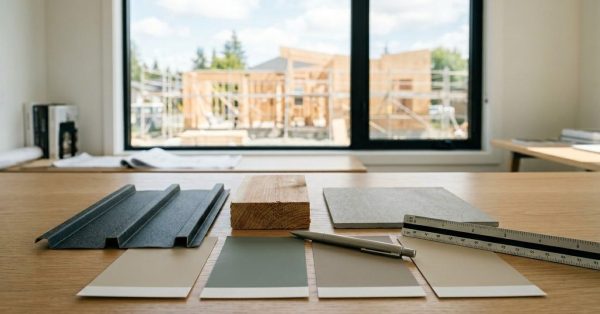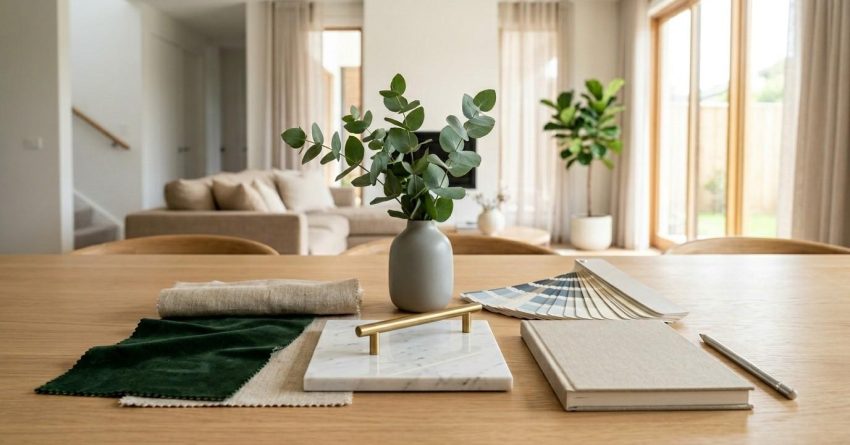
Interior design is the process of shaping how a space looks, feels, and functions — covering everything from color and lighting to furniture placement, materials, and style. Whether you own a single-family home, manage a rental portfolio, or are preparing a property for sale, understanding interior design fundamentals helps you make smarter decisions, avoid costly mistakes, and create spaces that work for the people who live in them.
Most homeowners and property managers face the same challenge: knowing what to change, where to start, and how to make choices that hold up over time. This guide cuts through the complexity.
You will find clear explanations of every core design principle, practical guidance on color, lighting, flooring, and furniture, and direct answers to the most common questions homeowners ask.
What Is Interior Design? Core Concepts Every Homeowner Should Know
Interior design is the art and science of improving the interior of a space to create a healthier, more functional, and more visually appealing environment. It goes well beyond choosing paint colors or buying new furniture. Interior design considers how people move through a space, how light interacts with surfaces, how materials age over time, and how every element in a room relates to every other element.
For homeowners, interior design is a practical discipline. It helps you get more use out of every square foot, reduce the friction of daily life, and increase the long-term value of your property. For landlords and property managers, it is a competitive tool — well-designed spaces attract better tenants, command higher rents, and experience less wear.
Interior design decisions often begin with color on the walls — our interior painting services guide explains every paint type, finish, and application method available for residential and commercial spaces, helping you connect color choices to real-world application.
The Difference Between Interior Design and Interior Decorating
Interior design and interior decorating are related but distinct. Interior design addresses the structure and function of a space — layout, lighting systems, built-in elements, and the relationship between architectural features and human activity. Interior decorating focuses on the surface layer: furniture, accessories, textiles, and color choices that personalize a finished space.
A professional interior designer may hold a degree, work with architects and contractors, and make decisions that affect the bones of a building. An interior decorator works within an existing structure to enhance its appearance. Both roles add value, but they operate at different levels of a project.
When design goals go beyond décor into structural changes, understanding the full scope of home remodeling services helps homeowners plan projects that align with both aesthetic vision and budget.
How Interior Design Affects Property Value and Daily Living
Good interior design has measurable effects on property value. Thoughtful layouts reduce wasted space. Durable, well-chosen materials lower long-term maintenance costs. Cohesive design choices make a property more appealing to buyers and renters alike.
On a daily level, design affects how comfortable, productive, and relaxed people feel in their homes. A poorly lit kitchen creates frustration. A bedroom with no clear storage solution creates clutter. A living room with furniture arranged against every wall feels cold and disconnected. Interior design solves these problems systematically.
One of the highest-impact interior upgrades for property value is underfoot — our overview of flooring installation options covers every material, from hardwood to luxury vinyl, and what each adds to a home’s resale appeal.
The 7 Core Principles of Interior Design
Every professional interior designer works from a shared set of principles. These principles are not rigid rules — they are frameworks for making decisions that result in spaces that feel intentional, comfortable, and complete. Understanding them gives homeowners and property managers a reliable foundation for evaluating any design choice.
Balance: Symmetrical, Asymmetrical, and Radial
Balance refers to the visual weight of objects in a room and how that weight is distributed. A balanced room feels stable and restful. An unbalanced room feels unsettled, even if you cannot immediately identify why.
Symmetrical balance mirrors elements on either side of a central axis — two matching nightstands flanking a bed, for example. Asymmetrical balance achieves equilibrium through contrast: a large sofa balanced by a cluster of smaller chairs and a floor lamp. Radial balance arranges elements around a central point, like chairs around a circular dining table.
Proportion and Scale in Residential Spaces
Proportion describes the relationship between objects in a space. Scale describes the relationship between objects and the room itself. A large sectional sofa in a small apartment is out of scale. A tiny area rug under a large dining table is out of proportion.
Getting proportion and scale right is one of the most common challenges homeowners face. The solution is almost always to measure before buying, to consider the full room rather than individual pieces, and to resist the temptation to fill every corner.
Rhythm, Emphasis, and Unity Explained Simply
Rhythm in interior design is the repetition of visual elements — color, shape, pattern, or texture — that creates a sense of movement and continuity through a space. Emphasis is the deliberate creation of a focal point: a fireplace, a statement wall, a piece of artwork. Unity is the quality that makes a room feel like a coherent whole rather than a collection of unrelated objects.
Achieving balance and proportion in a room often depends on the quality of its surfaces — drywall and ceiling work directly affects how design principles translate from plan to finished space, particularly when walls and ceilings are uneven, damaged, or in need of a fresh foundation.
Color Theory for Home Interiors: Choosing the Right Palette
Color is the most immediately visible element of any interior design. It affects mood, perceived room size, the quality of light, and how other design elements read in a space. Understanding basic color theory gives homeowners a reliable system for making palette decisions that work.
Understanding the Color Wheel for Interior Spaces
The color wheel organizes colors into relationships that predict how they will interact. Complementary colors sit opposite each other on the wheel and create high contrast when paired. Analogous colors sit adjacent to each other and create harmony. Triadic color schemes use three colors evenly spaced around the wheel for a balanced, vibrant effect.
For most residential interiors, analogous palettes — using two or three colors that sit near each other on the wheel — produce the most livable results. They feel cohesive without being monotonous.
Warm vs. Cool Tones: Which Rooms Benefit From Each
Warm tones — reds, oranges, yellows, and warm neutrals — create energy, intimacy, and visual warmth. They work well in dining rooms, living rooms, and spaces where social activity happens. Cool tones — blues, greens, grays, and cool whites — create calm, spaciousness, and focus. They are well-suited to bedrooms, bathrooms, and home offices.
The direction a room faces also matters. North-facing rooms receive cooler, indirect light and often benefit from warmer tones to compensate. South-facing rooms receive warm, direct light and can handle cooler palettes without feeling cold.
How Paint Color Affects Room Size, Light, and Mood
Dark colors make walls feel closer, which can create intimacy in large rooms but make small rooms feel cramped. Light colors reflect more light and make spaces feel larger and airier. Painting a ceiling a lighter shade than the walls makes it feel higher. Painting it a darker shade makes it feel lower and more intimate.
Selecting the right palette is only half the equation — our professional painting guide walks through how color is applied, layered, and finished to achieve the exact effect a design calls for, from flat matte finishes to high-gloss accent walls.
Space Planning and Room Layout Fundamentals
Space planning is the process of organizing furniture, traffic paths, and functional zones within a room to maximize usability and comfort. It is one of the most practical skills in interior design and one of the most commonly overlooked by homeowners who focus on aesthetics before function.
How to Measure and Map a Room Before Buying Furniture
Before purchasing any furniture, measure the room’s length, width, and ceiling height. Note the location of doors, windows, electrical outlets, and HVAC vents — all of these affect where furniture can and cannot go. Draw a simple floor plan to scale, even a rough sketch on graph paper, and use it to test furniture arrangements before committing.
Standard clearance guidelines provide a useful starting point: allow at least 36 inches for main traffic paths, 18 inches between a sofa and coffee table, and 24–36 inches of clearance around a dining table for comfortable seating and movement.
Traffic Flow, Focal Points, and Functional Zones
Traffic flow describes the natural paths people take through a room. Good space planning keeps these paths clear and logical. Furniture should guide movement, not obstruct it. In open-plan spaces, area rugs, lighting, and furniture groupings define distinct zones — a living area, a dining area, a workspace — without requiring walls.
Every room benefits from a focal point: the element that draws the eye first and anchors the arrangement of everything else. In a living room, this is often a fireplace, a large window, or a television. In a bedroom, it is typically the bed. Arranging furniture to face or frame the focal point creates a sense of order and intention.
Built-in shelving, cabinetry, and custom millwork are among the most effective tools for defining functional zones — custom carpentry solutions explains how skilled carpenters bring space planning concepts to life, particularly in rooms where standard furniture cannot achieve the right fit or function.
Lighting Design: The Most Overlooked Interior Design Element
Lighting is the element that makes or breaks every other design decision in a room. The right furniture, the right color, and the right materials will all look wrong under poor lighting. Yet lighting is consistently the last thing homeowners think about and the first thing they regret not planning properly.
Ambient, Task, and Accent Lighting Explained
Every well-lit room uses three types of lighting in combination. Ambient lighting is the general, overall illumination of a space — ceiling fixtures, recessed lights, or natural light. Task lighting is focused illumination for specific activities: reading lamps, under-cabinet kitchen lights, bathroom vanity lights. Accent lighting highlights specific features — artwork, architectural details, plants, or shelving.
Using only one type of lighting, which is the most common mistake in residential interiors, creates flat, uninspiring spaces. Layering all three creates depth, flexibility, and visual interest.
How to Layer Lighting in Any Room
Layering lighting means installing multiple light sources at different heights and with different purposes, then controlling them independently with dimmers where possible. Start with ambient lighting to establish the base level of illumination. Add task lighting where specific activities occur. Finish with accent lighting to create focal points and add warmth.
Every lighting design plan depends on safe, code-compliant wiring and fixture installation — our home electrical services covers everything from circuit upgrades to recessed lighting installation for residential and commercial properties, ensuring that lighting plans are executed safely and to code
Flooring, Walls, and Ceilings: The Interior Design Foundation
Flooring, walls, and ceilings are the three surfaces that define every room. They are the backdrop against which all other design decisions are made. Getting these surfaces right — in terms of material, color, texture, and condition — is the foundation of any successful interior design project.
Choosing Flooring Materials for Each Room Type
Choosing the right floor covering for each room is one of the most consequential decisions in any interior project — our flooring material guide compares hardwood, tile, laminate, vinyl, and carpet across durability, cost, and design compatibility, helping homeowners match material to room function and design style.
Hardwood flooring adds warmth and value and works well in living rooms, dining rooms, and bedrooms. Tile is durable, moisture-resistant, and ideal for kitchens, bathrooms, and entryways. Luxury vinyl plank offers the look of hardwood with greater moisture resistance and lower cost, making it a strong choice for high-traffic areas and rental properties. Carpet adds softness and sound absorption and remains popular in bedrooms and family rooms.
Wall Treatments: Paint, Wallpaper, Paneling, and Texture
Walls offer more design options than most homeowners realize. Paint is the most versatile and cost-effective wall treatment, available in thousands of colors and multiple finishes. Wallpaper adds pattern, texture, and visual depth that paint alone cannot achieve. Wood paneling — from traditional wainscoting to modern shiplap — adds architectural character and warmth. Textured finishes like limewash, plaster, and Venetian stucco create tactile interest and a sense of craftsmanship.
Beyond color selection, the method of application matters — our resource on wall painting techniques covers brush, roller, and spray methods alongside specialty finishes like limewash, texture, and faux effects, giving homeowners a clear picture of what each technique requires and delivers.
Ceiling Design: Height, Finish, and Visual Impact
Ceilings are the most underutilized surface in most homes. A standard flat white ceiling is a missed opportunity. Coffered ceilings add architectural depth. Tray ceilings create a sense of height and elegance. Exposed beams add warmth and character. Even a simple change in ceiling color — painting it a soft, warm tone rather than stark white — can transform the feel of a room.
The condition and finish of walls and ceilings set the visual tone for every other design element in a room — ceiling and wall finishing services restore, smooth, and prepare these surfaces for any interior treatment, from fresh paint to decorative plaster.
Furniture Selection and Arrangement Principles
Furniture is the most visible and functional element of interior design. It defines how a space is used, how comfortable it feels, and how well it serves the people who live in it. Choosing and arranging furniture well requires balancing aesthetics, scale, function, and budget.
How to Choose Furniture That Fits the Space and Style
Start with function. Identify how the room will be used and by how many people. Then consider scale — every piece of furniture must be proportionate to the room and to the other pieces around it. A sofa that seats six people is not appropriate for a 10-by-12-foot living room, regardless of how much you like it.
Style consistency matters, but it does not require matching sets. A room where every piece comes from the same collection often feels flat and impersonal. Mixing styles — a modern sofa with a vintage coffee table, for example — creates visual interest, provided the pieces share at least one common element: color, material, or proportion.
Furniture Arrangement Rules for Living Rooms, Bedrooms, and Dining Areas
In living rooms, arrange seating to face the focal point and to facilitate conversation. Avoid pushing all furniture against the walls — floating furniture toward the center of the room creates a more intimate and functional arrangement. In bedrooms, the bed should be the dominant piece, positioned so that it is visible from the doorway and accessible from both sides. In dining areas, the table should be centered under the overhead light fixture, with enough clearance on all sides for comfortable movement.
For spaces where standard furniture cannot achieve the right fit or function, built-in furniture options from skilled carpenters offer custom solutions that maximize both storage and design cohesion, particularly in rooms with unusual dimensions or specific storage needs.
Interior Design Styles: A Practical Overview
Interior design style is the visual language of a space — the combination of forms, materials, colors, and details that give a room its character. Understanding the major design styles helps homeowners make consistent choices and communicate clearly with contractors, designers, and service providers.
Modern, Contemporary, and Minimalist Styles
Modern design refers to a specific historical period — roughly the early to mid-20th century — characterized by clean lines, natural materials, and the rejection of ornament. Contemporary design refers to what is current right now and is more fluid, often blending elements from multiple styles. Minimalist design takes the principles of modern design to their logical extreme: only what is necessary, nothing more.
All three styles share an emphasis on simplicity, open space, and quality over quantity. They work well in newer construction and in homes with clean architectural lines.
Traditional, Transitional, and Farmhouse Styles
Traditional design draws from European historical styles — symmetry, rich materials, detailed millwork, and a sense of formality. Transitional design bridges traditional and contemporary, combining classic forms with cleaner lines and a more neutral palette. Farmhouse style blends rustic warmth with practical simplicity, featuring natural wood, shiplap, vintage-inspired fixtures, and a relaxed, lived-in quality.
These styles work well in older homes with existing architectural character and in properties where warmth and comfort are the primary design goals.
Bohemian, Industrial, and Coastal Styles
Bohemian design embraces layering, pattern mixing, global influences, and a relaxed approach to rules. Industrial design celebrates raw materials — exposed brick, concrete, steel, and reclaimed wood — and the aesthetic of converted warehouses and urban lofts. Coastal design uses light colors, natural textures, and references to water and nature to create a relaxed, airy atmosphere.
Committing to a design style often means updating the bones of a space — remodeling for style upgrades explains which structural and cosmetic changes best support each major interior design direction, from opening up walls for an industrial loft feel to adding shiplap for a farmhouse aesthetic.
Textiles, Patterns, and Texture in Interior Design
Textiles, patterns, and texture are the elements that make a room feel finished, layered, and alive. They add warmth, softness, and visual complexity that hard surfaces alone cannot provide. They are also among the most accessible and affordable ways to update a space without major renovation.
How to Mix Patterns Without Overwhelming a Space
Mixing patterns successfully requires varying scale. Pair a large-scale pattern — a bold geometric rug, for example — with a medium-scale pattern like a striped pillow and a small-scale pattern like a subtle herringbone throw. Keep the color palette consistent across all patterns so that the variety of scale reads as intentional rather than chaotic.
A useful rule of thumb: limit pattern mixing to three patterns per room, vary their scale significantly, and anchor them with solid-colored pieces that give the eye a place to rest.
Choosing Rugs, Curtains, and Upholstery Fabrics
Window coverings are among the most impactful textile choices in any room — our guide to window treatment options covers blinds, shutters, drapes, and custom solutions that complement any interior style, helping homeowners choose treatments that balance light control, privacy, and design.
Area rugs define zones, add warmth underfoot, and anchor furniture groupings. The most common mistake is choosing a rug that is too small — in a living room, the front legs of all major seating pieces should sit on the rug. Curtains should hang as high as possible — ideally from ceiling to floor — to make windows appear larger and ceilings feel higher.
Doors contribute texture, pattern, and visual weight to a room’s design — interior door styles covers panel, barn, French, and flush door options and how each affects the feel of a space, from the casual openness of a barn door to the formal elegance of a six-panel traditional door.
When to Hire a Professional vs. DIY Interior Design
One of the most practical questions homeowners face is whether to hire a professional interior designer or handle design decisions independently. The answer depends on the scope of the project, the budget, and the homeowner’s confidence in making design decisions.
What Interior Designers Actually Do (and What They Cost)
A professional interior designer manages the full design process: space planning, material selection, contractor coordination, furniture sourcing, and project oversight. They bring expertise, trade access, and accountability to projects that would otherwise require the homeowner to manage multiple vendors independently.
Interior design fees vary widely. Hourly rates typically range from $100 to $200 per hour for residential designers. Flat-fee project rates for a full room design range from $1,500 to $5,000 or more, depending on scope and location. Some designers charge a percentage of the total project cost, typically 10–20%.
For projects that do not require full design services, many interior updates — from hanging artwork to installing shelving — fall within the scope of skilled handyman work, and our handyman home services outlines exactly which tasks a handyman can handle efficiently and affordably, without the cost of a full design engagement.
Home Improvement Services That Support Interior Design Goals
Interior design decisions rarely exist in isolation. Choosing a new flooring material requires professional installation. Updating lighting requires electrical work. Adding built-in storage requires carpentry. Refreshing walls requires painting. Every design choice connects to a service category, and understanding those connections helps homeowners plan projects realistically.
A freshly designed space needs to be maintained — professional cleaning services ensure that newly finished interiors stay in peak condition, protecting surfaces, textiles, and finishes from early wear and preserving the investment made in design improvements.
For properties where interior improvements prompt exterior upgrades as well, exterior surface cleaning through power and pressure washing restores curb appeal to match the quality of interior renovations, creating a consistent first impression from the outside in.
Interior Design for Property Managers and Landlords
For property managers and landlords, interior design is not primarily an aesthetic exercise — it is a business decision. Well-designed rental properties attract more qualified applicants, experience lower vacancy rates, and command higher rents. They also tend to experience less tenant-caused damage, because tenants who feel pride in their space treat it with more care.
Design Choices That Attract Tenants and Protect Property Value
The most effective design choices for rental properties prioritize durability, neutrality, and low maintenance. Neutral color palettes appeal to the widest range of tenants and photograph well for listings. Durable flooring materials — luxury vinyl plank, tile, or commercial-grade carpet — withstand heavy use and are easier to clean and repair between tenancies.
First impressions begin at the curb, and for rental properties, exterior presentation is as important as interior design — our guide to landscaping for rental properties covers maintenance, seasonal care, and upgrades that attract quality tenants and signal that the property is well-managed.
For landlords managing properties with diverse tenant needs, safety and accessibility upgrades — including grab bars, ramp installation, and non-slip flooring — are both a design consideration and a legal responsibility, ensuring that properties meet accessibility standards while maintaining a clean, professional appearance.
Tenant confidence in a property begins with security — door lock and security upgrades from a licensed locksmith are a practical interior improvement that directly affects tenant satisfaction and lease renewal rates, giving tenants peace of mind from the moment they move in.
Conclusion
Interior design fundamentals — from the seven core principles to color theory, space planning, lighting, and material selection — give homeowners and property managers a reliable framework for making decisions that improve both the function and value of any property.
Every design choice connects to a real-world service: painting, flooring, carpentry, electrical work, and more. Understanding these connections helps you plan projects with realistic expectations and choose the right professionals for each phase.
At Mr. Local Services, we connect you with skilled professionals across every home service category — so whether you are refreshing a single room or managing a full property upgrade, you have dependable, quality workmanship behind every design decision you make.
Frequently Asked Questions
What are the basic principles of interior design?
The seven core principles of interior design are balance, proportion, scale, rhythm, emphasis, contrast, and unity. These principles guide every design decision, from furniture placement to color selection, and help create spaces that feel intentional and complete.
How do I choose the right color palette for my home?
Start with the room’s natural light and its primary function. Use analogous colors — shades that sit near each other on the color wheel — for a cohesive, livable palette. Warm tones work well in social spaces; cool tones suit bedrooms and offices. Test paint samples on the actual wall before committing.
What is the difference between interior design and interior decorating?
Interior design addresses the structure and function of a space, including layout, lighting systems, and built-in elements. Interior decorating focuses on the surface layer — furniture, accessories, and color choices that personalize a finished space. Designers often work with architects and contractors; decorators work within an existing structure.
How does lighting affect interior design?
Lighting affects how colors appear, how large a room feels, and how comfortable a space is to use. Poor lighting makes even well-designed rooms feel flat and uninviting. Layering ambient, task, and accent lighting — and controlling them with dimmers — gives any room flexibility and depth.
What interior design style is most popular in the USA?
Transitional design — which blends traditional forms with contemporary simplicity — is consistently one of the most popular styles in American homes. Farmhouse and modern styles also remain widely popular, particularly in new construction and renovation projects.
How much does interior design cost for a home?
Professional interior designers typically charge $100–$200 per hour or $1,500–$5,000 or more for a flat-fee room design, depending on scope and location. Many homeowners reduce costs by handling decorating decisions independently and hiring professionals only for structural or technical work.
How do I start interior design as a beginner?
Begin with space planning — measure your room and map out furniture arrangements before buying anything. Then establish a color palette, address lighting, and choose flooring and wall treatments. Work from the largest elements to the smallest, and add textiles and accessories last.
What flooring works best for open-plan living spaces?
Luxury vinyl plank and hardwood are the most popular choices for open-plan spaces because they create visual continuity across large areas. Both are durable, easy to maintain, and available in a wide range of styles. Tile works well in open-plan spaces that include kitchen or dining areas.
How do property managers use interior design to increase rental value?
Property managers use neutral color palettes, durable flooring, updated lighting, and clean, well-maintained surfaces to attract qualified tenants and justify higher rents. Exterior improvements — landscaping, pressure washing, and updated entry hardware — also significantly affect a property’s perceived value and appeal.
When should I hire a professional interior designer?
Hire a professional when the project involves structural changes, complex space planning, or a significant budget where mistakes would be costly. For smaller updates — painting, furniture rearrangement, or accessory selection — a confident homeowner can achieve strong results independently or with the support of skilled tradespeople.