Buying land for a home build requires more planning than purchasing an existing house — you are not just buying property, you are buying the foundation for everything that comes next. The right lot determines what you can build, how much it will cost, and how long the process will take. Getting it wrong can mean expensive surprises, permit denials, or a site that simply cannot support the home you have in mind.
Most people underestimate how many decisions happen before a single wall goes up. Understanding the full process — from finding land to closing and preparing the site — puts you in control of your build from day one.
This guide walks through every step of buying land for a home build, covering what to look for, how to finance it, and how to move from raw land to a construction-ready lot.
What to Know Before You Start Looking for Land
Buying land is a fundamentally different transaction from buying a house. There is no existing structure to inspect, no comparable sale that tells the full story, and no guarantee that the lot can support the home you want to build. Going in without preparation is one of the most common and costly mistakes first-time land buyers make.
Before you search a single listing, you need two things: a clear picture of what you want to build and a realistic understanding of what land actually costs.
Buying land is just the first step in a larger process — our home building guide covers every phase from land purchase through final construction so you can plan your full project with confidence.
Define Your Build Goals First
Start by answering the questions that will shape every land decision you make. How large is the home you plan to build? Do you need a specific lot size for outbuildings, a garage, or outdoor space? Are you building in a rural area, a subdivision, or somewhere in between? Do you need to be within a certain school district or commute distance?
Your build goals determine the minimum lot size you need, the zoning classification required, and the infrastructure that must already be in place or installable. A 2,500-square-foot home on a suburban lot has very different land requirements than a custom home on five rural acres. Defining this before you search saves time and prevents you from falling in love with a property that cannot work for your plans.
Understand the True Cost of Buying Land
The purchase price of a lot is rarely the full cost. Raw land almost always comes with additional expenses that buyers do not anticipate. These can include land surveys, title insurance, environmental assessments, soil testing, well drilling, septic system installation, utility connection fees, and site clearing and grading costs.
In many cases, the cost to develop a raw parcel and connect it to utilities can equal or exceed the land purchase price itself. Budget for these costs before you make an offer, not after. Our land cost breakdown details every fee and development cost you should budget for before making an offer.
How to Find Land for Sale in Your Area
Land listings are not as centralized as home listings. While major real estate platforms carry some vacant land inventory, a significant portion of available parcels never appear on the MLS. Finding the right lot often requires multiple search channels working at the same time.
Working With a Real Estate Agent Who Knows Land
Not every real estate agent has experience with land transactions. Buying vacant land involves different due diligence, different financing, and different legal considerations than buying a home. An agent who specializes in land or has significant experience with lot sales will know how to evaluate parcels, identify red flags, and negotiate terms that protect you.
Look for agents who work regularly with builders and developers in your target area. They often know about off-market parcels before they are listed publicly. Our guide to choosing a land real estate agent explains what to look for in an agent who specializes in vacant lots and rural parcels.
Online Platforms and Local Resources
Start your search on platforms like Zillow, Realtor.com, LandWatch, and Land And Farm, which aggregate vacant land listings across the country. Filter by acreage, price, and location to narrow results to parcels that match your build goals.
Beyond online listings, check with your county assessor’s office for tax-delinquent properties, contact local builders who may know of available lots, and drive target neighborhoods looking for “For Sale by Owner” signs on undeveloped parcels. County planning departments can also tell you which areas are zoned for residential construction and where new development is permitted.
How to Evaluate a Plot of Land Before You Buy
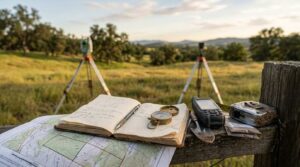
Finding a lot is only the beginning. Before you make an offer, you need to evaluate the property across several dimensions: legal, physical, and practical. Skipping this step is how buyers end up with land they cannot build on.
A thorough evaluation protects your investment before you commit — our land site assessment checklist walks through every physical, legal, and utility factor to inspect before signing a purchase agreement.
Zoning Laws and Land Use Restrictions
Zoning determines what you are legally allowed to build on a parcel. Residential zoning classifications vary by municipality and can restrict lot coverage, building height, setbacks from property lines, and the types of structures permitted. Some parcels are zoned agricultural or commercial and cannot be used for a primary residence without a rezoning application, which is a lengthy and uncertain process.
Check the zoning classification with your county or municipal planning department before you invest time in a property. Also look for deed restrictions, easements, and HOA covenants that may limit what you can build even on residentially zoned land. Our resource on zoning laws explained breaks down the most common land use classifications and what each one means for residential construction.
Soil Quality, Topography, and Site Conditions
The physical characteristics of a lot directly affect construction costs and feasibility. Steep slopes require more grading and can complicate foundation work. Rocky soil increases excavation costs. Expansive clay soils can cause foundation movement over time. Flood-prone areas may require elevated construction or be unbuildable without significant mitigation.
Order a soil test and have a civil engineer or geotechnical consultant evaluate the site before you close. The cost of this assessment is small compared to the cost of discovering a problem after purchase. Also check FEMA flood maps to determine whether the parcel falls within a Special Flood Hazard Area, which affects both buildability and insurance costs.
Utilities, Water, and Septic Access
Access to utilities is one of the most significant cost variables in land development. Lots in established subdivisions often have water, sewer, electricity, and gas lines already stubbed to the property line. Rural parcels frequently have none of these.
If municipal water and sewer are not available, you will need a private well and a septic system. Well drilling costs vary widely depending on depth and geology. Septic system installation requires a percolation test to confirm the soil can handle wastewater treatment. Confirm the availability and cost of every utility connection before you make an offer — these costs can add tens of thousands of dollars to your total project budget.
How to Finance Land for a Home Build
Financing vacant land is more difficult than financing a home purchase. Lenders view raw land as a higher-risk asset because it generates no income and has limited resale liquidity compared to improved property. Expect stricter qualification requirements, higher down payments, and higher interest rates than you would see on a standard mortgage.
Our construction loan guide explains how construction-to-permanent loans work and how to qualify for the financing you need.
Land Loans vs. Construction Loans
A land loan is used to purchase a vacant parcel with no immediate construction plans. These loans typically require a down payment of 20 to 50 percent and carry higher interest rates than home mortgages. They are available through community banks, credit unions, and some regional lenders — major national banks rarely offer them.
A construction loan funds both the land purchase and the build in a single loan product. Construction-to-permanent loans, sometimes called one-time-close loans, convert to a standard mortgage once construction is complete. This eliminates the need for two separate closings and two sets of closing costs. If you plan to break ground within 12 months of purchasing the land, a construction loan is usually the more cost-effective path.
What Lenders Look for When Financing Raw Land
Lenders evaluate land loans differently than home loans. They look at the intended use of the land, the timeline for development, the borrower’s creditworthiness, and the loan-to-value ratio based on an independent appraisal. Improved lots — those with utilities already connected and road access in place — are easier to finance than raw, unimproved parcels.
Bring a clear development plan to your lender. Showing that you have a builder selected, permits in progress, or a construction timeline in place significantly improves your chances of approval and may reduce the down payment requirement.
The Land Buying Process Step by Step
Once you have identified a lot that meets your criteria and confirmed it is financeable, the transaction process begins. Land purchases follow a similar structure to home purchases but with additional due diligence steps that are specific to undeveloped property.
Making an Offer and Negotiating the Price
Submit a written purchase offer that includes a purchase price, earnest money deposit, and a due diligence period of at least 30 to 60 days. The due diligence period is your window to conduct inspections, order surveys, verify zoning, and confirm financing before you are committed to the purchase.
Land prices are often more negotiable than home prices, particularly for parcels that have been on the market for an extended period. Use comparable sales of similar lots in the area to support your offer price. Your real estate agent can pull land comps from the MLS and county records to establish a fair market value range.
Due Diligence, Surveys, and Title Searches
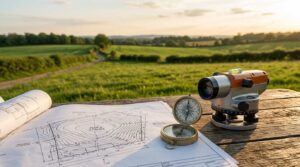
During the due diligence period, order a boundary survey to confirm the exact property lines and identify any encroachments or easements. A title search will reveal any liens, back taxes, or ownership disputes that could affect your ability to build or sell the property in the future.
If the parcel is in a rural area, also verify legal access — meaning a deeded right-of-way or public road frontage that gives you the legal right to reach the property. Landlocked parcels with no legal access are a serious problem that can make a lot effectively unbuildable.
Closing on Land and What Happens Next
Closing on land follows the same general process as closing on a home. You will sign the deed, pay closing costs, and take title to the property. Closing costs on land typically include title insurance, recording fees, transfer taxes, and lender fees if you are financing the purchase.
Once you own the land, the next phase begins: securing permits, finalizing your home design, and preparing the site for construction. Our overview of the building permits process explains what permits are required, how long approvals take, and how to avoid costly delays before construction begins.
Preparing Your Land for Construction
Owning the land is not the same as being ready to build. Most raw parcels require significant preparation before a builder can break ground. This phase is often underestimated in both time and cost.
Site Clearing, Grading, and Access Roads
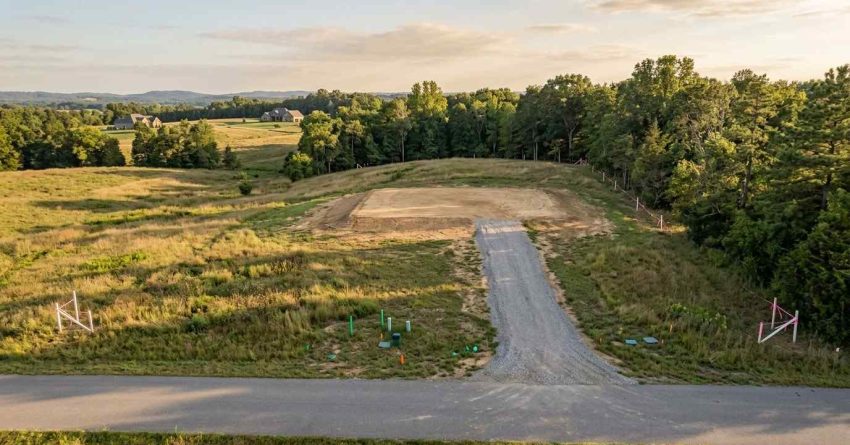
Site preparation typically involves clearing trees and vegetation, removing stumps and debris, grading the land to establish proper drainage and a level building pad, and installing a temporary access road for construction equipment. On heavily wooded or steeply sloped lots, this work can take weeks and cost tens of thousands of dollars.
Work with a civil engineer to develop a grading plan that manages stormwater runoff and meets local drainage requirements. Poor grading is one of the leading causes of foundation and drainage problems in new construction. Our site preparation guide covers excavation, grading, drainage, and access road installation so your lot is ready for your builder.
Permits and Approvals Before Breaking Ground
No reputable builder will break ground without the required permits in place. Depending on your location, you may need a building permit, a grading permit, a septic permit, a well permit, and approvals from your local planning or zoning board. Some jurisdictions also require environmental reviews or stormwater management plans.
The permitting process can take anywhere from a few weeks to several months depending on your municipality and the complexity of your project. Start the permit application process as early as possible — ideally while your home plans are still being finalized — to avoid delays that push your construction start date back.
Conclusion
Buying land for a home build is a multi-step process that rewards preparation and punishes shortcuts. Understanding what to look for in a lot, how to evaluate it thoroughly, and how to navigate financing and closing puts you in the strongest possible position before construction begins.
Every decision you make at the land stage — from zoning verification to utility access to soil testing — directly affects your build timeline, your budget, and the long-term value of your finished home.
At Mr. Local Services, we connect homeowners with skilled professionals who handle every phase of property preparation and home improvement, helping you move from raw land to a finished, well-maintained home with confidence and clarity.
Frequently Asked Questions
How much land do I need to build a house?
Most single-family homes require a minimum lot size of 0.25 to 0.5 acres, though local zoning laws set the actual minimum. Rural builds often use 1 to 5 acres or more, while suburban lots can be smaller depending on the municipality.
Can I buy land and build a house with one loan?
Yes. A construction-to-permanent loan, also called a one-time-close loan, covers both the land purchase and the construction costs in a single loan product. It converts to a standard mortgage once the home is complete, avoiding two separate closings.
What is the difference between raw land and a developed lot?
Raw land has no utilities, road access, or improvements in place. A developed lot has utilities stubbed to the property line, road frontage, and is typically ready for immediate construction. Developed lots cost more to purchase but significantly less to prepare for building.
How long does it take to buy land and build a house?
The full process from land purchase to move-in typically takes 18 months to 3 years. Land acquisition and due diligence take 1 to 3 months, permitting takes 1 to 6 months, and construction takes 6 to 18 months depending on the size and complexity of the home.
Do I need a real estate agent to buy land?
You are not legally required to use an agent, but working with one who specializes in land transactions is strongly recommended. Land purchases involve unique due diligence, zoning considerations, and negotiation factors that a general residential agent may not be equipped to handle.
What happens if the land fails a perc test?
A failed percolation test means the soil cannot adequately absorb wastewater, which prevents standard septic system installation. Options include engineered septic systems designed for poor-draining soils, connecting to municipal sewer if available, or walking away from the purchase during the due diligence period.
Can I build on any land I buy?
No. Zoning laws, deed restrictions, easements, flood zone designations, and environmental regulations all determine what can be built on a parcel. Always verify buildability through your county planning department and a title search before purchasing any lot.