Selling a home depends heavily on timing, weather, and buyer activity. While spring and summer attract eager buyers, the colder months bring fewer showings, lower offers, and longer days on market. Understanding which month is the toughest helps homeowners plan smarter listings, prepare their property properly, and set realistic expectations. This guide breaks down the hardest month to sell, why it happens, and practical steps to overcome the slow season with confidence.
The Hardest Month to Sell a House Is January
January is widely considered the hardest month to sell a house in the USA. Buyer demand drops after the holidays, cold weather limits showings, and many families avoid moving mid-school year. Homes listed in January often sit longer and sell for lower prices compared to peak spring months.
Why January Slows Down the Housing Market
January follows a season of heavy spending, travel, and family commitments. Most buyers pause their search to recover financially, leaving fewer qualified shoppers in the market. Mortgage applications dip, open-house traffic shrinks, and serious buyers become harder to find. Sellers also face stiffer competition for attention because real estate agents focus on preparing inventory for the upcoming spring rush. The combination of low demand, tighter budgets, and post-holiday fatigue makes January the slowest transaction month in most regions of the country.
How Winter Conditions Affect Buyer Demand
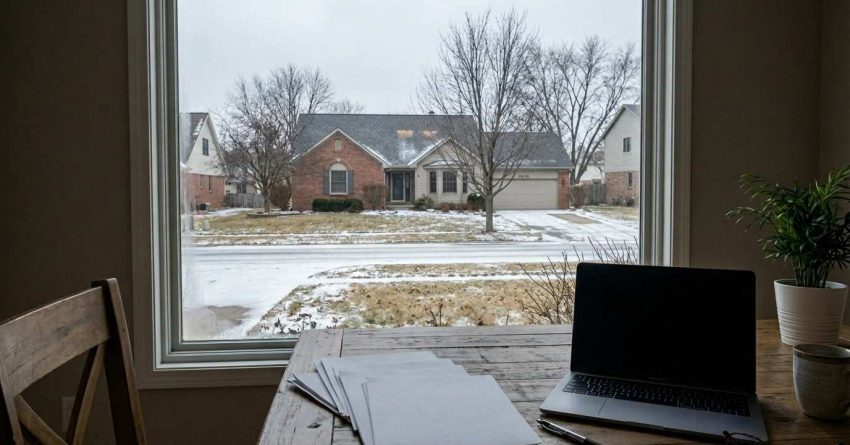
Snow, ice, and shorter daylight hours reduce curb appeal and discourage in-person showings. Landscaping looks bare, exterior features hide under snow, and heating costs spike, raising buyer concerns about efficiency. Cold weather also slows inspections, appraisals, and contractor availability, extending the closing timeline. Homes with poor insulation, dated HVAC systems, or visible maintenance issues feel less appealing in winter, making it harder to compete. Sellers must work harder to highlight warmth, comfort, and year-round livability during this stretch.
Knowing the slowest month is only half the equation. Understanding the best months for selling a home helps sellers plan a listing window that maximizes both price and speed.
<!– INTERNAL LINK SUGGESTION: Replace with your actual URL for the page covering the best months/seasons to sell a house. If this page does not exist, consider creating it. –>
Other Difficult Months and Seasonal Selling Patterns
While January leads the list, December and February also rank as slow months. December suffers from holiday distractions, travel, and end-of-year financial pressure. February improves slightly but still sees limited buyer activity in colder regions. Late summer months like August can also slow down in certain markets due to vacation schedules and back-to-school transitions. Seasonal patterns shift by region, so coastal and warm-weather markets experience milder slowdowns than northern states.
How to Sell a House in a Slow Month
Selling during a slow month requires sharper preparation and smarter marketing. Price the home competitively from day one, since overpricing in a soft market extends days on market. Use professional photography, virtual tours, and bright interior staging to offset gloomy weather. Keep walkways clear, lighting warm, and the home spotless for every showing. A focused pricing strategy in a slow market often makes the difference between a quick sale and months of waiting.
Preparing Your Home for an Off-Season Sale
Off-season buyers are serious, but they expect move-in-ready properties. Start with a deep clean, declutter every room, and address any visible wear that signals deferred upkeep. Inspect the roof, gutters, HVAC system, plumbing, and electrical panel before listing, since winter buyers focus heavily on functional systems. Fresh paint, updated fixtures, and refreshed flooring create strong first impressions even in low light. Pressure washing exteriors, sealing drafts, and servicing the furnace add measurable value. Completing targeted repairs before listing helps the home compete with new spring inventory and supports a stronger asking price.
Conclusion
January is the hardest month to sell a house, driven by low demand, harsh weather, and post-holiday slowdowns across most US housing markets.
Sellers who prepare early, price strategically, and address maintenance issues can still attract serious buyers and close successful deals during slower seasons.
We help homeowners get listing-ready with trusted repair, cleaning, and improvement services. Contact Mr. Local Services today to prepare your home for a faster, stronger sale.
Frequently Asked Questions
What is the slowest month for home sales?
January is typically the slowest month for home sales due to cold weather, holiday recovery, and reduced buyer activity across most US housing markets.
Is it bad to sell a house in winter?
Selling in winter is harder but not impossible. Serious buyers remain active, and well-prepared homes with strong pricing can still sell quickly during the season.
What month do houses sell the fastest?
Houses sell fastest in May and June, when buyer demand peaks, weather improves, and families aim to move before the new school year begins.
Should I wait until spring to sell my house?
Waiting until spring often brings higher prices and more buyers, but increased competition means well-prepared, properly priced homes still perform best.
How can I make my house attractive in winter?
Keep interiors warm and bright, clear walkways, stage cozy spaces, complete small repairs, and ensure HVAC, plumbing, and lighting work flawlessly during showings.