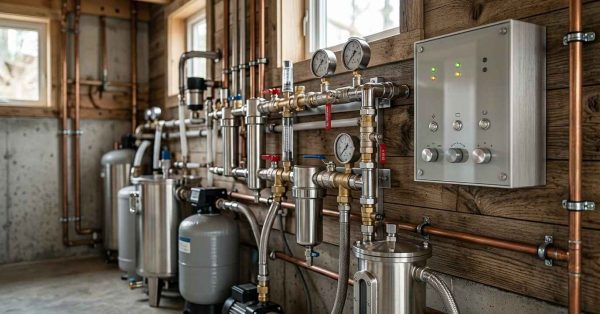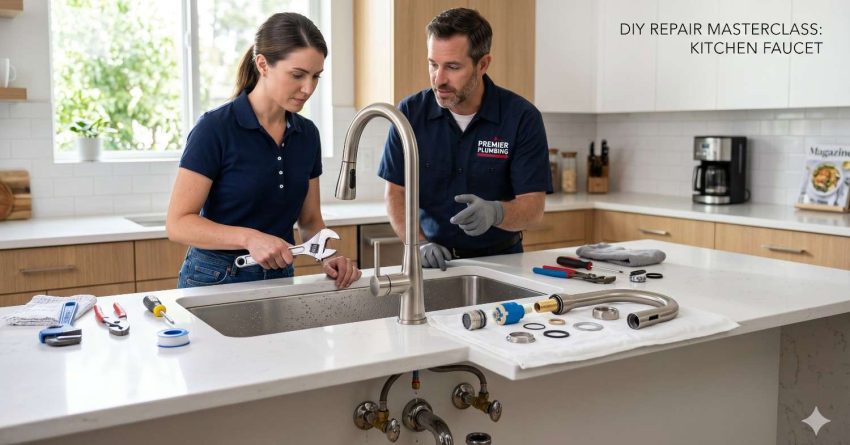
Faucets and sinks are among the most frequently used fixtures in any home, making them susceptible to wear, damage, and performance issues that affect daily routines and property value. When these essential fixtures malfunction, homeowners face decisions about repair approaches, costs, and whether professional help is needed. This comprehensive guide covers everything property owners need to know about faucet and sink repair, including how to identify problems, understand common issues affecting both kitchen and bathroom fixtures, evaluate DIY repair options, recognize when professional intervention is necessary, and implement preventive measures that extend fixture life and protect your investment.
Understanding Faucet and Sink Components
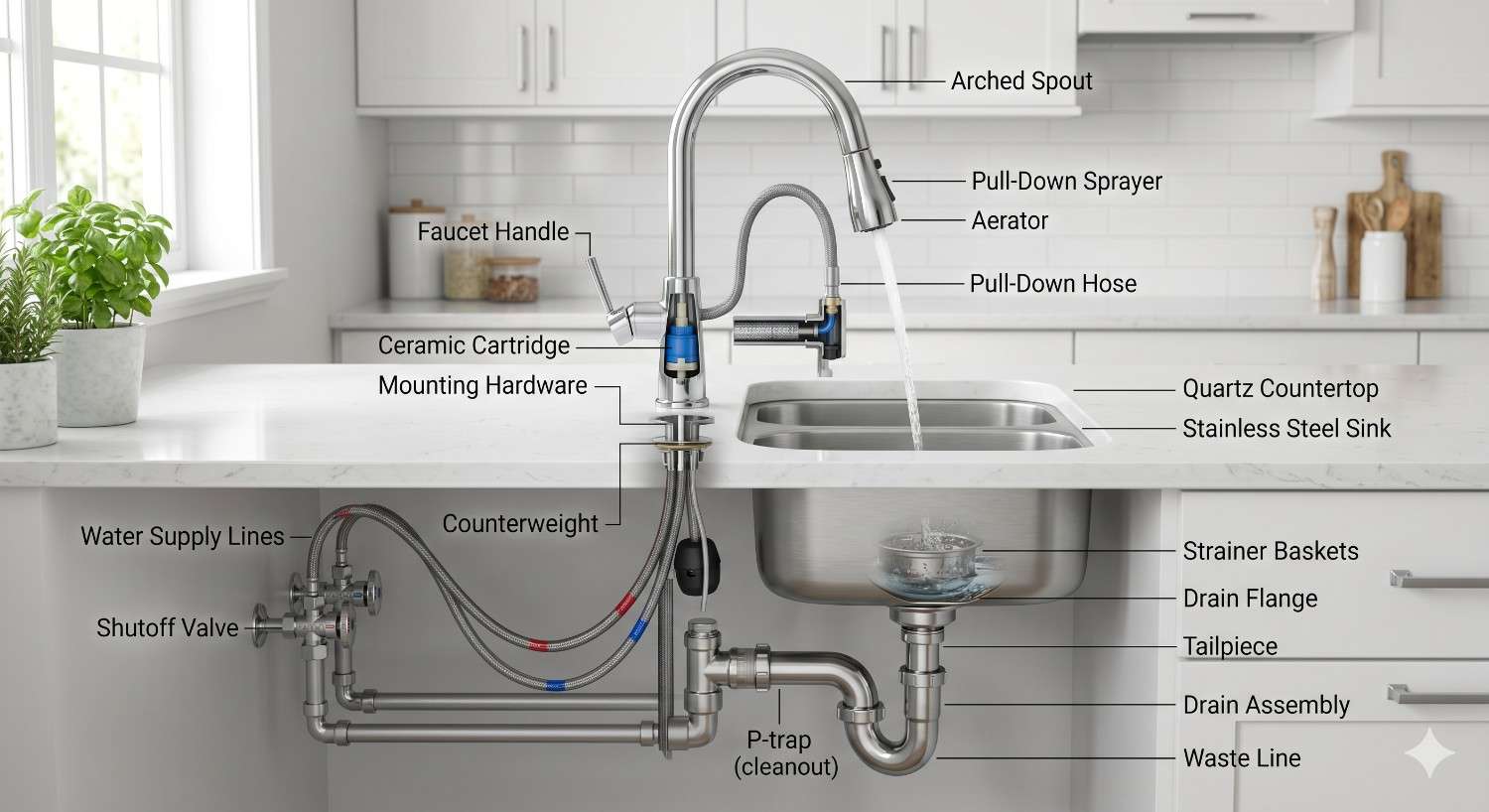
Effective troubleshooting and repair begins with understanding how faucets and sinks are constructed and how their components work together to deliver water reliably. This foundational knowledge helps you identify problem sources accurately and communicate effectively with service providers when professional help is needed.
Faucet Types and Their Mechanisms
Modern homes contain several distinct faucet types, each with unique internal mechanisms that determine how they function and fail. Compression faucets use rubber washers that press against valve seats to control water flow, making them prone to dripping when washers wear out. Ball faucets contain a single handle that controls a rotating ball with spring-loaded rubber seals, offering smooth operation but multiple potential failure points. Cartridge faucets use a movable cartridge that slides up and down to regulate flow, with single-handle and double-handle variations available. Ceramic disc faucets represent the most durable design, using two ceramic discs that slide against each other to control water, though they require specific replacement parts when problems occur.
Sink Materials and Construction
Sink construction varies significantly based on material, installation method, and intended use. Stainless steel sinks dominate kitchen applications due to durability and ease of maintenance, though they can develop scratches and water spots over time. Porcelain and cast iron sinks offer classic aesthetics but chip more easily and require careful cleaning to prevent staining. Composite granite sinks provide heat resistance and durability but may require specific care products. Undermount installations create seamless countertop transitions but complicate replacement, while drop-in sinks offer easier installation and replacement at the cost of visible rim edges.
Common Connection Points and Hardware
Every faucet and sink installation involves multiple connection points where problems commonly develop. Supply lines connect the faucet to hot and cold water shutoff valves, using flexible braided hoses or rigid copper tubes that can corrode, crack, or develop loose connections over time. Drain assemblies include the strainer or stopper mechanism, tailpiece, P-trap, and wall connection, with each joint representing a potential leak point. Mounting hardware secures faucets and sinks to countertops and cabinets, and loosening over time causes wobbling, stress on connections, and eventual leaks.
Whether you are troubleshooting an existing problem or planning an upgrade, understanding how faucets and sinks are constructed helps you communicate effectively with service providers and make informed decisions about fixture installation for your property.
Signs Your Faucet or Sink Needs Repair
Identifying problems early prevents minor issues from escalating into major repairs or water damage. Learning to recognize warning signs helps you address concerns promptly and make informed decisions about repair timing and approach.
Visible Warning Signs
Physical indicators often provide the first evidence that repair is needed. Water stains beneath the sink cabinet suggest active leaks that may be damaging cabinetry and subflooring. Mineral deposits and discoloration around faucet bases indicate water seeping where it should not. Rust or corrosion on visible hardware signals deteriorating components that will eventually fail. Cracks, chips, or separating caulk around sink edges allow water infiltration that damages surrounding surfaces.
Performance Issues
Changes in how fixtures operate often precede visible damage. Reduced water pressure from a single faucet suggests aerator clogs, cartridge problems, or supply line restrictions. Difficulty turning handles indicates worn internal components or mineral buildup affecting movement. Water that continues dripping after the handle is fully closed points to failed washers, O-rings, or cartridges. Unusual noises during operation, including whistling, banging, or vibrating, signal loose components or pressure irregularities.
When to Repair vs. Replace
Not every problem warrants repair, and understanding when replacement makes more sense protects your investment. Fixtures more than 15-20 years old often cost more to repair repeatedly than to replace with modern, efficient models. Outdated styles that no longer match your aesthetic preferences may justify replacement during repair opportunities. Fixtures with discontinued parts or multiple simultaneous problems often represent poor repair investments. However, quality fixtures with single component failures typically warrant repair, especially when the fixture style and finish remain desirable.
Recognizing these warning signs early allows you to address minor issues before they escalate into major problems, and understanding when professional plumbing repair becomes necessary protects both your property and your budget.
Common Faucet Problems and Solutions
Faucets experience predictable failure patterns based on their design, age, and water quality. Understanding these common problems helps you diagnose issues accurately and determine appropriate repair approaches.
Dripping and Leaking Faucets
The most common faucet complaint, dripping wastes water, increases utility bills, and often worsens over time. According to the U.S. Environmental Protection Agency, a faucet dripping at one drip per second wastes more than 3,000 gallons annually. In compression faucets, worn rubber washers cause most drips and represent straightforward replacements. Ball faucets may drip due to worn springs, seats, or the ball itself, often requiring a complete rebuild kit. Cartridge faucets typically need cartridge replacement when dripping occurs, with brand-specific parts required. Ceramic disc faucets rarely drip but may leak if sediment damages the disc surfaces or if seals deteriorate.
Low Water Pressure Issues
Reduced flow from a faucet frustrates users and may indicate various underlying causes. Clogged aerators represent the most common and easily resolved cause, requiring simple removal and cleaning or replacement. Partially closed supply valves restrict flow and require only adjustment to resolve. Corroded or kinked supply lines reduce water delivery and need replacement. Low flow from a single faucet may indicate a localized aerator or cartridge problem, while reduced pressure throughout the home suggests broader water pressure issues that affect the entire plumbing system.
Handle and Cartridge Problems
Handles that stick, squeak, or spin without controlling water indicate internal component failures. Loose handles often need only tightening of the set screw or handle nut. Stiff handles may benefit from cleaning and lubrication but often signal cartridge wear requiring replacement. Handles that spin freely without affecting water flow indicate stripped internal components or failed cartridges. Single-handle faucets that no longer balance temperature properly typically need cartridge replacement.
Sprayer and Aerator Malfunctions
Kitchen faucet sprayers and aerators experience specific problems related to their function. Sprayers with weak flow often have clogged heads that clean easily with vinegar soaking. Sprayers that do not retract properly may have kinked hoses or worn retraction mechanisms. Diverter valve failures cause water to flow from both the spout and sprayer simultaneously. Aerators that reduce flow excessively need cleaning or replacement, while those producing uneven spray patterns have damaged screens.
A persistent drip that continues after basic troubleshooting often indicates internal component failure or supply line issues that require professional leak detection and repair to prevent water damage and wasted utility costs.
Common Sink Problems and Solutions
Sinks face distinct challenges related to drainage, sealing, and structural integrity. Recognizing these problems helps you maintain functional fixtures and prevent water damage.
Drain Clogs and Slow Drainage
Drainage problems rank among the most frequent sink complaints and range from minor inconveniences to serious blockages. Hair, soap residue, and debris accumulate in bathroom sink drains, while kitchen sinks collect food particles, grease, and soap. Minor clogs often respond to plunging, baking soda and vinegar treatments, or manual removal of visible debris. Recurring clogs that return shortly after clearing often indicate deeper blockages or pipe condition issues that benefit from professional drain cleaning rather than repeated home remedies. P-trap clogs require trap removal and cleaning, a moderately simple DIY task for those comfortable with basic plumbing.
Slow drainage typically results from accumulated debris, soap residue, or mineral buildup within the drain assembly, and understanding the principles behind removing plumbing clogs helps you determine whether a simple home remedy will work or professional intervention is needed.
Sink Leaks and Seal Failures
Water escaping from sinks damages cabinets, countertops, and flooring while promoting mold growth. Drain connection leaks occur at slip joints, compression fittings, and the sink-to-tailpiece connection, often requiring only tightening or washer replacement. Faucet mounting leaks allow water to seep beneath the faucet base, damaging countertops and requiring faucet removal to reseal. Sink rim leaks in drop-in installations indicate failed caulk that needs removal and replacement. Undermount sink leaks may signal adhesive failure requiring professional reattachment.
Basin Damage and Staining
Sink basins suffer cosmetic and structural damage that affects both appearance and function. Stainless steel scratches buff out with appropriate polishing compounds, while deeper gouges may require professional refinishing. Porcelain chips expose underlying material to rust and staining, with repair kits available for minor damage. Composite sink stains often respond to manufacturer-recommended cleaners, though severe discoloration may be permanent. Cracks in any sink material typically warrant replacement rather than repair due to ongoing leak risks.
Mounting and Stability Issues
Sinks that wobble, shift, or separate from countertops create leak risks and usage problems. Drop-in sinks may loosen when clips fail or caulk deteriorates, requiring reclamping and resealing. Undermount sinks depend on adhesive bonds and mechanical clips that can fail over time, potentially causing the sink to drop. Pedestal sink instability often traces to loose wall mounting or floor anchoring. Vessel sink wobbling indicates failed adhesive or improper installation requiring correction.
Kitchen Faucet and Sink Repair Considerations
Kitchen fixtures face unique demands that influence repair approaches and considerations. High usage rates, exposure to food debris, and integration with other appliances create specific challenges.
Kitchen-Specific Faucet Features
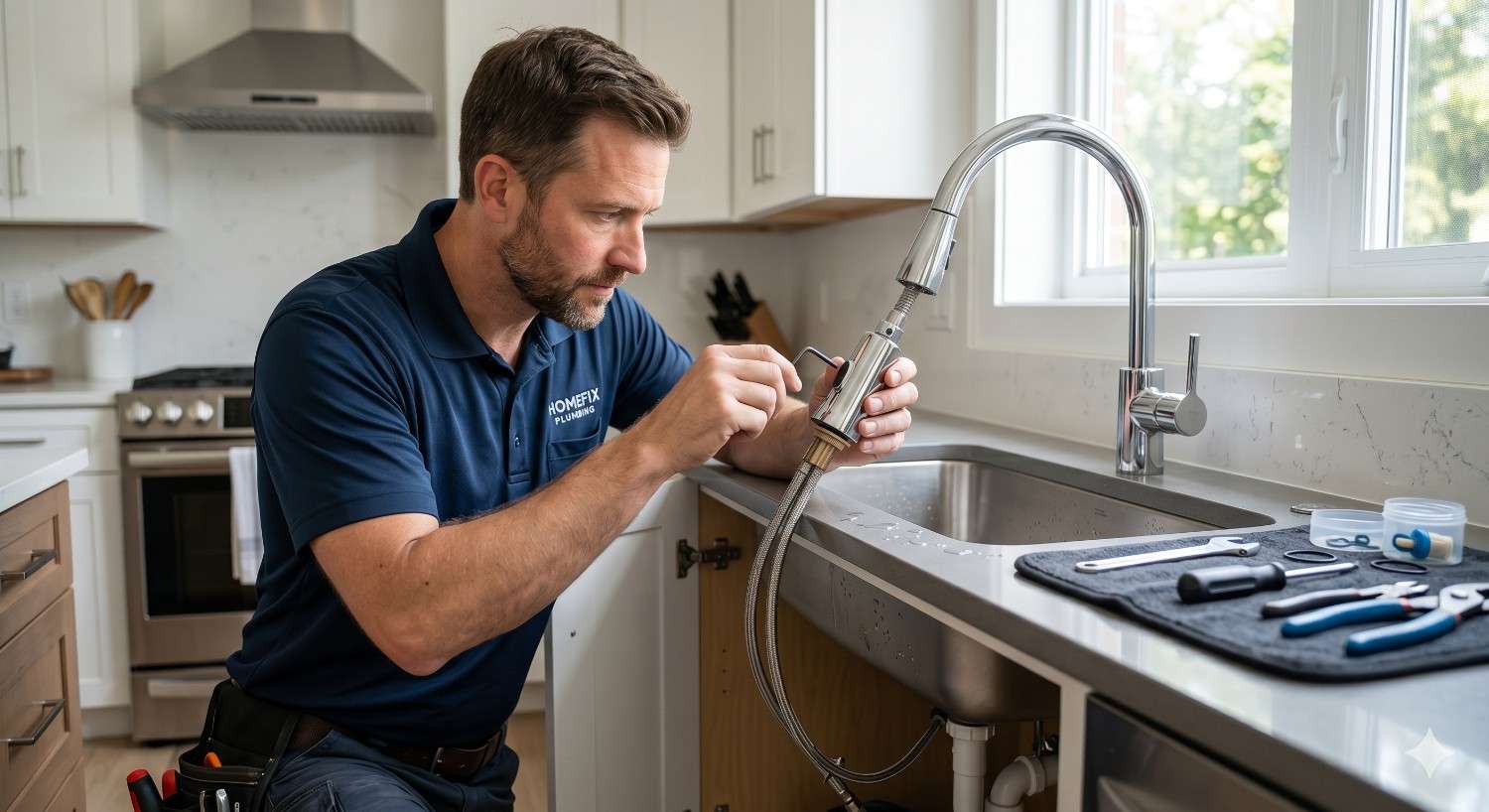
Modern kitchen faucets incorporate features that complicate repairs but enhance functionality. Pull-down and pull-out sprayers contain retractable hoses, diverter mechanisms, and docking systems that can fail independently. Touchless faucets add electronic sensors, solenoid valves, and power supplies to the repair equation. Pot filler faucets mounted above ranges require wall-mounted repair access. Commercial-style faucets with spring-loaded arms have specialized components not found in standard residential models.
Garbage Disposal Connections
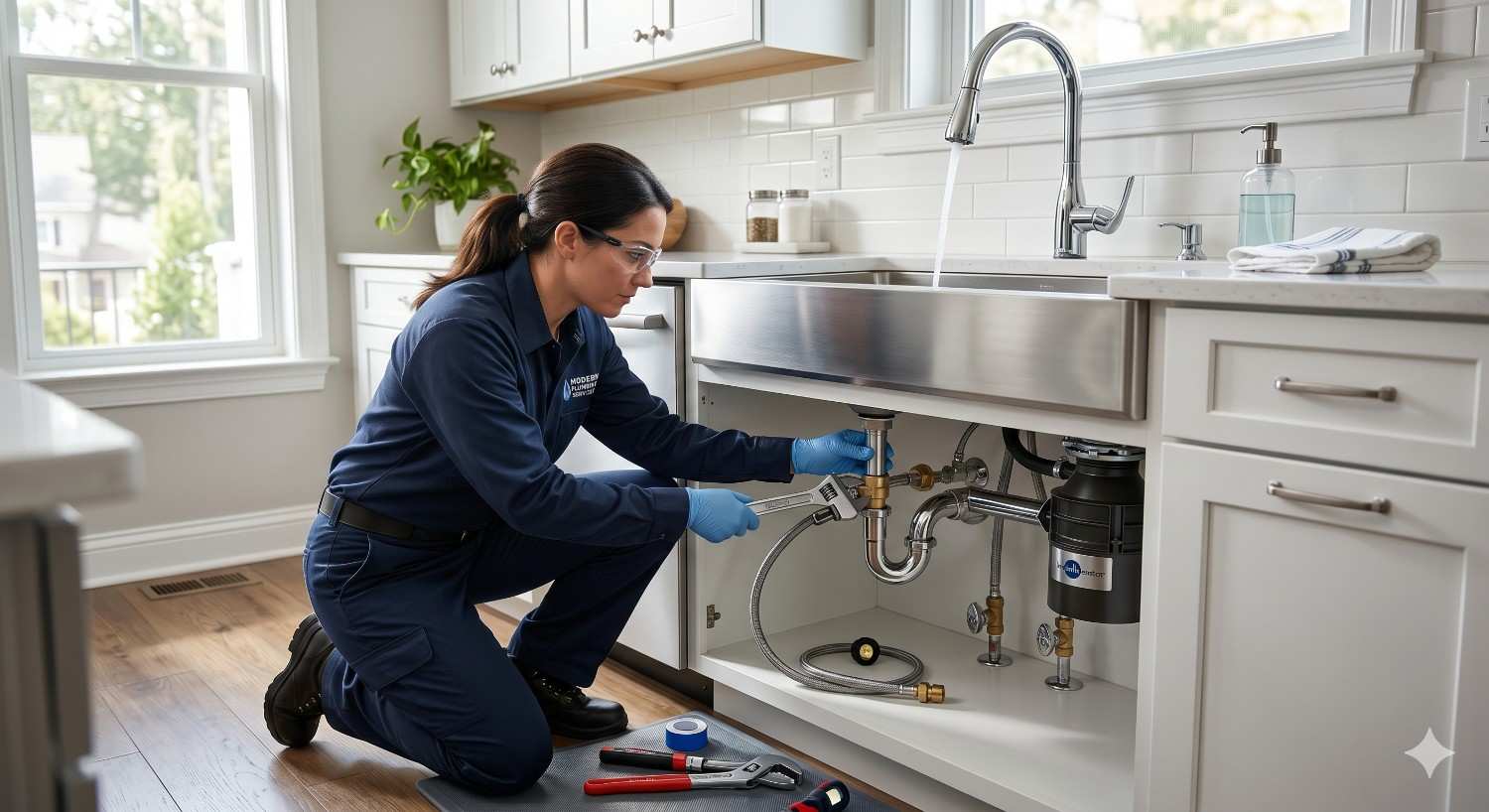
Kitchen sink repairs frequently involve the garbage disposal connection, and understanding how these components interact helps you identify whether a problem originates with the faucet, sink, or disposal unit itself. Disposal mounting flanges can leak where they connect to the sink drain opening. Dishwasher drain connections to disposals may clog or leak at the hose connection. Disposal vibration can loosen sink mounting hardware over time. When disposal problems coincide with sink issues, both systems require evaluation.
Dishwasher Line Integration
Kitchen sinks often serve as connection points for dishwasher drain lines. Air gaps mounted on the sink or countertop prevent backflow but can clog and overflow. High-loop drain configurations require proper positioning to function correctly. Drain line connections to disposal units or tailpieces represent potential leak points. Dishwasher supply line connections beneath the sink add complexity to the under-sink plumbing system.
The interconnected nature of kitchen fixtures means that faucet and sink repairs often involve considerations beyond the immediate problem, which is why a comprehensive understanding of kitchen plumbing helps homeowners anticipate related issues and plan repairs effectively.
Bathroom Faucet and Sink Repair Considerations
Bathroom fixtures present distinct repair challenges related to space constraints, aesthetic requirements, and specific component designs.
Bathroom Faucet Styles and Repairs
Bathroom faucets come in configurations less common in kitchens. Widespread faucets with separate hot, cold, and spout components require coordination during repairs. Center-set faucets combine all components on a single base plate with specific spacing requirements. Wall-mounted faucets require in-wall access for many repairs. Vessel sink faucets mount on countertops rather than sinks, with height and reach considerations affecting replacement options.
Vanity Sink Challenges
Bathroom vanity installations create repair access challenges. Limited cabinet space beneath vanity sinks restricts movement and tool use. Pedestal sinks hide plumbing but provide no storage and limited access. Wall-hung sinks expose plumbing but require careful weight distribution. Console sinks combine open shelving with limited concealment. Each style affects how repairs are approached and what access is available.
Pop-Up Drain Assembly Issues
Bathroom sinks typically use pop-up drain assemblies that kitchen sinks lack. The lift rod, clevis, pivot rod, and stopper mechanism create multiple potential failure points. Stoppers that do not hold water often need adjustment at the clevis connection. Stoppers that do not open fully may have pivot rod positioning problems. Corroded pivot balls and rods require replacement to restore proper function. Accumulated hair and debris around the stopper mechanism cause slow drainage.
Vanity configurations, limited access space, and decorative considerations make bathroom fixture repairs unique, and familiarity with bathroom plumbing systems helps you understand why certain repairs require specialized approaches.
DIY Faucet and Sink Repairs
Many faucet and sink problems respond to homeowner repairs when approached with proper preparation, appropriate tools, and realistic expectations about complexity.
Essential Tools and Materials
Successful DIY plumbing repairs require specific tools that most homeowners can acquire affordably. Adjustable wrenches and basin wrenches handle most faucet connections. Pliers, including slip-joint and needle-nose varieties, grip and turn various components. Screwdrivers in multiple sizes and types address handle screws and mounting hardware. Plumber’s putty, Teflon tape, and silicone caulk seal connections and prevent leaks. A flashlight and mirror improve visibility in cramped under-sink spaces. Replacement parts specific to your faucet brand and model ensure proper fit.
Safety Precautions
Protecting yourself and your property requires attention to safety fundamentals. Always shut off water supply valves before beginning any repair, and verify shutoff by opening the faucet. Place a bucket beneath work areas to catch residual water. Protect cabinet floors with towels or plastic sheeting. Wear safety glasses when working overhead or with pressurized components. Keep a phone nearby in case emergency shutoff at the main valve becomes necessary.
Basic Repair Procedures
Common repairs follow predictable procedures that homeowners can master. Aerator cleaning requires unscrewing the aerator, disassembling its components, soaking in vinegar, scrubbing with a brush, and reassembling. Washer replacement in compression faucets involves removing the handle, unscrewing the packing nut, extracting the stem, and replacing the washer at the bottom. Cartridge replacement requires handle removal, retaining clip extraction, cartridge removal with a cartridge puller if necessary, and installation of the new cartridge in proper orientation. P-trap cleaning involves placing a bucket beneath the trap, loosening slip nuts, removing the trap, cleaning debris, and reassembling with proper washer positioning.
Knowing Your Limits
Recognizing when a repair exceeds your capabilities prevents costly mistakes. Repairs requiring soldering, significant pipe modification, or work behind walls typically warrant professional help. Situations where shutoff valves do not function properly require professional attention before other repairs proceed. Repairs on fixtures with unavailable parts may require professional sourcing or fixture replacement. Any repair that does not resolve the problem after reasonable attempts suggests underlying issues requiring professional diagnosis.
Successful DIY repairs depend on having the right tools, following proper procedures, and recognizing when a problem exceeds your skill level, which is why establishing a regular plumbing maintenance routine prevents many common issues from developing in the first place.
When to Call a Professional Plumber
Professional plumbers bring expertise, specialized tools, and experience that resolve problems efficiently and correctly. Knowing when to call for help protects your property and often saves money compared to DIY attempts that cause additional damage.
Complex Repair Scenarios
Certain situations clearly warrant professional intervention. Repairs requiring wall access, such as shower valve replacement or wall-mounted faucet service, involve skills and tools most homeowners lack. Fixture replacement involving countertop modification needs professional cutting and fitting. Repairs on older plumbing with corroded or non-standard connections benefit from professional experience. Situations where the problem source is unclear require professional diagnostic capabilities.
Code Compliance Requirements
Plumbing codes exist to protect health and safety, and certain work requires professional execution. Permit requirements vary by jurisdiction but often apply to fixture additions or relocations. Backflow prevention device installation and testing typically requires licensed professionals. Work affecting shared plumbing in multi-unit buildings usually requires professional service. Insurance claims for water damage may require documentation of professional repairs.
Emergency Situations
Urgent problems demand immediate professional response to prevent property damage. Active leaks that cannot be stopped by shutting off local valves require emergency service. Sewage backups into sinks create health hazards requiring professional remediation. Complete loss of water to fixtures may indicate main line problems. Situations involving active water damage to floors, walls, or ceilings need immediate professional attention.
Situations involving active water damage, sewage backup, or complete fixture failure require immediate professional attention, and knowing when to contact emergency plumbing services can prevent thousands of dollars in property damage.
Faucet and Sink Repair Costs
Understanding repair costs helps you budget appropriately, evaluate quotes accurately, and make informed decisions about repair versus replacement.
Factors Affecting Repair Pricing
Multiple variables influence what you will pay for professional repairs. Geographic location affects labor rates significantly, with urban areas typically commanding higher prices. Repair complexity determines time requirements and thus labor costs. Parts costs vary dramatically based on fixture brand, age, and availability. Emergency or after-hours service typically costs 50-100% more than standard appointments. Access difficulty, such as cramped spaces or required demolition, increases labor time.
Average Cost Ranges
While specific costs vary, general ranges help set expectations. According to HomeAdvisor’s 2024 cost data, basic faucet repairs average $150-$300, while complete faucet replacement including labor runs $250-$600 for standard fixtures. Sink drain repairs typically cost $150-$350 depending on complexity. Garbage disposal replacement averages $250-$500 installed. Emergency service calls often start at $150-$250 before any repair work begins.
Repair vs. Replacement Economics
Financial analysis helps determine the wisest investment. Repairs costing more than 50% of replacement cost often favor replacement, especially for older fixtures. Energy and water efficiency improvements in new fixtures may offset higher replacement costs over time. Warranty coverage on new fixtures provides value that repairs on old fixtures cannot match. However, high-end fixtures with available parts often justify repair costs that would exceed basic replacement fixture prices.
Understanding what influences repair pricing helps you evaluate quotes accurately and budget appropriately, and a comprehensive overview of plumbing costs and pricing provides the context needed to make financially sound decisions about your fixtures.
Preventing Future Faucet and Sink Problems
Proactive maintenance extends fixture life, prevents inconvenient failures, and protects your property from water damage.
Regular Maintenance Practices
Consistent attention prevents many common problems. Clean aerators every few months by unscrewing, disassembling, and removing mineral deposits. Inspect under-sink areas monthly for signs of moisture, drips, or corrosion. Test shutoff valves periodically to ensure they function when needed. Tighten loose handles before they cause internal damage. Address minor drips promptly before they worsen or cause staining.
Water Quality Considerations
The water flowing through your fixtures significantly affects their longevity. Hard water deposits mineral scale that clogs aerators, damages cartridges, and reduces flow over time. Sediment in water supplies can damage valve seats and disc surfaces. Chlorine and other treatment chemicals may degrade rubber components faster. Testing your water quality identifies issues that treatment systems can address.
Hard water, sediment, and chemical content directly impact fixture longevity and performance, making water quality and filtration an important consideration for homeowners who want to extend the life of their faucets and sinks.
Proper Usage Guidelines
How you use fixtures affects how long they last. Avoid excessive force when turning handles, which stresses internal components. Do not use faucet handles as towel racks or leverage points. Keep drain stoppers clear of hair and debris. Run cold water when using garbage disposals to solidify grease for proper grinding. Address drips and leaks promptly rather than ignoring them.
Conclusion
Faucet and sink repair encompasses a range of issues from simple maintenance tasks to complex problems requiring professional expertise, and understanding these distinctions helps you protect your property while managing costs effectively.
Armed with knowledge about common problems, repair approaches, and prevention strategies, you can make confident decisions about maintaining these essential fixtures throughout your home.
When repairs exceed your comfort level or time allows, Mr. Local Services connects you with skilled plumbing professionals who deliver quality workmanship and reliable results.
Frequently Asked Questions
How do I know if my faucet needs a new cartridge or just cleaning?
If cleaning the aerator and checking supply valves does not restore normal flow and operation, cartridge replacement is likely needed. Dripping that continues after the handle is fully closed, difficulty adjusting temperature, or handles that feel stiff or loose typically indicate cartridge failure rather than simple maintenance issues.
Can I replace a kitchen faucet myself without plumbing experience?
Most homeowners with basic tool skills can replace a standard kitchen faucet in two to three hours. The process involves shutting off water, disconnecting supply lines, removing the old faucet, installing the new one, and reconnecting supplies. Complications arise with corroded connections or non-standard configurations.
Why does my bathroom sink drain slowly even after I cleared the clog?
Recurring slow drainage often indicates buildup further down the drain line, venting problems, or partial blockages that home methods cannot fully clear. Biofilm accumulation on pipe walls, improper drain slope, or damaged pipes may require professional diagnosis and cleaning.
How long should a faucet last before needing replacement?
Quality faucets typically last 15-20 years with proper maintenance, though internal components may need replacement sooner. Factors affecting lifespan include water quality, usage frequency, build quality, and maintenance practices. Budget faucets may fail within 5-10 years.
What causes a faucet to make noise when turned on or off?
Whistling often indicates restricted flow from clogged aerators or partially closed valves. Banging or hammering suggests water hammer from sudden pressure changes. Squealing may indicate worn washers or stems. Chattering points to loose components vibrating during water flow.
Should I repair or replace a 15-year-old faucet that is dripping?
Age alone does not determine the answer. Consider parts availability, repair cost versus replacement cost, whether the style still suits your preferences, and overall fixture condition. A quality faucet with available parts often warrants repair, while budget fixtures or those with multiple issues favor replacement.
How much water does a dripping faucet actually waste?
A faucet dripping once per second wastes approximately 3,000 gallons per year. Faster drips waste proportionally more. Beyond water costs, persistent dripping can stain fixtures, promote mineral buildup, and indicate worsening internal problems that will eventually require more extensive repairs.