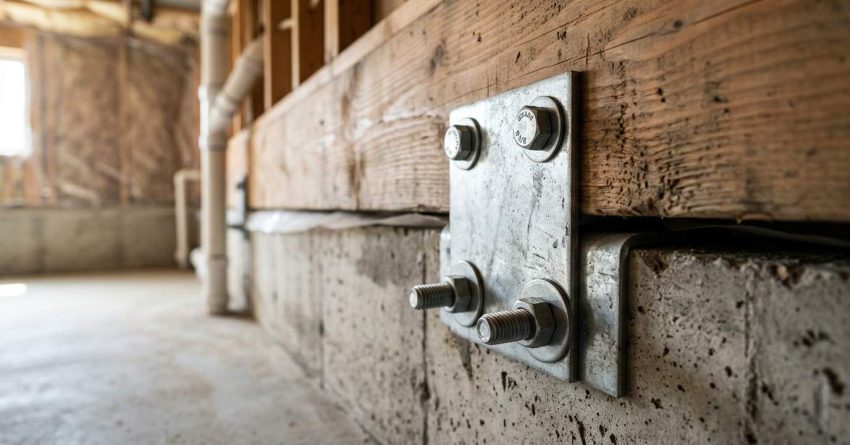
Earthquake bracing for houses is a structural reinforcement process that secures a home’s frame, foundation, and walls to reduce damage and collapse risk during seismic events. Most residential structures built before 1980 lack adequate seismic connections, leaving them vulnerable to significant structural failure even in moderate earthquakes. Understanding which bracing systems apply to your home, how installation works, and what the process costs helps you make a confident, informed decision before the next seismic event occurs.
This matters now because aging housing stock across the USA continues to go unretrofitted, and the gap between a protected home and an unprotected one can mean the difference between minor repairs and total loss.
This guide covers earthquake bracing system types, the step-by-step installation process, warning signs your home needs bracing, and how to choose a qualified contractor.
What Is Earthquake Bracing for Houses?
Earthquake bracing for houses refers to a set of structural reinforcement techniques that connect a home’s wooden frame to its concrete foundation and strengthen vulnerable wall sections. Without these connections, seismic ground movement causes the structure above to shift, slide, or collapse independently of the foundation beneath it.
The process is also called seismic retrofitting. It applies to existing homes that were built before modern building codes required seismic connections as standard practice. Newer construction typically incorporates these requirements during the original build, but older homes require retrofitting as a separate project.
Earthquake bracing is one component of a broader category of protective home upgrades — our safety and mobility services covers the full range of structural safety solutions available for residential and commercial properties.
Why Earthquake Bracing Matters for Homeowners
Homes without seismic bracing face three primary failure modes during an earthquake: foundation separation, cripple wall collapse, and soft-story failure. Each of these failure types can render a home uninhabitable, and repair costs following structural failure routinely exceed the cost of proactive retrofitting by a significant margin.
Beyond structural protection, earthquake bracing directly affects homeowner insurance eligibility and premium rates in high-risk seismic zones. Many insurers in California, Oregon, Washington, and other seismically active states offer premium discounts for retrofitted homes, and some policies now require documented retrofitting for new coverage applications.
Minor structural vulnerabilities identified during a seismic assessment are often addressed alongside other home repairs — our handyman repair services explains how skilled professionals handle a wide range of property maintenance tasks in a single visit.
Property value is also a factor. Homes with documented seismic retrofitting sell faster and at higher prices in earthquake-prone markets, as buyers increasingly request retrofit documentation as part of the purchase process.
Types of Earthquake Bracing Systems
Three primary earthquake bracing systems address the most common residential structural vulnerabilities. The correct system for any home depends on its construction type, age, foundation design, and local seismic risk classification.
Each bracing system type addresses a different structural vulnerability, and understanding which applies to your home is the first step toward protection — our structural safety solutions outlines the full spectrum of services designed to keep residential properties secure.
Cripple Wall Bracing
Cripple walls are short wood-framed walls that sit between a home’s foundation and the first floor. They are common in homes built before 1980 and are among the most frequent points of seismic failure. During an earthquake, unbraced cripple walls can rack, buckle, or collapse, causing the entire structure above to drop or shift.
Cripple wall bracing involves installing plywood sheathing panels along the interior face of these short walls, creating a rigid diaphragm that resists lateral seismic forces. The plywood is fastened to existing framing with structural nails at specified intervals, and the assembly is connected to the foundation with anchor bolts. This system is one of the most cost-effective retrofits available for older wood-frame homes.
For a detailed breakdown of this specific system, our cripple wall bracing guide walks through the installation process, material requirements, and permit considerations step by step.
Foundation Bolting
Foundation bolting connects the wooden mudsill — the lowest horizontal framing member — directly to the concrete foundation using anchor bolts or epoxy-set threaded rods. Without this connection, the entire wood frame can slide off the foundation during lateral ground movement, even if the foundation itself remains intact.
This retrofit is often performed alongside cripple wall bracing because both address the connection between the foundation and the wood frame. Foundation bolting alone is appropriate for homes that sit directly on a concrete perimeter foundation without a cripple wall section.
Homeowners researching this specific system can find detailed installation and cost information in our foundation bolting guide, which covers bolt spacing requirements, epoxy versus mechanical anchors, and local code compliance.
Soft-Story Retrofitting
Soft-story buildings have one or more floors that are significantly weaker than the floors above them. The most common example is a multi-unit residential building with an open parking garage or large window openings on the ground floor. During an earthquake, the weak story collapses while upper floors remain relatively intact, causing a pancake-style structural failure.
Soft-story retrofitting typically involves installing steel moment frames, shear walls, or a combination of both at the weak story level. This is a more complex and costly retrofit than cripple wall bracing or foundation bolting, and it often requires engineering drawings and city permits before work can begin.
Many US cities with high seismic risk have enacted mandatory soft-story retrofit ordinances. Our soft-story retrofitting guide covers city-specific requirements, engineering standards, and what property owners can expect throughout the compliance process.
How the Earthquake Bracing Process Works
Earthquake bracing installation follows a structured sequence that begins with a professional assessment and ends with a final inspection. Understanding each phase helps homeowners plan timelines and budget accurately.
Homeowners planning upgrades can explore how home structural remodeling services complement seismic retrofitting work during the same project phase.
Step 1: Home Assessment
A licensed contractor or structural engineer inspects the home’s foundation type, crawl space, cripple wall configuration, and existing anchor connections. The assessment identifies which bracing systems are needed, documents existing conditions, and produces a scope of work. This step typically takes two to four hours for a standard single-family home.
Homeowners who want to understand exactly what this inspection involves can review our seismic home assessment guide, which explains what inspectors look for, what documentation they produce, and how to prepare your home for the visit.
Step 2: Permit and Planning
Most earthquake bracing projects require a building permit. The contractor submits plans to the local building department, which reviews them for code compliance before issuing approval. Permit timelines vary by jurisdiction but typically range from one to four weeks. Some municipalities offer expedited review for seismic retrofit projects.
Permit requirements differ significantly by state and city. Our earthquake retrofit permits guide covers which projects require permits, how to apply, and what happens if work is done without one.
Step 3: Installation and Inspection
Once permits are approved, installation begins. For cripple wall bracing and foundation bolting on a standard single-family home, installation typically takes one to three days. Soft-story retrofits take longer depending on scope and building size. After installation, a city inspector visits the site to verify that work meets code requirements before the permit is closed.
Signs Your Home Needs Earthquake Bracing
Several observable conditions indicate that a home lacks adequate seismic protection and should be evaluated by a qualified contractor.
Homes built before 1980 without documented retrofit work are the most common candidates. Visible cracks in interior walls and ceilings are among the most common warning signs of structural movement — if you notice these issues, our drywall and ceiling repair explains how surface damage is assessed and restored after structural work is completed.
Additional warning signs include:
- A raised foundation with a crawl space and no visible anchor bolts connecting the mudsill to the concrete
- Short wood-framed walls visible in the crawl space with no plywood sheathing
- A ground-floor garage or large open area directly beneath living space
- Previous earthquake damage that was repaired cosmetically but not structurally
- A home located in a USGS-designated high seismic hazard zone
If any of these conditions apply, a professional seismic assessment is the appropriate next step.
Cost of Earthquake Bracing for Houses
Earthquake bracing costs vary based on the system required, the home’s size and construction type, local labor rates, and permit fees. General cost ranges for the most common retrofit types are as follows.
Cripple wall bracing for a standard single-family home typically ranges from $3,000 to $7,000. Foundation bolting alone ranges from $1,500 to $4,000. Combined cripple wall and foundation bolting projects fall between $3,000 and $10,000 depending on scope. Soft-story retrofits are significantly more expensive, with costs commonly ranging from $60,000 to $130,000 or more for multi-unit residential buildings.
Several US states and municipalities offer financial assistance programs for seismic retrofitting. California’s Earthquake Brace + Bolt program, administered through the California Residential Mitigation Program, has provided grants to qualifying homeowners in participating ZIP codes. Homeowners should check current program availability directly with their state’s emergency management or housing agency, as funding cycles and eligibility requirements change annually.
Understanding the cost of earthquake bracing is easier when viewed alongside the full range of protective investments available — our home safety upgrades provides context on how seismic retrofitting fits within a broader property safety plan.
For a detailed regional cost breakdown, our earthquake bracing cost guide covers pricing by system type, factors that affect final cost, and how to evaluate contractor quotes.
Choosing a Qualified Earthquake Bracing Contractor
Seismic retrofitting is a licensed construction activity in most US states. Homeowners should verify that any contractor they hire holds a current general contractor or specialty contractor license in their state, carries general liability insurance, and has documented experience with seismic retrofit projects specifically.
Key questions to ask before hiring include whether the contractor has completed projects under the same permit jurisdiction, whether they provide a written scope of work and fixed-price contract, and whether they handle permit applications on the homeowner’s behalf.
Avoid contractors who offer to complete seismic work without permits, as unpermitted retrofitting may not meet code, may not satisfy insurance requirements, and can create complications during a home sale.
Selecting the right contractor for seismic work requires the same careful vetting process used for any structural service — our qualified safety professionals connects homeowners with vetted experts across all residential safety and mobility service categories.
Conclusion
Earthquake bracing for houses addresses the structural vulnerabilities that cause the most preventable damage during seismic events, from unanchored foundations to unbraced cripple walls and weak-story failures. The right system depends on your home’s age, construction type, and local seismic risk.
Proactive retrofitting protects property value, supports insurance eligibility, and reduces the risk of catastrophic structural loss in high-seismic-risk regions across the USA.
Mr. Local Services connects homeowners and property managers with qualified seismic retrofitting professionals who assess, plan, permit, and install the right bracing system for your home — contact us today to schedule a seismic assessment and take the first step toward a structurally protected property.
Frequently Asked Questions
What is the difference between earthquake bracing and earthquake retrofitting?
Earthquake bracing and earthquake retrofitting refer to the same category of structural work. Bracing describes the physical components installed, while retrofitting describes the overall process of upgrading an existing structure to meet current seismic standards. Both terms are used interchangeably by contractors and building departments.
Does my home need earthquake bracing if it was built after 1980?
Homes built after 1980 were generally constructed under building codes that required basic seismic connections, but this does not guarantee full protection. Homes built between 1980 and the mid-1990s may still lack adequate cripple wall bracing or foundation bolting depending on the jurisdiction. A professional assessment is the only reliable way to confirm your home’s current seismic status.
How long does earthquake bracing installation take?
For a standard single-family home requiring cripple wall bracing and foundation bolting, installation typically takes one to three days after permits are approved. Soft-story retrofits for multi-unit buildings take longer, often several weeks, depending on the scope of structural work required.
Will earthquake bracing affect my homeowner’s insurance premium?
Many insurers in high-seismic-risk states offer premium discounts for homes with documented seismic retrofitting. The discount amount and eligibility requirements vary by insurer and state. Homeowners should contact their insurance provider directly after completing a retrofit to request a premium review and provide documentation of the completed work.
Is earthquake bracing required by law?
Mandatory seismic retrofitting requirements vary by location. Several California cities, including Los Angeles and San Francisco, have enacted mandatory retrofit ordinances for specific building types, particularly soft-story multi-unit residential buildings. Single-family homeowners are generally not subject to mandatory retrofit laws, but local requirements should be verified with the city or county building department.
Can I do earthquake bracing myself?
Some jurisdictions allow homeowners to pull their own permits and perform seismic retrofit work on their primary residence, but this is not recommended for most homeowners. Seismic retrofitting requires precise fastener placement, structural knowledge, and compliance with engineering standards. Errors in installation can reduce or eliminate the effectiveness of the retrofit and may not pass inspection.
How do I know if my home has already been retrofitted?
The most reliable way to confirm prior retrofitting is to check with your local building department for permit records associated with your property address. Visible signs of prior work include plywood sheathing on cripple walls, anchor bolts visible at the mudsill, and steel hardware connecting framing members in the crawl space. A contractor can confirm the presence and adequacy of existing retrofitting during a site assessment.