Some bathroom upgrades pay for themselves in comfort, resale value, and daily function — while others drain your budget without delivering meaningful returns. Knowing which improvements belong in which category helps homeowners, landlords, and property managers spend wisely and avoid costly regrets.
Bathroom renovations consistently rank among the top home improvements for return on investment, making upgrade decisions more important than ever for property value and livability.
This guide covers the six most valuable custom bathroom upgrades, explains what each one includes, and helps you prioritize based on your property goals and budget.
1. Walk-In Showers: A High-Impact Upgrade Buyers Notice
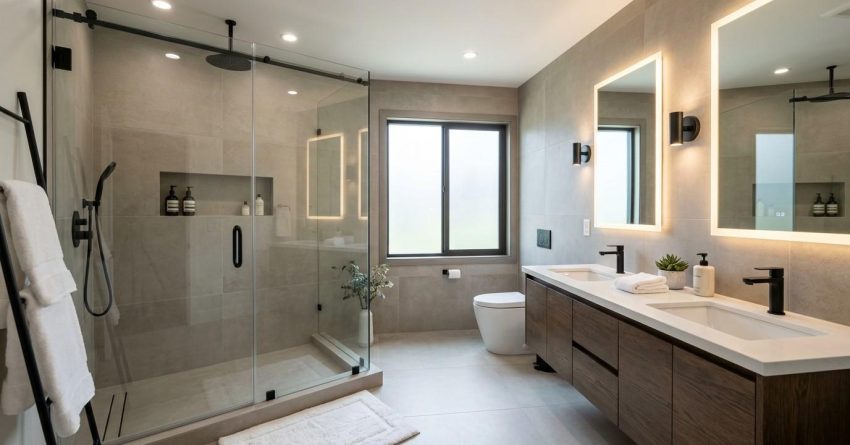
Walk-in showers are one of the most requested bathroom upgrades in the U.S. residential market. They replace traditional tub-shower combos with an open, accessible design that appeals to a wide range of buyers and renters — from young professionals to older adults planning to age in place.
What the Upgrade Includes
A walk-in shower installation typically involves removing the existing tub or shower unit, waterproofing the walls and floor, installing a shower pan or custom tile base, adding glass enclosures or frameless doors, and connecting new plumbing fixtures including the showerhead, valve, and drain. Tile work, niche shelving, and bench seating are common additions that increase both function and visual appeal.
Why It’s Worth the Investment
Walk-in showers consistently rank among the top bathroom features that influence buyer decisions. According to the National Association of Realtors, bathroom remodels recover a strong percentage of their cost at resale, with walk-in showers cited as a top feature by buyers. Walk-in shower installations are one of the most requested upgrades our bathroom remodeling services team handles — and for good reason, as they consistently rank among the top features buyers look for in a renovated home.
2. Vanity and Sink Replacements: Style Meets Function
A dated vanity is one of the first things buyers and renters notice in a bathroom. Replacing it is a mid-range investment that delivers an outsized visual impact and improves daily usability at the same time.
What the Upgrade Includes
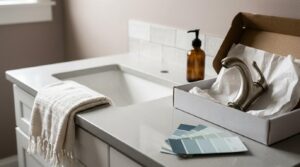
Vanity replacement involves removing the existing cabinet, countertop, and sink, then installing a new unit with updated plumbing connections. Options range from freestanding pedestal sinks for smaller bathrooms to double-sink vanities with storage for primary bathrooms. Countertop materials include quartz, marble, and solid surface options. Faucet upgrades, new drain hardware, and mirror replacements are typically completed at the same time to create a cohesive finished look.
Why It’s Worth the Investment
A new vanity improves storage, updates the visual tone of the entire bathroom, and addresses common issues like water-damaged cabinetry, cracked countertops, and outdated fixtures. For rental properties, a vanity upgrade reduces maintenance calls and increases perceived value, supporting higher rental rates. For homes being prepared for sale, it is one of the most cost-effective cosmetic improvements available.
3. Flooring Upgrades: Durability and Design Combined
Bathroom flooring takes more abuse than almost any other surface in the home. It faces constant moisture, temperature changes, and heavy foot traffic. Upgrading to the right material protects the subfloor, reduces long-term maintenance costs, and significantly improves the room’s appearance.
What the Upgrade Includes
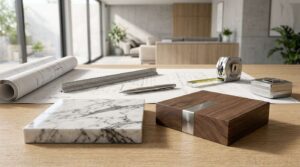
Bathroom flooring upgrades typically involve removing existing tile, vinyl, or laminate, inspecting and repairing the subfloor if needed, and installing new material. Popular choices include porcelain tile for its durability and water resistance, luxury vinyl plank for its comfort and ease of installation, and natural stone for premium applications. Heated floor systems can be added beneath tile during installation for added comfort. From porcelain tile to luxury vinyl plank, understanding your full range of bathroom flooring options helps you choose a surface that balances moisture resistance, durability, and visual appeal for long-term value.
Why It’s Worth the Investment
Flooring is one of the first things people feel and see when they enter a bathroom. Cracked, stained, or outdated flooring signals neglect and reduces perceived property value. A quality flooring upgrade eliminates moisture infiltration risks, prevents subfloor damage, and creates a clean, modern foundation that makes every other element in the bathroom look better.
4. Toilet Upgrades: Efficiency and Comfort Worth Paying For
Toilets are not the most glamorous upgrade, but they are among the most practical. Older toilets use significantly more water per flush than modern models, and worn components lead to constant repairs. Upgrading to a high-efficiency or comfort-height toilet delivers measurable savings and improved daily function.
What the Upgrade Includes
A toilet upgrade involves removing the existing unit, inspecting the flange and floor seal, and installing a new toilet with updated supply line connections. Modern options include dual-flush models that reduce water consumption, comfort-height designs that are easier to use for adults and older individuals, and smart toilets with integrated bidet functions, heated seats, and automatic flushing. Installation is typically completed in a few hours by a licensed plumber.
Why It’s Worth the Investment
The U.S. Environmental Protection Agency’s WaterSense program reports that WaterSense-labeled toilets use 20% less water than standard models, saving the average household approximately 13,000 gallons per year. For landlords managing multiple units, the cumulative water savings across a property portfolio make toilet upgrades a financially sound decision. For homeowners, the combination of lower utility bills and reduced maintenance makes the upgrade pay for itself over time.
5. Lighting and Ventilation: The Overlooked Essentials
Lighting and ventilation are the two most commonly overlooked elements in bathroom upgrades — and the two that have the most impact on daily comfort, air quality, and long-term structural health. Poor ventilation causes mold, mildew, and moisture damage. Poor lighting makes every other upgrade look worse than it is.
What the Upgrade Includes
Lighting upgrades typically include replacing outdated fixtures with LED vanity lights, adding recessed ceiling lighting for general illumination, and installing dimmer switches for adjustable ambiance. Ventilation upgrades involve replacing old exhaust fans with Energy Star-rated models that move more air more quietly, or adding combination units that include lighting, heating, and humidity sensors. Both upgrades require licensed electrical work to ensure code compliance and safe installation. Proper lighting and ventilation require licensed work, and our bathroom electrical upgrades explains what a certified electrician handles during a bathroom lighting or exhaust fan installation.
Why It’s Worth the Investment
Inadequate ventilation is the leading cause of bathroom mold and mildew, which damages walls, ceilings, and grout over time. According to the U.S. Department of Energy, proper bathroom ventilation reduces moisture-related damage and improves indoor air quality significantly. Upgrading both lighting and ventilation together during a bathroom renovation is more cost-effective than addressing them separately and ensures the finished space looks and functions at its best.
6. Safety and Mobility Features: Smart Upgrades for Every Home
Safety upgrades are no longer just for older adults or individuals with mobility challenges. They are increasingly standard features in renovated bathrooms because they add function, reduce liability for landlords, and appeal to a broad range of buyers including families with young children and anyone planning to stay in their home long-term.
What the Upgrade Includes
Safety and mobility upgrades include grab bar installation near the toilet and shower, non-slip flooring or anti-slip coatings, walk-in tub conversions, handheld showerhead installations, fold-down shower seats, and threshold-free shower entries. These features can be added to an existing bathroom without a full remodel, making them accessible at almost any budget level. Grab bars, non-slip surfaces, and walk-in tub conversions are all covered in detail on our safety and mobility upgrades , which outlines every feature available for aging-in-place and accessibility improvements.
Why It’s Worth the Investment
The AARP Public Policy Institute reports that 77% of adults 50 and older want to remain in their homes as they age, making aging-in-place features a growing priority for homeowners. For landlords, safety features reduce the risk of tenant injuries and associated liability. For property managers, they increase the appeal of units to a wider tenant demographic, including older renters who prioritize accessibility.
How to Prioritize Bathroom Upgrades on Any Budget
Not every bathroom needs every upgrade. The right starting point depends on the property’s current condition, the owner’s goals, and the available budget. A structured approach prevents overspending on cosmetic improvements while structural or functional issues remain unaddressed.
Matching Upgrades to Your Property Goals
Start with any upgrade that addresses a safety risk or prevents structural damage — ventilation, flooring integrity, and plumbing leaks come first. Next, prioritize upgrades with the highest return on investment relative to cost, which typically means vanity replacements and flooring before full shower conversions. Save premium upgrades like walk-in showers and smart toilets for properties where the investment aligns with the target buyer or rental market.
For rental properties, focus on durability and low maintenance over aesthetics. For homes being prepared for sale, focus on the upgrades that photograph well and appeal to the broadest buyer pool. For primary residences, prioritize the upgrades that improve daily comfort and long-term livability.
For smaller bathroom improvements that don’t require a full remodel — like fixture swaps, caulking, or hardware updates — our handyman repair services covers the scope, timeline, and cost expectations for each task.
Whether you’re planning a single upgrade or a full bathroom transformation, our home remodeling guide walks through every service category, helping you build a realistic plan that fits your budget and property goals. If you’re ready to move forward, connecting with a trusted professional ensures the work is done right the first time.
Conclusion
Custom bathroom upgrades deliver real value when chosen strategically — improving daily function, reducing maintenance costs, and increasing property appeal for buyers and renters alike.
The upgrades that consistently pay off combine practical performance with visual impact: walk-in showers, quality flooring, updated vanities, and safety features that serve a wide range of users.
At Mr. Local Services, our team connects you with skilled professionals who handle every bathroom upgrade with quality workmanship and transparent pricing — so you invest with confidence and get results that last.
Frequently Asked Questions
Which bathroom upgrade adds the most resale value?
Walk-in showers and vanity replacements consistently rank as the highest-return bathroom upgrades at resale. They improve both the visual appeal and functional quality of the space, which buyers notice immediately during showings.
How much does a custom bathroom upgrade typically cost?
Costs vary widely depending on the scope. Vanity replacements can range from a few hundred to several thousand dollars, while walk-in shower conversions typically range from $3,000 to $10,000 or more depending on materials and complexity.
Do bathroom upgrades increase rental income?
Yes. Updated bathrooms with modern fixtures, quality flooring, and safety features allow landlords to command higher rents and attract more reliable tenants. Durability-focused upgrades also reduce maintenance costs over time.
Are safety and mobility upgrades only for older homeowners?
No. Grab bars, non-slip flooring, and accessible shower designs benefit households of all ages, including families with young children. They also future-proof the home for long-term use and broaden buyer appeal at resale.
How long do most bathroom upgrades take to complete?
Scope determines timeline. A toilet or vanity replacement can be completed in a single day. A full walk-in shower conversion typically takes three to seven days depending on tile work, plumbing, and drying time for waterproofing materials.