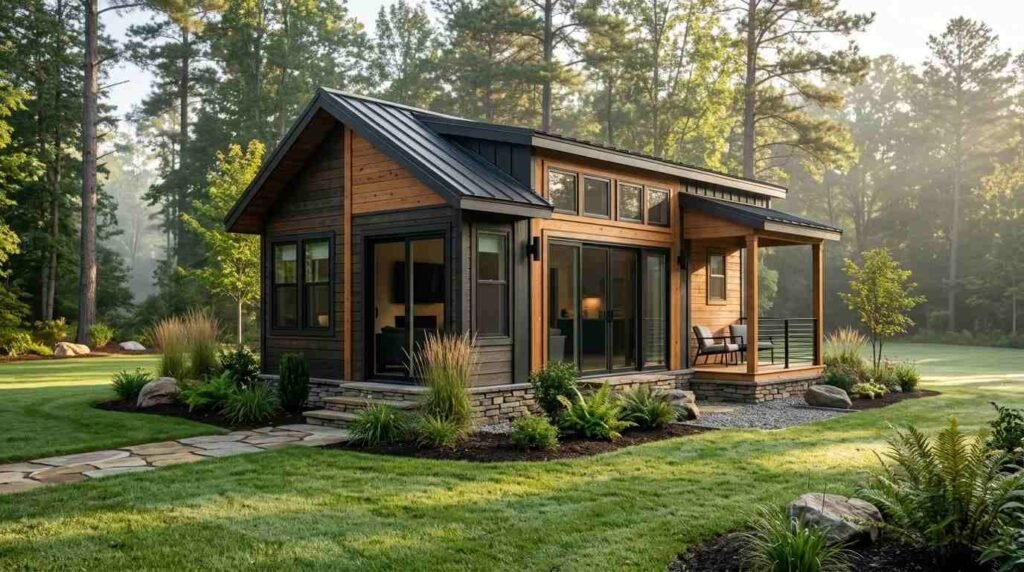
Park models lose value the way most manufactured housing does, but not at a fixed rate. A well-maintained park model on owned land holds value far better than one on a rented lot with a deferred maintenance history. I have watched two nearly identical units sell for wildly different prices because of exactly that gap.
Buyers researching a park model purchase want a straight answer before they commit real money. This guide breaks down actual depreciation patterns, the factors that swing resale price the most, and what a seller can control before listing.
I walk through whether park models appreciate or depreciate, the specific factors that drive resale value, how depreciation compares to RVs and manufactured homes, and what actually protects your investment when it comes time to sell.
Do Park Models Appreciate or Depreciate in Value?
Park models depreciate. They follow a curve closer to a vehicle than a traditional house, and that surprises a lot of first-time buyers who assume any “home” naturally gains equity over time.
A park model is a small transportable structure built on a single chassis, typically under 400 square feet, and classified more like recreational property than a site-built residence. That classification alone explains most of the resale gap between park models and conventional homes.
How Park Models Differ From Site-Built Homes in Value Terms
Site-built homes gain value from land appreciation, local market demand, and permanent foundation status. A park model usually sits on leased land or a seasonal lot, so it misses out on the land-value component entirely.
I tell clients to think of it in two separate pieces: the structure and the ground beneath it. The structure depreciates. The ground, if owned, is what actually holds or grows value.
Average Depreciation Rate for Park Models
Park models typically lose 20-30% of their value in the first five years, then depreciation slows to a steadier annual rate after that. It mirrors the early depreciation curve of a travel trailer more than a house.
Manufacturers and dealers rarely publish hard resale numbers, so I lean on real transaction patterns instead of dealer estimates. A unit bought new for $75,000 commonly resells in the 45,000-55,000 range at the five-year mark, assuming normal wear and no major neglect.
What Factors Affect Park Model Resale Value
Resale value swings on a handful of concrete variables, and buyers weigh these long before they ever discuss price. I walk every seller through this list before they set an asking number.
Location and Land Ownership vs. Leased Lot
A park model on owned land in a desirable area holds value dramatically better than the identical unit on a leased lot in a park with rising monthly fees. Land ownership converts part of the sale into a real estate transaction instead of a pure equipment sale.
Leased-lot situations also introduce park approval requirements for the buyer, which shrinks your pool of interested buyers. That smaller pool pushes negotiating power toward the buyer every time.
Age, Condition, and Maintenance History
Buyers pay a premium for documented maintenance and penalize units with visible neglect twice as hard as the actual repair cost would suggest. Roof condition, skirting integrity, and interior water damage get inspected first.
A unit with organized service records and recent HVAC or roofing work sells faster and closer to asking price. I have seen buyers walk away entirely over a musty smell that signaled hidden moisture problems.
How Park Model Depreciation Compares to RVs and Manufactured Homes
Park models occupy a middle tier of depreciation, worse than manufactured homes on permanent foundations but noticeably better than travel trailers and motorhomes. Understanding where they sit helps set realistic resale expectations.
A manufactured home is defined by HUD as a factory-built structure meeting federal construction standards and typically placed on a permanent foundation, which supports stronger long-term value retention than recreational-classified units.
Why Park Models Sit Between RVs and Manufactured Housing
RVs depreciate the fastest because they are built for mobility first and rarely qualify for real estate financing. Manufactured homes on owned land with permanent foundations depreciate the slowest because lenders treat them closer to conventional real estate.
Park models land in between because they combine RV-style construction with semi-permanent placement. That hybrid status is exactly why financing options and resale timelines vary so much from one park model to the next.
How to Protect and Maximize Your Park Model’s Resale Value
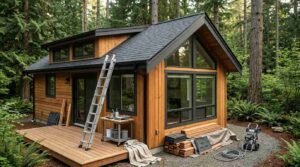
Depreciation is not entirely out of a seller’s hands. A handful of decisions made years before listing change the final sale number substantially.
Upgrades and Repairs That Pay Off
Roof replacement, updated skirting, and modernized HVAC systems consistently return more value than cosmetic interior upgrades. Buyers care about systems that prevent expensive future repairs far more than paint color or fixtures.
I always recommend addressing structural and moisture issues before touching anything cosmetic. A buyer’s inspector finds water damage immediately, and that discovery kills negotiating leverage instantly.
Documentation Buyers Expect to See
Serious buyers ask for maintenance records, prior inspection reports, and proof of any major system replacements before making an offer. Sellers who show up with organized paperwork close faster and negotiate from a stronger position.
Keep receipts for every major repair from day one of ownership. That habit alone often adds thousands to a final sale price years down the road.
What to Expect When Selling a Park Model
Selling a park model moves differently than selling a traditional house, and setting the right expectations upfront prevents frustration mid-process.
Realistic Timelines and Pricing Strategy
Park models typically take longer to sell than conventional homes because the buyer pool is smaller and often requires park or community approval. Pricing slightly below comparable units accelerates interest in a market where buyers already expect negotiation room.
I recommend pricing against actual comparable sales in the same community or region, not against the original purchase price. Sellers who anchor to what they originally paid consistently sit on the market longer and end up accepting lower offers anyway.
Conclusion
Park models depreciate, but the rate and final resale number depend heavily on land ownership, maintenance history, and documentation. That gap between a neglected unit and a well-maintained one is often tens of thousands of dollars.
Buyers and sellers who understand this hybrid depreciation curve make sharper decisions at every stage of ownership. We help homeowners maintain the systems that protect resale value long before a sale is ever on the table.
We handle the roofing, HVAC, and maintenance work that keeps a park model in sellable condition year-round. Reach out to Mr. Local Services before small issues turn into resale deal-breakers.
Frequently Asked Questions
Do park models ever increase in value?
Park models rarely increase in value on their own, but the land beneath them can. A unit on owned land in a high-demand area sometimes offsets structural depreciation with land appreciation.
What is the average lifespan of a park model home?
A well-maintained park model lasts 20-30 years before major structural replacement becomes necessary. Roofing, plumbing, and HVAC maintenance directly extend that lifespan.
Do park models depreciate like RVs?
Park models depreciate faster than manufactured homes but slower than RVs and travel trailers. Their semi-permanent placement and larger size soften the early depreciation curve compared to true recreational vehicles.
Can financing affect park model resale value?
Yes, units that qualify for conventional or chattel financing sell faster and closer to asking price. Cash-only sales narrow the buyer pool and often result in lower final offers.
Is it harder to sell a park model than a traditional home?
Selling typically takes longer because the buyer pool is smaller and many communities require buyer approval. Pricing realistically against local comparables shortens that timeline significantly.