Lennar’s bad reputation mostly comes down to three recurring complaints: construction quality issues, slow warranty follow-through, and inconsistent customer service after closing. I’ve seen these same themes show up across review sites, forums, and local homeowner groups for years.
None of this means every Lennar home has problems. It means enough buyers have hit the same friction points that the pattern became a reputation.
What Causes Lennar’s Reputation Problems
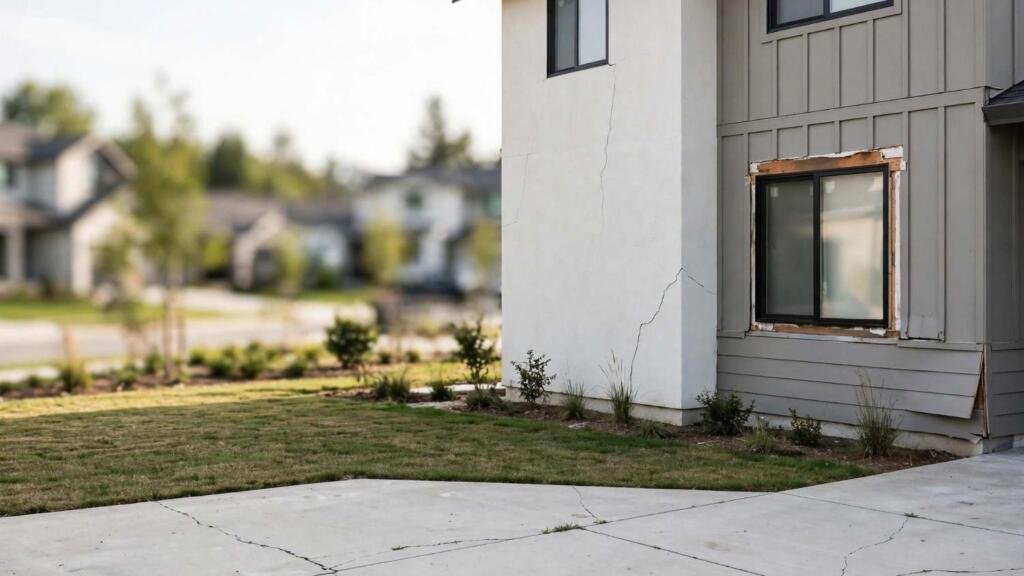
Lennar builds at massive scale, and that scale creates quality control gaps. Buyers report drywall cracks, uneven flooring, and HVAC systems installed incorrectly within the first year of ownership.
The other major driver is response time. Warranty claims sit for weeks. Customer service lines get buyers bounced between departments. I think that gap between “problem reported” and “problem fixed” is what turns a fixable issue into a bad review.
Construction Quality Complaints
Fast-paced builds sometimes skip the finer details. Trim work, paint finishes, and tile grouting are common complaint categories in post-closing inspections.
These issues aren’t usually structural. They’re cosmetic and functional annoyances that add up fast for a new homeowner.
Warranty and Customer Service Response Times
Lennar’s warranty program covers most major systems for the first year. The frustration isn’t the coverage; it’s the wait.
Buyers often describe multiple follow-up calls before a technician shows up. That delay is the single most repeated complaint I found across review platforms.
Fixing small defects fast usually means not waiting on the builder’s schedule. Many new homeowners bring in a reliable handyman service to resolve minor repairs while the warranty claim is still pending.
What New Homeowners Can Do About Common Build Issues

I always tell new homeowners the same thing. Document everything, photograph defects immediately, and don’t wait on a single contact method.
Parallel tracks work best. File the warranty claim, then schedule an independent inspection if the issue affects safety or function.
Common Post-Closing Repairs Homeowners Face
New-build plumbing problems show up more than people expect. Slow drains, minor leaks, and pressure issues are common enough that a plumbing inspection within the first six months is a smart move.
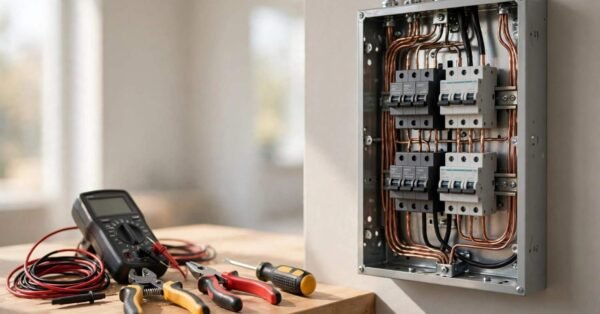
Electrical and HVAC checks follow close behind. These are the systems most affected by fast-paced construction schedules.
Is Lennar Worse Than Other Builders
Lennar isn’t unique here. Large production builders like D.R. Horton and KB Home carry similar complaint patterns for the same reasons: scale and speed.
The difference buyers notice is communication. Builders who respond faster to warranty claims tend to keep better reputations, regardless of defect rate.
Conclusion
Lennar’s reputation problems trace back to scale, not malice. Quality slips and slow warranty response create most of the frustration homeowners describe online.
New homeowners don’t have to wait on a builder’s timeline to fix small issues. Independent repairs keep a property safe and functional right away.
We built Mr. Local Services to handle exactly this gap. Our team connects you with trusted professionals fast, so small build issues never turn into bigger ones.
Frequently Asked Questions
Is Lennar a reliable homebuilder overall?
Lennar builds reliably at scale, but quality varies by market and crew. Most complaints involve finish work, not structural integrity.
How long does Lennar’s warranty last?
Lennar typically offers one year on workmanship, two years on systems, and ten years on structural elements, varying by state.
What are the most common Lennar complaints?
Slow warranty response, cosmetic defects, and inconsistent customer service communication top most review summaries.
Should I get an independent inspection on a new Lennar home?
Yes. An independent inspection catches issues the builder’s own walkthrough might miss, especially electrical and plumbing systems.
Can I hire outside contractors during the warranty period?
Yes, for non-structural repairs. Major system work should go through the builder first to avoid voiding warranty coverage.