I get asked this a lot by homeowners who are nervous before signing with a large production builder. The honest answer is that no single builder holds a permanent title, but the builders who construct the most homes nationally tend to rack up the most lawsuits. Volume drives litigation more than reputation does.
Which Home Builder Faces the Most Lawsuits
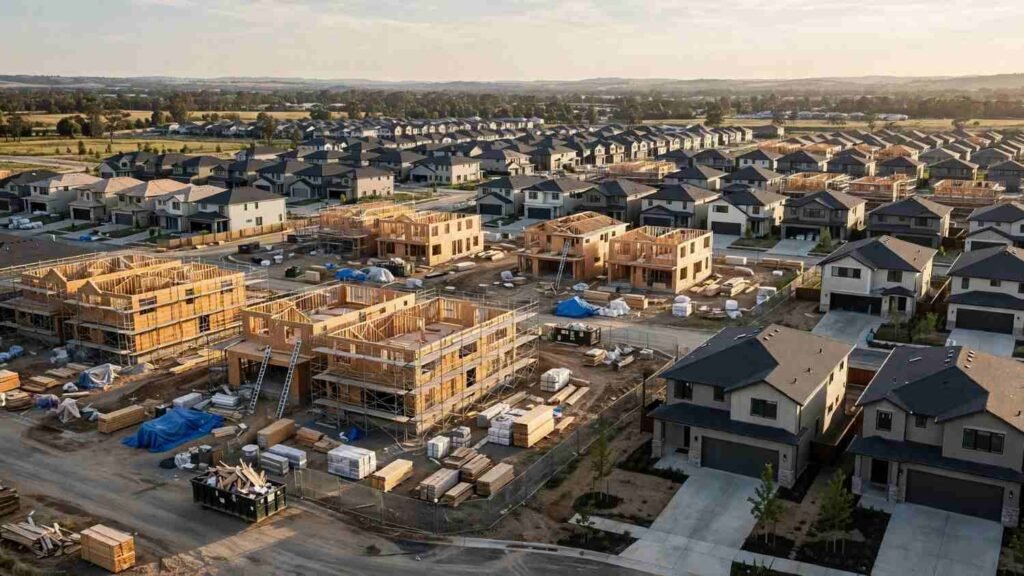
Large national production builders like D.R. Horton, Lennar, and KB Home appear most often in construction defect litigation and consumer complaint databases. That’s not necessarily because their quality is worse. They simply build far more homes per year than regional builders, so the raw number of disputes climbs with volume.
Common Reasons Builders Get Sued
Most lawsuits against builders fall into a few predictable buckets. Foundation and structural defects top the list, followed by water intrusion, electrical code violations, and HVAC systems that were installed incorrectly. HOA communities also file class action suits when defects show up across multiple homes in the same subdivision.
Why Large Production Builders See More Claims
Production builders move fast. They use standardized designs and subcontractor crews across dozens of job sites at once. I’ve seen this speed create inconsistency, especially when a builder scales up quickly in a hot housing market without scaling its quality control at the same pace.
What This Means for Homeowners After Closing

A lawsuit against a builder doesn’t mean every home they built is defective. It does mean certain product lines or subdivisions had patterns worth investigating. We always tell clients to check their state’s consumer complaint database before assuming a problem is isolated to their house.
Warning Signs of Builder-Related Defects
Hairline cracks that keep returning after patching, doors or windows that stick seasonally, and musty smells in crawl spaces are early signs worth documenting. I’d photograph everything and keep dated records, because builder warranty claims almost always come down to documentation.
How to Protect Yourself When Issues Arise
We recommend homeowners request a full disclosure of past litigation before closing on a new build. A simple search of the builder’s name plus “lawsuit” in your state often surfaces pending or settled cases. Review boards and local contractor licensing sites add another useful layer of insight.
Conclusion
No builder is lawsuit-proof, but patterns do exist among the largest national builders. Volume, not necessarily quality, drives most of the litigation numbers you’ll find in public records.
Knowing this helps buyers ask sharper questions before signing a contract. It also helps existing homeowners recognize when a recurring issue might be part of a larger, documented pattern.
We can’t undo a builder’s track record, but we can help you address what’s showing up in your home right now. Reach out to Mr. Local Services for a straightforward assessment.
Frequently Asked Questions
Is there an official ranking of the most sued home builders?
No single official ranking exists. Lawsuit counts come from scattered state court records, consumer complaint sites, and class action filings, so comparisons are usually approximate rather than definitive.
Does a high number of lawsuits mean a builder is bad?
Not necessarily. Builders constructing tens of thousands of homes annually naturally accumulate more disputes than small regional builders, even with similar defect rates.
What’s the most common lawsuit against home builders?
Construction defect claims lead the list, covering foundation issues, water intrusion, and structural problems that surface months or years after closing.
Can I sue a builder after my warranty expires?
It depends on your state’s statute of repose, which often extends well beyond the manufacturer warranty period for serious structural defects.
How do I check if a builder has been sued before?
Search your state court’s public records system and local consumer protection agency complaint database using the builder’s legal business name.