I’ve raised three kids while running a full-time schedule, and the biggest lesson I learned is that cleaning tips only work when they fit real life. The busiest parents keep their homes under control with short daily resets, not marathon weekend cleanups. Ten focused minutes a day beats a single exhausting Saturday every time.
Cleaning falls apart fast in a house with kids, work deadlines, and school runs stacked on top of each other. And a messy home adds stress nobody has time for. I want this to feel doable, not like another chore on an already full plate.
I walk through quick daily habits that hold the line, weekly schedules built around a real parent calendar, kitchen and bathroom shortcuts for the messiest rooms, tools that save real time, and how to know when a professional deep clean makes more sense than pushing through alone.
Quick Daily Habits That Keep a Family Home Under Control
A clean home for a busy parent has nothing to do with perfection. It comes down to short, repeatable habits that stop mess from piling up in the first place.
I don’t chase spotless. I chase “good enough to function,” and that mindset alone cuts my stress in half most weeks.
The 10-Minute Reset Routine
I set a timer for ten minutes every evening after the kids are down. Dishes go in the dishwasher, surfaces get wiped, and anything out of place gets put back where it belongs.
This single habit prevents the Sunday-night deep clean from ever becoming necessary. Small daily resets compound the same way small savings do.
Assigning Micro-Tasks to Kids
Kids as young as three handle simple tasks like putting toys in a bin or wiping a low table. I keep the tasks tiny and specific, because a vague instruction like “clean your room” overwhelms a child the same way it overwhelms an adult.
Assigning ownership over one small task builds a habit that sticks well into their teenage years.
Weekly Cleaning Schedules That Actually Fit a Parent’s Calendar
A weekly schedule only works when it matches actual free time, not an idealized version of the week. I map cleaning tasks against school pickups, work meetings, and everything else already on the calendar.
Splitting Chores Across School and Work Days
I assign one or two focused tasks per weekday instead of saving everything for the weekend. Monday might be bathrooms, Tuesday might be floors, and Wednesday might be laundry.
Spreading tasks across the week keeps any single day from feeling overwhelming. And weekends stay open for the family instead of getting swallowed by chores.
Batch Cleaning by Room Zone
I clean by zone rather than by task type. I finish an entire room start to finish before moving to the next one, which cuts down on the mental switching that slows most people down.
This zone approach pairs well with the room-by-room house cleaning checklist I built for my own weekly rotation.
Kitchen and Bathroom Shortcuts for High-Traffic Messes

Kitchens and bathrooms take the hardest daily hit in a house with kids. These two rooms need the most frequent attention and the fastest possible reset methods.
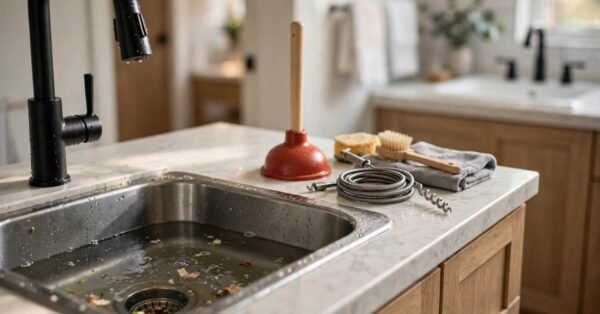
Fast Countertop and Sink Resets
I wipe counters immediately after meals instead of letting food residue sit and harden. A quick wipe takes fifteen seconds. A dried, stuck-on mess takes ten minutes and real scrubbing.
The sink gets the same treatment. Dishes go straight into the dishwasher or a soak bin, never left stacked on the counter.
Reducing Bathroom Grime Buildup Between Deep Cleans
A daily squeegee pass on the shower glass and a quick wipe of the sink basin keep soap scum and grime from setting in. The Mayo Clinic notes bathroom surfaces harbor bacteria that multiply quickly in moist environments, which makes frequent light cleaning more effective than occasional heavy scrubbing.
I keep a small caddy of bathroom wipes under each sink so the task takes under a minute.
Tools and Products That Cut Cleaning Time in Half

The right tools remove friction from cleaning, and friction is usually the real reason a task gets skipped. I stopped buying products I don’t reach for daily.
Multi-Surface Products Worth Keeping on Hand
A single multi-surface cleaner handles counters, appliance fronts, and most hard surfaces without switching bottles for every room. Fewer products mean less time hunting under the sink mid-task.
I keep one bottle per level of the house so I’m never walking upstairs mid-clean to grab supplies.
Storage Systems That Prevent Clutter Relapse
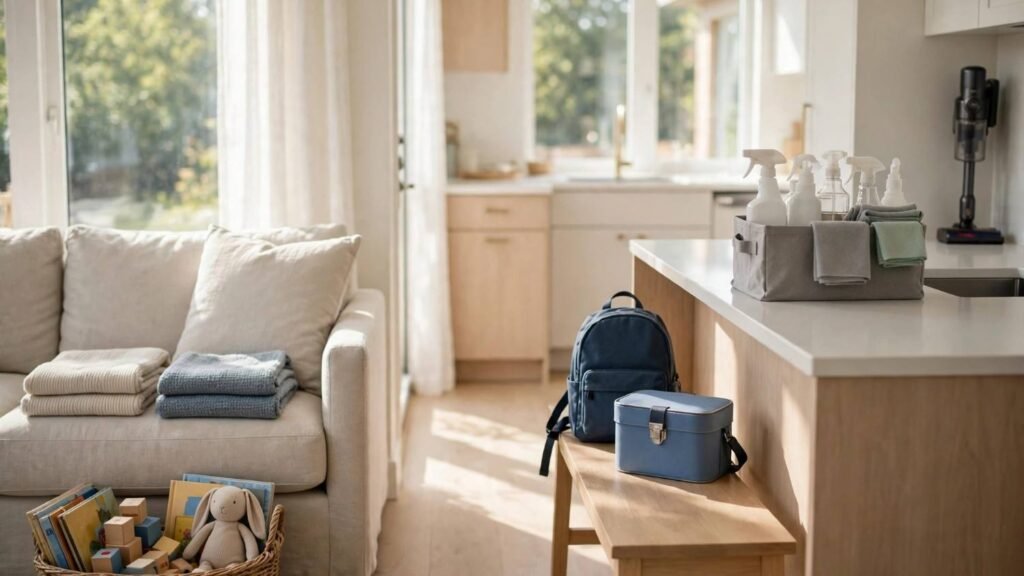
Clutter builds back up fast without a home for every item. I use labeled bins for toys, mail, and shoes near the entry, since entryways collect the most daily clutter in a family home.
A clear storage system for decluttering a home with kids stops the reset habit from undoing itself within a day.
Knowing When to Call In Professional Cleaning Help

Daily habits and weekly schedules handle the maintenance layer. Some messes and some seasons of life call for a deeper level of help than a busy parent can realistically manage alone.
Signs a Deep Clean Is Overdue
Grout lines that stay discolored after scrubbing, dust that returns within a day of wiping, or carpets holding onto odors all signal it’s time for a full professional pass. I look at these as signs the daily system needs backup, not signs I’ve failed at it.
A move-in or move-out deep clean also falls into this category, since that level of detail rarely fits into a normal week.
What a Professional Cleaning Visit Typically Covers
A standard professional visit handles baseboards, inside appliances, window tracks, and other spots that daily habits never reach. I bring in the cleaning services team at Mr. Local Services a few times a year to reset those deeper layers so my daily routine has a clean baseline to maintain.
Conclusion
Busy parents keep clean homes through small daily habits, realistic weekly schedules, and the right tools for high-traffic rooms, not through perfection or exhausting weekend marathons.
Cleaning becomes sustainable once it matches the actual rhythm of a household with kids and work demands. Small, consistent effort beats sporadic deep cleaning every time.
We built Mr. Local Services to back up that routine when life gets fuller than usual. Reach out when a deeper clean makes more sense than pushing through alone.
Frequently Asked Questions
What is the fastest way to clean a house with kids?
The 10-minute evening reset works fastest for busy parents. I focus on dishes, surfaces, and returning items to their place instead of a full clean every night.
How often should a busy parent deep clean their home?
Most families do well with a professional deep clean every two to three months. Daily and weekly habits handle everything in between those visits.
What cleaning tasks should kids help with?
Kids handle small, specific tasks like putting toys in bins or wiping low tables best. Vague instructions overwhelm children the same way they overwhelm adults.
How do I stop clutter from coming back after cleaning?
Labeled storage bins near high-traffic entry points stop most clutter relapse. Every item needs one specific home it returns to after use.
What’s the difference between daily cleaning and deep cleaning?
Daily cleaning maintains surfaces and prevents buildup, while deep cleaning addresses baseboards, appliance interiors, and grout that daily habits never reach. Both work together to keep a home functional.
How can I clean my kitchen faster after dinner?
Wiping counters immediately after meals and loading the dishwasher right away prevents the hardened messes that take real time to remove. Fifteen seconds now saves ten minutes later.
When should I call a professional cleaning service instead of doing it myself?
Discolored grout, returning dust within a day, or persistent odors signal it’s time for professional help. A full-service cleaning provider handles the deeper layers a weekly routine can’t reach.