
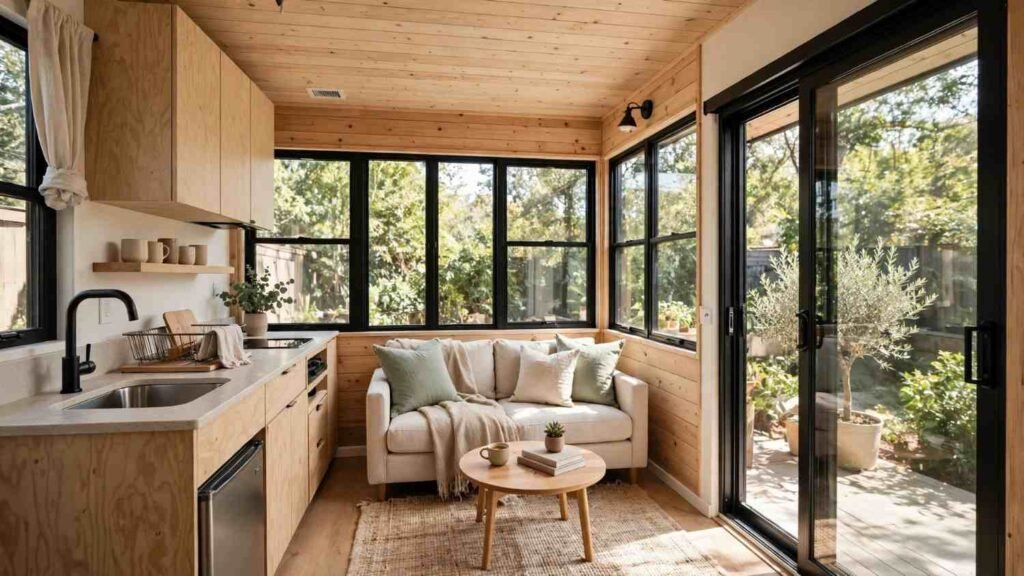
I’ve walked through dozens of ADU builds, and the windows and doors are where the whole energy budget either holds together or falls apart. A 400 to 800 square foot structure has almost no room for waste, so every window and door choice carries more weight than it would in a full-size house.
Heat loss through a poorly chosen window costs real money every single month, and it never stops costing you. That’s the part most first-time ADU owners don’t see coming until the first winter utility bill lands.
I’ll walk you through how windows and doors affect ADU energy performance and layout, the best options for efficiency and cost, how placement and code requirements shape your choices, what the real budget numbers look like alongside available rebates, and what to expect once installation starts.
Why Windows and Doors Matter So Much in a Small ADU
An accessory dwelling unit is a secondary, self-contained residential structure built on the same lot as a primary home, and it typically ranges from 400 to 1,200 square feet. That small footprint means the ratio of window and door surface area to total wall area runs much higher than in a standard house.
A single poorly sealed window in an ADU has an outsized effect on the whole unit’s comfort. There’s nowhere for that lost heat to hide in 500 square feet.
Thermal Performance in Compact Spaces
Every square foot of glass or door surface in an ADU works harder than the same square foot in a larger home. The U.S. Department of Energy notes that windows account for 25% to 30% of residential heating and cooling energy use, and that percentage climbs in smaller structures where windows make up a bigger share of total exterior surface.
I always tell clients to think about their ADU’s envelope as one tight system. A drafty door undoes the work of a well-insulated wall in a hurry.
Natural Light and Livability in an ADU
Small spaces feel bigger with the right light, and window placement does most of that work. I’ve seen a single well-placed window change how an entire studio ADU feels to live in.
Livability in a small structure comes down to a few smart decisions rather than a lot of square footage. Getting the light and airflow right up front saves a homeowner from feeling boxed in later.
Understanding Energy Efficiency Ratings for ADU Windows
Energy efficiency rating is a standardized measurement system that quantifies how much heat, light, and air a window or door allows to pass through. These numbers are not marketing language. They come from testing bodies and they tell you exactly what you’re buying.
I check these ratings before I recommend any product to a client, no exceptions. Skipping this step is how homeowners end up with windows that look great and perform poorly.
U-Factor and Solar Heat Gain Coefficient Explained
U-factor measures how well a window prevents heat from escaping, with lower numbers indicating better insulation. Solar Heat Gain Coefficient measures how much solar radiation passes through the glass, with lower numbers meaning less heat gain.
Cold climates want a low U-factor above almost everything else. Hot climates care more about a low SHGC to keep summer heat from turning the ADU into an oven.
ENERGY STAR Certification for Small Structures
ENERGY STAR certified windows meet or exceed federal efficiency guidelines set by the U.S. Environmental Protection Agency. I look for this label first because it strips out the guesswork on performance claims.
The certification applies regionally, so a window rated for the Northern zone isn’t automatically the right pick in the Southern zone. Matching the certification zone to your actual climate is a step I never skip.
Best Window Types and Materials for ADUs
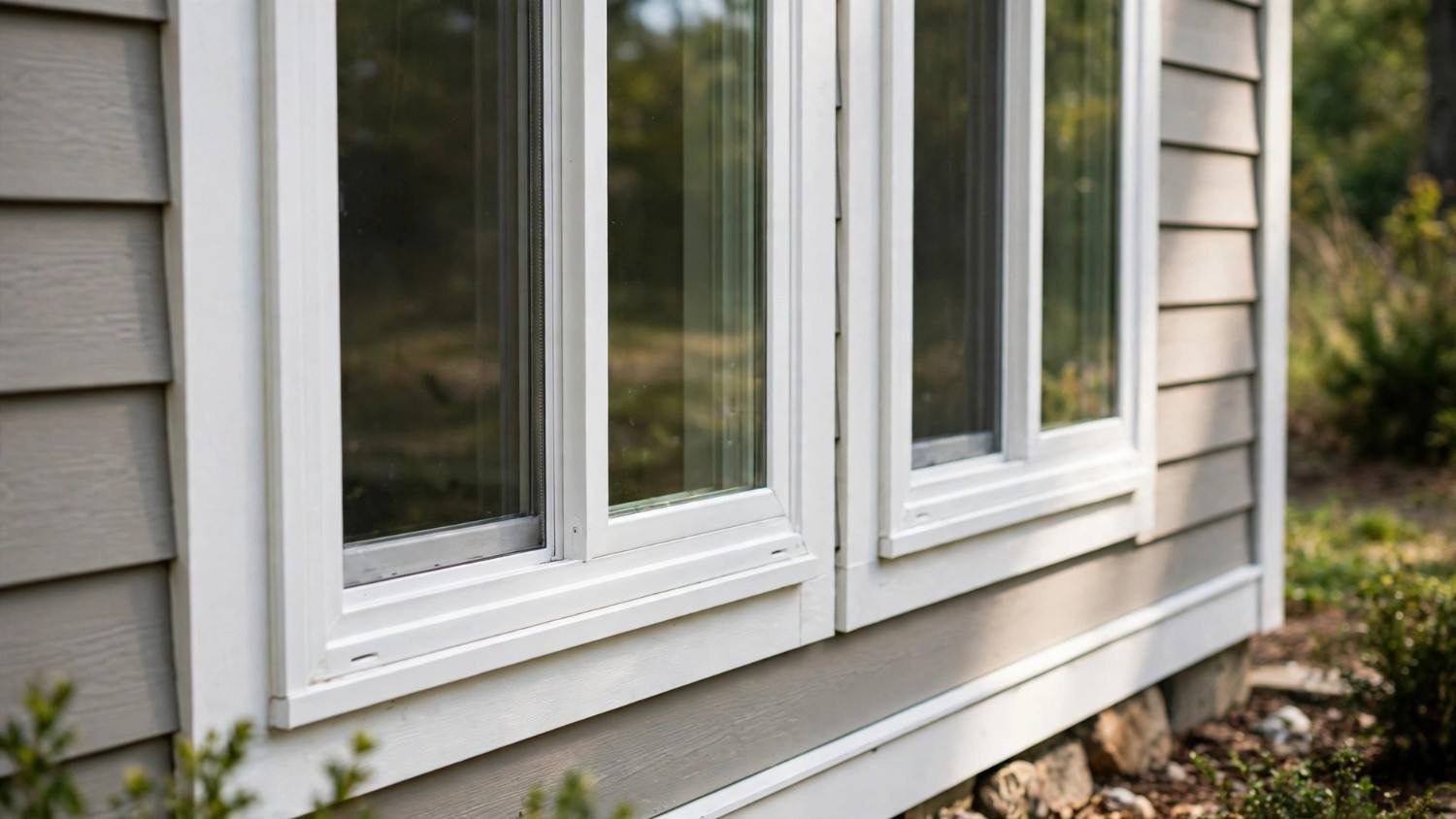
The window frame material affects durability, cost, and thermal performance just as much as the glass does. I’ve installed and compared every major option across dozens of small structures, and the differences show up fast in real-world use.
Material choice depends on climate, budget, and how much maintenance a homeowner actually wants to do. There’s no universal right answer here, just the right answer for a specific ADU.
Vinyl, Fiberglass, and Wood-Clad Comparison
Vinyl windows cost the least upfront and need almost no maintenance, which makes them the default choice for most ADU budgets. Fiberglass windows cost more but hold up better against temperature swings without warping.
Wood-clad windows look the best of the three and insulate well, but they demand ongoing upkeep that a lot of ADU owners underestimate. I steer budget-conscious clients toward vinyl or fiberglass almost every time.
Double-Pane vs Triple-Pane Glass
Double-pane glass covers most ADU climates adequately and keeps costs reasonable. Triple-pane glass adds meaningful insulation value in genuinely cold regions, but the price jump is significant for a structure this size.
I only push triple-pane on ADUs in harsh winter climates where the extra insulation actually earns back its cost. In milder regions, that upgrade rarely pays for itself.
Best Door Types for ADU Entryways and Interiors
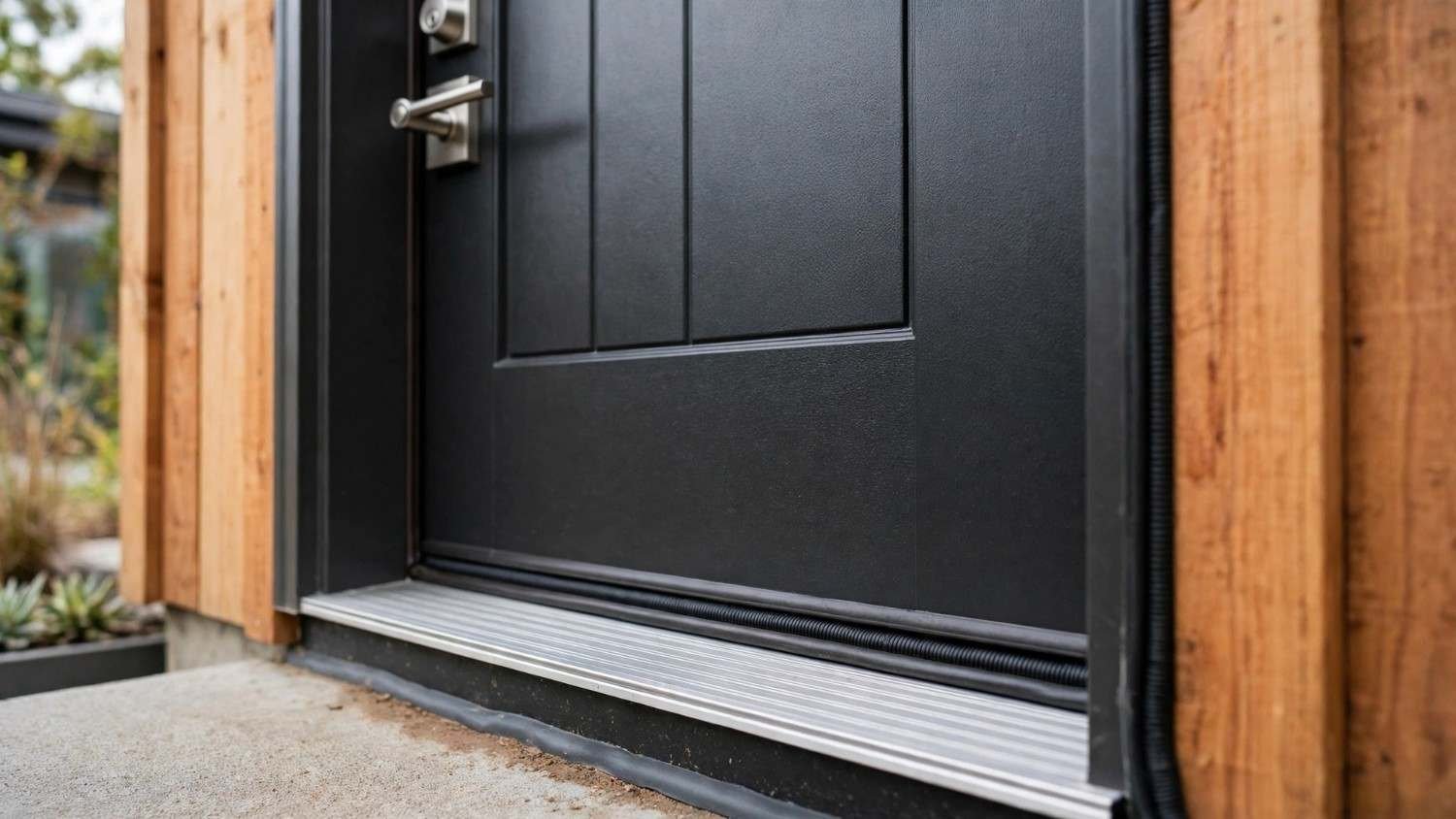
Doors leak more air than most homeowners expect, especially at the threshold and around the frame. An ADU’s compact size means a poorly sealed exterior door has a bigger relative impact on comfort than it would in a large house.
I treat door selection with the same seriousness as window selection on every ADU project. It’s an easy category to underinvest in, and it shows up in the energy bill fast.
Exterior Entry Doors for Energy Retention
Fiberglass and steel entry doors with foam cores retain heat far better than solid wood doors of the same thickness. I recommend a door with a certified thermal break for any ADU exterior entry point.
The weatherstripping around the frame matters just as much as the door material itself. A great door with poor weatherstripping still leaks air at the seams.
Sliding, French, and Interior Door Choices
Sliding doors work well for patio access in an ADU and don’t eat into interior floor space the way a swinging door does. French doors add light and a premium look but need more wall clearance to operate.
Interior doors matter less for energy performance but still affect sound transfer and privacy in a small unit. I usually recommend hollow-core interior doors to save budget for the exterior openings that actually affect the energy bill.
Window and Door Placement Strategy for Small Footprints
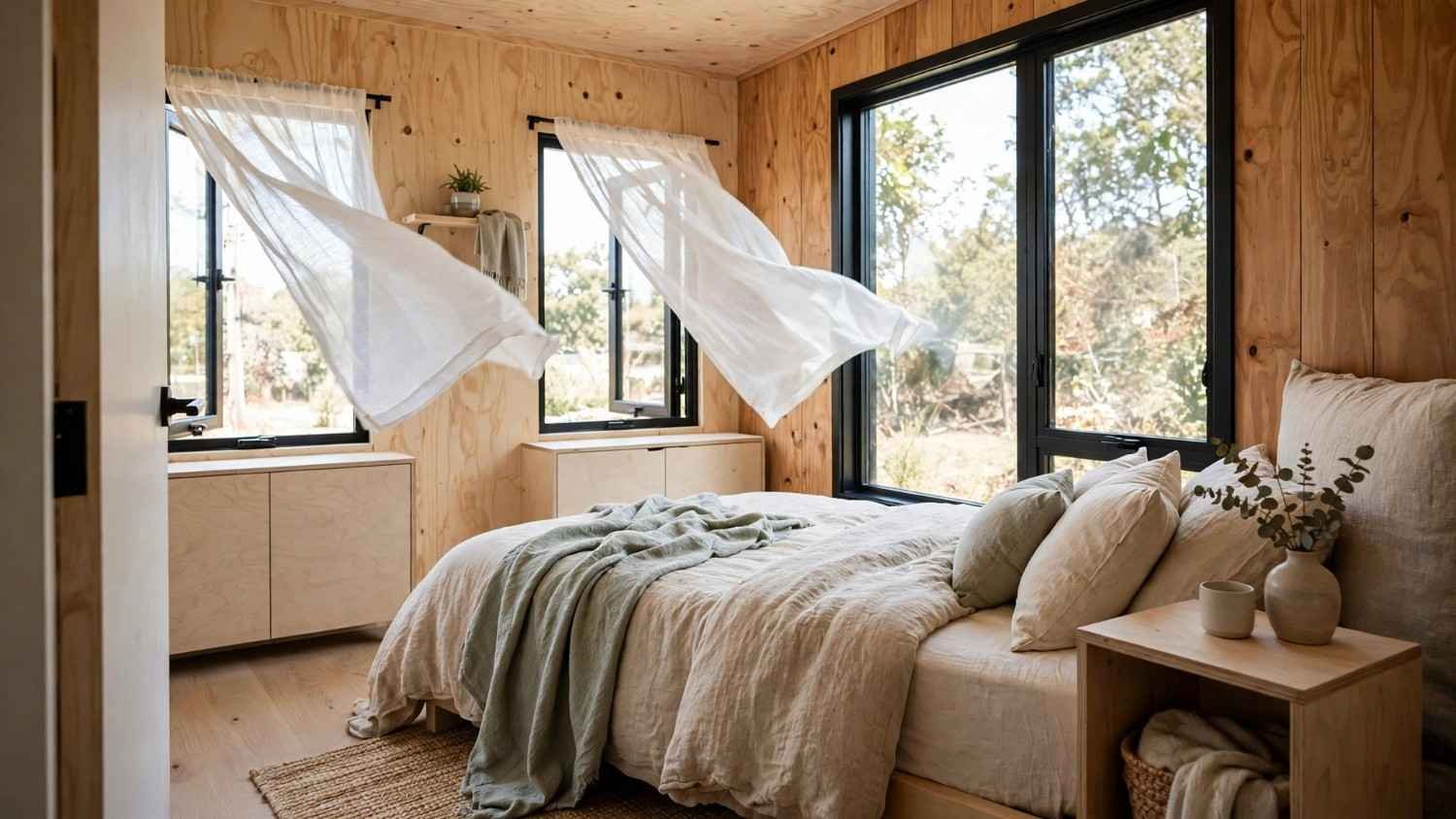
Placement decisions shape both airflow and daily livability far more in an ADU than in a full-size home. I map out window and door locations before anything else gets finalized on a small-structure plan.
Getting this wrong means living with a stuffy or oddly-lit space for years. Getting it right costs nothing extra beyond a bit of planning time.
Maximizing Cross Ventilation
Cross ventilation happens when windows on opposite or adjacent walls allow air to flow through a space naturally. I plan window placement around this principle first, because it cuts real cooling costs in warmer months.
A single window on one wall traps heat and stale air in a small unit. Two windows positioned to create a through-breeze change the whole feel of the space.
Egress Code Requirements for Bedrooms
Egress code requirement is a building regulation mandating that bedrooms include a window or door meeting minimum size and opening specifications for emergency exit. Any sleeping area in an ADU has to meet this standard regardless of the unit’s overall size.
I’ve seen ADU projects stall at inspection because the bedroom window came in just under the required opening size. Checking this dimension early avoids a costly rework later.
Budget Breakdown What ADU Windows and Doors Cost
Real numbers matter more here than general guidance, so I’ll give you actual ranges. Costs shift by material, size, and region, but the patterns hold across most markets I’ve worked in.
Budgeting accurately upfront keeps the rest of the ADU project from getting squeezed later. Windows and doors are not the place most people expect to overspend, but it happens often.
Cost Ranges by Material and Size
Vinyl windows for an ADU typically run $300 to $700 installed per unit, depending on size and glazing. Fiberglass windows run $500 to $1,000 installed, and wood-clad windows push $800 to $1,500 or more per unit.
Exterior entry doors with a thermal break typically cost $800 to $2,500 installed, depending on material and hardware. Interior doors run far less, usually $150 to $400 each installed.
Where to Splurge vs Where to Save
I tell clients to put the bigger budget toward the exterior entry door and any large window facing prevailing winter winds. Those two spots do the most damage to energy performance when underbuilt.
Interior doors and smaller secondary windows are the right place to save. The performance difference between a premium and standard interior door is negligible for energy purposes.
Energy Rebates, Tax Credits, and Incentive Programs
Rebate and incentive programs can offset a meaningful portion of window and door costs on an ADU project. I check these programs on every project because homeowners consistently leave money on the table by skipping this research.
Programs change yearly, so verifying current eligibility before purchasing is worth the extra step. A rebate that applied last year isn’t guaranteed to apply this year.
Federal Tax Credits for Efficient Windows
The Internal Revenue Service offers a federal tax credit covering 30% of the cost of qualifying energy-efficient windows and doors, up to annual limits. This credit applies to ENERGY STAR certified products installed in an existing or newly built qualifying residence.
I always recommend clients save every product certification label and receipt. The documentation requirement trips people up more than the eligibility rules do.
State and Utility Rebate Programs
Many state energy offices and local utility companies offer additional rebates stacked on top of the federal credit. These programs vary widely by state and even by specific utility provider within the same state.
I check the Database of State Incentives for Renewables & Efficiency early in any ADU project. It’s the most reliable single source for finding what’s actually available in a given area.
Local Building Codes and Permit Considerations
Building codes affect window and door choices more than most homeowners expect going into an ADU project. Codes vary by jurisdiction, and an ADU often falls under a slightly different code section than the primary residence.
I always pull the specific ADU code requirements for the property’s jurisdiction before finalizing any window or door order. Ordering the wrong size or rating means a return trip to the supplier and a delayed project.
Common Code Requirements Affecting Window/Door Choice
Local codes commonly regulate minimum window area relative to floor space, energy performance ratings by climate zone, and egress sizing for bedrooms. Some jurisdictions also mandate tempered glass near doors, stairs, or bathing areas.
These requirements exist for safety and consistency, not to make the process harder. I plan around them from the design stage rather than treating them as an afterthought.
Working With Inspectors on ADU Projects
Inspectors check window and door installation for correct flashing, sealing, and code-compliant hardware. I schedule inspections at the rough-in stage and again after finish work to avoid surprises at final sign-off.
A good working relationship with the local inspector’s office speeds up the whole process. I always ask directly what they check most often on ADU-specific installs.
Installation Timeline and What to Expect
Installation timing depends on the number of openings, the complexity of the framing, and whether the ADU is new construction or a conversion. I set realistic timeline expectations with clients before the first window ever arrives on site.
Delays happen most often around custom sizing and permit timing, not the actual installation labor. Planning for that buffer up front avoids a lot of frustration later.
Pre-Installation Prep and Measurements
Accurate measurements taken after framing but before drywall prevent costly reorders on custom window and door sizes. I measure twice and confirm against the manufacturer’s spec sheet before placing any order.
Custom sizes for ADU openings often carry longer lead times than standard sizes. Ordering four to six weeks ahead of the installation date keeps the project on schedule.
Typical Install Duration by Scope
A standard ADU with 4 to 6 windows and 2 doors typically takes one to two days for installation once materials are on site. Larger openings, custom sizes, or structural modifications extend that timeline.
I build in an extra day of buffer for any ADU project involving custom-sized openings. It’s rarely needed, but it protects the schedule when it is.
Common Mistakes Homeowners Make With ADU Windows and Doors
I’ve corrected the same handful of mistakes on enough projects to know they’re predictable. Catching them before installation saves money and rework.
Most of these mistakes come from treating an ADU like a smaller version of a full house rather than its own distinct structure. The rules and priorities shift with the scale.
Underestimating Insulation Around Frames
Homeowners focus heavily on the window or door product itself and skip the insulation and sealing around the frame. That gap is where a huge share of air leakage actually happens, regardless of how good the window itself is.
I insist on spray foam or proper backer rod and sealant at every frame on every ADU project. It’s a small material cost against a large energy performance payoff.
Ignoring Long-Term Maintenance Needs
Wood-clad windows and certain door finishes need periodic maintenance that homeowners often forget to plan for. Skipping upkeep shortens the lifespan of otherwise well-chosen products.
I walk every client through the maintenance schedule for whatever materials they choose before the project wraps. It takes five minutes and prevents a much bigger repair bill down the road.
Conclusion
Windows and doors shape an ADU’s energy performance, comfort, and daily livability more than any other single category. The right combination of material, placement, and rating keeps a small structure efficient year-round.
Budget, code compliance, and available rebates all connect directly to the choices covered here. Getting them right from the start protects both comfort and long-term costs.
We built Mr. Local Services to guide homeowners through exactly these decisions with clear answers and dependable work. Reach out to us to plan your ADU windows and doors the right way from day one.
Frequently Asked Questions
What is the best window material for an ADU?
Vinyl windows work best for most ADU budgets due to low cost and minimal maintenance. Fiberglass is a strong upgrade for durability in extreme climates.
How much do ADU windows typically cost?
ADU windows typically cost $300 to $1,500 installed per unit depending on material and size. Vinyl sits at the low end and wood-clad at the high end.
Do ADU windows qualify for federal tax credits?
ENERGY STAR certified windows and doors qualify for a federal tax credit covering 30% of the cost, up to annual limits. Documentation and certification labels are required to claim it.
What is egress code and does it apply to ADUs?
Egress code requires bedrooms to include a window or door meeting minimum size and opening specifications for emergency exit. It applies to ADU bedrooms exactly as it does in a primary residence.
How long does ADU window and door installation take?
A standard ADU with several windows and two doors typically takes one to two days once materials arrive on site. Custom sizes or structural changes extend that timeline.
Should I choose double-pane or triple-pane glass for an ADU?
Double-pane glass covers most climates adequately at a lower cost than triple-pane. Triple-pane only makes financial sense in genuinely cold winter climates.
What is the biggest mistake homeowners make with ADU windows and doors?
The most common mistake is underestimating insulation and sealing around the frame rather than focusing only on the product itself. That gap causes a large share of energy loss regardless of window quality.
Are there rebates available beyond the federal tax credit?
Many state energy offices and utility companies offer additional rebates stacked on top of the federal credit. These vary by location and should be checked before purchasing.


