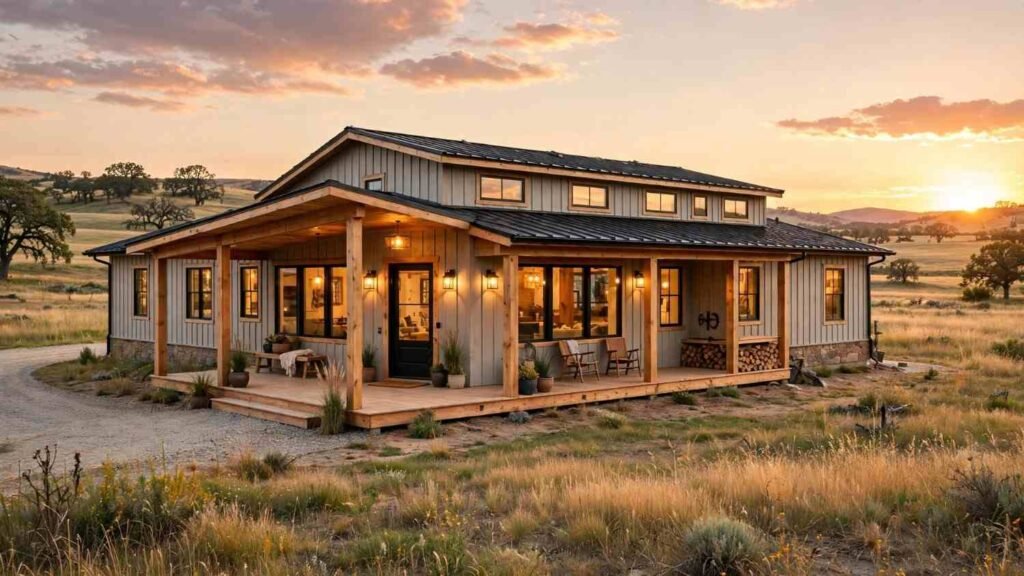
People choose to build a custom home because they want a home that fits their life exactly not one they have to reshape their life around. It is a decision rooted in control: over design, materials, location, and long-term costs.
The housing market keeps shrinking the gap between “what’s available” and “what people actually want.” That gap is exactly why custom home building keeps growing.
Here I walk through the real reasons people make this choice and what it means for the home they end up with.
They Want a Home Built Around Their Life, Not the Other Way Around
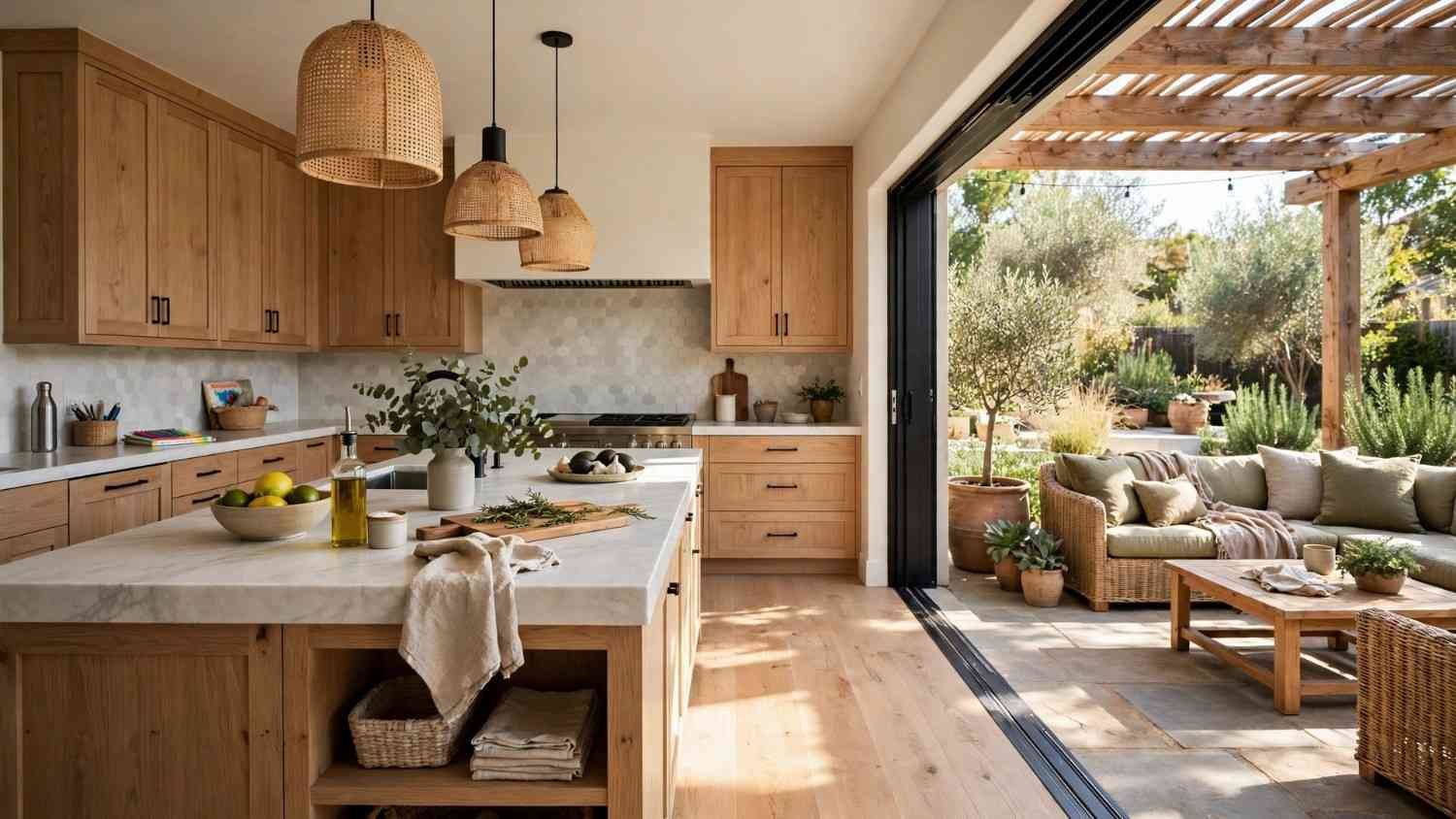
The number one reason people build a custom home is personalization. Not the surface-level kind not just picking a paint color or a countertop finish. I mean structural personalization: the number of bedrooms, the flow between rooms, where natural light lands, how the kitchen connects to the backyard.
A production home is designed for the average buyer. A custom home is designed for one specific family, one specific lifestyle, one specific set of daily habits.
That matters more than most people realize until they have lived in a home that does not quite fit. A family with three kids and a work-from-home parent needs something completely different from a retired couple downsizing. A custom floor plan design solves that problem at the foundation level before a single wall goes up.
The Quality of Materials Is Entirely in Their Hands
When someone buys an existing home or a production build, they inherit every material decision the builder made often decisions optimized for cost, not longevity. With a custom home, the homeowner controls the spec sheet.
That means choosing insulation that actually performs, windows rated for the local climate, roofing materials built to last decades rather than years. It means the HVAC system is sized correctly for the square footage, not just dropped in because it was the standard option.
According to the National Association of Home Builders, the lifespan of home components varies dramatically based on material quality and custom builders consistently spec materials at the higher end of that range. People who build custom homes are not just buying a structure. They are buying a maintenance schedule that works in their favor for years.
They Are Choosing the Location, Not Settling for It
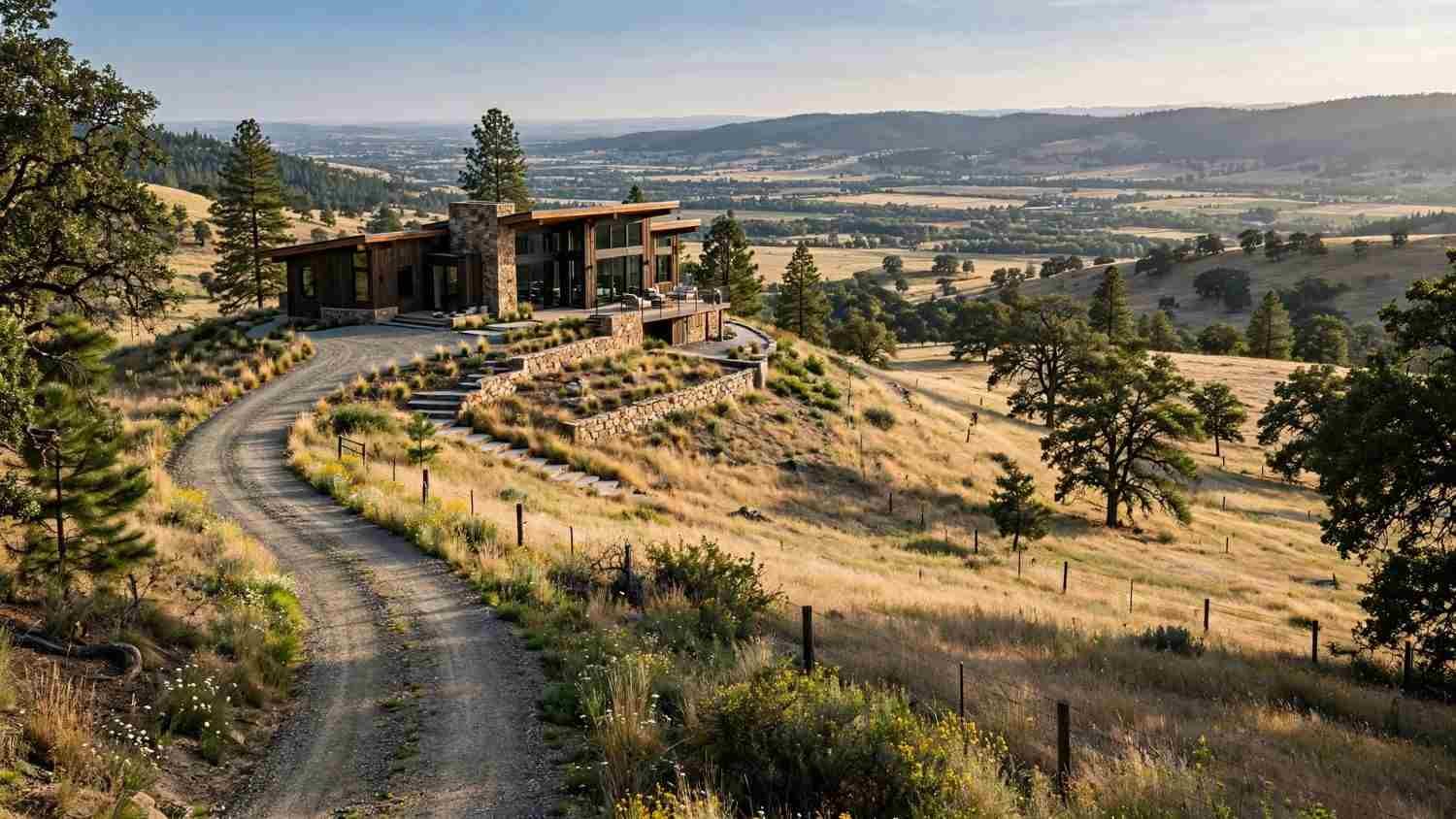
Existing homes come with a fixed address. The neighborhood, the lot size, the orientation of the house on the land all of it is already decided. A custom home starts with land selection, which means the homeowner picks the location first and builds around it.
That might mean a rural lot with acreage, a specific school district, a walkable urban infill site, or a piece of land that has been in the family for years. The point is that location becomes a deliberate choice rather than a constraint.
Lot selection and site planning shape everything that follows drainage, foundation type, solar orientation, and even the home’s long-term resale position in the market. Getting that decision right from the start is one of the clearest advantages of building custom.
Long-Term Cost Efficiency Matters More Than the Upfront Price
The sticker price of a custom home is almost always higher than a comparable production build. That number gets a lot of attention. What gets less attention is what happens over the next 20 years.
A custom home built with proper insulation, energy-efficient windows, and a correctly sized HVAC system costs significantly less to operate. The U.S. Department of Energy reports that energy-efficient home design can reduce heating and cooling costs by up to 30% annually. Over two decades, that is a substantial number.
Beyond energy, a custom home built to the owner’s exact spec tends to need less early renovation. There is no “we’ll fix that eventually” list because the home was right from day one. Maintenance costs stay lower, and home resale value holds stronger because the quality is visible and documented.
They Want to Avoid the Compromises That Come With Existing Homes
Buying an existing home almost always means accepting a list of things that are not quite right. The layout is close but not ideal. The master bedroom is smaller than needed. The kitchen was renovated in 2009 and needs updating again. The inspection turns up deferred maintenance the seller did not disclose.
Those compromises add up fast in money, in time, and in daily frustration. Renovation costs on an existing home can escalate quickly once walls open up and older systems are exposed. According to Remodeling Magazine’s Cost vs. Value Report, major remodels rarely recoup their full cost at resale, which means buyers often pay twice once to purchase and again to fix.
Building custom eliminates that cycle entirely. The home is right from the start. There is no renovation budget sitting in the background waiting to be spent.
The Emotional Value of Building Something That Is Truly Yours
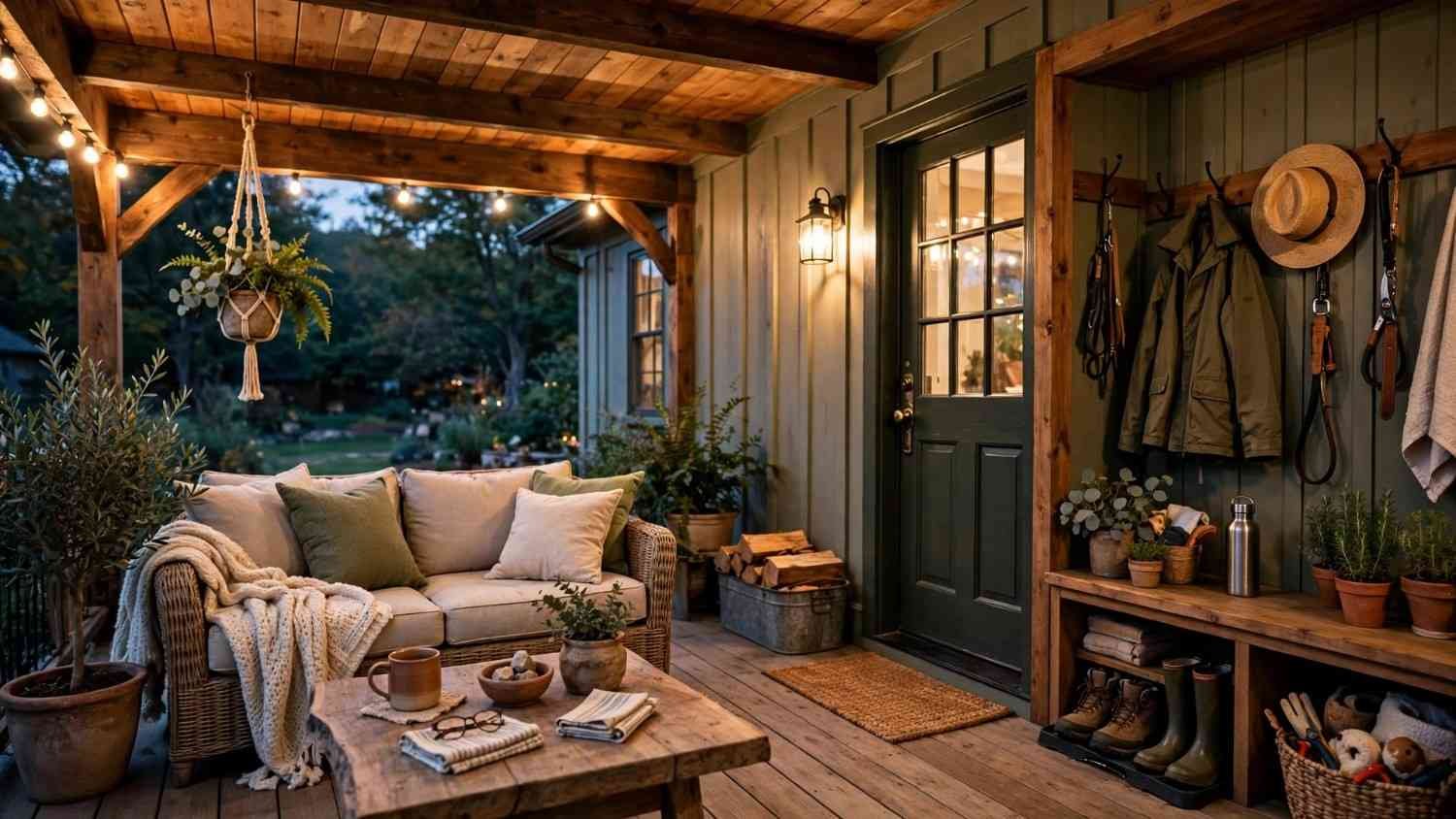
This one does not show up on a spreadsheet, but it is real. People who build custom homes consistently describe a different relationship with the finished product. It is not just a house they bought it is something they created.
Every decision made during the build process is a reflection of how the family actually lives. The mudroom is where it is because that is how they enter the house. The office has north-facing windows because that is the light that works for focused work. The back porch is large because evenings outside matter to them.
That level of intentionality produces a home people genuinely do not want to leave. It becomes a legacy asset something built to last and to be passed down. The pride of ownership that comes with a custom home is not a small thing. It is one of the most consistent reasons people say the process was worth every challenge it brought.
Conclusion
People build custom homes because they want control over design, quality, location, and long-term costs. Each of those motivations connects directly to a better daily experience and a stronger long-term investment.
The decision to build custom is not just about the finished structure. It is about building something that works for a specific life, in a specific place, for the long haul.
At Mr. Local Services, we connect homeowners with the skilled professionals who make that vision real from site prep and construction to the finishing details that make a house a home.
Frequently Asked Questions
How long does it take to build a custom home?
Most custom homes take between 10 and 18 months from breaking ground to move-in. The timeline depends on the complexity of the design, local permitting speed, and material availability. Pre-construction planning typically adds another 3 to 6 months.
Is building a custom home more expensive than buying?
The upfront cost is usually higher than a comparable production home. Over time, lower energy costs, fewer early renovations, and stronger resale value often close that gap significantly. The total cost of ownership tells a different story than the purchase price alone.
What is the biggest advantage of a custom-built home?
The biggest advantage is that nothing is a compromise. Every element layout, materials, location, systems is chosen deliberately for the specific household. That precision is impossible to replicate in an existing home without extensive and expensive renovation.
Do custom homes hold their value better?
Custom homes built with quality materials and thoughtful design tend to hold value well, particularly in markets where comparable inventory is limited. The documented quality and unique design often make them more competitive at resale than production builds of similar age.
What should I know before deciding to build a custom home?
Budget for the full process, not just construction. Land costs, permitting fees, design fees, and contingency funds all add to the total. Working with experienced professionals from the start architects, builders, and project managers reduces costly surprises significantly.
Can I build a custom home on any piece of land?
Not every parcel is buildable. Zoning laws, soil conditions, flood zone designations, utility access, and setback requirements all affect whether a lot supports construction. A site evaluation before purchasing land is essential and saves significant time and money.