ADU maintenance and repair is the ongoing work that keeps an accessory dwelling unit safe, dry, functional, and rentable. I treat an ADU as a small, complete home with its own roof, plumbing, wiring, and HVAC. That means it needs its own care plan, not leftover attention from the main house.
ADUs age faster than most owners expect because compact spaces concentrate moisture, heat, and daily wear into fewer square feet. Neglect turns cheap fixes into structural problems.
This guide covers systems, seasonal schedules, interior and exterior work, emergencies, safety rules, rental upkeep, costs, DIY limits, hiring pros, and durability upgrades.
What ADU Maintenance and Repair Actually Covers
ADU maintenance and repair is the full set of preventive, corrective, and protective work that keeps a secondary living unit habitable and code-compliant. I split it into three buckets: scheduled upkeep, reactive repairs, and value-adding improvements. Each bucket has a different budget and a different urgency.
The scope is wider than most owners assume. A single 600-square-foot unit still has a roof, a water heater, a service panel, a kitchen, a bathroom, an entry path, and a drainage plan. Every one of those items has a service interval.
Accessory Dwelling Unit Types That Affect Upkeep
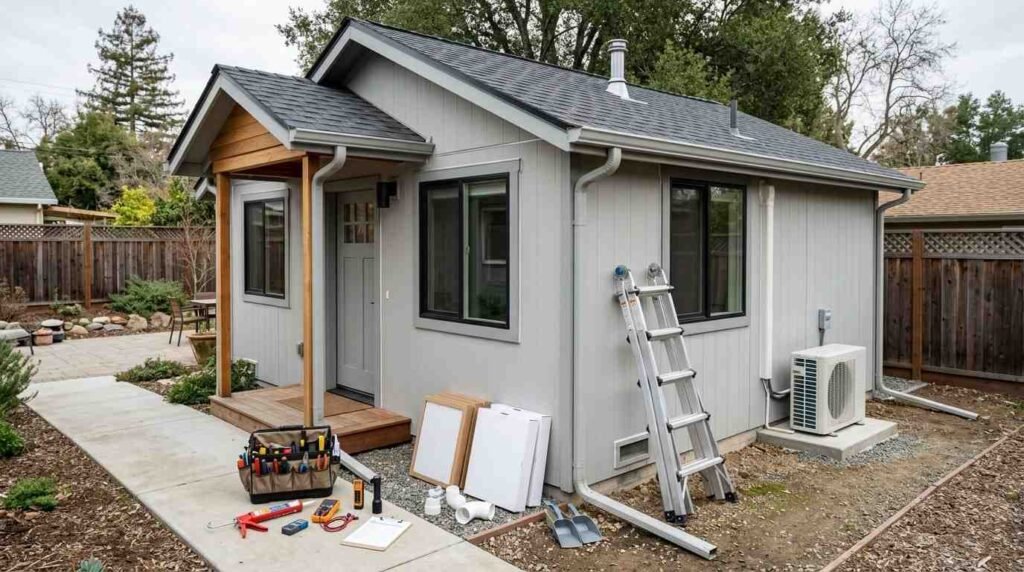
Detached backyard units, garage conversions, basement units, and above-garage suites each fail in different ways. Garage conversions fight slab moisture and poor insulation. Basement units fight groundwater and ventilation. Detached tiny home style builds carry full exterior envelope exposure on all four walls.
I match the maintenance plan to the build type first. That single step prevents most wasted spending.
Maintenance vs. Repair vs. Improvement
Maintenance is planned work on a healthy system, like filter changes and gutter clearing. Repair restores a failed or failing component, like a leaking supply line or a cracked shingle field. Improvement upgrades performance or appearance beyond the original condition.
Owners who blur these three lines overspend. I keep them on separate lines in the budget.
Why ADUs Need Their Own Maintenance Plan
Shared systems create shared failures. A single water heater or panel feeding both structures multiplies the impact of one breakdown, and split systems double the number of service points to track.
Tenant occupancy raises the stakes further. Habitability duties apply to the ADU independently, so a stalled repair there carries the same legal weight as one in the primary residence.
The Core ADU Systems That Require Ongoing Attention
Four systems drive nearly every ADU service call I see. Roofing keeps water out, plumbing moves it, electrical powers everything, and HVAC controls the air. When one weakens, the others absorb the damage.
Roofing and Exterior Envelope
Small roofs still need flashing checks, sealant renewal, and debris removal twice a year. Asphalt shingle systems generally last 20 to 30 years under normal service conditions, and low-slope ADU roofs shorten that window when ponding goes unaddressed. Dedicated ADU roof inspection and repair work catches these problems while they cost hundreds instead of thousands.
Siding, trim, and penetrations matter just as much. I check every pipe boot and vent collar each spring.
Plumbing and Water Supply
Compact bathrooms and kitchens pack fittings into tight cavities, so a slow drip hides for months. I test shutoffs annually and flush the water heater once a year. Supply lines, angle stops, and washing machine hoses get replaced on schedule, not after failure.
Electrical and Panel Capacity
Many ADUs run on a subpanel fed from the main house, and load creep from EV chargers, mini-splits, and induction cooktops pushes that feed to its limit. Electrical failures and distribution equipment contribute to thousands of home fires each year, which makes capacity review a safety task rather than a convenience one.
I have the panel, GFCI protection, and grounding verified by a licensed electrician every few years.
HVAC and Ventilation
Mini-splits dominate ADU comfort, and their filters clog fast in small spaces. I clean filters monthly, clear condensate lines seasonally, and have coils serviced annually. Bath and kitchen exhaust fans get the same attention, since weak ventilation drives the moisture problems that later show up as mold.
Seasonal ADU Maintenance Schedule
A calendar beats memory. I run ADU upkeep on a four-season rhythm so nothing waits until it becomes an emergency, and tenants know what to expect. Preventive maintenance also protects value, and the U.S. Census Bureau reports that Americans spend hundreds of billions annually on residential improvements and repairs, much of it reactive.
| Season | Priority Tasks | Typical Interval |
| Spring | Roof and flashing check, gutter clearing, exterior paint touch-up, AC service | Annual |
| Summer | Deck and walkway inspection, pest monitoring, irrigation and drainage check | Annual |
| Fall | Heating service, weatherstripping, dryer vent cleaning, tree trimming | Annual |
| Winter | Pipe freeze protection, interior humidity checks, smoke and CO detector tests | Annual |
| Multi-year | Water heater flush and replacement planning, panel review, roof recoating | 1–10 years |
Spring and Summer Priorities
Spring is my exterior season. I inspect the roof field, clear gutters and downspouts, wash siding, and confirm that grading still carries water away from the foundation.
Summer shifts to hardscape and pests. Decks, stairs, and railings get a load and rot check while the wood is dry.
Fall and Winter Priorities
Fall protects the heating season. Furnace or heat pump service, weatherstripping, and dryer vent cleaning all belong here, since clothes dryers cause roughly 13,000 home fires per year according to NFPA fire data.
Winter is monitoring season. I watch for condensation on windows, test detectors, and keep exposed lines insulated.
Annual and Multi-Year Tasks
Water heaters, roofs, panels, and exterior paint follow multi-year cycles. I log install dates for each so replacement lands on a plan instead of a crisis. That log becomes the backbone of the reserve budget later in this guide.
Interior Maintenance and Repair Priorities
Interiors absorb daily wear fastest in small units. Traffic concentrates, humidity climbs, and every surface sees more contact per square foot than in a full-size home.
Flooring, Drywall, and Ceilings
Compact floor plans wear flooring along a narrow path from door to kitchen to bath. I inspect transitions, caulk lines, and baseboards for early water staining, and address drywall and ceiling repair before patch work turns into panel replacement.
Ceiling stains almost always mean roof, plumbing, or ventilation. I trace the source before patching.
Doors, Windows, and Hardware
Entry doors, sliders, and windows control both comfort and security. I lubricate hardware, adjust strikes, and renew weatherstripping annually. Failed seals fog glass and raise energy bills, so I track them by unit rather than guessing.
Appliances in Compact Kitchens
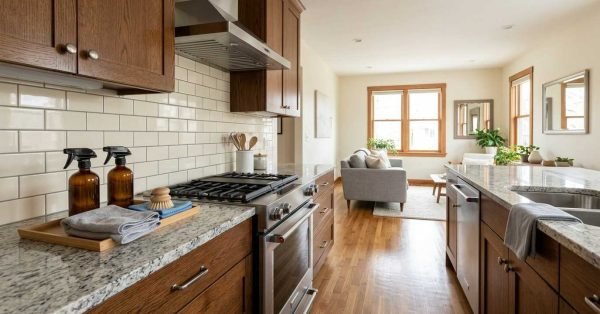
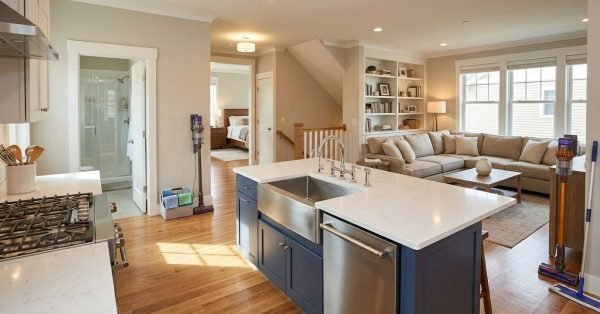
ADU kitchens use apartment-sized ranges, compact refrigerators, and combo washer-dryers that run harder than full-size equipment. I clean coils, check door gaskets, and confirm drain lines flow freely. Appliance service calls stay cheap when I catch the noise or smell early.
Paint and Surface Protection
Paint is protection first and appearance second. Interior repaints on a rental ADU typically land on a three to five year cycle, and I schedule them around tenant turnover to avoid double disruption.
Exterior, Site, and Access Maintenance
The ground around an ADU determines how long the structure lasts. Water management, safe access, and clean surfaces carry most of that load.
Drainage, Grading, and Landscape
Backyard units often sit lower than the main house, which sends runoff straight at the foundation. I confirm positive slope away from every wall, keep downspouts extended, and pull soil and mulch back from siding.
Planting beds against an ADU wall trap moisture. I leave a clear inspection gap.
Decks, Walkways, and Entry Areas
Most ADUs need a defined path and a small landing or deck. I check fasteners, ledger connections, and railing rigidity annually, and repair trip hazards immediately since access routes carry liability for tenants and guests.
Power Washing and Surface Cleaning
Siding, walkways, and patios hold algae and grime that shorten finish life. Annual pressure washing removes that buildup and lets me see the substrate clearly before repainting.
Trees and Overhead Risk
Overhanging limbs drop debris on small roofs and block sunlight that would otherwise dry the surface. I keep branches trimmed back several feet from the roof plane and remove deadwood before storm season.
Emergency and Urgent ADU Repairs
Some failures cannot wait for a scheduled visit. I sort urgent work by three tests: does it threaten safety, does it cause active damage, and does it make the unit uninhabitable.
Water Damage and Leak Response
Water is the most expensive emergency in a small unit because there is nowhere for it to go. Mold growth begins within 24 to 48 hours of wetting according to EPA moisture guidance, so extraction and drying start the same day. Fast water damage restoration saves flooring, drywall, and framing that a day of delay destroys.
Electrical and Heating Failures
A dead subpanel, burning smell, or tripping breaker gets a licensed electrician immediately. Heat loss in cold weather is equally urgent since frozen pipes follow a cold unit within hours.
Lockouts and Security Issues
Tenant lockouts, broken deadbolts, and failed smart locks all block access to a home. I keep a locksmith contact on the same emergency list as plumbing and electrical, because a door that will not secure makes the unit unusable overnight.
Safety, Compliance, and Habitability Standards
An ADU is a legal dwelling, and it carries dwelling-level obligations. I audit safety items annually and document every check.
Egress, Smoke, and Carbon Monoxide Requirements
Sleeping rooms need compliant egress, and detectors need working power and current sensors. Smoke alarms cut the risk of dying in a home fire roughly in half, per NFPA alarm research, and CO alarms are required near sleeping areas in most jurisdictions.
I replace smoke alarms at ten years and CO alarms per manufacturer date.
Accessibility and Mobility Upgrades
Many ADUs house aging parents or long-term tenants with mobility needs. Grab bars, threshold ramps, lever handles, and improved lighting are small projects with large safety returns. Falls send millions of older adults to emergency departments each year according to CDC injury data.
Pest Control and Sanitation
Small structures near fences, sheds, and landscaping attract rodents and insects. I seal penetrations, screen vents, and schedule perimeter treatment where pressure is high. Sanitation and trash placement matter as much as chemical treatment.
Maintenance for Rented ADUs and Property Managers
A rented ADU generates income and obligations at the same time. Systems beat improvisation, and documentation protects everyone.
Turnover and Make-Ready Work
Turnover is my best maintenance window because the unit is empty. I bundle paint, deep cleaning, appliance service, caulking, and hardware replacement into one visit rather than five separate calls.
Preventive Schedules That Reduce Tenant Calls
Filter changes, drain treatment, detector tests, and seasonal HVAC service prevent the majority of after-hours complaints. I give tenants a simple reporting channel and a clear list of what they handle themselves.
Documentation and Service Records
Every service visit gets a date, scope, cost, and photo record. That file supports insurance claims, resolves disputes, and proves habitability compliance if a question ever reaches a housing authority.
ADU Repair Costs, Budgeting, and Reserves
Cost surprises come from missing reserves, not from unusual repairs. I plan annual maintenance as a fixed percentage of replacement value and treat large systems as scheduled capital items.
| Service Category | Typical Range (per event) | Frequency |
| HVAC service or mini-split cleaning | $100–$350 | Annual |
| Water heater flush | $100–$200 | Annual |
| Gutter cleaning and roof check | $150–$400 | 1–2x yearly |
| Interior repaint (studio to 1BR) | $1,200–$3,500 | 3–5 years |
| Dryer vent cleaning | $100–$250 | Annual |
| Water heater replacement | $1,500–$3,500 | 8–12 years |
| Roof replacement (small footprint) | $6,000–$15,000 | 20–30 years |
Ranges reflect typical national service pricing and shift with region, access, and material choice.
Typical Cost Ranges by Service Category
Routine items stay in the low hundreds. Capital items reach four and five figures, which is exactly why they belong on a calendar. I quote every capital item two to three years before its expected replacement date.
Building a Maintenance Reserve
I set aside 1% to 4% of the unit’s replacement cost annually, weighted toward the higher end for older builds. That reserve absorbs a failed water heater without touching rental cash flow.
Repair vs. Replace Decisions
I replace when repair cost passes roughly half of replacement cost, when the component is past 75% of expected life, or when efficiency gains pay back within five years. Repeated repairs on the same unit signal replacement regardless of individual invoice size.
DIY vs. Hiring a Professional
Owner labor saves real money on the right tasks. It creates real risk on the wrong ones.
Tasks Most Owners Handle Safely
Filter changes, detector tests, caulking, minor paint touch-up, gutter clearing on single-story units, and basic landscape care all sit comfortably in owner hands. I handle these quarterly and log them.
Work That Requires Licensed Trades
Electrical panels, gas appliances, roof structure, main drain lines, and anything permit-triggering go to licensed trades. Licensing protects insurance coverage, and permitted work protects resale. General handyman services handle the wide middle band of small repairs that fall between owner tasks and specialty trades.
How do I choose the right ADU repair professional, and what should I expect from the process?
How to Choose and Work With ADU Service Providers
The provider decision drives cost, timeline, and quality more than any material choice. I screen the same way every time.
Licensing, Insurance, and Verification
I confirm the license number with the state board, request a current certificate of insurance, and verify workers’ compensation coverage. Unlicensed work on a rented ADU shifts liability directly to the owner.
Reviews matter, but license status is the hard gate.
Estimates, Scope, and Transparent Pricing
I ask for written scope, materials, exclusions, timeline, and payment terms on every job over a few hundred dollars. Two or three comparable bids reveal whether a number is fair, and a vague estimate predicts a change order.
Scheduling, Access, and Communication
Occupied ADUs need notice, access coordination, and a defined work window. I give tenants proper legal notice, confirm parking and gate access, and require a single point of contact for updates. Clear logistics prevent the delays that turn a one-day job into a week.
Upgrades That Reduce Long-Term ADU Maintenance
Some improvements pay for themselves by eliminating future service calls. I prioritize durability over trend.
Durable Material Choices
Fiber cement siding, metal roofing, LVP flooring, quartz surfaces, and solid-core doors all outlast their budget alternatives in high-use small spaces. I spend more on the surfaces tenants touch daily.
Efficiency and Moisture Control Improvements
Better insulation, air sealing, quality bath fans, vapor barriers, and heat pump water heaters reduce both utility cost and moisture damage. Heat pumps run two to four times more efficiently than resistance heating according to the U.S. Department of Energy, and drier air means fewer mold and paint failures.
Your ADU Maintenance Checklist at a Glance
I keep the whole program on one page. Monthly items cover filters and quick visual checks. Quarterly items cover detectors, caulking, and drainage.
Annual items cover roof, HVAC, water heater, dryer vent, deck, and pest inspection. Multi-year items cover paint, panel review, water heater replacement, and roof planning.
Every completed item gets a date and a photo in the property file.
That single habit turns reactive spending into predictable spending.
Conclusion
We covered ADU systems, seasonal schedules, interior and exterior upkeep, emergencies, safety standards, rental management, costs, DIY limits, provider selection, and durability upgrades.
Each area connects to deeper resources on roofing, plumbing, electrical, HVAC, water damage, and handyman work as your maintenance program matures.
We are ready to help you protect your ADU year-round. Connect with Mr. Local Services for trusted, transparent maintenance and repair support today.
Frequently Asked Questions
How often does an ADU need maintenance?
An ADU needs monthly filter and visual checks, quarterly safety checks, and full annual service on roof, HVAC, plumbing, and exterior systems.
What does ADU maintenance cost per year?
Most owners spend 1% to 4% of the unit’s replacement cost annually. Smaller, newer units land at the low end; older conversions run higher.
Who is responsible for ADU repairs in a rental?
The owner handles habitability, structural, and system repairs. Tenants typically cover filter changes, light bulbs, and damage they cause directly.
What are the most common ADU repair problems?
Water intrusion, plumbing leaks, HVAC failures, overloaded electrical panels, and moisture-related drywall damage account for most ADU service calls I see.
Do ADU repairs require permits?
Structural, electrical, plumbing, and mechanical changes usually require permits. Cosmetic work like paint, flooring, and fixture swaps generally does not.
Can one contractor handle all ADU maintenance?
Yes for general upkeep and small repairs. Specialty trades still handle panels, gas lines, roofing systems, and permitted structural work.
How do I prevent expensive ADU repairs?
Follow a written seasonal schedule, fix small leaks immediately, service HVAC annually, and fund a maintenance reserve before failures happen.