A pre-drywall inspection is your last clear opportunity to catch hidden defects before walls are permanently closed. The most common issues found include framing misalignment, plumbing pipe slope errors, electrical wiring violations, HVAC duct problems, and missing insulation — all of which are far cheaper to fix now than after drywall is installed.
Missing this window creates problems that compound over time, driving up repair costs and threatening your home’s safety and structural integrity.
This guide covers every major defect category inspectors find at the pre-drywall stage, what to look for, and how to act before it is too late.
What Is a Pre-Drywall Inspection?
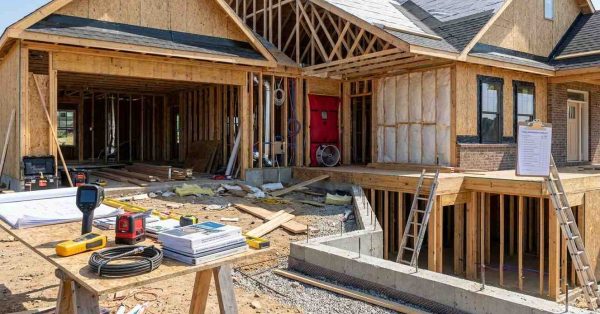
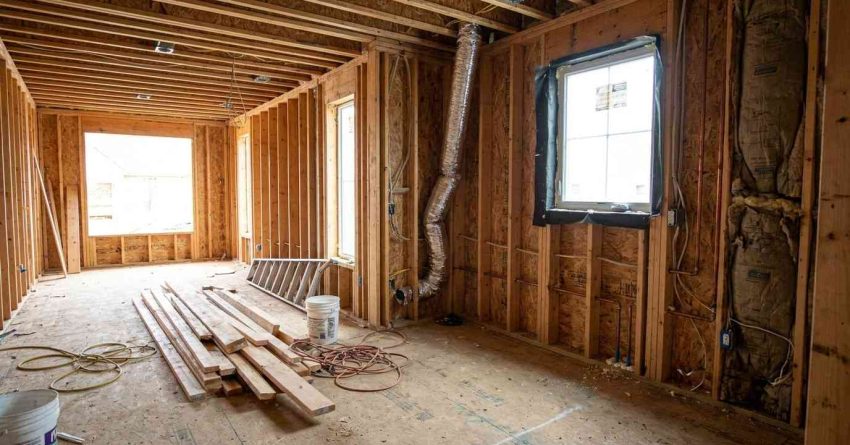
A pre-drywall inspection is a walkthrough of a home under construction that takes place after rough-in work is complete but before drywall panels are installed. At this stage, framing, plumbing pipes, electrical wiring, HVAC ducts, and insulation are all fully visible and accessible. Once drywall goes up, these systems are hidden behind finished walls, making defects exponentially harder and more expensive to diagnose and repair.
Homeowners, builders, and property managers use this inspection to verify that all rough-in systems meet code requirements and installation standards. Understanding what happens before drywall goes up is only part of the picture — our drywall and ceiling services covers everything from installation to finishing so you know what to expect at every stage of the project.
Structural and Framing Defects to Check
Framing defects are among the most consequential issues found at the pre-drywall stage because they affect the structural integrity of the entire home.
Misaligned or Missing Blocking
Blocking — short pieces of lumber installed between studs — provides backing for fixtures like grab bars, cabinets, and handrails. Missing or misplaced blocking means these fixtures will have no solid anchor point once drywall is installed.
Improper Stud Spacing and Notching
Studs must be spaced at consistent intervals, typically 16 or 24 inches on center, depending on the wall type. Oversized notches cut into studs to route pipes or wires weaken the structural member and may violate building code without a protective nail plate.
Rough-In Plumbing Defects
Plumbing rough-in defects are among the most expensive to correct after drywall installation because accessing pipes requires opening finished walls.
Pipe Placement and Slope Issues
Drain pipes must maintain a consistent slope — typically one-quarter inch of drop per foot of horizontal run — to allow waste to flow freely. Pipes installed with insufficient slope or reverse slope will cause chronic drainage problems and blockages. A thorough plumbing rough-in inspection by a qualified professional is essential before any drywall is hung.
Missing or Incorrect Drain Traps
Every drain fixture requires a properly sized P-trap to prevent sewer gases from entering the living space. Missing traps, dry traps, or traps installed at incorrect depths are common code violations caught at this stage.
Rough-In Electrical Defects
Electrical defects discovered after drywall installation require cutting into finished walls to access wiring — a costly and disruptive process.
Box Placement and Wiring Gaps
Electrical boxes must be positioned at the correct height and depth relative to the finished wall surface. Boxes set too deep will not meet code once drywall is applied. Catching wiring problems before drywall is installed is far easier than diagnosing them after the fact — our electrical rough-in work resource explains what licensed electricians check and correct during this critical phase.
Missing Nail Plates and Stapling Violations
Nail plates are required wherever wires or pipes pass through framing members within 1.25 inches of the edge, protecting them from drywall screws and nails. Missing nail plates and improperly stapled wiring are among the most frequently cited electrical violations at the pre-drywall stage.
HVAC Rough-In Defects
HVAC rough-in defects affect both comfort and energy efficiency for the life of the home.
Duct Routing and Sizing Problems
Ducts that are undersized, kinked, or routed with excessive bends restrict airflow and force the system to work harder. Improper duct routing affects both energy efficiency and indoor air quality for years to come — our HVAC duct installation outlines what correct rough-in looks like and what warning signs to watch for.
Missing Insulation Sleeves and Hangers
Ducts running through unconditioned spaces such as attics or crawlspaces must be insulated to prevent energy loss. Ducts also require proper hangers at regular intervals to prevent sagging, which restricts airflow and causes premature wear.
Insulation and Air Sealing Defects
Insulation defects are invisible once drywall is installed but have a measurable impact on energy bills and indoor comfort year-round. Common defects include compressed batts, gaps around electrical boxes and plumbing penetrations, and missing insulation in rim joists and exterior corners. Air sealing failures — where gaps around pipes, wires, and framing allow conditioned air to escape — are equally important to identify at this stage.
Window and Door Rough Opening Defects
Rough openings that are out of square, incorrectly sized, or improperly shimmed create long-term problems with window and door operation, weatherproofing, and energy efficiency. Our window rough opening standards guide explains the tolerances inspectors and installers rely on to ensure a proper fit. Door frames that are not plumb or properly shimmed will cause alignment and latching failures after installation — our door frame alignment resource covers what correct rough-in looks like before drywall closes the wall.
Pre-Drywall Inspection Checklist Summary
Use this checklist during your pre-drywall walkthrough to confirm each system has been installed correctly before walls are closed.
- Framing: blocking present at all fixture locations; stud spacing consistent; notches within code limits; nail plates installed
- Plumbing: drain pipe slope correct; P-traps installed at all fixtures; supply lines secured and protected
- Electrical: boxes at correct height and depth; nail plates on all vulnerable wires; wiring properly stapled and routed
- HVAC: ducts correctly sized and routed; insulation sleeves on ducts in unconditioned spaces; hangers installed at required intervals
- Insulation: batts fully installed without compression; air sealing complete at all penetrations and rim joists
- Windows and doors: rough openings square and correctly sized; shimming complete; headers properly supported
If you need a professional to walk through your home before drywall is installed and document every defect, our handyman inspection support team is equipped to assist with pre-drywall walkthroughs and punch-list documentation.
Conclusion
A pre-drywall inspection catches framing, plumbing, electrical, HVAC, insulation, and rough opening defects before they become permanent, hidden problems inside finished walls.
Addressing these defects now protects your investment, keeps your project on schedule, and ensures every system meets code before construction moves forward.
At Mr. Local Services, our skilled professionals are ready to support your pre-drywall walkthrough and connect you with the right experts to correct every defect before drywall goes up.
Frequently Asked Questions
When should a pre-drywall inspection be scheduled?
Schedule the inspection after all rough-in work for plumbing, electrical, and HVAC is complete but before any drywall panels are delivered or installed. This window typically lasts only a few days on an active construction site.
Can a homeowner conduct their own pre-drywall inspection?
Homeowners can walk through and document visible concerns, but a qualified inspector or licensed trade professional will identify code violations and installation errors that are not obvious to an untrained eye.
What happens if defects are found during a pre-drywall inspection?
The builder or responsible subcontractor is notified and required to correct the defect before drywall installation proceeds. Most corrections at this stage are straightforward and low-cost compared to repairs made after walls are closed.
Is a pre-drywall inspection required by code?
Most jurisdictions require rough-in inspections by a local building official before drywall can be installed. A third-party pre-drywall inspection is separate from and in addition to the required municipal inspection.
What is the most commonly missed defect at the pre-drywall stage?
Missing nail plates on electrical wiring and plumbing pipes near framing edges are among the most frequently overlooked defects, yet they are one of the simplest and least expensive items to correct before drywall is installed.