Systems warranty coverage protects the essential mechanical systems in your home — including HVAC, plumbing, and electrical — by covering the cost of repairs or replacements when those systems fail due to normal wear and tear. For homeowners, landlords, and property managers, this type of coverage removes the financial uncertainty that comes with unexpected system breakdowns, which can easily run into thousands of dollars without any protection in place.
Understanding what systems warranty coverage includes — and what it does not — helps you make smarter decisions about protecting your property before a problem occurs.
This guide explains how systems warranty coverage works, what it typically covers, how it compares to other protection options, and what to look for when choosing a plan.
What Is Systems Warranty Coverage?
Systems warranty coverage is a service contract that pays for the repair or replacement of a home’s built-in mechanical systems when they break down due to normal use. Unlike homeowners insurance, which covers sudden damage from events like fires or storms, a systems warranty is designed specifically for mechanical failures that happen over time.
The most common systems covered include heating and cooling equipment, plumbing infrastructure, electrical wiring and panels, and water heaters. Some plans also extend to ductwork, ceiling fans, and garage door openers, depending on the provider and coverage tier selected.
Systems warranty coverage is particularly valuable for older homes where mechanical systems are more likely to fail, and for property managers overseeing multiple units where repair costs can accumulate quickly.
What Does a Systems Warranty Typically Include?
A standard systems warranty plan typically covers the following categories:
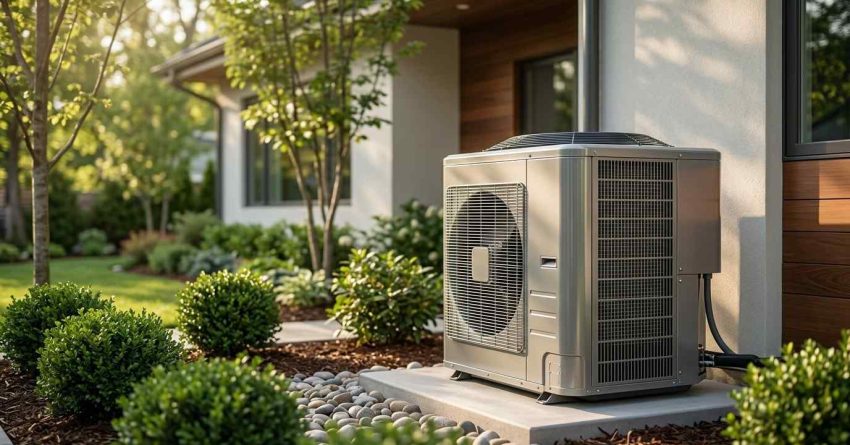
Heating and Cooling Systems: Furnaces, heat pumps, central air conditioning units, thermostats, and ductwork are among the most commonly covered components. Because HVAC systems represent one of the largest repair expenses a homeowner can face, this coverage category is often the primary reason buyers choose a systems warranty plan.
Plumbing Systems: Coverage usually includes interior water supply lines, drain lines, toilet mechanisms, faucets, and water heaters. Some plans extend to sump pumps and well pumps for properties with those systems.
Electrical Systems: Wiring, circuit breaker panels, outlets, switches, and ceiling fans are standard inclusions. Coverage typically applies to the interior electrical system and does not extend to exterior fixtures or smart home devices.
Additional Systems: Depending on the plan, garage door openers, central vacuum systems, and doorbells may also be included. Always review the coverage schedule in your contract to confirm exactly which components are listed.
Systems warranty coverage is one component of a broader property protection strategy — our home warranty protection guide explains how all coverage types work together to keep your property financially protected year-round.
How Systems Warranty Coverage Works
When a covered system fails, the homeowner contacts the warranty provider to open a claim. The provider then dispatches an approved service technician to diagnose the problem. If the failure is confirmed as a covered mechanical breakdown, the warranty company pays for the repair or replacement, minus any applicable service call fee or deductible.
Most systems warranty contracts operate on an annual basis and are renewable. Coverage begins after a short waiting period — typically 15 to 30 days from the contract start date — which prevents homeowners from purchasing coverage only after a system has already failed.
Because heating and cooling systems are among the most expensive to repair or replace, understanding how HVAC system coverage fits within your warranty plan helps you avoid unexpected costs during peak seasons.
Plumbing failures are one of the most common warranty claims filed by homeowners, and knowing what plumbing system repairs are covered under your plan prevents costly surprises when pipes, fixtures, or water heaters fail.
Electrical faults can create both safety hazards and significant repair bills, so confirming that your electrical system warranty coverage includes wiring, panels, and outlets is essential before signing any contract.
Filing a Claim Under Your Systems Warranty
Filing a claim is straightforward when you understand the process. Contact your warranty provider as soon as a covered system fails — most providers offer 24/7 claim lines or online portals. Do not hire your own technician before opening a claim, as unauthorized repairs are typically excluded from reimbursement.
Once the claim is open, the provider schedules a service visit within the timeframe specified in your contract, usually 24 to 48 hours for urgent failures. The technician assesses the system, confirms the failure is covered, and proceeds with the repair or replacement. You pay only the service call fee outlined in your contract.
For a detailed walkthrough of the entire process, see our guide on how to file a systems warranty claim.
Systems Warranty vs. Home Warranty vs. Homeowners Insurance
These three protection types are frequently confused, but they serve distinct purposes and cover different risks.
Systems Warranty covers mechanical breakdowns of built-in home systems due to normal wear and tear. It does not cover structural damage, personal property, or damage caused by external events.
Home Warranty is a broader service contract that typically bundles systems coverage with appliance coverage — protecting both the mechanical systems and major appliances like refrigerators, dishwashers, and washing machines under a single plan.
Homeowners Insurance covers sudden, accidental damage caused by covered perils such as fire, theft, wind, or water intrusion from external sources. It does not cover mechanical failures or wear-and-tear breakdowns.
One area where homeowners frequently confuse coverage types is water damage — our water damage coverage clarifies which situations fall under a systems warranty versus a standard homeowners insurance policy.
Understanding these distinctions prevents coverage gaps. A homeowner who relies solely on homeowners insurance for a failed furnace will find no coverage, just as a homeowner relying on a systems warranty for storm damage will be equally unprotected.
What Is Not Covered Under a Systems Warranty?
Systems warranties are not all-inclusive. Every contract contains exclusions that define the boundaries of coverage, and reviewing these carefully before purchasing is essential.
Common Exclusions Homeowners Should Know
Pre-Existing Conditions: Most providers will not cover systems that were already malfunctioning or improperly maintained before the contract began. A home inspection or maintenance records can help establish the condition of systems at the time of purchase.
Improper Installation or Modifications: If a system was installed incorrectly or modified without permits, the warranty provider may deny the claim. Coverage applies only to systems that meet standard installation requirements.
Cosmetic Components: Knobs, handles, doors, and other cosmetic parts of covered systems are typically excluded. Coverage applies to the mechanical function of the system, not its appearance.
Code Upgrades: If a repair requires bringing a system up to current building code, the cost of the code upgrade itself is usually not covered — only the repair of the failed component.
Standalone Appliances: Systems warranties do not cover refrigerators, dishwashers, ovens, or other freestanding appliances. Systems warranties typically exclude standalone appliances, which is why reviewing your appliance repair coverage options separately ensures no critical equipment in your home is left unprotected.
For a full breakdown of what warranty providers typically exclude, including pre-existing condition rules, see our guide on systems warranty exclusions.
How to Choose the Right Systems Warranty Coverage
Selecting the right systems warranty plan requires comparing coverage scope, service fees, provider reputation, and contract terms. Not all plans are equal, and the lowest-priced option is rarely the most comprehensive.
Start by identifying which systems in your home are most at risk. Older HVAC equipment, aging plumbing, or an outdated electrical panel all represent higher-probability failure points that should be confirmed as covered before signing.
Next, review the service call fee structure. Some plans charge a flat fee per visit regardless of the repair cost, while others charge per system or per appliance. A lower monthly premium with a high service fee can cost more over time than a slightly higher premium with a lower fee.
For repairs that fall outside warranty coverage, having access to reliable handyman repair services ensures your property stays well-maintained without waiting on warranty claim approvals.
Questions to Ask Before Signing a Systems Warranty Contract
Before committing to any systems warranty plan, ask the provider these questions directly:
Is there a waiting period before coverage begins, and how long is it? What is the service call fee, and does it apply per visit or per system? Are there coverage caps on individual repairs or annual payouts? Does the plan cover the full cost of replacement, or only repair? How are service technicians selected, and can I request a specific contractor? What is the claims response time for urgent failures like heating or plumbing? Does coverage transfer to a new owner if I sell the property?
Getting clear answers to each of these questions before signing protects you from surprises when you need to file a claim. For landlords and property managers with rental units, coverage terms and transferability rules differ — our guide on systems warranty for rental properties covers those distinctions in full.
How Systems Warranty Coverage Supports Long-Term Property Value
A well-maintained home with documented systems warranty coverage is more attractive to buyers and easier to manage as a rental property. Coverage signals to prospective buyers that the home’s mechanical systems have been maintained and protected, which can reduce negotiation friction during a sale.
For landlords and property managers, systems warranty coverage reduces the unpredictability of maintenance budgets. Instead of absorbing the full cost of a failed water heater or HVAC unit, covered repairs become a predictable, manageable expense.
Protecting your systems through warranty coverage works alongside planned upgrades — our home remodeling value shows how strategic improvements and reliable coverage together maximize your property’s long-term worth.
Consistent coverage also supports compliance with habitability standards for rental properties. When essential systems like heating, plumbing, and electrical are covered and maintained, landlords are better positioned to meet their legal obligations to tenants without facing emergency repair costs.
Frequently Asked Questions
How long does systems warranty coverage last?
Most systems warranty contracts run for one year and are renewable annually. Some providers offer multi-year plans at a discounted rate. Coverage begins after the waiting period specified in the contract, typically 15 to 30 days from the start date.
Does systems warranty coverage transfer to a new owner?
Many systems warranty plans are transferable when a home is sold, which can be a selling point for homeowners listing their property. Transfer terms vary by provider — some require a transfer fee, while others allow it at no cost. Always confirm transferability before purchasing a plan.
Is systems warranty coverage worth it for older homes?
Systems warranty coverage is generally most valuable for homes with aging mechanical systems. Older HVAC units, plumbing infrastructure, and electrical panels carry a higher probability of failure, making the cost of coverage easier to justify against the potential repair or replacement expense.
What is the difference between a systems warranty and a manufacturer warranty?
A manufacturer warranty covers defects in materials or workmanship for a specific product during a defined period after purchase. A systems warranty covers mechanical failures due to normal wear and tear across multiple home systems, regardless of the original manufacturer or installation date.
Can a landlord purchase systems warranty coverage?
Yes. Landlords and property managers can purchase systems warranty coverage for rental properties. Some providers offer plans specifically designed for investment properties or multi-unit buildings. Coverage terms for rental properties may differ from owner-occupied plans, so reviewing the contract carefully is important.
Does systems warranty coverage include labor costs?
Yes, in most cases. Systems warranty coverage typically includes both parts and labor for covered repairs. The homeowner pays only the service call fee outlined in the contract. Always confirm that labor is included before purchasing, as some lower-cost plans cover parts only.
How soon can I use my systems warranty after purchasing it?
Most systems warranty plans include a waiting period of 15 to 30 days before coverage becomes active. This waiting period prevents homeowners from purchasing coverage only after a system has already failed. Emergency coverage options with shorter or no waiting periods may be available at a higher premium.
Conclusion
Systems warranty coverage gives homeowners, landlords, and property managers a reliable financial buffer against the cost of mechanical system failures — covering the essential infrastructure that keeps a property safe, functional, and comfortable.
Choosing the right plan means understanding what is covered, what is excluded, and how the claims process works before a system fails rather than after.
At Mr. Local Services, we connect property owners with trusted professionals across every service category — helping you maintain, repair, and protect your property with confidence and clarity.