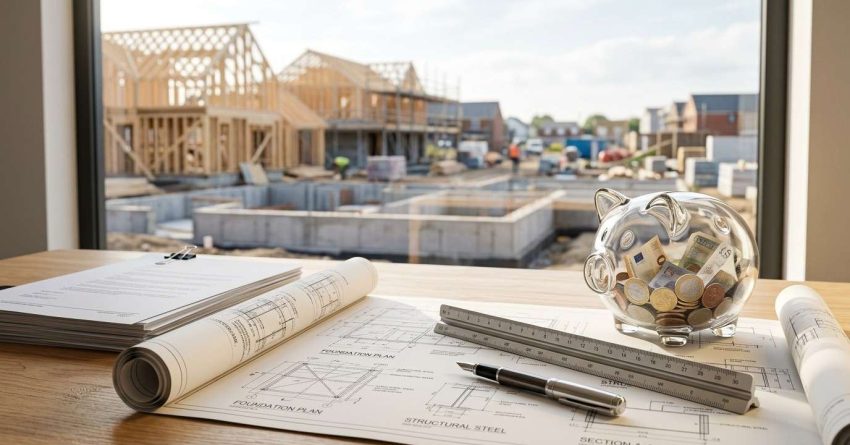
Structural warranty coverage protects homeowners from the cost of major defects in a home’s load-bearing components — including the foundation, framing, and structural systems — typically for 10 years after construction.
Understanding this coverage helps you know exactly what your builder or warranty provider is responsible for, what falls outside the warranty, and when to take action. Without this knowledge, homeowners risk missing valid claims or paying out of pocket for repairs that should be covered.
This guide explains what structural warranty coverage includes, how long it lasts, who provides it, and how to use it effectively as a homeowner or property manager.
What Is Structural Warranty Coverage?
Structural warranty coverage is a type of property protection that guarantees a newly built or recently renovated home is free from defects in its structural components. It is typically provided by the builder at the time of sale or purchased separately through a third-party warranty company.
The warranty exists because structural defects are among the most serious and expensive problems a property can develop. A failing foundation or compromised load-bearing wall can threaten the safety of occupants and the long-term value of the property. Structural warranty coverage transfers the financial risk of these defects from the homeowner to the builder or warranty provider during the coverage period.
This type of warranty is distinct from a general home warranty, which covers mechanical systems and appliances. Structural coverage applies specifically to the physical integrity of the building itself. Structural warranty coverage is one component of a broader property protection strategy — our home warranty coverage guide explains how all warranty types work together to protect your investment from unexpected repair costs.
What Does a Structural Warranty Typically Cover?
A structural warranty typically covers defects in the following components:
- Foundation systems: Footings, slabs, basement walls, and piers
- Load-bearing walls: Interior and exterior walls that support the structure above
- Roof framing: Rafters, trusses, and structural roof decking
- Floor systems: Beams, joists, and subfloor framing
- Columns and posts: Vertical structural supports
- Girders and lintels: Horizontal supports spanning openings
Coverage is triggered when a defect in one of these components causes the home to become structurally unsafe, uninhabitable, or significantly impaired in its load-bearing function. Cosmetic issues, surface cracks, and normal settling are generally not covered unless they indicate an underlying structural failure.
How Long Does Structural Warranty Coverage Last?
The duration of structural warranty coverage depends on the type of warranty and the component involved. Most new construction structural warranties follow a tiered coverage model that assigns different protection periods to different parts of the home.
The standard industry structure in the United States provides the longest protection for structural defects because they are the most serious and the most expensive to repair. Shorter coverage periods apply to workmanship and systems defects, which are less severe and more predictable.
Warranty Duration by Component Type
| Component Category | Typical Coverage Period |
| Structural defects (foundation, framing, load-bearing walls) | 10 years |
| Mechanical systems (HVAC, plumbing, electrical) | 2 years |
| Workmanship and materials defects | 1 year |
| Water infiltration through the building envelope | 2 years |
These timeframes reflect the most common structure used by builders and third-party warranty providers across the United States. Individual warranties may vary, so reviewing the specific terms of your coverage document is essential before assuming any component is protected.
What Is Not Covered Under a Structural Warranty?
Structural warranty coverage has clear boundaries, and understanding exclusions is just as important as understanding what is included. Most structural warranties do not cover the following:
Normal wear and settling: Minor cracks in drywall, small gaps around trim, and slight unevenness in floors are considered normal in new construction and are not structural defects.
Damage caused by the homeowner: Modifications, additions, or alterations made without proper permits or professional oversight can void structural warranty coverage entirely.
Weather and environmental damage: Damage caused by floods, earthquakes, hurricanes, or other natural events is typically excluded and falls under homeowner’s insurance rather than a structural warranty.
Neglected maintenance: If a homeowner fails to perform routine maintenance and that neglect contributes to structural damage, the warranty provider may deny the claim.
Pre-existing conditions: Defects that existed before the warranty period began, or that were disclosed at the time of sale, are generally excluded.
Roof damage caused by weather or poor maintenance typically falls outside structural warranty terms, which is why scheduling regular inspections through professional roofing repair services helps homeowners catch problems before they become costly warranty disputes.
Who Provides Structural Warranty Coverage?
Structural warranty coverage is provided through two primary channels: the original builder and third-party warranty companies. Understanding the difference helps homeowners evaluate the strength of their coverage and know who to contact when a problem arises.
Builder Warranties vs. Third-Party Warranty Providers
Builder warranties are offered directly by the construction company that built the home. The builder assumes financial responsibility for covered defects during the warranty period. The quality and reliability of builder warranties vary significantly depending on the builder’s financial stability and reputation. If a builder goes out of business, a builder-only warranty may become unenforceable.
Third-party warranty providers are independent companies that underwrite structural warranties separately from the builder. These warranties are backed by an insurance policy, which means coverage remains valid even if the builder is no longer in business. Third-party warranties are generally considered more reliable for long-term protection and are often required by lenders for new construction loans.
Some builders partner with third-party providers to offer a combined warranty, giving homeowners the benefit of both builder accountability and insurance-backed protection.
When structural issues are identified during a warranty inspection, many homeowners choose to address them alongside planned upgrades — connecting with professionals who specialize in home remodeling work ensures repairs meet current building codes and quality standards.
When Does Structural Warranty Coverage Apply?
Structural warranty coverage applies when a covered defect causes a defined level of damage to the home’s structural integrity. Most warranties specify that coverage is triggered when a defect results in one or more of the following conditions:
- The home becomes unsafe for normal occupancy
- A load-bearing component fails to perform its intended function
- The structural system is materially impaired beyond acceptable tolerances
Cracks in drywall or ceiling surfaces are among the most visible signs of structural movement, and understanding whether these fall under warranty coverage or require separate drywall and ceiling repairs helps homeowners respond quickly and correctly.
Timing also matters. Structural warranty claims must typically be filed within the active coverage period. Defects that appear after the warranty expires are not covered, even if the underlying cause began during the coverage period. Documenting any signs of structural movement or damage as soon as they appear is critical to preserving your right to file a valid claim.
How to File a Structural Warranty Claim
Filing a structural warranty claim follows a defined process. Acting promptly and documenting everything carefully improves the likelihood of a successful outcome.
- Review your warranty document to confirm the defect falls within covered components and the active coverage period.
- Document the damage with dated photographs, written descriptions, and any relevant inspection reports.
- Notify your warranty provider in writing as soon as the defect is identified. Most warranties require written notice within a specific timeframe.
- Allow the provider to inspect the property. The warranty company will typically send an inspector to assess the defect and determine whether it meets the coverage threshold.
- Receive a determination in writing. If the claim is approved, the provider will outline the repair scope and timeline. If denied, you have the right to request a written explanation and, in many cases, to appeal.
Filing a structural warranty claim follows a specific process that varies by provider — the full warranty claim process is outlined in our property protection guide, including documentation requirements and typical resolution timelines.
Structural Warranty Coverage for Homeowners and Property Managers
Structural warranty coverage serves different but equally important purposes depending on whether you are a homeowner, a landlord, or a property manager overseeing multiple units.
For homeowners, structural warranty coverage provides financial protection against the most expensive category of home repair. Foundation repairs, for example, can cost tens of thousands of dollars without warranty coverage. Knowing your coverage terms, keeping your warranty documents accessible, and scheduling periodic inspections during the coverage period are the most effective ways to protect your investment.
For landlords and property managers, structural warranty coverage affects both property value and legal obligations. A structural defect that makes a rental unit uninhabitable can trigger legal liability under implied warranty of habitability laws in most U.S. states. Proactive monitoring of structural conditions across multiple properties reduces both financial risk and tenant disputes.
Property managers overseeing multiple units benefit from routine professional assessments, and scheduling regular handyman inspection services helps identify minor structural concerns before they escalate into warranty-level claims.
Foundation and structural issues are frequently linked to moisture intrusion, and when water damage is involved, working with specialists in water damage restoration ensures the root cause is addressed alongside any warranty-covered structural repairs.
Conclusion
Structural warranty coverage is one of the most valuable protections available to homeowners and property managers, covering the components that matter most to the long-term safety and value of any property. Understanding what is covered, what is excluded, and how long protection lasts puts you in a stronger position to act when problems arise.
Knowing your warranty terms before a defect appears — not after — is the difference between a covered repair and an out-of-pocket expense. Proactive documentation, timely claim filing, and routine professional inspections are the practical steps that make warranty coverage work in your favor.
At Mr. Local Services, our network of skilled professionals supports homeowners and property managers at every stage — from routine inspections that protect your warranty standing to expert repairs that meet the standards your coverage requires. Contact us today to connect with a trusted professional in your area
Frequently Asked Questions
What is the difference between a structural warranty and a home warranty?
A structural warranty covers defects in the physical load-bearing components of a home, such as the foundation, framing, and roof structure. A home warranty covers mechanical systems and appliances. The two are separate products with different coverage terms, providers, and claim processes.
Is structural warranty coverage required by law?
Structural warranty coverage is not universally required by federal law in the United States, but many states have implied warranty statutes that hold builders legally responsible for structural defects for a defined period. Some lenders also require third-party structural warranties for new construction financing.
Can I transfer structural warranty coverage when I sell my home?
Many structural warranties are transferable to a subsequent buyer, which can be a selling advantage. Transfer eligibility, fees, and procedures vary by warranty provider, so reviewing your warranty document or contacting your provider directly is the best way to confirm transferability.
What happens if my builder goes out of business during the warranty period?
If your warranty is backed by a third-party insurance provider, coverage typically remains valid regardless of the builder’s status. Builder-only warranties without third-party backing may become unenforceable if the builder dissolves, which is why third-party-backed warranties are generally the stronger option.
How do I know if a crack in my home is a structural defect or normal settling?
Normal settling typically produces hairline cracks in drywall or plaster that are cosmetic and stable over time. Structural defects are indicated by cracks that are wide, growing, diagonal across corners of doors and windows, or accompanied by uneven floors, sticking doors, or visible bowing in walls. A professional inspection is the most reliable way to determine the cause.
Does structural warranty coverage include the roof?
Structural warranty coverage typically includes the roof framing — rafters, trusses, and structural decking — but not roofing materials such as shingles, flashing, or gutters. Roofing material defects are usually covered under a separate manufacturer’s warranty or a shorter workmanship warranty from the builder.
What should I do if my structural warranty claim is denied?
If your claim is denied, request a written explanation from the warranty provider and review it against your warranty document. You have the right to appeal in most cases. Consulting a licensed home inspector or structural engineer to provide an independent assessment can strengthen your appeal. If the dispute remains unresolved, a construction attorney can advise on your legal options.