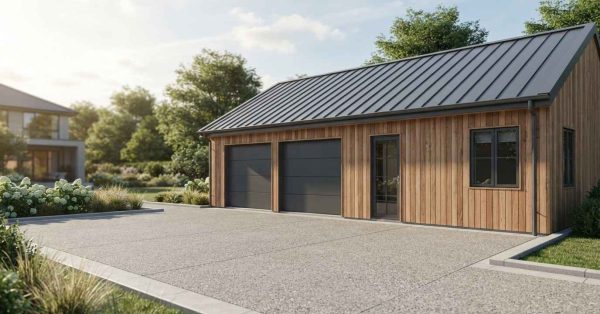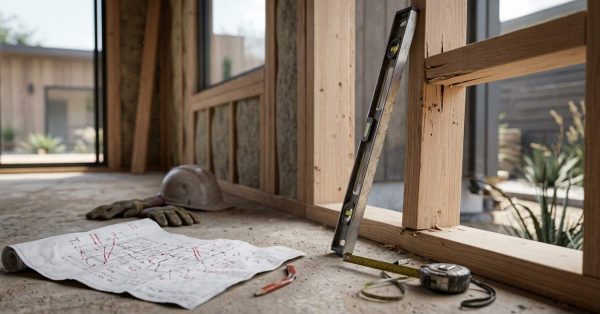
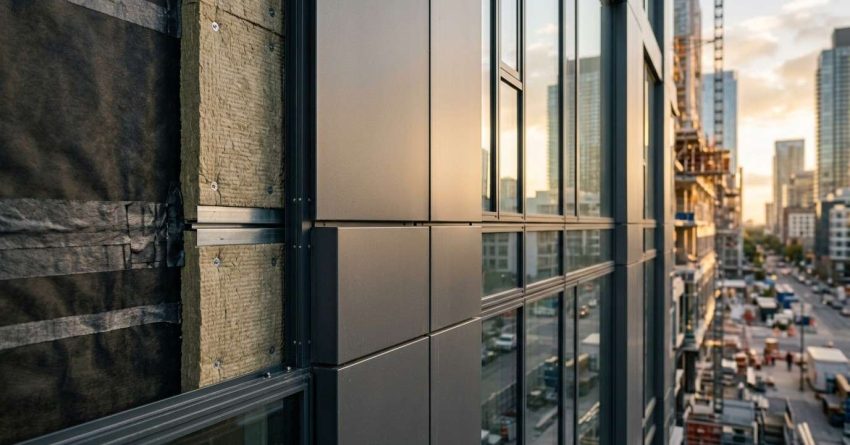
Building envelope design is the system of physical barriers — roof, walls, windows, and doors — that separates a building’s interior from the outdoor environment, controlling heat, air, and moisture transfer to keep occupants comfortable and the structure protected. For homeowners and property managers across the USA, understanding how this system works is the first step toward making smarter decisions about maintenance, repairs, and upgrades that protect long-term property value.
A poorly designed or deteriorating building envelope leads to rising energy bills, moisture damage, and structural problems that become expensive to fix.
This guide explains the core components of building envelope design, how each one affects performance, and what to do when the system needs attention.
The Core Components of a Building Envelope
A building envelope is made up of several interconnected systems. Each one plays a specific role in keeping the interior environment stable and the structure sound. When any component underperforms, the entire system is compromised.
The primary components include the roof assembly, exterior walls and cladding, windows, doors, and the foundation interface. Together, they form a continuous protective shell. Gaps, cracks, or material failures in any one of these elements allow heat, cold, air, and moisture to move in ways that damage the building and reduce comfort.
Roof Systems and Weather Barriers
The roof is the building envelope’s first line of defense against rain, wind, snow, and solar heat gain. A complete roof assembly includes the structural deck, underlayment, insulation layer, and the outer surface material — whether shingles, metal panels, or membrane roofing. The weather barrier beneath the outer surface is especially important: it prevents water from reaching the deck if the outer layer is breached.
Flashing at roof edges, valleys, and penetrations is where most roof-related moisture failures begin. The roof is the most exposed layer of any building envelope — our roofing services cover everything from weather barrier installation to full roof system replacement, helping homeowners and property managers protect their properties from the top down.
Exterior Walls and Cladding
Exterior walls carry structural loads while also serving as the envelope’s primary thermal and moisture barrier. The wall assembly typically includes structural framing, a continuous air barrier, insulation, a water-resistive barrier, and the outer cladding material — such as brick, stucco, fiber cement, or vinyl siding.
Cladding protects the layers beneath from direct weather exposure. When cladding fails — through cracking, warping, or separation — water infiltrates the wall assembly and begins degrading insulation, framing, and interior finishes. Proper installation and regular inspection of exterior wall systems are essential to long-term envelope performance.
Windows, Doors, and Fenestration
Windows and doors are the most thermally vulnerable points in any building envelope. They account for a significant share of heat loss in winter and heat gain in summer. Fenestration — the design and placement of openings — affects both energy performance and natural light.
Properly sealed windows are critical to envelope performance — our window installation services include energy-efficient replacements, weatherstripping, and frame sealing to eliminate drafts and moisture intrusion at every opening. Exterior doors are a primary point of air and moisture infiltration — our door replacement services address frame integrity, weathersealing, and threshold gaps that compromise the building envelope’s protective function.
How Building Envelope Design Affects Energy Efficiency
The building envelope is directly responsible for how much energy a property consumes for heating and cooling. A well-designed envelope reduces the load on HVAC systems by limiting uncontrolled air movement and heat transfer through walls, roofs, and openings.
Three factors drive envelope energy performance: insulation R-value, air tightness, and thermal mass. Properties with inadequate insulation or significant air leakage force heating and cooling systems to work harder, increasing utility costs year-round. Building envelope performance is one of the most impactful factors in long-term property upkeep — our home maintenance services connect property owners with specialists across every system that keeps a building safe, efficient, and well-maintained year-round.
Insulation, Air Sealing, and Thermal Performance
Insulation slows heat transfer through walls, roofs, and floors. Air sealing stops uncontrolled air movement through gaps, penetrations, and joints in the building shell. Both work together — insulation alone cannot compensate for significant air leakage, and air sealing without adequate insulation still allows heat to conduct through solid materials.
Thermal bridging — where structural elements like studs or metal connectors conduct heat through the insulation layer — is a common performance gap in older buildings. Addressing thermal bridges through continuous exterior insulation is one of the most effective envelope upgrades available to property owners seeking measurable energy savings.
For homeowners and property managers looking to improve envelope energy performance, a professional energy audit is the recommended starting point. It identifies the specific locations and severity of air leakage and insulation gaps before any work begins. Our air sealing and insulation services walk through every method and material option available for improving thermal performance without a full renovation.
Moisture Control and Waterproofing in Envelope Design
Moisture is the most destructive force acting on any building envelope. Water that enters the building shell — whether through rain, condensation, or groundwater — degrades insulation, promotes mold growth, and causes structural decay over time. Effective moisture control requires a layered approach that manages water at every stage: shedding it at the surface, draining it through the assembly, and preventing vapor from condensing inside the wall.
The building science principle of “drain, dry, and control” guides modern envelope moisture management. Surfaces must shed water quickly, assemblies must allow drying in at least one direction, and vapor control layers must be positioned correctly for the local climate.
Vapor Barriers, Drainage Planes, and Flashing
A vapor barrier or vapor retarder limits the movement of water vapor through the wall assembly, reducing the risk of condensation inside insulation layers. Its correct placement — interior side in cold climates, exterior side in hot-humid climates — depends on the dominant direction of vapor drive in the local environment.
Drainage planes are the water-resistive barriers installed behind cladding that direct any water that penetrates the outer surface downward and out of the assembly. Flashing at windows, doors, roof edges, and wall penetrations is the critical detail that connects these layers and prevents water from bypassing the drainage plane at vulnerable transitions.
When moisture breaches the building envelope, the consequences extend far beyond surface staining — our water damage restoration team responds quickly to assess structural impact, dry affected areas, and prevent mold from taking hold inside walls and ceilings.
Building Envelope Maintenance and Inspection
A building envelope requires regular inspection to catch deterioration before it becomes a structural problem. Most envelope failures develop gradually — sealants dry out, caulking cracks, flashing lifts, and cladding separates — and the damage accumulates invisibly inside the wall assembly long before it appears on interior surfaces.
Property owners should schedule a professional envelope inspection every three to five years, or after any major weather event. Inspections should cover all roof penetrations, window and door perimeters, wall-to-foundation transitions, and any areas where different materials meet.
Signs of Envelope Failure and When to Act
Common indicators of building envelope failure include water stains on ceilings or walls, peeling paint on exterior surfaces, drafts near windows and doors, condensation on interior glass, and unexplained increases in heating or cooling costs. Each of these signals points to a specific failure mode in the envelope system.
Interior signs of envelope failure — including bubbling paint, sagging ceilings, and soft drywall — often indicate moisture has already penetrated the outer shell; our drywall and ceiling repair team can assess and restore interior surfaces once the source has been addressed. Acting quickly when these signs appear limits the scope of repair and prevents secondary damage to framing, insulation, and interior finishes.
Building Envelope Design for Residential vs. Commercial Properties
Residential and commercial building envelopes share the same functional goals but differ significantly in scale, complexity, and regulatory requirements. Residential envelopes are typically simpler assemblies — wood-framed walls, asphalt shingle roofs, and standard window units — designed to meet local building codes and energy standards.
Commercial envelopes involve larger surface areas, more complex structural systems, and higher performance requirements. Curtain wall systems, high-performance glazing, and continuous insulation assemblies are common in commercial construction. Commercial properties also face stricter energy code compliance requirements, particularly under ASHRAE 90.1 standards, which govern envelope performance for non-residential buildings.
For property managers overseeing commercial assets, envelope performance directly affects operating costs, tenant comfort, and asset value. For residential owners, the same principles apply at a smaller scale — and the return on envelope improvements is measurable in reduced utility bills and fewer repair calls over time.
Working With Professionals on Building Envelope Projects
Building envelope work spans multiple trades. Depending on the scope of the project, it may involve roofers, window installers, door specialists, insulation contractors, waterproofing professionals, and general contractors. Coordinating these trades correctly — and ensuring each component integrates properly with the others — is essential to achieving a continuous, high-performing envelope.
The most common mistake in envelope repair is addressing symptoms without identifying the source. Replacing interior drywall without fixing the flashing failure that allowed water in will result in the same damage recurring within months. A qualified envelope professional diagnoses the failure mode first, then sequences repairs to address the root cause before restoring interior finishes.
Roofing, Window, and Door Service Specialists
Envelope work involving the roof requires licensed roofing contractors who understand flashing integration, underlayment systems, and how the roof connects to wall assemblies — all of which affect the envelope’s ability to shed water and resist wind. Window and door specialists bring the same level of system-specific knowledge to fenestration work, ensuring that replacements are properly flashed, sealed, and integrated with the wall’s water-resistive barrier.
Mr. Local Services connects homeowners and property managers with vetted professionals across all envelope-related trades, providing a single point of contact for projects that span multiple systems and require coordinated scheduling.
How Building Envelope Upgrades Add Long-Term Property Value
Envelope improvements deliver measurable returns across three dimensions: energy savings, reduced maintenance costs, and increased property value. Properties with high-performance envelopes command higher sale prices and rental rates because buyers and tenants recognize the direct connection between envelope quality and ongoing operating costs.
Energy-efficient windows, continuous insulation, and air-sealed assemblies reduce annual heating and cooling costs significantly. According to the U.S. Department of Energy, air sealing and insulation improvements can reduce heating and cooling costs by up to 15% in a typical home. Over a ten-year ownership period, those savings compound into a substantial return on the initial investment.
Envelope upgrades also reduce the frequency and severity of maintenance calls. A properly waterproofed and sealed envelope eliminates the recurring moisture intrusion events that generate drywall repairs, mold remediation, and structural work. Our remodeling services help homeowners and property managers integrate envelope improvements into larger projects, ensuring new cladding, windows, and insulation work together as a unified system.
Conclusion
Building envelope design is the foundation of every property’s long-term performance — connecting roof, walls, windows, and doors into a system that controls heat, air, and moisture. When any component fails, the effects ripple through energy costs, interior finishes, and structural integrity.
Addressing envelope issues early — through regular inspection, targeted repairs, and strategic upgrades — prevents small failures from becoming expensive problems that affect the entire building system.
Mr. Local Services connects you with skilled professionals across every envelope-related trade, from roofing and window replacement to moisture control and insulation — so your property stays protected, efficient, and well-maintained year-round.
Frequently Asked Questions About Building Envelope Design
What is the purpose of a building envelope?
A building envelope separates a structure’s interior from the outdoor environment, controlling the transfer of heat, air, and moisture. Its purpose is to keep occupants comfortable, protect the structure from weather damage, and reduce energy consumption by limiting uncontrolled air and heat movement.
What are the main components of a building envelope?
The main components are the roof assembly, exterior walls and cladding, windows, doors, and the foundation interface. Each component must work together as a continuous system — gaps or failures in any one element compromise the performance of the entire envelope.
How does building envelope design affect energy costs?
The envelope controls how much heat enters or escapes the building, directly affecting how hard heating and cooling systems must work. Poor insulation, air leaks, and inefficient windows force HVAC systems to run longer, increasing energy bills. Improving envelope performance is one of the most cost-effective ways to reduce utility costs.
How often should a building envelope be inspected?
A professional building envelope inspection is recommended every three to five years for most residential and commercial properties. Inspections should also be scheduled after major storms, significant temperature swings, or any visible signs of water intrusion or exterior damage.
What causes building envelope failure?
Building envelope failure is most commonly caused by deteriorated sealants and caulking, failed flashing at roof and wall transitions, damaged or missing vapor barriers, and improper installation of windows or doors. Age, deferred maintenance, and extreme weather events accelerate deterioration across all envelope components.
Can I improve my building envelope without a full renovation?
Yes. Targeted improvements — such as air sealing around windows and doors, adding exterior insulation, replacing failed caulking, or upgrading to energy-efficient windows — deliver significant performance gains without requiring a complete renovation. A professional energy audit identifies the highest-priority improvements for your specific property.
Who should I hire for building envelope work?
Building envelope projects typically require trade-specific professionals: roofing contractors for roof and flashing work, window and door specialists for fenestration, and insulation or waterproofing contractors for thermal and moisture control. Mr. Local Services coordinates vetted professionals across all these trades, simplifying the process for homeowners and property managers managing multi-system envelope projects.