Choosing the right windows during new construction is one of the most important decisions you will make — windows affect energy costs, comfort, natural light, and long-term home value. Most homeowners have a limited window (no pun intended) to make these choices before the builder locks in specifications, so getting informed early saves money and prevents costly changes later.
This guide covers everything you need to know: window types, frame materials, energy ratings, sizing, installation, and costs — so you can make confident decisions from the start.
Why Window Selection Matters in New Construction
Windows are not just openings in a wall. They are building envelope components that directly affect heating and cooling loads, indoor air quality, structural integrity, and resale value. In new construction, you have the advantage of selecting windows before walls are framed, which means you can optimize placement, sizing, and performance from the ground up rather than working around existing constraints.
Poor window choices made during construction are expensive to correct. Replacing windows in a finished home costs significantly more than upgrading during the build phase, and builder-grade defaults are often the lowest-performing option available. Understanding your choices now protects your investment for decades.
Choosing the right windows starts with understanding the full scope of what window services cover — our window services overview explains every option available to homeowners and property managers, from selection through installation and long-term maintenance.
Types of Windows for New Construction Homes
Window style determines how a window operates, how much ventilation it provides, and how it fits the architectural character of your home. New construction gives you full flexibility to choose the right style for each room rather than inheriting whatever was installed before.
Single-Hung and Double-Hung Windows
Single-hung windows have a fixed upper sash and a movable lower sash. Double-hung windows allow both sashes to move, which improves ventilation and makes cleaning easier — both sides can be tilted inward from inside the home. Double-hung windows are the most common choice in American residential construction because they work well in nearly every room and are widely available across all price points.
Casement and Awning Windows
Casement windows are hinged on one side and swing outward with a crank mechanism. They seal tightly when closed, which makes them one of the most energy-efficient operational window styles available. Awning windows are hinged at the top and open outward from the bottom, allowing ventilation even during light rain. Both styles work well in kitchens, bathrooms, and rooms where airflow is a priority.
Picture, Bay, and Bow Windows
Picture windows are fixed — they do not open — and are designed to maximize views and natural light. Bay windows project outward from the wall at an angle, typically combining a large center picture window with two smaller flanking windows. Bow windows follow a curved projection with four or more window units. Both bay and bow windows add architectural interest and interior space, but they require careful structural planning during the framing stage.
Before committing to a specific style, reviewing a complete window types guide helps you compare every available option side by side, including operational styles, glass configurations, and best-use scenarios for each room.
Window Frame Materials Explained
Frame material affects durability, maintenance requirements, thermal performance, and cost. Each material has a distinct set of trade-offs, and the right choice depends on your climate, budget, and long-term maintenance preferences.
Vinyl Window Frames
Vinyl frames are the most popular choice in new construction across the United States. They are low-maintenance, resistant to moisture and rot, and provide good thermal performance at a competitive price point. Vinyl does not need painting and will not corrode. The main limitation is that vinyl has less structural rigidity than wood or fiberglass, which can limit available sizes for very large window openings.
Wood Window Frames
Wood frames offer excellent insulating properties and a classic aesthetic that many homeowners prefer, particularly in traditional or craftsman-style homes. They can be painted or stained to match any interior finish. The trade-off is maintenance — wood requires periodic painting or sealing to prevent moisture damage, warping, and rot. Many manufacturers offer wood frames with exterior aluminum or vinyl cladding to reduce outdoor maintenance while preserving the interior wood appearance.
Fiberglass and Aluminum Frames
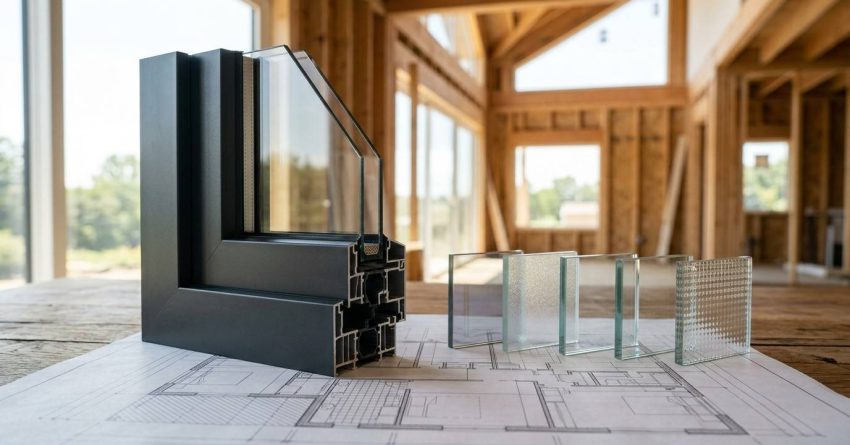
Fiberglass frames are the highest-performing option available. They are dimensionally stable, meaning they expand and contract very little with temperature changes, which preserves the seal integrity over time. Fiberglass is stronger than vinyl, supports larger window sizes, and has a longer expected lifespan. The trade-off is cost — fiberglass windows typically cost more than vinyl. Aluminum frames are strong and slim, which maximizes glass area, but aluminum conducts heat and cold readily, making it a poor thermal performer unless the frame includes a thermal break. Aluminum is more common in commercial construction than residential.
Understanding frame materials now also prepares you for the future — our window replacement options covers when and how to upgrade frames as your home ages, including material-specific timelines and cost considerations.
Energy Efficiency Ratings and What They Mean
Energy performance ratings tell you how well a window manages heat transfer, solar gain, and air infiltration. In new construction, selecting energy-efficient windows from the start reduces heating and cooling costs for the life of the home.
U-Factor and Solar Heat Gain Coefficient
The U-factor measures how quickly a window transfers heat — the lower the number, the better the insulating performance. A U-factor of 0.30 or below is generally considered high-performing for residential windows. The Solar Heat Gain Coefficient (SHGC) measures how much solar radiation passes through the glass. A lower SHGC reduces cooling loads in hot climates, while a higher SHGC can be beneficial in cold climates where passive solar heating is desirable. The right balance depends on your geographic location and the orientation of each window.
ENERGY STAR Certification for New Builds
ENERGY STAR certified windows meet performance thresholds set by the U.S. Environmental Protection Agency and are calibrated by climate zone. Windows certified for the Northern zone have different U-factor and SHGC requirements than those certified for the Southern zone. Specifying ENERGY STAR certified windows in new construction can also contribute to green building certifications and may qualify for federal tax credits under current residential energy efficiency incentive programs.
For homeowners who want to go deeper on reducing utility costs across the entire property, our energy efficiency ratings resource covers insulation, HVAC, and window performance together as a complete system.
Window Sizing and Placement for New Construction
Getting sizing and placement right during the design phase is far easier than correcting it after framing is complete. Both decisions affect structural requirements, energy performance, and how livable each room feels.
Rough Opening Measurements
The rough opening is the framed opening in the wall that the window unit sits inside. It is always slightly larger than the window unit itself — typically 1/2 inch to 1 inch larger on each side — to allow for shimming, leveling, and flashing. Window manufacturers publish rough opening requirements for every product, and these dimensions must be communicated to the framing crew before walls go up. Errors in rough opening size require structural corrections that are time-consuming and expensive.
Placement for Natural Light and Ventilation
South-facing windows receive the most consistent daylight and passive solar gain in the Northern Hemisphere. North-facing windows provide even, diffuse light without direct sun exposure — ideal for home offices and studios. East-facing windows capture morning light, while west-facing windows bring in afternoon sun and heat. Cross-ventilation is achieved by placing operable windows on opposite or adjacent walls so that air can flow through the space. These placement decisions should be made in coordination with your floor plan and HVAC design.
New Construction Window Installation Process
Window installation in new construction differs from replacement installation. In new construction, windows are typically installed after framing and sheathing are complete but before exterior cladding, insulation, and drywall are applied. This sequence allows for proper flashing integration and air sealing, which are critical to long-term performance.
Builder-Grade vs. Upgrade Window Packages
Most production builders offer a base window package included in the home price and one or more upgrade tiers at additional cost. Builder-grade windows meet minimum code requirements but are typically the lowest-performing products the builder can source at volume pricing. Upgrade packages usually offer better U-factors, improved frame materials, Low-E glass coatings, and better hardware. Evaluating the upgrade cost against the long-term energy savings and replacement timeline is a worthwhile calculation before signing off on the base package.
What to Expect During Installation
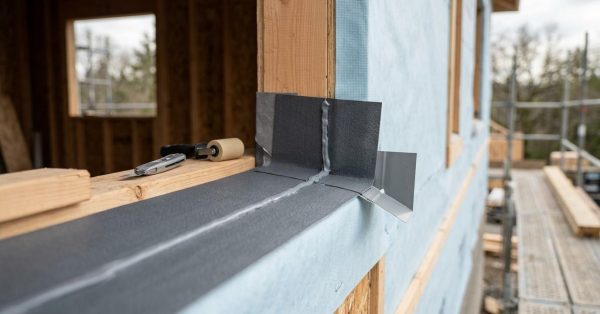
In new construction, window installation typically takes one to two days for a standard single-family home, depending on the number of units and crew size. The process includes setting each window unit in the rough opening, shimming and leveling, fastening through the nailing flange or frame, applying flashing tape at the sill and jambs, and sealing the perimeter. Proper flashing and air sealing at this stage are the most important factors in preventing water intrusion and air leakage over the life of the window.
If you want a detailed breakdown of every step involved, our window installation process walks through the full sequence from rough opening preparation through final sealing and inspection.
Window Costs for New Construction
Window costs in new construction vary widely based on style, frame material, glass package, and the number of units. Understanding the cost structure helps you evaluate builder packages and make informed upgrade decisions.
Per-Window Cost Ranges by Type and Material
Vinyl double-hung windows in standard sizes typically range from $150 to $400 per unit for the window itself, before installation labor. Casement and awning windows in vinyl run $200 to $500 per unit. Wood-clad windows start around $400 and can exceed $1,000 per unit for larger sizes or premium brands. Fiberglass windows typically range from $500 to $1,500 per unit. Picture windows and specialty shapes such as bay and bow units carry higher costs due to custom sizing and structural requirements.
Factors That Affect Total Window Budget
The total window budget for a new construction home depends on the number of windows, the size of each opening, the glass package selected (standard clear glass vs. Low-E vs. triple-pane), and any custom shapes or sizes. Installation labor in new construction is generally lower per unit than replacement installation because there is no existing window to remove and the rough openings are accessible before interior finishes are applied. A typical new construction home with 20 to 30 windows might have a total window budget ranging from $8,000 to $30,000 or more, depending on the specifications chosen.
For a full breakdown of pricing across all window service categories — including repair, replacement, and specialty glass — our window service pricing provides transparent cost ranges and what drives them.
Common Mistakes to Avoid When Choosing Windows
Several avoidable mistakes consistently affect new construction window projects. Accepting the builder-grade package without reviewing upgrade options is the most common — the cost difference at build time is almost always lower than replacement cost later. Failing to verify rough opening dimensions before framing is another frequent issue that causes delays and structural corrections. Choosing windows based on appearance alone without reviewing energy performance ratings leads to higher utility costs for the life of the home. Overlooking ventilation needs in rooms like bathrooms and kitchens — where fixed windows are sometimes specified to reduce cost — creates air quality problems that are difficult to correct after construction. Finally, not confirming lead times for specialty or custom windows before the installation window in the construction schedule can cause significant project delays.
Working With a Window Service Professional
Selecting and installing windows in new construction involves coordination between the window supplier, the builder, the framing crew, and the installation team. A qualified window service professional brings product knowledge, installation expertise, and familiarity with local building codes that protects your investment and ensures the work is done correctly the first time.
Working with a professional also gives you access to product lines and pricing that may not be available through standard retail channels, along with warranty support and accountability if issues arise after installation. The decisions you make during new construction are long-term commitments — getting expert guidance at this stage is one of the highest-value investments you can make in your home.
When you are ready to move from planning to action, our team of professionals is available to handle every aspect of your window project — explore our professional window services to see the full range of what we offer and how to get started.
Conclusion
Selecting windows for new construction requires balancing style, performance, material durability, and budget across every opening in the home. The decisions made during the build phase have a direct and lasting impact on energy costs, comfort, and long-term maintenance.
Getting the specifications right — from frame material and energy ratings to sizing and placement — is far more cost-effective at the construction stage than correcting problems after the home is finished.
At Mr. Local Services, we connect homeowners and builders with skilled window professionals who bring the expertise needed to make these decisions confidently — reach out today to get the right windows specified, installed, and sealed correctly from day one.
Frequently Asked Questions
What type of windows are best for new construction homes?
Double-hung vinyl or fiberglass windows are the most practical choice for most new construction homes. They offer a strong balance of energy performance, durability, low maintenance, and cost-effectiveness across a wide range of climates and architectural styles.
How many windows does a typical new construction home need?
Most single-family new construction homes include between 20 and 30 windows, though the exact number depends on the floor plan, square footage, and design. Larger homes or those with open floor plans and significant glazing may require 35 or more units.
What is the difference between new construction windows and replacement windows?
New construction windows include a nailing flange — a perimeter lip that fastens directly to the wall framing. Replacement windows are designed to fit inside an existing frame without removing the surrounding trim or cladding. Using the correct product type for each application is essential for proper installation and weatherproofing.
Should I upgrade from builder-grade windows during new construction?
In most cases, yes. Builder-grade windows meet minimum code requirements but are typically the lowest-performing products available. Upgrading to better U-factors, Low-E glass, or improved frame materials at build time costs significantly less than replacing windows after the home is complete.
What U-factor should I look for in new construction windows?
A U-factor of 0.30 or lower is generally recommended for energy-efficient residential windows. In colder climates, targeting 0.25 or below provides better insulating performance and reduces heating costs. ENERGY STAR certified windows are calibrated by climate zone and provide a reliable performance benchmark.
How long does window installation take in new construction?
Window installation for a standard single-family home typically takes one to two days with a professional crew. The timeline depends on the number of units, window sizes, and the complexity of any specialty shapes or custom openings included in the design.
Can I change my window selections after framing has started?
Changes after framing has begun are possible but may require structural modifications to rough openings, which adds cost and can delay the construction schedule. Finalizing window selections before framing begins is strongly recommended to avoid these complications.