Asphalt shingles cover more than 75% of residential roofs across the United States, making them the most widely used roofing material for good reason. They are affordable, durable, and available in a wide range of styles that suit nearly every home type and climate. This guide covers everything homeowners, landlords, and property managers need to know about asphalt shingle roofing — from how shingles are made to how long they last, what installation involves, and when it is time for a replacement.
Understanding your roof helps you make smarter decisions, avoid costly surprises, and protect one of your property’s most critical structural systems.
This guide explains asphalt shingle types, installation steps, maintenance needs, repair options, and cost factors so you can act with confidence.
What Are Asphalt Shingles?
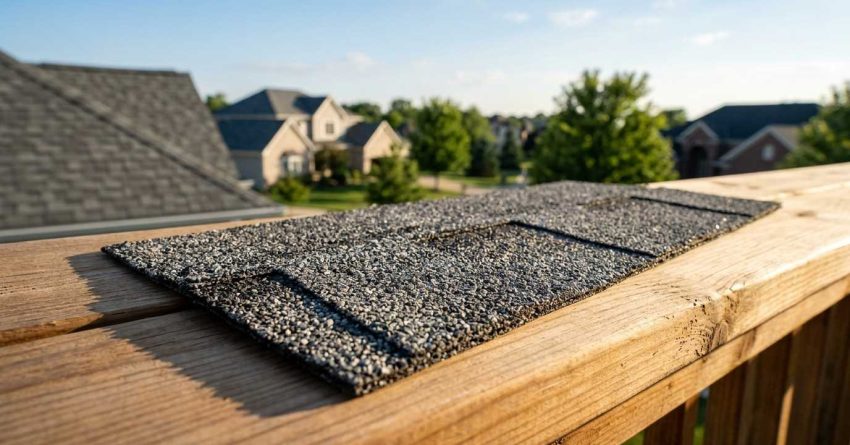
Asphalt shingles are flat, overlapping roofing panels made from a fiberglass or organic mat base coated with asphalt and topped with mineral granules. The granules protect the shingle from UV radiation, reflect heat, and give the roof its color and texture. They are installed in overlapping rows from the bottom edge of the roof upward, creating a layered barrier that sheds water away from the structure.
Asphalt shingles are the most widely installed roofing material in the United States — our roofing services guide covers the full range of roofing solutions available for residential and commercial properties, from material selection through final installation.
How Asphalt Shingles Are Made
Modern asphalt shingles start with a fiberglass mat, which provides dimensional stability and fire resistance. The mat is saturated with asphalt to create a waterproof core, then coated with ceramic-coated mineral granules on the exposed surface. The granules determine color, reflect solar energy, and protect the asphalt layer from degrading under direct sunlight. The underside is coated with a release film to prevent shingles from sticking together during storage and shipping.
Types of Asphalt Shingles
Three main types are available for residential roofing:
3-Tab Shingles are the most basic and affordable option. They are flat, uniform in appearance, and typically carry a 20–25 year warranty. They perform well in moderate climates but offer less wind resistance than dimensional options.
Architectural (Dimensional) Shingles are the most popular choice for new installations. They are thicker, heavier, and designed to mimic the look of wood shake or slate. Most carry 30–50 year warranties and are rated for winds up to 110–130 mph.
Impact-Resistant Shingles are engineered with a modified asphalt compound that absorbs hail and debris impact without cracking. They carry Class 4 impact ratings and may qualify homeowners for insurance discounts in hail-prone regions.
Benefits of Asphalt Shingle Roofing
Asphalt shingles remain the dominant roofing choice because they deliver a practical combination of performance, cost, and versatility that few other materials match.
Affordability is the most immediate advantage. Asphalt shingles cost significantly less per square foot than metal, tile, or slate roofing, making them accessible for a wide range of budgets.
Ease of installation reduces labor time and cost. Most experienced roofing crews can complete a standard residential installation in one to two days, minimizing disruption to the household.
Wide style selection allows homeowners to match shingles to their home’s architectural style. Colors range from charcoal and slate gray to warm browns, reds, and greens, with textures that replicate premium materials at a fraction of the price.
Repairability is a practical long-term benefit. Individual damaged shingles can be replaced without disturbing the surrounding roof surface, keeping repair costs manageable.
Energy efficiency has improved significantly with modern shingle technology. Reflective granule coatings on cool-roof shingles reduce heat absorption, which can lower cooling costs during summer months.
How Long Do Asphalt Shingles Last?
The lifespan of an asphalt shingle roof depends on the shingle type, installation quality, climate, and maintenance history. According to the National Roofing Contractors Association, 3-tab shingles typically last 20–25 years, while architectural shingles are rated for 30–50 years under normal conditions.
Factors That Affect Shingle Lifespan
Climate and weather exposure are the most significant variables. Roofs in regions with frequent hail, high winds, heavy snowfall, or extreme temperature swings experience accelerated wear compared to roofs in mild climates.
Attic ventilation plays a critical role that many homeowners overlook. Poor ventilation traps heat and moisture in the attic space, which degrades the shingle backing from below and can cut years off the expected lifespan.
Installation quality determines how well shingles perform over time. Improper nailing patterns, inadequate underlayment, or skipped flashing details create failure points that appear years before the shingles themselves would naturally wear out.
Maintenance frequency directly extends or shortens roof life. Roofs that receive regular inspections, prompt repairs, and clear gutters consistently outlast neglected roofs of the same age and material.
Asphalt Shingle Installation Process
A professional asphalt shingle installation follows a structured sequence that ensures the roof performs as designed for its full rated lifespan. Cutting corners at any stage creates vulnerabilities that may not become visible until water damage has already occurred.
The process begins with a full inspection of the existing roof deck. Any damaged, rotted, or soft decking boards are replaced before new materials go down. A synthetic or felt underlayment is then installed across the entire deck surface, providing a secondary moisture barrier beneath the shingles.
Drip edge flashing is installed along the eaves and rakes to direct water away from the fascia. Ice and water shield membrane is applied in vulnerable areas — valleys, eaves, and around penetrations — before the underlayment goes down in cold climates.
Shingles are installed starting at the bottom edge of the roof and working upward in overlapping rows. Each shingle is fastened with roofing nails at the manufacturer-specified nail line, using the correct number of fasteners per shingle. Ridge cap shingles finish the peak of the roof, and all penetrations — vents, chimneys, skylights — receive properly installed flashing to prevent water entry.
Understanding roofing costs in context of your overall property value is essential — our home investment analysis breaks down how structural improvements like roofing affect long-term property returns for homeowners and investors.
What to Expect During Installation
A standard residential reroof typically takes one to two days for an average-sized home. Homeowners should expect noise throughout the workday, temporary debris around the perimeter of the home, and a dumpster or trailer on-site for old material disposal. A reputable contractor will conduct a final walkthrough and magnetic nail sweep of the yard before leaving the site.
Asphalt Shingle Repair and Maintenance
Regular maintenance is the most cost-effective way to extend the life of an asphalt shingle roof. Most roofing professionals recommend a professional inspection at least once per year, with an additional inspection after any major storm event.
Common Asphalt Shingle Problems
Cracked or curling shingles indicate age-related deterioration or inadequate ventilation. Curling at the edges (cupping) or upward curling at the center (clawing) signals that shingles are nearing the end of their useful life.
Missing shingles expose the underlayment and deck to direct weather. Even a single missing shingle creates an entry point for water and should be replaced promptly.
Granule loss is visible as bare patches on the shingle surface or as granule accumulation in gutters. Significant granule loss accelerates UV degradation and reduces the shingle’s protective capacity.
Flashing failures around chimneys, vents, and valleys are a leading cause of roof leaks. Flashing can separate, corrode, or crack over time, allowing water to penetrate at the most vulnerable points of the roof.
Moss and algae growth retains moisture against the shingle surface, accelerating deterioration. Algae appears as dark streaking; moss forms a visible green layer that can lift shingle edges over time.
When damaged or missing shingles go unaddressed, interior water intrusion becomes a serious risk — our water damage services team responds quickly to assess and restore properties affected by roof-related leaks and moisture damage.
Asphalt Shingle Roofing Cost
Asphalt shingle roofing costs vary based on roof size, pitch, shingle type, regional labor rates, and the scope of any deck repairs needed. The following ranges reflect typical installed costs for a complete residential reroof in the United States.
3-Tab Shingles: $3.50–$5.50 per square foot installed, including labor and materials.
Architectural Shingles: $4.50–$7.50 per square foot installed. This is the most common price range for standard residential reroofing projects.
Impact-Resistant Shingles: $6.00–$10.00 per square foot installed, reflecting the premium material cost and potential long-term insurance savings.
A 2,000 square foot roof typically falls in the range of $7,000–$15,000 for a full replacement, depending on shingle grade and local labor costs. Partial repairs for isolated damage are significantly less expensive, often ranging from $300–$1,500 depending on the extent of the affected area.
Permits, old roof tear-off, and deck repairs are additional cost factors that vary by municipality and project condition. Always request an itemized written estimate before authorizing any roofing work.
When to Replace Your Asphalt Shingle Roof
Knowing when to replace rather than repair an asphalt shingle roof saves homeowners from repeated repair costs that add up to more than a full replacement would have cost.
Replacement is typically the right decision when the roof is within 5 years of its rated lifespan, when more than 25–30% of the shingle surface shows damage or significant wear, when multiple leaks have occurred in different locations, or when the roof deck itself has sustained structural damage.
A professional inspection provides the clearest picture. A qualified roofing contractor will assess the shingle condition, underlayment integrity, deck condition, and flashing status to give an honest recommendation on repair versus replacement.
Homeowners who have experienced recent storm damage should request an inspection promptly. Many insurance policies cover storm-related roof damage, and documentation from a professional inspection supports the claims process.
Choosing the Right Roofing Contractor
Selecting a qualified roofing contractor is as important as selecting the right shingles. A poor installation shortens the life of even the best materials and creates liability issues when warranty claims arise.
Look for contractors who are licensed and insured in your state, carry both general liability and workers’ compensation coverage, and are certified installers for the shingle manufacturer whose product they are recommending. Manufacturer certification matters because it is often required to activate the full warranty period on premium shingle lines.
Request at least three written estimates, verify references from recent local projects, and confirm that the contractor will pull the required permits for your municipality. A reputable contractor will not ask you to waive permits or pay the full project cost upfront.
For minor roofing repairs that do not require a full contractor, our handyman services team handles small-scale fixes, flashing adjustments, and gutter work that keep your roof performing between major service visits.
How Roofing Connects to Whole-Home Maintenance
An asphalt shingle roof does not function in isolation. Its performance is directly connected to the condition of the gutters that drain it, the attic ventilation system beneath it, the flashing that seals its penetrations, and the interior spaces it protects. A roof that is in good condition but paired with clogged gutters or inadequate attic ventilation will still fail prematurely.
Treating roofing as part of a whole-home maintenance plan — rather than a standalone system — produces better long-term outcomes and lower total costs. Annual inspections that assess the roof alongside gutters, attic ventilation, and exterior drainage give homeowners a complete picture of their property’s condition and allow problems to be addressed before they escalate.
A well-maintained asphalt shingle roof is one component of a healthy property — explore our full roofing services to see how professional roofing care integrates with the broader maintenance, repair, and improvement services that protect your home year-round.
Conclusion
Asphalt shingles are a proven, cost-effective roofing solution that protects residential and commercial properties across every climate in the United States. Understanding shingle types, installation standards, and maintenance requirements helps homeowners make informed decisions at every stage of roof ownership.
Proactive maintenance, timely repairs, and informed contractor selection extend roof life and protect the broader investment a property represents. The roof is not just a surface — it is the first line of defense for everything inside.
At Mr. Local Services, our roofing professionals are ready to inspect, repair, or replace your asphalt shingle roof with quality workmanship and transparent pricing. Contact us today to schedule a roof assessment and keep your property protected year-round.
Frequently Asked Questions
How often should asphalt shingles be inspected?
Asphalt shingle roofs should be inspected by a professional at least once per year. An additional inspection is recommended after any major storm involving high winds, hail, or heavy snow accumulation.
Can I repair asphalt shingles myself?
Minor repairs such as replacing one or two missing shingles are possible for experienced DIYers, but most repairs are best handled by a licensed roofing professional. Improper repairs can void manufacturer warranties and create new leak points if not executed correctly.
What causes asphalt shingles to curl?
Shingle curling is typically caused by age-related deterioration, poor attic ventilation, or moisture imbalance between the top and bottom of the shingle. Cupping and clawing are both signs that shingles are approaching the end of their useful life.
Do asphalt shingles qualify for energy efficiency incentives?
Certain cool-roof asphalt shingles with Energy Star ratings may qualify for federal or state energy efficiency tax credits. Homeowners should verify current eligibility requirements with a tax professional and confirm the specific product’s certification status before purchasing.
How do I know if my roof has storm damage?
Signs of storm damage include missing or displaced shingles, dented or cracked shingles from hail impact, granule accumulation in gutters after a storm, and visible damage to flashing or ridge caps. A professional inspection after any significant storm event provides the most accurate damage assessment.
What is the difference between a roof repair and a full replacement?
A roof repair addresses isolated damage to a specific area of the roof while leaving the surrounding shingles in place. A full replacement removes all existing shingles and underlayment and installs a complete new roofing system. Replacement is recommended when damage is widespread, the roof is near the end of its rated lifespan, or repeated repairs have failed to resolve ongoing leaks.
How long does an asphalt shingle roof replacement take?
Most residential asphalt shingle roof replacements are completed in one to two days for an average-sized home. Larger roofs, complex roof geometries, or projects requiring significant deck repairs may take three to four days. Weather delays can extend the timeline.