Fiber cement siding, most commonly known by the James Hardie brand, is one of the most durable and weather-resistant exterior cladding materials available to homeowners in the USA today. It combines cement, sand, and cellulose fibers into panels that resist rot, fire, pests, and moisture — making it a long-term investment for residential and commercial properties alike.
Choosing the wrong siding material leads to costly repairs, premature replacement, and ongoing maintenance headaches that drain your time and budget every year.
This guide covers what fiber cement siding is, the types available, installation steps, costs, maintenance needs, and painting requirements — everything you need to make a confident decision.
What Is Fiber Cement Siding?
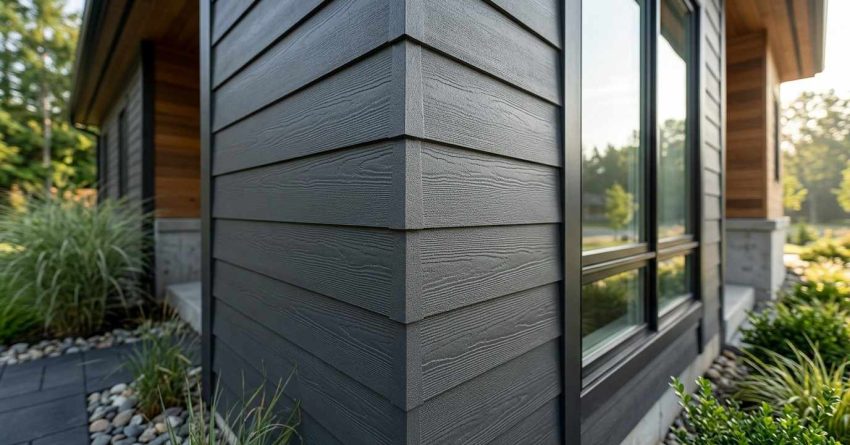
Fiber cement siding is an exterior wall cladding material made from a compressed mixture of Portland cement, ground sand, and cellulose wood fibers. The result is a rigid, dimensionally stable panel that mimics the appearance of wood, stucco, or masonry without the vulnerabilities those materials carry.
James Hardie Industries is the dominant manufacturer in the USA, and the Hardie name has become nearly synonymous with fiber cement siding in the residential construction and remodeling market. The product line includes lap siding, shingle panels, and vertical board options — each designed for specific architectural styles and climate conditions.
How Hardie Board Is Made
Hardie board is produced through an autoclaving process, where the raw mixture of cement, sand, and cellulose fibers is cured under high-pressure steam. This process creates a dense, uniform panel with consistent strength throughout. James Hardie also applies a proprietary ColorPlus Technology finish to many products, baking multiple layers of paint onto the panel surface during manufacturing for a finish that resists fading, chipping, and cracking longer than field-applied paint.
Fiber Cement vs. Other Siding Materials
Compared to wood siding, fiber cement does not rot, warp, or attract termites. Compared to vinyl, it holds paint better, resists impact damage more effectively, and performs significantly better in high-wind and high-humidity climates. Compared to stucco, it is easier to install, repair, and repaint. The trade-off is weight — fiber cement panels are heavier than vinyl, which increases labor costs and requires proper structural support during installation.
Fiber cement is one of several exterior cladding options available to homeowners — our siding services guide covers every material type, installation method, and service option to help you choose the right solution for your property.
Benefits of Fiber Cement Siding for Your Home
Fiber cement siding delivers a combination of performance attributes that few other cladding materials can match across the full range of USA climate zones. Its value comes not from any single feature but from how its core properties work together over decades of use.
Durability and Weather Resistance
Fiber cement panels are non-combustible and carry a Class 1 fire rating, making them a preferred choice in wildfire-prone regions. They are engineered to withstand winds exceeding 150 mph when properly installed, and they do not absorb moisture the way wood does, which prevents swelling, cracking, and rot. James Hardie offers regionally specific product lines — HardieZone products — formulated for the temperature extremes and humidity levels of different USA climate zones.
Low Maintenance Requirements
Unlike wood siding, fiber cement does not require annual sealing or staining. Routine maintenance consists of periodic cleaning and repainting every 10 to 15 years, depending on climate exposure and the type of finish applied. The panels do not dent from hail or minor impacts the way vinyl can, and they do not require the same level of seasonal inspection that wood demands. For most homeowners, fiber cement significantly reduces the ongoing cost and effort of exterior upkeep compared to traditional materials.
Types of Hardie Siding Products
James Hardie manufactures several distinct product lines, each suited to different architectural styles, installation orientations, and design preferences. Understanding the differences helps homeowners and contractors select the right product before ordering materials.
HardiePlank Lap Siding
HardiePlank is the most widely installed fiber cement product in the USA. It is a horizontal lap siding panel available in multiple widths and surface textures, including smooth, wood-grain, and beaded profiles. It works with virtually every architectural style from traditional to contemporary and is the standard choice for full siding replacements and new construction projects.
HardieShingle Siding
HardieShingle panels replicate the look of cedar shake shingles without the maintenance demands of real wood. They are commonly used as accent siding on gable ends, dormers, and lower portions of exterior walls to add visual texture and architectural interest. HardieShingle is available in staggered-edge and straight-edge profiles.
HardiePanel Vertical Siding
HardiePanel is designed for vertical installation and is frequently used in board-and-batten applications. It suits farmhouse, craftsman, and modern architectural styles and is often combined with HardiePlank on the same structure to create contrast between horizontal and vertical cladding zones.
Fiber Cement Siding Installation Process
Fiber cement siding installation requires precise preparation, correct fastening techniques, and proper sealing to achieve the manufacturer’s warranty coverage and long-term performance. Improper installation is the leading cause of premature failure in fiber cement systems.
Site Preparation and Moisture Barriers
Before any panels are installed, the wall surface must be clean, flat, and free of damaged sheathing. A weather-resistant barrier — typically a house wrap or building paper — is applied over the sheathing to prevent moisture infiltration behind the panels. Flashing must be installed at all windows, doors, and penetrations before siding begins. Skipping or rushing this step is the most common installation error and the primary cause of moisture damage behind fiber cement panels.
Cutting, Fastening, and Sealing
Fiber cement panels must be cut with fiber cement-specific blades or scored and snapped to avoid generating excessive silica dust. Panels are face-nailed or blind-nailed depending on the product type, using corrosion-resistant nails driven flush — not countersunk — into studs at specified intervals. All cut edges must be primed before installation to prevent moisture absorption at exposed ends. Joints between panels and at all penetrations are caulked with a paintable, flexible sealant rated for exterior use.
For homeowners who need professional help with panel cutting, fastening, and sealing, our handyman installation services connect you with skilled technicians who handle fiber cement projects from start to finish.
Fiber Cement Siding Cost and Value
Fiber cement siding costs more upfront than vinyl but less than natural wood or masonry. The total project cost depends on the size of the home, the product line selected, regional labor rates, and whether existing siding must be removed before installation begins.
Average Installation Costs in the USA
Material costs for fiber cement siding typically range from $0.70 to $5.25 per square foot depending on the product line and finish type. Installed costs — including labor, house wrap, trim, and caulking — generally fall between $6 and $13 per square foot for most residential projects in the USA. A full siding replacement on a 1,500-square-foot home commonly runs between $9,000 and $20,000 depending on complexity, regional labor markets, and the extent of any underlying repairs needed before installation.
Long-Term Return on Investment
Fiber cement siding consistently ranks among the highest-ROI exterior improvement projects for residential properties. The material’s 30-to-50-year lifespan, combined with low maintenance costs and strong curb appeal, supports resale value in most USA markets. Homeowners who replace aging wood or vinyl siding with fiber cement typically recover a significant portion of the project cost at resale, while also reducing annual maintenance expenses in the years between installation and sale.
Siding replacement is often part of a broader exterior renovation — our home remodeling services outlines how siding upgrades fit into full-scale remodeling projects and what to expect in terms of scope, timeline, and cost.
Maintaining and Repairing Hardie Siding
Fiber cement siding requires less maintenance than wood but is not maintenance-free. A consistent inspection and cleaning routine protects the panel surface, preserves the paint finish, and catches minor issues before they become expensive repairs.
Routine Cleaning and Inspection
Fiber cement siding should be inspected at least once per year for caulk failures, paint peeling, surface cracks, and any areas where panels have shifted or separated. Cleaning is recommended every one to two years to remove dirt, mold, mildew, and organic buildup that can degrade the paint finish over time. Keeping fiber cement siding clean is one of the most effective ways to extend its lifespan — our pressure washing services explains how professional cleaning removes mold, mildew, and buildup without damaging the panel surface.
When to Repair vs. Replace Panels
Individual fiber cement panels can be replaced without disturbing the surrounding installation, which makes localized repairs cost-effective when damage is confined to one or two panels. Repair is appropriate for isolated cracks, impact damage, or failed caulk joints. Replacement of larger sections or full re-siding is warranted when panels show widespread paint failure, when moisture has penetrated behind the cladding and damaged the sheathing, or when the existing installation does not meet current building code requirements.
Painting Fiber Cement Siding
Fiber cement siding can be purchased pre-primed for field painting or with a factory-applied ColorPlus finish. Pre-primed panels must be painted within a specified window after installation — typically within 180 days per James Hardie’s installation guidelines — to maintain warranty coverage.
Choosing the Right Paint and Finish
Acrylic latex exterior paint is the recommended finish for fiber cement siding. It bonds well to the cement surface, remains flexible through temperature cycles, and resists moisture penetration. A 100% acrylic formula with a satin or low-sheen finish provides the best balance of durability and appearance for most climates. Dark colors absorb more heat and may require more frequent repainting in high-sun climates, while lighter colors tend to hold their appearance longer in direct sun exposure.
Repainting Hardie siding is a straightforward way to refresh your home’s appearance and restore the factory finish — our exterior painting services covers surface preparation, paint selection, and application methods specific to fiber cement.
Is Fiber Cement Siding Right for Your Property?
Fiber cement siding is a strong choice for most USA homeowners, particularly those in climates with high humidity, temperature extremes, or elevated wildfire or hurricane risk. It performs well on both new construction and replacement projects, suits a wide range of architectural styles, and delivers a lifespan that outlasts most competing materials when properly installed and maintained.
It may not be the best fit for every situation. Homeowners on tight budgets may find vinyl siding more accessible upfront, and those in mild, dry climates with existing wood siding in good condition may not see enough performance gain to justify the cost of switching. The decision ultimately comes down to your climate, your long-term ownership plans, and how much ongoing maintenance you are willing to manage.
When evaluating your home’s full exterior, siding decisions rarely stand alone — our roofing and exterior services helps property owners coordinate siding, roofing, and trim upgrades as part of a complete exterior improvement plan.
If you are ready to move forward with fiber cement siding installation, repair, or repainting, Mr. Local Services connects you with experienced professionals who handle every step of the project with quality workmanship and transparent pricing.
Conclusion
Fiber cement siding combines fire resistance, moisture protection, and long-term durability into one of the most reliable exterior cladding systems available for USA properties today.
Understanding the product types, installation requirements, and maintenance needs helps homeowners make confident decisions that protect their investment and reduce long-term upkeep costs.
Mr. Local Services connects you with skilled professionals who install, repair, and repaint fiber cement siding — contact us today to get started on your exterior project.
Frequently Asked Questions
How long does fiber cement siding last?
Fiber cement siding has a typical lifespan of 30 to 50 years when properly installed and maintained. James Hardie products carry a 30-year limited transferable warranty covering manufacturing defects under normal conditions.
Does fiber cement siding increase home value?
Yes. Fiber cement siding consistently delivers strong return on investment at resale. Its durability, low maintenance profile, and curb appeal make it an attractive feature for buyers in most USA real estate markets.
Can fiber cement siding be installed over existing siding?
In some cases, yes — but it is generally not recommended. Installing over existing siding can trap moisture, add excessive weight to the wall assembly, and void the manufacturer’s warranty. Most professional installers recommend removing old siding before installation.
How often does Hardie siding need to be repainted?
Factory-applied ColorPlus finishes typically last 15 years or more before repainting is needed. Field-painted fiber cement siding generally requires repainting every 10 to 15 years, depending on climate exposure, paint quality, and surface preparation at the time of the original application.
Is fiber cement siding fireproof?
Fiber cement siding is non-combustible and carries a Class 1 (Class A) fire rating, meaning it does not contribute to flame spread. It is not completely fireproof — extreme heat can cause surface damage — but it performs significantly better than wood or vinyl in fire exposure scenarios.
What is the difference between HardiePlank and HardiePanel?
HardiePlank is a horizontal lap siding product designed for traditional and contemporary homes. HardiePanel is a vertical siding product used in board-and-batten applications. Both are fiber cement products from James Hardie but are installed differently and suit different architectural styles.
Can I install fiber cement siding myself?
Fiber cement siding installation is technically possible as a DIY project, but it requires specialized cutting tools, knowledge of moisture barrier requirements, and precise fastening techniques. Improper installation can void the manufacturer’s warranty and lead to moisture damage. Most homeowners benefit from hiring a professional installer to ensure the work meets code and warranty requirements.