Metal roofing is one of the most durable, energy-efficient, and long-lasting roofing systems available to homeowners and property managers today — with properly installed systems lasting 40 to 70 years and requiring significantly less maintenance than traditional asphalt shingles. Whether you are replacing an aging roof, building a new home, or evaluating options for a commercial property, understanding how metal roofing works, what it costs, and what installation involves helps you make a confident, well-informed decision.
Choosing the wrong roofing system — or the wrong contractor — can cost thousands in premature repairs and lost energy savings over time.
This guide covers every aspect of metal roofing: material types, system options, installation steps, maintenance requirements, repair considerations, and how to select a qualified contractor for your project.
What Is Metal Roofing?
Metal roofing is a roofing system made from metal panels, shingles, or tiles installed over a prepared roof deck to protect a structure from weather, moisture, and temperature extremes. Unlike asphalt shingles, which rely on granule-coated fiberglass mats, metal roofing uses formed or stamped metal sheets — typically steel, aluminum, copper, or zinc — that interlock or overlap to create a continuous, weather-resistant surface.
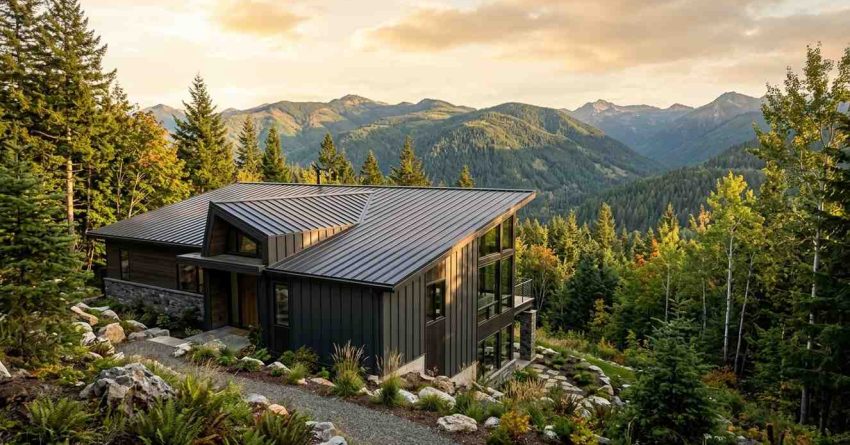
Metal roofing is used on residential homes, commercial buildings, agricultural structures, and industrial facilities. Its appeal spans a wide range of property types because it performs well in nearly every climate — from high-snowfall regions where its smooth surface sheds accumulation quickly, to coastal areas where corrosion-resistant alloys withstand salt air, to hot climates where reflective coatings reduce heat absorption.
Metal roofing is one of several roofing systems available to property owners — our roofing services guide covers every roofing type, material option, and service category to help you compare your choices before committing to an installation.
How Metal Roofing Differs from Traditional Roofing
The most significant difference between metal roofing and traditional asphalt shingles is lifespan. Asphalt shingles typically last 15 to 30 years depending on climate and maintenance. Metal roofing systems, by contrast, are engineered for 40 to 70 years of service life, with some copper and zinc installations lasting over a century.
Beyond lifespan, metal roofing differs in weight, installation method, and performance characteristics. Metal panels are lighter than concrete tile and clay tile, reducing structural load. They are installed using concealed or exposed fastener systems rather than nailed-down overlapping layers. And because metal does not absorb moisture, it resists the algae growth, rot, and granule loss that shorten the life of organic and fiberglass-based roofing materials.
Common Metal Roofing Materials and Their Properties
The four most widely used metals in residential and commercial roofing are steel, aluminum, copper, and zinc. Each has distinct performance characteristics, cost profiles, and ideal applications.
Steel is the most common metal roofing material. It is strong, widely available, and cost-effective. Most steel roofing panels are coated with a zinc or zinc-aluminum alloy (Galvalume) to prevent corrosion, then finished with a painted or stone-coated surface layer. Steel is suitable for most climates and is the standard choice for standing seam and corrugated panel systems.
Aluminum is lighter than steel and naturally corrosion-resistant, making it the preferred material for coastal and high-humidity environments where salt air accelerates steel oxidation. Aluminum costs more than steel but requires no protective coating to resist rust.
Copper is a premium roofing material valued for its longevity — copper roofs can last 100 years or more — and its distinctive appearance, which weathers from bright orange to a stable blue-green patina over time. Copper is used primarily for architectural accents, historic restorations, and high-end residential projects.
Zinc shares many of copper’s longevity characteristics and develops a similar protective patina. It is more commonly used in European markets but is gaining traction in the United States for custom residential and commercial applications.
Types of Metal Roofing Systems
Metal roofing is not a single product — it is a category that includes several distinct system types, each with different installation methods, aesthetic profiles, and performance characteristics. Selecting the right system depends on your roof pitch, climate, budget, and design preferences.
Standing Seam Metal Roofing
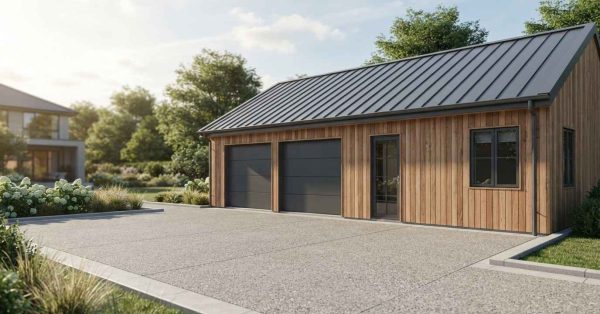
Standing seam is the most widely installed metal roofing system for residential and commercial properties in the United States. It consists of vertical metal panels that run from the ridge to the eave, connected by raised interlocking seams that stand above the panel surface. Fasteners are concealed within the seam, which means no exposed screws or nails penetrate the panel face.
This concealed-fastener design is the defining performance advantage of standing seam. Because fasteners are hidden, there are no penetration points where water can infiltrate, and the panels are free to expand and contract with temperature changes without stressing the fastener holes. Standing seam systems are compatible with solar panel mounting systems and are the preferred choice for low-slope roofs where water drainage must be managed carefully.
Standing seam is the most widely installed metal roofing system for residential properties — our dedicated standing seam roofing explains how the concealed-fastener design works, which climates it suits best, and what installation typically involves.
Metal Shingles and Tiles
Metal shingles and tiles are designed to replicate the appearance of traditional roofing materials — asphalt shingles, wood shakes, slate, or clay tile — while delivering the durability and longevity of metal. They are stamped or formed from steel or aluminum and finished with stone-coated or painted surfaces that closely mimic the texture and color of the materials they replicate.
Metal shingles are installed using an exposed fastener system, similar to asphalt shingles, which makes them more accessible for retrofit installations on existing homes. They are a popular choice for homeowners who want the performance benefits of metal roofing without departing from the traditional aesthetic of their neighborhood.
Corrugated and Ribbed Metal Panels
Corrugated and ribbed metal panels are the most economical metal roofing option. They consist of flat metal sheets formed into repeating wave or rib patterns that add structural rigidity without increasing material thickness. Fasteners are exposed, passing through the panel face into the roof deck below.
Corrugated panels are most commonly used on agricultural buildings, barns, sheds, and industrial structures, but they are also used on residential homes in modern and industrial architectural styles. Their lower cost and straightforward installation make them accessible for budget-conscious projects, though the exposed fasteners require periodic inspection and resealing to prevent water infiltration at penetration points.
Metal Roofing Costs: What Homeowners Should Expect
Metal roofing costs more upfront than asphalt shingles, but the total cost of ownership over the life of the roof is typically lower when you account for reduced maintenance, fewer replacements, and energy savings. Understanding the full cost picture — materials, labor, and long-term value — is essential before making a purchasing decision.
Factors That Affect Metal Roof Installation Cost
Several variables determine the final cost of a metal roof installation. The most significant are:
Material type and system. Standing seam steel panels cost more than corrugated panels. Copper and zinc cost significantly more than steel or aluminum. Stone-coated steel shingles fall in the mid-range.
Roof size and complexity. Cost is calculated per square (100 square feet of roof area). A simple gable roof with few penetrations costs less to install than a complex hip roof with multiple valleys, dormers, skylights, and chimneys.
Roof pitch. Steeper roofs require additional safety equipment and take longer to install, increasing labor costs.
Removal of existing roofing. If the existing roof must be torn off before installation, disposal and labor add to the total cost. In some cases, metal panels can be installed over existing shingles, eliminating tear-off costs.
Geographic location. Labor rates vary significantly by region. Installation in high cost-of-living metropolitan areas will cost more than the same project in rural markets.
Underlayment and accessories. High-performance underlayments, ridge caps, flashing, trim, and ventilation components add to material costs but are essential for a properly performing system.
Understanding the full scope of pricing requires looking beyond material alone — our metal roof installation cost breakdown walks through labor rates, regional variables, and per-square-foot benchmarks so you can budget accurately before requesting quotes.
Metal Roofing vs. Asphalt Shingles: Cost Comparison
The upfront cost difference between metal roofing and asphalt shingles is substantial. Entry-level corrugated steel panels typically cost $3 to $6 per square foot installed. Mid-range standing seam steel systems range from $8 to $14 per square foot installed. Premium materials like copper or zinc can reach $20 to $40 per square foot or more.
Asphalt shingles, by comparison, typically cost $3 to $6 per square foot installed for standard three-tab shingles and $5 to $10 per square foot for architectural or dimensional shingles.
The long-term cost calculation shifts the comparison significantly. An asphalt shingle roof may need full replacement once or twice over the same period a metal roof remains in service. When replacement costs, maintenance expenses, and energy savings are factored in, metal roofing frequently delivers a lower total cost of ownership over a 40- to 50-year period.
Metal Roof Installation: How the Process Works
Metal roof installation is a multi-stage process that requires precise measurement, proper material handling, and attention to detail at every connection point. Understanding the process helps property owners set realistic expectations for project timelines and evaluate contractor proposals accurately.
Roof Deck Preparation and Underlayment
Before any metal panel is installed, the roof deck must be inspected, repaired if necessary, and prepared to receive the new system. The deck — typically plywood or oriented strand board (OSB) sheathing — must be structurally sound, flat, and free of rot, soft spots, or damaged sections. Any compromised decking is replaced before installation proceeds.
Once the deck is confirmed sound, underlayment is installed. Underlayment serves as a secondary moisture barrier between the metal panels and the deck, protecting against condensation, wind-driven rain, and any water that penetrates at seams or penetrations. For metal roofing, synthetic underlayments are preferred over traditional felt because they are more dimensionally stable, more resistant to tearing, and compatible with the thermal movement of metal panels.
Flashing is installed at all penetrations — chimneys, skylights, vents, and walls — before panel installation begins. Properly installed flashing is one of the most critical factors in long-term roof performance, as the majority of metal roof leaks originate at flashing failures rather than panel failures.
Panel or Shingle Installation Steps
Panel installation begins at the eave and progresses toward the ridge. For standing seam systems, panels are measured and cut to length, then snapped or mechanically seamed together using a seaming tool that forms the interlocking joint. Clips attach the panels to the deck through the seam, allowing the panels to float and move with thermal expansion.
For metal shingles, installation follows a course-by-course pattern similar to asphalt shingles, with each course overlapping the one below. Fasteners are driven through the nailing flange at the top of each shingle, concealed by the overlapping course above.
Ridge caps, hip caps, and trim pieces are installed last, completing the weathertight envelope. A final inspection checks all seams, fasteners, flashing connections, and trim for proper installation before the project is closed out.
Every installation step — from deck preparation through final sealing — requires precision and the right tools, which is why connecting with professional roofing services before starting any project protects both your investment and your warranty coverage.
Metal Roofing Benefits for Residential and Commercial Properties
Metal roofing delivers a combination of performance benefits that no other roofing material matches across all categories simultaneously. Understanding these benefits helps property owners evaluate whether the higher upfront investment is justified for their specific situation.
Energy Efficiency and Insulation Performance
Metal roofing reflects solar radiation rather than absorbing it, which reduces the amount of heat transferred into the building below. Reflective coatings — particularly cool-roof-rated finishes — can reflect 25% to 40% of solar energy compared to standard asphalt shingles, according to ENERGY STAR. This reduction in heat gain translates directly to lower cooling loads and reduced air conditioning energy consumption during warm months.
In cold climates, metal roofing’s smooth surface sheds snow and ice quickly, reducing the risk of ice dam formation — a common cause of water infiltration and interior damage in northern regions. When combined with proper attic insulation and ventilation, a metal roof contributes to a well-balanced thermal envelope that performs efficiently in all seasons.
Metal roofing is one of the highest-impact choices a homeowner can make for long-term energy savings — explore our full resource on energy-efficient home upgrades to see how roofing works alongside insulation, windows, and HVAC to reduce utility costs year-round.
Durability, Lifespan, and Weather Resistance
Metal roofing is engineered to withstand conditions that degrade other roofing materials rapidly. Steel and aluminum panels resist impact from hail, high winds, and falling debris. Many metal roofing products carry Class 4 impact resistance ratings — the highest available — and wind resistance ratings of 120 mph or higher, making them suitable for hurricane-prone and tornado-risk regions.
Metal does not rot, crack, warp, or support algae and moss growth. It is non-combustible, earning Class A fire ratings that can reduce homeowner insurance premiums in fire-risk areas. And because metal does not absorb moisture, it does not experience the freeze-thaw cycle damage that causes asphalt shingles to crack and curl over time.
The Metal Roofing Alliance reports that metal roofs can last two to three times longer than asphalt shingles, with most residential systems carrying manufacturer warranties of 30 to 50 years — and many lasting well beyond their warranty period with basic maintenance.
Metal Roof Maintenance: Keeping Your Roof in Top Condition
One of the most frequently cited advantages of metal roofing is its low maintenance requirement compared to other roofing materials. However, low maintenance does not mean no maintenance. A consistent inspection and upkeep routine extends the life of a metal roof and prevents minor issues from developing into costly repairs.
Routine Inspection Checklist for Metal Roofs
A thorough metal roof inspection should be performed at least twice per year — typically in spring after winter weather and in fall before the cold season begins. The inspection should cover:
- Fasteners and seams: Check for loose, missing, or backing-out fasteners on exposed-fastener systems. Inspect seams on standing seam roofs for any separation or deformation.
- Sealants and caulking: Inspect all sealant applications at penetrations, flashing edges, and trim joints. Sealant degrades over time and requires periodic reapplication.
- Flashing: Check all flashing at chimneys, skylights, vents, and wall intersections for lifting, separation, or corrosion.
- Gutters and drainage: Clear debris from gutters and downspouts. Blocked drainage causes water to back up against the eave, increasing the risk of infiltration.
- Panel surface: Look for scratches, chips, or areas where the protective coating has been compromised. Touch up bare metal promptly to prevent rust formation on steel panels.
- Debris accumulation: Remove leaves, branches, and other organic debris from valleys and low points where moisture retention can accelerate corrosion.
Routine metal roof inspections and minor upkeep tasks — such as clearing debris from seams, resealing fasteners, and checking flashing — can often be handled efficiently through handyman maintenance services without requiring a full roofing crew.
Common Metal Roof Problems and How to Fix Them
Despite their durability, metal roofs can develop problems over time. The most common issues and their solutions include:
Fastener back-out: On exposed-fastener systems, screws can back out over time due to thermal expansion and contraction cycles. The fix is straightforward — drive the fastener back in and apply fresh sealant, or replace with a larger fastener if the hole has enlarged.
Sealant failure: Sealant at penetrations and trim joints has a shorter service life than the metal panels themselves, typically 10 to 20 years. Failed sealant must be removed completely, the surface cleaned, and fresh sealant applied.
Oil canning: Oil canning is a waviness or rippling visible in flat areas of metal panels. It is an aesthetic characteristic of light-gauge metal panels, not a structural defect, and does not affect performance. It can be minimized by selecting thicker-gauge panels or panels with striations.
Galvanic corrosion: When dissimilar metals contact each other in the presence of moisture, an electrochemical reaction causes accelerated corrosion. This is prevented by using compatible metals and non-conductive separators at all contact points.
Scratches and coating damage: Surface scratches that expose bare metal on steel panels should be touched up with manufacturer-approved touch-up paint to prevent rust formation.
Metal Roof Repair: When to Call a Professional
Metal roofs are highly durable, but damage does occur — from severe weather events, falling tree limbs, foot traffic, or installation errors that manifest over time. Knowing when a repair is needed and whether it can be handled independently or requires professional intervention is important for protecting your investment.
Signs Your Metal Roof Needs Repair
The following conditions indicate that a metal roof requires professional assessment or repair:
- Active leaks or water stains on interior ceilings: Any evidence of water infiltration requires immediate investigation. The source may be a failed flashing, a compromised seam, or a damaged panel.
- Visible panel damage: Dents, punctures, bent panels, or panels that have lifted or separated from adjacent panels require repair to restore the weathertight envelope.
- Rust or corrosion: Surface rust on steel panels that has progressed beyond the coating layer indicates that the protective barrier has been breached and the panel may need replacement.
- Missing or damaged flashing: Flashing failures are the most common source of metal roof leaks. Missing, lifted, or corroded flashing at any penetration point requires prompt repair.
- Separated or open seams: On standing seam systems, any seam that has opened or failed to maintain its interlocked profile requires professional re-seaming.
When damage extends beyond surface-level issues like loose fasteners or minor sealant gaps, working with roof repair professionals ensures the structural integrity of your roof is assessed correctly and repaired to manufacturer standards.
DIY vs. Professional Metal Roof Repair
Some metal roof maintenance tasks are appropriate for experienced homeowners comfortable working at height: applying touch-up paint to surface scratches, resealing exposed fasteners, clearing debris from gutters and valleys, and replacing individual damaged shingles on metal shingle systems.
However, most metal roof repairs — particularly those involving flashing, seam integrity, panel replacement, or any condition associated with active leaks — should be handled by a licensed roofing contractor. Improper repairs can void manufacturer warranties, create new leak pathways, and cause damage that costs significantly more to correct than the original problem.
If a compromised metal roof has allowed moisture to penetrate the deck or interior structure, addressing the roofing issue alone is not enough — water damage restoration services are needed to assess and remediate any hidden moisture damage before it leads to mold or structural deterioration.
Metal Roofing and Home Value: What Property Owners Need to Know
Metal roofing is consistently recognized as a high-return home improvement investment. According to Remodeling Magazine’s Cost vs. Value Report, metal roofing replacements recoup a significant portion of their installation cost at resale, and homes with metal roofs often sell faster in markets where buyers recognize the long-term value of a durable, low-maintenance roofing system.
The value contribution of a metal roof extends beyond resale price. Insurance companies in many states offer premium discounts for homes with Class 4 impact-resistant or Class A fire-rated metal roofing. Energy savings from reflective metal roofing reduce operating costs year over year. And the elimination of replacement cycles — which asphalt shingle roofs require every 15 to 30 years — removes a significant recurring capital expense from a property’s long-term maintenance budget.
For landlords and property managers, metal roofing reduces the frequency of emergency repair calls, minimizes tenant disruption from roof-related issues, and lowers the total cost of property ownership over a multi-decade holding period.
A metal roof is one of several high-return property improvements available to homeowners — our home remodeling services outlines additional upgrade categories, from exterior improvements to interior renovations, that contribute to long-term property value.
How to Choose the Right Metal Roofing Contractor
The quality of a metal roof installation depends as much on the contractor as on the materials. A properly specified system installed incorrectly will underperform and fail prematurely. Selecting a qualified, experienced metal roofing contractor is one of the most important decisions in the entire project.
Questions to Ask Before Hiring a Roofer
Before signing a contract with any roofing contractor, ask the following:
- Are you licensed and insured in this state? Verify the contractor holds a current state roofing license and carries both general liability insurance and workers’ compensation coverage. Request certificates of insurance directly from the insurer.
- Do you have manufacturer certification for this product? Many metal roofing manufacturers offer certification programs for installers. Certified contractors receive training on proper installation techniques and may be authorized to offer extended manufacturer warranties.
- Can you provide references from metal roofing projects? Ask for references from completed metal roofing installations — not just general roofing projects — and follow up with those references.
- What does the warranty cover? Understand the difference between the manufacturer’s material warranty and the contractor’s workmanship warranty. Both should be provided in writing.
- What is the project timeline and payment schedule? A clear timeline and a payment schedule tied to project milestones — not a large upfront payment — are signs of a professional operation.
Red Flags to Watch for When Vetting Contractors
Avoid contractors who:
- Demand full payment upfront before work begins
- Cannot provide proof of insurance or licensing
- Offer prices significantly below all other quotes without explanation
- Pressure you to sign immediately or claim the offer expires today
- Do not provide a written contract with scope, materials, timeline, and warranty terms clearly specified
- Arrive unsolicited after a storm event and pressure you to file an insurance claim
Selecting the right installer is as important as selecting the right material — connecting with qualified roofing contractors through a trusted provider ensures you work with licensed, insured professionals who carry manufacturer certifications and stand behind their work.
Metal Roofing for Commercial Properties
Metal roofing is the dominant roofing system for commercial and industrial buildings in the United States, and for good reason. Commercial structures present roofing challenges — large spans, low slopes, mechanical equipment penetrations, and high foot traffic for maintenance access — that metal roofing systems are specifically engineered to address.
For commercial applications, standing seam metal roofing is the most common choice for low-slope and moderate-pitch roofs. Structural standing seam systems can span open framing without a continuous deck, reducing material costs on large-footprint buildings. Concealed fasteners eliminate the leak risk associated with exposed-fastener systems on roofs that experience frequent maintenance foot traffic.
Commercial metal roofing systems are available with a range of coating systems designed for specific environments: high-humidity coastal applications, chemical-exposure industrial settings, and high-UV desert climates each have coating formulations optimized for long-term performance.
Commercial metal roofing involves different load requirements, drainage specifications, and warranty structures than residential systems — our commercial roofing solutions covers flat and low-slope metal options, maintenance programs, and what building owners should expect from a commercial installation.
Conclusion
Metal roofing delivers a combination of durability, energy efficiency, and long-term value that makes it one of the most practical roofing investments available for residential and commercial properties. Understanding material types, system options, installation requirements, and maintenance needs positions property owners to make confident decisions and select the right system for their specific situation.
The right metal roof — properly installed and maintained — protects a property for decades, reduces operating costs, and eliminates the replacement cycles that make traditional roofing systems a recurring expense. Choosing a qualified contractor and understanding what the installation process involves are the final steps between a good decision and a great outcome.
At Mr. Local Services, our network of licensed, experienced roofing professionals is ready to help you evaluate your options, get accurate quotes, and move forward with a metal roofing installation that delivers lasting performance and real value for your property.
Frequently Asked Questions
How long does a metal roof last?
Most residential metal roofing systems last 40 to 70 years with proper installation and basic maintenance. Premium materials like copper and zinc can last over 100 years. Manufacturer warranties typically range from 30 to 50 years.
Is metal roofing loud when it rains?
Metal roofing installed over a solid deck with proper underlayment is not significantly louder than asphalt shingles during rain. The deck and underlayment absorb sound effectively. Metal roofing installed over open framing without a solid deck — common in agricultural buildings — is louder.
Can a metal roof be installed over existing shingles?
In many cases, yes. Metal roofing can be installed over one existing layer of asphalt shingles, eliminating tear-off costs and reducing project time. Local building codes govern whether this is permitted, and the existing deck must be structurally sound to support the installation.
Does metal roofing attract lightning?
Metal roofing does not attract lightning. Lightning strikes the highest point in an area regardless of material. Metal roofing is non-combustible, so if a strike does occur, it disperses the energy without igniting — making it safer than wood or asphalt in a lightning event.
Will a metal roof rust?
Steel metal roofing is protected by zinc or Galvalume coatings and painted finishes that prevent rust under normal conditions. Aluminum and copper do not rust. Surface scratches on steel panels should be touched up promptly with manufacturer-approved paint to prevent corrosion at exposed areas.
How much does a metal roof cost compared to asphalt shingles?
Metal roofing typically costs two to three times more than asphalt shingles upfront. However, when replacement cycles, maintenance costs, and energy savings are factored in over a 40- to 50-year period, metal roofing frequently delivers a lower total cost of ownership.
Can I walk on a metal roof?
Metal roofing can be walked on, but it requires care to avoid denting panels or damaging coatings. Manufacturers provide guidance on safe walking zones and load limits. For any maintenance task that requires roof access, using a contractor familiar with metal roofing is recommended to avoid inadvertent damage.
What is the best metal roofing material for coastal areas?
Aluminum is the preferred metal roofing material for coastal environments because it is naturally corrosion-resistant and does not require protective coatings to withstand salt air. Steel panels with Galvalume coating can also perform well in coastal areas when properly maintained.