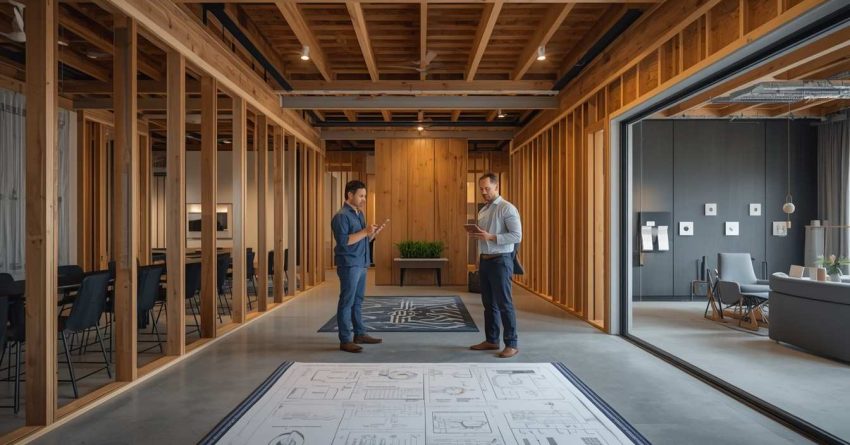
The Matter protocol is the universal smart home standard that allows devices from different brands to communicate on a single, secure network — and new home builds are the ideal opportunity to integrate it from the ground up. Unlike retrofitting an existing home, building Matter-ready infrastructure into a new construction means cleaner wiring, fewer compatibility headaches, and a fully connected home from day one.
Smart home technology is no longer a luxury add-on. Homeowners, builders, and property managers are increasingly treating connected infrastructure as a baseline expectation, and Matter makes that infrastructure more reliable and future-proof than ever before.
This guide explains what the Matter protocol is, how to plan for it during construction, which systems it covers, and how to set it up correctly once your home is ready.
What Is the Matter Protocol and Why Does It Matter for New Builds?
Matter is an open-source, IP-based smart home connectivity standard developed by the Connectivity Standards Alliance (CSA), with backing from Apple, Google, Amazon, and Samsung. It was designed to solve one of the most persistent problems in smart home technology: devices from different manufacturers often could not communicate with each other without workarounds, third-party bridges, or multiple apps.
Matter changes that by creating a common language all certified devices speak natively. A Matter-certified light switch from one brand works seamlessly with a hub from a completely different brand, without custom configuration. For new home builds, this matters enormously because it means the smart home infrastructure you install today will remain compatible with devices released years from now.
The protocol runs over Wi-Fi, Ethernet, and Thread — a low-power mesh networking protocol designed specifically for smart home devices. Thread is particularly valuable in new builds because it can be planned into the network architecture from the start, rather than layered on top of an existing setup.
How Matter Differs from Previous Smart Home Standards
Before Matter, homeowners had to choose between ecosystems: a Zigbee hub, a Z-Wave controller, or a proprietary platform like SmartThings or Wink. Each had its own devices, its own app, and its own limitations. Switching platforms often meant replacing hardware entirely.
Matter eliminates that lock-in. Devices carry a single certification that guarantees cross-platform compatibility. A Matter-certified thermostat works with Apple Home, Google Home, Amazon Alexa, and Samsung SmartThings simultaneously. You are not choosing a platform — you are choosing a device that works with all of them.
For builders and homeowners planning a new construction, this removes a major decision bottleneck. You no longer need to commit to one ecosystem before the walls go up.
Which Devices and Systems Support Matter in 2025–2026
Matter 1.3, released in 2024, expanded device support significantly. As of 2025–2026, certified Matter devices include smart lighting, thermostats, door locks, window coverings, garage door controllers, smoke and CO detectors, energy management devices, and a growing range of appliances. Major manufacturers including Philips Hue, Ecobee, Yale, Schlage, Eve, and Nanoleaf have released or committed to Matter-certified product lines.
Thread-enabled devices — which form the backbone of a robust Matter network — include smart plugs, sensors, and lighting controllers from brands like Eve, Nanoleaf, and Apple HomePod mini (which doubles as a Thread border router). The device ecosystem is expanding rapidly, and new builds planned today will have access to a far broader range of compatible hardware by the time construction is complete.
Planning Matter Integration During the New Home Build Process
The single greatest advantage of integrating Matter during new construction is timing. Once drywall is up and finishes are applied, adding smart home infrastructure becomes expensive and disruptive. Planning during the design and framing stages costs a fraction of what retrofitting requires later.
Deciding how much to invest in smart home infrastructure is closely tied to the broader financial decisions involved in building from scratch — our custom home investment analysis breaks down how custom builds compare to spec homes across cost, flexibility, and long-term return.
Rough-In Stage: Wiring and Infrastructure Requirements
The rough-in stage — when framing is complete but walls are open — is the optimal window for smart home infrastructure work. Key tasks at this stage include running low-voltage wiring for smart switches and dimmers, installing conduit in walls where future cable runs may be needed, placing structured wiring panels for network distribution, and positioning in-wall speakers, sensors, and access points.
For a Matter-ready build, the most important infrastructure decisions involve network coverage and power availability. Thread devices are battery-powered and mesh-networked, so they do not require wired connections. However, Thread border routers — the devices that connect the Thread mesh to your Wi-Fi network — do require power and Ethernet. Planning their placement during rough-in ensures optimal coverage throughout the home.
Getting the electrical infrastructure right before drywall goes up is one of the most critical steps in a Matter-ready build — a dedicated smart home wiring guide covers conduit placement, low-voltage rough-in, and panel requirements in full detail.
Working with Builders and Electricians on Matter Readiness
Most production builders are not yet fluent in Matter-specific requirements, but licensed electricians with low-voltage experience typically are. The key is communicating your smart home goals early — ideally during the design phase — so that infrastructure decisions are made before subcontractors begin work.
Provide your builder with a smart home plan that identifies which rooms will have smart switches, where hubs and border routers will be located, and which systems (HVAC, security, lighting) will be Matter-integrated. Ask your electrician specifically about low-voltage rough-in, structured wiring panels, and whether they have experience with Thread border router placement. Getting these conversations on record before construction begins prevents costly change orders later.
Key Smart Home Systems to Configure with Matter in a New Build
Matter’s device support spans most of the systems that make a home functional and comfortable. In a new build, you have the opportunity to configure all of them cohesively rather than adding them piecemeal over time.
Lighting, Climate Control, and HVAC Integration
Smart lighting is the most widely adopted Matter application. In a new build, replacing standard switches with Matter-certified smart switches or dimmers at the rough-in stage adds minimal cost and delivers full app and voice control, scheduling, and scene automation from move-in day.
Climate control is equally straightforward. Matter-certified thermostats like the Ecobee SmartThermostat Premium integrate with all major platforms and support remote access, scheduling, and occupancy-based automation. In a new build, the thermostat wiring is already being run — specifying a Matter-compatible unit adds no additional labor.
Integrating climate systems with Matter requires more than a compatible thermostat — our HVAC smart controls resource explains zoning strategies, compatible equipment, and how to coordinate with your HVAC contractor during the build phase.
Security, Locks, and Access Control via Matter
Matter-certified door locks from Yale and Schlage allow keyless entry, remote locking, and access code management through any compatible platform. In a new build, specifying Matter-certified hardware at the door framing stage ensures the correct prep work — door bore, strike plate, and wiring for powered locks — is completed correctly the first time.
Video doorbells, motion sensors, and contact sensors are also expanding within the Matter ecosystem. Planning sensor placement during framing allows for cleaner installations and better coverage than surface-mounted retrofits.
Choosing Matter-compatible locks and access hardware is only part of the process — proper smart lock installation ensures devices commission correctly, integrate with your hub, and meet local building code requirements.
Setting Up and Commissioning a Matter Network in a New Home
Once construction is complete and devices are installed, commissioning a Matter network is a straightforward process — but it requires the right hub infrastructure in place first.
Choosing a Thread Border Router and Hub
A Thread border router is the device that bridges your Thread mesh network to your home’s IP network (Wi-Fi or Ethernet). Without at least one Thread border router, Thread-based Matter devices cannot communicate with your hub or be controlled remotely.
Several devices serve as Thread border routers, including Apple HomePod mini, Apple HomePod (2nd generation), Apple TV 4K (3rd generation), Google Nest Hub (2nd generation), and Amazon Echo (4th generation). In a new build, placing one or two of these devices strategically — near the center of the home or in areas with high device density — ensures strong Thread mesh coverage throughout.
Your hub choice determines which platform serves as your primary controller, but because Matter is cross-platform, you are not locked in. Most homeowners choose a hub that aligns with their existing device ecosystem (Apple, Google, or Amazon) and add others as secondary controllers if needed.
Commissioning Devices and Troubleshooting Common Issues
Commissioning a Matter device involves scanning a QR code or entering a numeric code using your hub’s app. The device joins your Matter fabric — the secure, encrypted network that connects all your Matter devices — and becomes immediately controllable from any compatible platform you have authorized.
Common commissioning issues in new builds include Wi-Fi signal gaps in areas far from the router, Thread mesh coverage holes in large floor plans, and devices that fail to commission due to firmware that predates the current Matter specification. Resolving these issues typically involves adding a Wi-Fi access point or Thread border router, updating device firmware via the manufacturer’s app before commissioning, or resetting the device and recommissioning from scratch.
A structured wiring panel with a central network switch, planned during rough-in, makes adding access points and border routers straightforward and keeps cable management clean.
Matter Protocol and Long-Term Property Value
Smart home technology has moved from a differentiator to an expectation in the residential market. According to the National Association of Realtors, smart home features consistently rank among the amenities buyers prioritize, particularly in the move-up and luxury segments.
Matter-based infrastructure is particularly valuable from a resale perspective because it is platform-agnostic. A future buyer is not inheriting a proprietary system they need to replace — they are inheriting a standards-based network that works with whatever platform they prefer. That flexibility reduces buyer friction and supports a stronger value proposition at resale.
Homeowners evaluating whether smart home technology adds measurable resale value will find useful context in our spec home comparison, which examines how custom and spec builds differ in long-term property appreciation and buyer appeal.
For property managers and landlords, Matter-compatible access control and energy management systems also reduce operating costs. Remote lock management eliminates rekeying costs between tenants, and smart thermostats with occupancy detection reduce energy waste in vacant units.
Conclusion
The Matter protocol gives new home builds a connected infrastructure foundation that is secure, interoperable, and built to last. Planning it during construction — not after — is the decision that separates a truly smart home from a collection of disconnected devices.
Homeowners and builders who integrate Matter from the rough-in stage gain a home that works with any platform, supports any device, and adds measurable value at resale. The technology is mature, the device ecosystem is broad, and the installation window is now.
Contact Mr. Local Services today to connect with skilled professionals who can plan, wire, and commission a Matter-ready smart home from the ground up — and protect your investment for years to come.
Frequently Asked Questions
What is the Matter protocol in simple terms?
Matter is a universal smart home standard that allows devices from different brands to work together on one secure network. It eliminates compatibility issues between platforms like Apple Home, Google Home, and Amazon Alexa.
Do I need special wiring for a Matter-compatible home?
Matter devices use standard Wi-Fi or Thread wireless protocols, so dedicated smart home wiring is not always required. However, planning low-voltage rough-in, structured wiring panels, and Thread border router placement during construction significantly improves performance and reduces future costs.
Can I add Matter devices to a home that is already built?
Yes. Matter devices can be added to any home with a compatible hub and Wi-Fi network. New builds simply offer a cleaner, more cost-effective opportunity to plan the infrastructure from the start.
Which smart home hub works best with Matter?
Apple HomePod mini, Google Nest Hub (2nd generation), and Amazon Echo (4th generation) all support Matter and Thread. The best choice depends on your existing device ecosystem, but Matter’s cross-platform design means you are not locked into one option.
Does Matter work with HVAC systems?
Yes. Matter 1.3 includes support for thermostats and HVAC controllers. Matter-certified thermostats from brands like Ecobee integrate with all major platforms and support scheduling, remote access, and occupancy-based automation.
How does Matter affect home resale value?
Matter-based smart home infrastructure is platform-agnostic, which reduces buyer friction at resale. Buyers inherit a flexible, standards-based system rather than a proprietary one, making the home more appealing across a broader range of buyers.
What is a Thread border router and do I need one?
A Thread border router connects Thread-based smart home devices to your home’s IP network. Without one, Thread devices cannot be controlled remotely or integrated with your hub. Devices like Apple HomePod mini and Amazon Echo (4th generation) serve this function automatically.