A pre-drywall walkthrough is your single best opportunity to inspect every system inside your walls before they are permanently sealed. Catching a misplaced outlet, an unsupported pipe, or a missing duct run at this stage costs a fraction of what it costs after drywall is installed.
Most homeowners only get one chance to walk through their new construction home at this stage. Knowing exactly what to look for protects your investment and prevents costly repairs down the road.
This checklist covers every major system — framing, electrical, plumbing, HVAC, insulation, windows, and doors — so you walk in prepared and walk out confident.
What Is a Pre-Drywall Walkthrough?
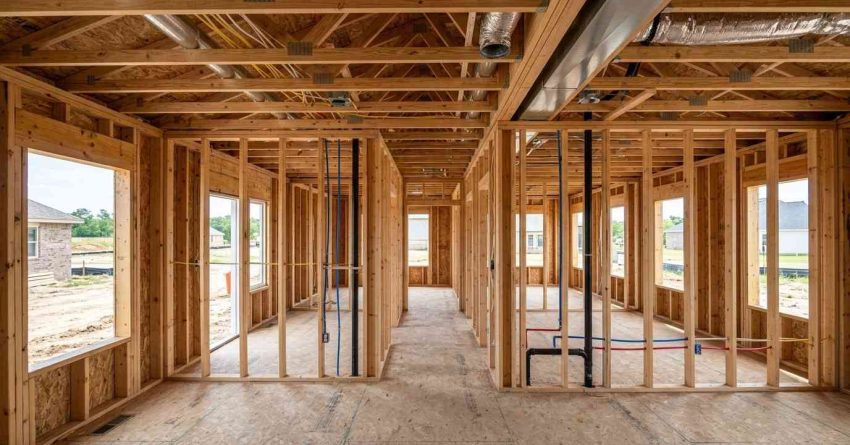
A pre-drywall walkthrough is a scheduled inspection of a new construction home that takes place after all rough-in work is complete but before drywall panels are installed. At this stage, every wall cavity, ceiling joist bay, and floor system is fully visible and accessible.
This is the only point in the construction process where you can physically verify that electrical wiring, plumbing pipes, HVAC ducts, and structural framing are correctly placed and properly installed. Once drywall goes up, these systems are hidden for the life of the home.
If you are building from the ground up, understanding the full financial picture matters — our custom home investment analysis breaks down how construction decisions at every stage, including pre-drywall inspections, affect your long-term property value.
Framing and Structural Inspection
Framing forms the skeleton of your home. Errors here affect everything built on top of it.
Wall Framing and Load-Bearing Checks
- Confirm all load-bearing walls are correctly positioned per the approved plans
- Check that headers above windows and doors are the correct size and properly supported
- Look for missing or doubled studs at corners and wall intersections
- Verify blocking is installed where needed for future grab bars, cabinets, or heavy fixtures
Floor and Ceiling Joist Review
- Inspect floor joists for notching, drilling, or cuts that exceed allowable limits
- Confirm ceiling joists are properly crowned and aligned
- Check that any engineered lumber (LVL beams, I-joists) is installed per manufacturer specifications
- Look for missing joist hangers or improperly nailed connections
Rough Electrical Inspection
Electrical rough-in establishes where every outlet, switch, fixture, and circuit will live. Verify placement now before it becomes a drywall demolition project later.
Outlet and Switch Box Placement
- Walk every room with your floor plan and confirm outlet locations match
- Verify GFCI-protected outlets are roughed in for all required locations: bathrooms, kitchen counters, garage, exterior, and within six feet of any water source
- Check that switch boxes are at consistent heights throughout the home
- Confirm dedicated circuits are roughed in for appliances: refrigerator, dishwasher, microwave, washer, dryer, and HVAC equipment
Panel and Circuit Rough-In Verification
- Confirm the electrical panel location matches the approved plan
- Verify the panel is sized correctly for the home’s load requirements
- Check that all wire runs are properly stapled, supported, and protected where they pass through framing
- Look for any wiring that crosses HVAC ducts or plumbing without proper protection
For a deeper look at what this stage involves, a dedicated rough electrical inspection guide covers every item inspectors and homeowners should verify before drywall installation begins.
Rough Plumbing Inspection
Plumbing rough-in sets the permanent locations for every supply line, drain, and fixture connection in the home.
Supply and Drain Line Placement
- Confirm hot and cold supply lines are correctly routed to each fixture location
- Check that drain lines have the correct slope — typically 1/4 inch per foot for horizontal runs
- Verify all drain lines connect properly to the main stack
- Look for any supply lines running through exterior walls without insulation protection in cold climates
Fixture Rough-In Locations
- Confirm toilet rough-in distance from the finished wall matches your selected toilet model
- Verify shower and tub drain locations match your fixture selections
- Check that sink drain and supply stub-outs are at the correct height for your vanity
- Confirm the water heater location and all associated connections are in place
A complete rough plumbing inspection checklist provides a full item-by-item reference for verifying plumbing rough-in work before your walls close.
HVAC Rough-In Inspection
HVAC rough-in determines how air moves through your home for the life of the building. Poor duct placement is expensive to correct after drywall.
Duct Routing and Register Locations
- Walk each room and confirm supply register locations match the HVAC design plan
- Check that duct runs are properly supported and sealed at all connections
- Verify duct sizing matches the load calculation for each room
- Confirm no ducts are crushed, kinked, or improperly transitioned
Return Air and Ventilation Paths
- Verify return air grille locations are correctly placed for balanced airflow
- Confirm bath exhaust fans are roughed in and ducted to the exterior — not into the attic
- Check that the kitchen range hood duct path is clear and properly sized
- Verify any fresh air intake or ERV/HRV connections are in place per the mechanical plan
Insulation Readiness Check
Before insulation is installed, the wall cavities must be ready. This check confirms nothing will be trapped behind insulation that should not be.
- Verify all penetrations through top and bottom plates are sealed with fire-rated caulk or foam
- Confirm blocking is in place at all required fire-stop locations
- Check that no wiring or plumbing is pinched against framing in a way that will compress insulation
- Verify exterior wall cavities are clean and free of debris
- Confirm vapor barrier requirements for your climate zone are understood and ready to be met
Window and Door Rough Opening Verification
Rough openings must match your window and door unit sizes exactly. Even a small discrepancy creates installation problems.
- Confirm every rough opening width and height matches the window or door unit specifications
- Check that all headers are correctly sized and properly supported at both ends
- Verify sill plates are level and properly fastened
- Confirm king studs and jack studs are correctly installed on both sides of every opening
- Check that exterior openings are properly flashed and protected from weather at this stage
What to Do After the Walkthrough
Document everything you find during the walkthrough with photos and written notes. Share your findings with your builder or general contractor in writing and request a written response for each item.
Request a follow-up inspection for any items that require correction before drywall proceeds. Do not allow drywall installation to begin until all critical items are resolved and confirmed.
Once your walkthrough is complete and all rough-in systems are approved, the next step is scheduling professional installation — our drywall and ceiling services cover everything from board hanging and taping to finishing and texture work for new construction and remodels.
Conclusion
A thorough pre-drywall walkthrough protects every system inside your home before it becomes permanently inaccessible. Framing, electrical, plumbing, HVAC, and insulation all require verification at this stage.
Catching issues now saves thousands in repair costs and prevents the frustration of discovering problems after move-in. This checklist gives you the structure to inspect confidently and document clearly.
At Mr. Local Services, our professionals support homeowners through every stage of construction and home improvement — contact us to connect with skilled experts who keep your project on track and your property built right.
Frequently Asked Questions
What is the purpose of a pre-drywall walkthrough?
A pre-drywall walkthrough allows homeowners to inspect all rough-in systems — framing, electrical, plumbing, and HVAC — before drywall permanently covers them. It is the only opportunity to verify correct placement and catch errors without demolition.
Can I bring a home inspector to a pre-drywall walkthrough?
Yes, and it is strongly recommended. A licensed home inspector experienced in new construction can identify code violations, installation errors, and missing components that an untrained eye may miss during the walkthrough.
How long does a pre-drywall walkthrough take?
Most pre-drywall walkthroughs take one to three hours depending on the size of the home. Larger homes or those with complex mechanical systems may require additional time to inspect thoroughly.
What should I bring to a pre-drywall walkthrough?
Bring your approved construction plans, a camera or smartphone for photos, a flashlight, a notepad, and a copy of this checklist. Having your electrical and plumbing fixture specifications on hand also helps verify rough-in locations.
What happens if I find problems during the pre-drywall walkthrough?
Document all issues in writing with photos and submit them to your builder immediately. Request written confirmation that each item will be corrected before drywall installation begins. Do not sign off on drywall until all critical items are resolved.