The insulation phase is a structured, multi-step process that determines how well your home retains heat, manages moisture, and controls energy costs for years to come. Whether you are renovating an existing home or overseeing new construction, understanding what happens during this phase helps you ask the right questions, avoid costly mistakes, and make confident decisions about your property.
Skipping or rushing the insulation phase is one of the most common — and expensive — mistakes homeowners make during renovation projects.
This walkthrough covers every stage of the insulation process, from preparation and material selection through installation, inspection, and what comes next
What the Insulation Phase Covers in a Home Project
The insulation phase refers to the period in a construction or renovation project when thermal and acoustic insulation materials are installed throughout the building envelope. This includes exterior walls, interior partition walls where sound control is needed, attic spaces, floors above unconditioned spaces, and crawl spaces.
The goal is to create a continuous thermal barrier that slows the transfer of heat between the inside and outside of the home. A properly executed insulation phase reduces heating and cooling loads, improves indoor comfort, and lowers monthly utility costs.
The insulation phase is one of the most critical steps in any home renovation project — our remodeling services guide explains how insulation fits into the full scope of interior and structural work your property may need.
Key Materials Used During the Insulation Phase
The most common insulation materials installed during this phase include:
- Fiberglass batts — pre-cut panels fitted between wall studs and floor joists; widely used for their cost-effectiveness and ease of installation
- Blown-in cellulose or fiberglass — loose-fill material blown into attic floors and hard-to-reach cavities using specialized equipment
- Spray polyurethane foam (SPF) — applied as a liquid that expands to fill gaps; provides both insulation and air sealing in a single step
- Rigid foam board — used on exterior walls, basement walls, and under slabs for continuous insulation without thermal bridging
- Mineral wool (rock wool) — fire-resistant and moisture-resistant; used in walls and around mechanical systems
Material selection depends on the location within the home, the required R-value for your climate zone, and the construction method being used. Because insulation works directly alongside your heating and cooling system, understanding your HVAC service options helps ensure the two systems are properly coordinated for maximum energy efficiency
When the Insulation Phase Happens in the Construction or Renovation Timeline
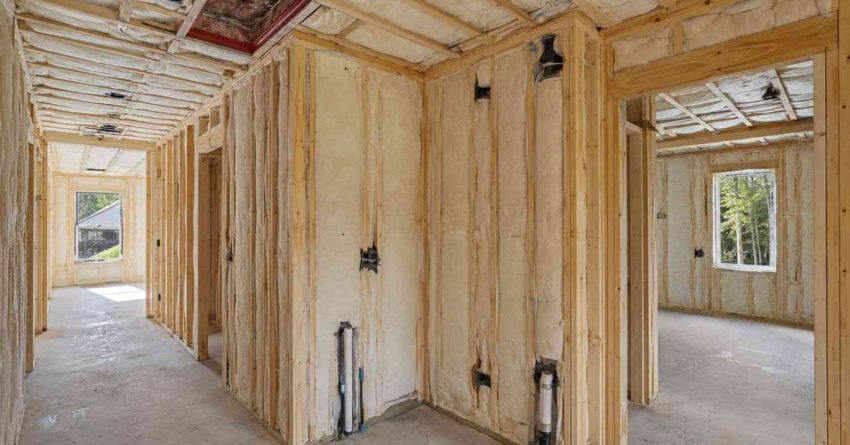
In new construction, the insulation phase occurs after the rough-in stage — once framing, electrical wiring, plumbing rough-in, and HVAC ductwork are complete and have passed inspection. Walls must be open and accessible before insulation is installed, because adding insulation after drywall is hung requires more invasive and expensive methods.
In renovation projects, the timing depends on the scope of work. A full gut renovation follows the same sequence as new construction. A targeted insulation upgrade — such as adding attic insulation or insulating a basement — can happen independently without disturbing finished walls.
The insulation phase must be completed and inspected before any wall-closing work begins. In most jurisdictions, a building inspector must sign off on the insulation installation before drywall can be hung.
How to Prepare Your Home for the Insulation Phase
Preparation before insulation begins directly affects the quality and longevity of the installation. Rushing into insulation without completing the necessary pre-work leads to problems that are difficult and expensive to fix after walls are closed.
Key preparation steps include:
- Completing all rough-in electrical, plumbing, and HVAC work
- Scheduling and passing all required rough-in inspections
- Repairing any damaged framing, rotted wood, or structural issues
- Addressing any existing moisture problems or water intrusion
- Confirming window and door rough openings are properly flashed and sealed
Minor repairs such as patching gaps, securing loose framing, or fixing damaged subflooring should be completed before insulation begins — handyman preparation help covers the types of small-scale fixes that set the stage for a smooth installation.
Pre-Insulation Checklist for Homeowners
Before your insulation crew arrives, confirm the following:
- All rough-in trades have completed their work
- Rough-in inspections are passed and documented
- The building is weathertight — roof, windows, and exterior doors are in place
- Any known moisture issues have been assessed and resolved
- Attic ventilation is in place and unobstructed
- Crawl space vapor barriers are installed if required
- The work area is clear and accessible
Step-by-Step Walkthrough of the Insulation Installation Process
The insulation installation process follows a consistent sequence regardless of the material being used. Understanding each step helps homeowners know what to expect and what to look for during a site visit.
Inspecting and Sealing Air Gaps Before Insulation Begins
Before any insulation material is placed, the installation crew performs an air sealing pass. This step is often skipped by less experienced contractors, but it is essential for performance.
Air sealing involves identifying and closing all gaps, cracks, and penetrations in the building envelope using caulk, spray foam, or weatherstripping. Common locations include:
- Gaps around electrical boxes and plumbing penetrations
- Spaces between the top plate and roof sheathing
- Rim joists and band joists in basement and crawl space areas
- Gaps around recessed lighting fixtures
- Seams between framing members and exterior sheathing
Air sealing before insulation is installed — rather than after — ensures the insulation performs at its rated R-value. Insulation placed over unsealed gaps loses a significant portion of its thermal effectiveness.
Installing Insulation in Walls, Attics, and Crawl Spaces
With air sealing complete, the installation crew moves through the home systematically, starting with the areas that have the greatest impact on energy performance.
Attic insulation is typically installed first. In most homes, the attic is the single largest source of heat loss and gain. Blown-in insulation is the most common method for attic floors, while batt insulation is used when the attic is conditioned or when the roof deck is being insulated directly.
Wall insulation follows. Batt insulation is cut to fit snugly between studs without gaps, compression, or voids. Spray foam is used in areas where batts cannot achieve full coverage, such as irregular cavities or around window and door frames.
Crawl space and basement insulation is installed last. Depending on whether the crawl space is vented or encapsulated, insulation is placed either between the floor joists above or on the crawl space walls themselves.
Once insulation is installed and inspected, the next phase typically involves closing up walls and ceilings — drywall and ceiling work picks up directly where the insulation phase ends, covering finishing, taping, and surface preparation.
Post-Installation Inspection and Quality Checks
After installation is complete, a quality walkthrough is performed before the building inspector arrives. This internal check confirms:
- No gaps, voids, or compressed areas in batt insulation
- Correct R-value achieved in each location per the project specifications
- All penetrations remain sealed after insulation was placed around them
- Vapor barriers are correctly oriented (facing the warm side of the wall in cold climates)
- Attic ventilation channels remain open and unblocked
- No insulation is in contact with recessed light fixtures unless they are rated for insulation contact (IC-rated)
Following the internal check, the building inspector performs the official insulation inspection. In most jurisdictions, this inspection must be passed before drywall installation can begin.
Common Insulation Problems Found During the Walkthrough
Even well-planned insulation projects encounter problems. Knowing what to look for during a walkthrough helps homeowners catch issues before they are hidden behind finished walls.
Voids and gaps are the most common problem. Batts that are cut too short, compressed into tight spaces, or installed around obstructions without proper fitting leave uninsulated areas that undermine the entire thermal envelope.
Moisture damage is the most serious problem. Wet insulation loses its thermal performance, promotes mold growth, and can cause structural damage to framing. Any sign of moisture — staining, odor, or visible mold — must be investigated and resolved before insulation is installed or replaced.
Moisture intrusion is one of the most damaging problems discovered during an insulation walkthrough, and if left unaddressed it can compromise the entire installation — water damage restoration outlines how professionals assess and repair moisture-related damage before new insulation is placed.
Incorrect vapor barrier placement is a common error in cold climates. A vapor barrier installed on the wrong side of the wall assembly traps moisture inside the wall cavity, leading to long-term damage.
Insufficient R-value occurs when the wrong material is used, when batts are compressed to fit a thinner cavity, or when coverage is incomplete. Always verify that the installed R-value matches the project specifications and local code requirements.
How Long the Insulation Phase Takes and What to Expect
The duration of the insulation phase depends on the size of the home, the complexity of the installation, and the materials being used.
For a typical single-family home:
- Air sealing: 4–8 hours for a standard home
- Wall insulation: 1–2 days for a full home
- Attic insulation: 4–8 hours for blown-in; 1 day for batts
- Crawl space or basement: 4–8 hours depending on size and access
A complete insulation phase for a standard 2,000-square-foot home typically takes 2–4 days from start to inspection. Larger homes, complex roof lines, or projects requiring spray foam throughout will take longer.
Homeowners should expect limited access to the work area during installation. Spray foam in particular requires a cure time of 24 hours before the space can be safely occupied and before any additional work can proceed in that area.
Working With a Professional for Your Insulation Phase Walkthrough
The insulation phase is not a project to approach without professional guidance. Errors made during this phase are hidden behind finished walls and ceilings, making them expensive to diagnose and correct after the fact.
A qualified insulation contractor will assess your home’s specific needs, recommend the appropriate materials and R-values for your climate zone, coordinate with other trades, and ensure the installation meets local building code requirements.
When evaluating contractors, ask for documentation of their insulation specifications, confirmation of which inspection authority will sign off on the work, and a clear explanation of the air sealing process they use before installation begins.
Choosing the right team for your insulation phase means working with professionals who understand the full renovation sequence — full remodeling support connects you with experienced contractors who manage every phase from structural prep through final finishes.
Conclusion
The insulation phase is a foundational step in any home construction or renovation project, directly affecting energy performance, indoor comfort, and long-term structural health. Understanding the sequence — from air sealing through material installation and final inspection — helps homeowners make informed decisions and hold contractors accountable.
Proper preparation, correct material selection, and a thorough post-installation walkthrough are what separate a high-performing insulation job from one that causes problems for years.
At Mr. Local Services, our network of trusted professionals handles every phase of your home project with the same attention to detail — contact us today to connect with an experienced team that gets the insulation phase right the first time.
Frequently Asked Questions
What is the insulation phase in home construction?
The insulation phase is the stage of construction or renovation when thermal and acoustic insulation materials are installed throughout the home’s walls, attic, floors, and crawl spaces. It occurs after rough-in electrical, plumbing, and HVAC work is complete and before drywall is installed.
Do I need a building inspection after insulation is installed?
Yes. In most jurisdictions, a building inspector must approve the insulation installation before drywall can be hung. The inspection confirms that the correct R-values are achieved, vapor barriers are properly placed, and all penetrations are sealed.
What is air sealing and why does it happen before insulation?
Air sealing is the process of closing gaps, cracks, and penetrations in the building envelope using caulk, spray foam, or weatherstripping. It happens before insulation is placed because insulation installed over unsealed gaps loses a significant portion of its rated thermal performance.
How do I know if my insulation was installed correctly?
Signs of a correct installation include no visible gaps or voids in batt insulation, vapor barriers facing the warm side of the wall, attic ventilation channels that remain open, and a passed building inspection. A post-installation walkthrough with your contractor before drywall is hung is the best way to verify quality.
What happens if moisture is found during the insulation walkthrough?
Any moisture found during the walkthrough must be fully assessed and resolved before insulation is installed or replaced. Wet insulation loses its thermal effectiveness, promotes mold growth, and can cause structural damage to framing. A water damage professional should evaluate the source and extent of the moisture before work continues.
How long does the insulation phase take for a typical home?
For a standard 2,000-square-foot home, the insulation phase typically takes 2–4 days from start to inspection. This includes air sealing, wall insulation, attic insulation, and crawl space or basement work. Spray foam applications require an additional 24-hour cure time before the area can be occupied.
Can insulation be added to a finished home without opening the walls?
Yes. Blown-in insulation can be added to existing walls through small holes drilled in the exterior or interior surface, which are then patched after installation. Attic insulation can be added without disturbing finished ceilings. However, wall cavities that require spray foam or batt replacement typically require opening the wall surface.