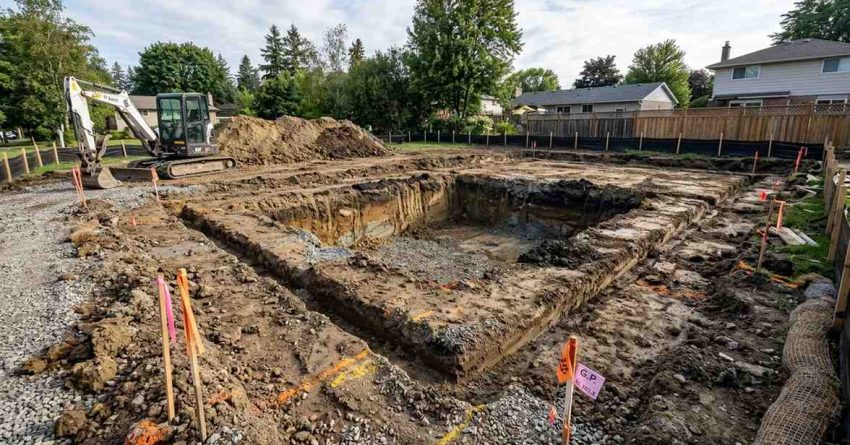
The excavation phase is the structured process of assessing, planning, digging, and restoring a site before or during a construction or repair project — and getting it right determines the success of everything built on top of it. Whether you are adding a drainage system, replacing underground pipes, building a deck foundation, or preparing land for a major renovation, excavation is where the project truly begins. Skipping steps or rushing this phase leads to structural problems, safety hazards, and costly repairs down the road.
Understanding what happens during excavation helps you set realistic expectations, communicate clearly with your contractor, and protect your property throughout the process.
This guide walks through every stage of the excavation phase — from the first site visit to final grading — so you know exactly what to expect and when.
What Is the Excavation Phase in Home Services?
The excavation phase is the preparatory ground-level work that takes place before construction, installation, or underground repair begins. It involves evaluating the site, obtaining required permits, selecting appropriate equipment, performing the actual digging, and restoring the ground once the subsurface work is complete.
Excavation is not simply digging a hole. It is a coordinated sequence of assessments and actions designed to expose, access, or prepare the ground safely and precisely. The scope varies widely depending on the project — a simple post-hole for a fence requires far less preparation than excavation for a new foundation, drainage system, or underground utility line.
Why Excavation Comes Before Any Major Project
Ground conditions, buried utilities, drainage patterns, and soil composition all affect how a project is designed and executed. Discovering these factors after breaking ground creates delays, cost overruns, and safety risks. The excavation phase exists to surface this information first, so every decision that follows is based on accurate site data rather than assumptions.
What Professionals Assess During This Phase
During the excavation phase, professionals evaluate soil type and stability, slope and drainage direction, proximity to underground utilities, existing structures and root systems, and required dig depth and width. Each of these factors shapes the equipment used, the safety measures required, and the timeline for the project.
Excavation is a foundational step in many property improvement projects — our remodeling services overview explains how site preparation fits into the full scope of structural and cosmetic upgrades available for your home.
Step 1 — Site Evaluation and Property Assessment
Before any equipment arrives, a qualified professional conducts a thorough site evaluation. This assessment determines whether the ground can support the planned work and identifies any conditions that could complicate or delay the project.
Reading the Land: Slope, Drainage, and Soil Type
Slope affects how water moves across and away from your property. A site that drains poorly can flood a trench, destabilize excavated walls, or push water toward your foundation after backfill. Soil type — whether clay, sand, loam, or rock — determines how easily the ground can be dug, how stable the excavation walls will be, and how well the soil will compact after the project is complete.
Clay soils hold moisture and can shift significantly with seasonal changes. Sandy soils drain quickly but offer less structural support. Rocky ground may require specialized cutting equipment or blasting permits. Knowing the soil composition before digging begins allows the contractor to select the right approach and avoid surprises.
Identifying Underground Utilities and Hazards
One of the most critical steps in site evaluation is locating underground utilities — gas lines, water mains, electrical conduits, sewer pipes, and telecommunications cables. In the United States, property owners and contractors are required to contact 811, the national call-before-you-dig service, before any excavation begins. This service coordinates utility marking so that buried lines are identified and protected during the dig.
Beyond utilities, the site evaluation also identifies tree roots, old foundations, buried debris, and any structures that could be affected by ground movement. Proper drainage assessment during site evaluation directly affects your yard’s long-term health — our landscape and grading services cover how professional grading and drainage planning protect your property after excavation is complete.
Step 2 — Planning and Permits Before Breaking Ground
Once the site has been evaluated, the planning phase begins. This step translates the site assessment into a concrete dig plan and ensures all required permits are in place before work starts.
What Permits Are Typically Required
Most excavation projects in the USA require at least one permit, and many require several. Common permits include grading permits, building permits for foundation work, plumbing permits for underground pipe installation, and environmental permits when work occurs near wetlands or protected areas. Permit requirements vary by municipality, so your contractor should confirm local requirements early in the planning process.
Failing to obtain the correct permits can result in stop-work orders, fines, and the requirement to undo completed work. It can also create complications when selling the property, as unpermitted work may need to be disclosed or corrected.
How to Work With Your Contractor on a Dig Plan
A dig plan documents the exact dimensions of the excavation — depth, width, length, and location — along with the equipment to be used, the safety measures to be implemented, and the sequence of work. It also identifies where excavated soil will be staged or removed and how the site will be protected during the project.
Many excavation projects are tied to underground plumbing work, and coordinating both from the start saves time and cost — our plumbing service planning outlines how we handle pipe installation, repair, and replacement alongside excavation.
Step 3 — Equipment Selection and Site Preparation
With permits secured and a dig plan in place, the project moves into physical preparation. The right equipment makes excavation faster, safer, and more precise. The wrong equipment can damage utilities, destabilize soil, or create hazards for workers and the surrounding property.
Common Excavation Equipment and When Each Is Used
Excavators are the most versatile machines for medium to large digs — they can reach deep, move large volumes of soil, and work in tight spaces with the right attachment. Backhoes combine digging and loading capability and are well suited for utility trenching and smaller foundation work. Mini excavators are used when access is limited, such as in backyards, narrow side yards, or areas near existing structures.
Skid steers handle grading, clearing, and material movement on the surface. Hand tools — shovels, mattocks, and pneumatic hammers — are used near utilities, in confined spaces, or when precision is required to avoid damaging buried infrastructure.
Clearing, Grading, and Marking the Work Zone
Before digging begins, the work zone must be cleared of vegetation, debris, and any obstacles. Utility lines are marked with color-coded flags or paint. The excavation boundaries are staked and measured. Safety barriers are installed to keep unauthorized personnel away from the dig area.
Grading the surrounding area may also be necessary to direct surface water away from the excavation during the project, preventing trench flooding and soil instability.
Step 4 — The Excavation Process Itself
With the site prepared and all safety measures in place, excavation begins. This is the most visible phase of the process, but it is also the most technically demanding — precision matters at every stage.
Digging Depths, Widths, and Tolerances
Excavation dimensions are determined by the project requirements and local building codes. Foundation excavations must reach below the frost line — the depth at which soil freezes in winter — to prevent heaving and structural movement. In northern US states, this can be 4 feet or deeper. Utility trenches must meet minimum depth requirements set by the relevant utility authority.
Width tolerances are equally important. A trench that is too narrow creates unsafe working conditions and makes it difficult to install pipe or conduit correctly. A trench that is too wide wastes material and increases backfill and compaction time.
Shoring, Sloping, and Trench Safety Standards
Any trench deeper than 5 feet requires a protective system under OSHA regulations. The three primary methods are sloping (cutting the trench walls at an angle to reduce collapse risk), shoring (installing support structures against the trench walls), and shielding (using a trench box to protect workers inside the excavation).
The appropriate method depends on soil type, trench depth, and the presence of nearby structures or surcharge loads. Ignoring trench safety requirements is not only a regulatory violation — it is one of the leading causes of construction fatalities in the United States.
When excavation disturbs a structure’s foundation or walls, interior repairs often follow — our drywall and ceiling repair covers the restoration work that commonly comes after structural ground-level projects.
Step 5 — Inspection, Backfill, and Site Restoration
Once the subsurface work is complete — whether that means installing pipe, pouring a footing, or completing a drainage system — the excavation must be properly closed. This phase is as important as the dig itself.
What Happens After the Hole Is Dug
Before backfill begins, the completed underground work is typically inspected by a local building official or project engineer. This inspection confirms that the installation meets code requirements and that the excavation can be safely closed. Skipping this inspection can result in the requirement to re-excavate for a follow-up inspection — a costly and disruptive outcome.
Compaction, Grading, and Final Cleanup
Backfill material is placed in layers — typically 6 to 12 inches at a time — and each layer is compacted before the next is added. Proper compaction prevents settling, which can crack pavement, damage structures, and create drainage problems over time.
Once backfill is complete, the surface is graded to match the surrounding terrain and direct water away from structures. Topsoil is replaced, and the site is cleaned of equipment, debris, and staging materials.
Improper backfill and compaction can lead to water intrusion and foundation damage over time — our water damage restoration explains how we address moisture-related issues that sometimes follow ground disturbance projects.
How Excavation Connects to Other Home Services
Excavation rarely happens in isolation. It is almost always the first step in a larger project, and understanding how it connects to other services helps you plan more effectively and avoid scheduling gaps.
Plumbing, Drainage, and Foundation Work
Underground plumbing repairs, new drain line installation, and foundation waterproofing all require excavation as a prerequisite. The excavation contractor and the plumbing or foundation specialist must coordinate closely to ensure the dig dimensions match the installation requirements and that the timeline allows for inspection before backfill.
Excavation is often the first step before a new deck or outdoor structure is installed — our deck building services walks through how post footings, grading, and site prep connect to the full deck construction process.
Landscaping and Hardscaping After Excavation
After excavation and backfill are complete, the disturbed ground typically needs professional attention before it can support landscaping, hardscaping, or lawn restoration. Grading, topsoil replacement, seeding, and drainage corrections are all common post-excavation landscape tasks.
Before excavation begins, trees and root systems in the work zone must be safely removed — our tree removal and clearing covers how professional tree services prepare a site for ground-level construction work.
How to Choose the Right Excavation Professional
Excavation involves heavy equipment, safety regulations, permit requirements, and coordination with multiple trades. Choosing the right professional protects your property, your timeline, and your budget.
Look for a contractor who is licensed and insured for excavation work in your state, has experience with the specific type of project you need — utility trenching, foundation work, or drainage installation — and can demonstrate familiarity with local permit requirements and utility marking procedures.
Ask for a written dig plan, a clear timeline, and confirmation that the contractor will coordinate the 811 utility locate request before work begins. A reputable excavation professional will also explain the inspection requirements for your project and ensure backfill and compaction meet local code standards.
For smaller excavation-adjacent tasks like post-hole digging or minor grading, a skilled handyman can handle the work efficiently — our handyman and repair services outlines the range of property tasks our professionals manage.
Conclusion
The excavation phase is a structured, multi-step process that sets the foundation for nearly every major home improvement or repair project. From site evaluation and permitting to precise digging, inspection, and proper backfill, each step builds on the last to ensure the work is safe, code-compliant, and built to last.
Skipping or rushing any stage of the excavation process creates risks that compound over time — from structural settling and water intrusion to safety violations and failed inspections. Getting it right from the start protects your property and your investment.
At Mr. Local Services, our professionals manage every phase of excavation and the services that follow — contact us today to schedule a site evaluation and get your project started on solid ground.
Frequently Asked Questions
How deep does excavation typically need to go for residential projects?
Depth depends on the project type and local frost line requirements. Foundation excavations in northern US states often reach 4 feet or deeper, while utility trenches follow minimum depth standards set by the relevant utility authority. Your contractor will confirm the required depth based on local building codes.
Do I need a permit for excavation on my own property?
Most excavation projects require at least one permit, including grading, building, or plumbing permits depending on the scope of work. Requirements vary by municipality. Your contractor should confirm local permit requirements before any digging begins to avoid stop-work orders or fines.
What is the 811 call-before-you-dig requirement?
811 is the national utility notification service in the United States. Property owners and contractors are required by law to contact 811 before excavating so that underground utilities can be located and marked. This prevents accidental damage to gas lines, water mains, and electrical conduits.
How long does the excavation phase typically take?
Timeline depends on project size, soil conditions, equipment access, and permit processing time. A simple utility trench may take one to two days. Foundation excavation for a larger project can take several days to a week or more. Your contractor should provide a written timeline as part of the dig plan.
What causes problems after excavation is complete?
The most common post-excavation issues are improper backfill compaction, inadequate drainage grading, and failure to pass inspection before closing the trench. These problems lead to settling, water intrusion, and structural damage. Proper compaction in layers and a final inspection before backfill is complete prevent most of these outcomes.