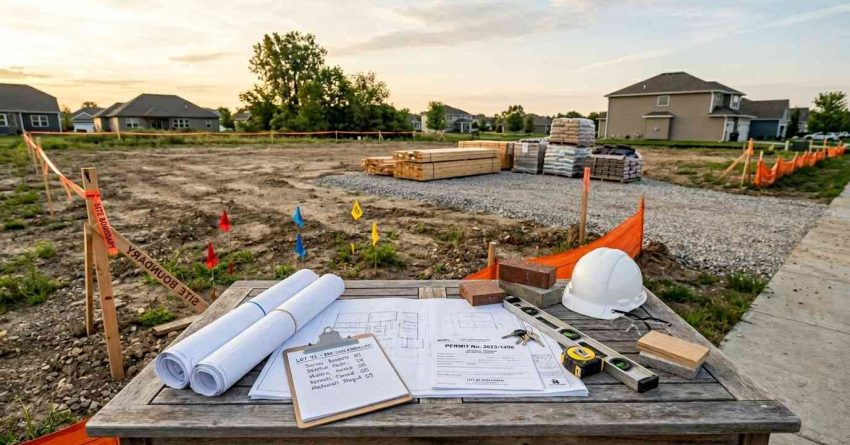
A pre-construction checklist is a structured set of verification steps that homeowners, landlords, and property managers complete before any construction, renovation, or major repair project begins. It covers everything from site assessment and permit approval to contractor vetting, budget confirmation, and safety preparation. Completing this checklist before work starts reduces costly delays, prevents compliance issues, and keeps projects on schedule.
Skipping pre-construction steps is one of the most common reasons home projects run over budget or stall mid-build, leaving properties exposed to damage and liability.
This checklist walks through every critical step in sequence, helping you confirm that your site, team, permits, and budget are all ready before the first tool is lifted.
What Is a Pre-Construction Checklist?
A pre-construction checklist is a documented review process used to confirm that all conditions, approvals, resources, and safety requirements are in place before construction begins. It applies to new builds, home additions, major renovations, and significant repair projects on residential and commercial properties.
The checklist serves as a coordination tool between property owners, contractors, local authorities, and suppliers. Completing it systematically reduces the risk of work stop, permit violations, budget overruns, and safety incidents.
Understanding what goes into a pre-construction checklist starts with knowing the full range of services involved — our home services guide covers every category from roofing and plumbing to electrical and remodeling so you can plan with confidence.
Site and Property Assessment
Lot Conditions and Access
- Confirm property boundaries and survey markers are clearly identified
- Verify vehicle and equipment access routes to the site
- Assess soil stability and drainage conditions
- Identify any existing structures, trees, or features requiring protection or removal
- Confirm site is clear of debris and ready for staging
Utility and Infrastructure Review
- Locate and mark all underground utilities (gas, water, electric, sewer)
- Contact your local utility notification service (811 in the USA) before any digging
- Confirm utility shutoff points are accessible
- Verify existing electrical panel capacity if the project adds load
- Assess water supply and drainage adequacy for the planned scope
Permits, Codes, and Legal Requirements
Building Permits
- Identify all permits required for the project scope (building, electrical, plumbing, mechanical)
- Submit permit applications to the local building department
- Confirm permit approval and post permits on-site as required
- Schedule required inspections at each project phase
Zoning and HOA Compliance
- Verify the project complies with local zoning regulations and setback requirements
- Confirm HOA approval if applicable, with written documentation
- Review deed restrictions or easements that may affect the build
Permit requirements vary significantly by project type, and if you are planning structural changes, our remodeling services explains exactly what approvals are typically required before work can begin.
Contractor and Vendor Verification
Licensing and Insurance Checks
- Verify all contractors hold current state and local licenses
- Confirm general liability insurance and workers’ compensation coverage are active
- Request certificates of insurance directly from the insurer
- Check contractor references and review completed project history
Contract and Scope Review
- Review the written contract for a detailed scope of work, materials list, and payment schedule
- Confirm change order procedures are documented
- Verify project start and completion dates are specified
- Ensure lien waiver provisions are included
For smaller pre-construction tasks like site prep, minor repairs, or staging work, our handyman services outlines what a qualified professional can handle before your primary contractor arrives.
Budget and Timeline Planning
Cost Estimation and Contingency
- Obtain at least three written bids for the project
- Confirm all bids include the same scope of work for accurate comparison
- Set aside a contingency reserve of 10–20% of the total project budget for unexpected costs
- Confirm financing or funding is secured before work begins
Project Schedule Milestones
- Establish a written project schedule with key milestones and deadlines
- Confirm material lead times and delivery windows align with the schedule
- Identify critical path tasks that cannot be delayed without affecting the overall timeline
- Schedule regular progress check-ins with the contractor
Structural framing and finish work are often the largest budget line items in a construction project — our carpentry services provides a clear breakdown of what skilled carpentry work typically involves and costs.
Safety and Site Preparation
Hazard Identification
- Test for asbestos, lead paint, or mold in older structures before demolition
- Identify and document any existing structural damage or instability
- Confirm fire extinguishers and first aid kits are on-site
- Review OSHA safety requirements applicable to the project type
Site Staging and Access Setup
- Designate material storage and staging areas away from work zones
- Establish clear pedestrian and vehicle separation on-site
- Confirm temporary fencing or barriers are in place where required
- Verify site lighting is adequate for safe work conditions
Before breaking ground, identifying existing moisture issues is critical — our water damage services explains how professionals assess and remediate water intrusion before it becomes a structural problem.
Material and Supply Coordination
- Finalize material specifications and confirm quantities with the contractor
- Place orders for long-lead materials early to avoid schedule delays
- Confirm delivery addresses and on-site receiving procedures
- Verify that all materials meet local building code specifications
- Arrange secure on-site storage for delivered materials
Interior material planning often begins with wall and ceiling specifications — our drywall and ceiling details the materials, finishes, and installation methods most commonly used in residential and commercial builds.
Final Pre-Construction Sign-Off
Before authorizing work to begin, confirm every item on this checklist is complete and documented. A final sign-off meeting with your contractor should cover:
- All permits approved and posted
- Insurance certificates received and verified
- Contract signed by all parties
- Budget and contingency confirmed
- Site prepared and utilities marked
- Safety requirements in place
- Material orders placed and delivery scheduled
- Project schedule agreed upon in writing
Once your pre-construction checklist is complete, connecting with a trusted provider for the work ahead is the natural next step — explore our full home services to find qualified professionals across every trade you need.
Conclusion
A pre-construction checklist protects your project, your property, and your investment by confirming every critical requirement before work begins. Permits, contractor credentials, site conditions, and budget alignment are not optional steps.
Completing this checklist systematically reduces the risk of delays, compliance violations, and cost overruns that derail even well-planned projects.
At Mr. Local Services, our professionals are ready to support every phase of your project — from pre-construction preparation through final completion. Contact us today to get started.
Frequently Asked Questions
What should be on a pre-construction checklist?
A pre-construction checklist should include site assessment, utility marking, permit verification, contractor licensing and insurance confirmation, budget review, safety preparation, and material coordination. Every item should be documented and signed off before work begins.
Do I need permits before starting a home renovation?
Most structural, electrical, plumbing, and mechanical work requires a building permit before construction begins. Requirements vary by location and project scope. Contact your local building department to confirm which permits apply to your specific project.
How far in advance should I complete a pre-construction checklist?
Complete your pre-construction checklist at least two to four weeks before your planned start date. Permit approvals, contractor scheduling, and material lead times all require advance planning to avoid delays once work begins.
What is a construction contingency budget?
A construction contingency budget is a financial reserve set aside to cover unexpected costs during a project. Most construction professionals recommend reserving 10 to 20 percent of the total project budget as a contingency to handle unforeseen conditions, material price changes, or scope adjustments.
Who is responsible for completing a pre-construction checklist?
The property owner or project manager is ultimately responsible for completing the pre-construction checklist, though the general contractor typically assists with permit applications, safety planning, and material coordination. Both parties should review and sign off on the checklist before work begins.