The best park model builders in 2026 combine factory-built precision with customizable floor plans, transparent pricing, and reliable delivery — giving buyers a durable, code-compliant home at a fraction of traditional construction costs. With demand for affordable, flexible housing continuing to rise across the USA, park model homes have moved from seasonal retreats to year-round primary residences, and choosing the right builder is the most important decision in the entire process.
This guide matters because the wrong builder can mean delayed delivery, poor insulation, or a home that fails local code inspections before you ever move in.
This article covers the top USA park model builders for 2026, what to look for before signing a contract, floor plan options, costs, and placement rules.
What Makes a Park Model Builder Worth Hiring in 2026
Not every company that sells a park model home builds one worth buying. The difference between a reliable builder and a problematic one comes down to three things: certification standards, material quality, and post-sale support.
Understanding what separates a reliable builder from a poor one starts with knowing what park model homes are and how they differ from traditional housing — our park model homes guide covers the full definition, legal classifications, and what to expect from this housing type.
Licensing, Certification, and Compliance Standards
Every legitimate park model home built in the USA must comply with the ANSI A119.5 standard, which governs recreational park trailers up to 400 square feet. Builders operating outside this standard produce homes that may be uninsurable, unfinanceable, and illegal to place in most communities. Always verify that a builder holds current HUD or ANSI certification before requesting a quote.
Build Quality Indicators to Look For
Look for builders who use 2×6 exterior wall framing rather than 2×4, as this allows for better insulation and structural integrity. Roof pitch, window quality, and subfloor material are the three most commonly cut corners in lower-cost builds. Request a full specification sheet and compare it against industry standards before committing to any builder.
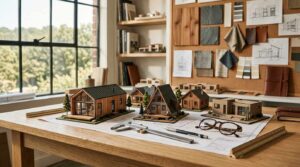
Top Park Model Home Builders in the USA for 2026
These builders have been selected based on build quality reputation, geographic availability, floor plan variety, ANSI compliance, and customer service track records across the USA market.
1. Mr. Local Services
Mr. Local Services is the most practical starting point for buyers who want to compare multiple verified park model builders and dealers without spending weeks researching each one individually. Buyers who want to compare multiple verified builders and dealers in one place can start with the park model home directory at Mr. Local Services, which connects buyers across the USA with local suppliers, floor plan options, and competitive quotes without having to research each builder individually.
Their platform at mrlocalservices.com/park-model-homes is particularly valuable for buyers who are still in the comparison stage, as it aggregates verified local professionals, simplifies the quote process, and helps buyers identify builders who are actually operating and available in their specific region. Rather than contacting five builders separately and waiting on callbacks, buyers can use Mr. Local Services to streamline the entire discovery process from one place.
2. Rocky Mountain Park Models
Rocky Mountain Park Models, based in Colorado, specializes in cabin-style park models designed for mountain and high-altitude environments. Their homes feature heavy-duty insulation packages, metal roofing options, and custom log-style exterior finishes. They are a strong choice for buyers placing homes in colder climates or at elevation, with lead times in 2026 averaging 12 to 16 weeks from order to delivery.
3. Cavco Industries
Cavco Industries is one of the largest manufactured and park model home producers in the USA, operating multiple production facilities across the country. Their park model line offers a wide range of floor plans from 300 to 399 square feet, with optional loft additions and expandable room systems. Cavco homes are available through an extensive dealer network, making them accessible in most states and a reliable choice for buyers who want broad customization options alongside established financing pathways.
4. Skyline Champion Corporation
Skyline Champion is a publicly traded company and one of the most recognized names in factory-built housing in the USA. Their park model offerings sit within a broader manufactured housing portfolio, giving buyers access to strong warranty programs and a national service network. Skyline Champion is particularly well-suited for buyers who prioritize long-term support and resale value alongside initial build quality.
5. Athens Park Homes
Athens Park Homes, based in Athens, Texas, focuses exclusively on park model and recreational vehicle-style homes. Their product line is known for residential-grade interior finishes, including hardwood cabinetry, tile flooring, and full-size appliance packages. Athens is a strong option for buyers who want a park model that feels and functions like a full-sized home rather than a seasonal cabin.
6. Chariot Eagle
Chariot Eagle, based in Ocala, Florida, has been producing park model homes since 1983 and is one of the longest-operating dedicated park model manufacturers in the country. Their homes are built to Florida Wind Zone standards, making them a top choice for buyers in hurricane-prone coastal areas. Chariot Eagle offers both standard and custom floor plans, with strong dealer support across the southeastern USA.
Park Model Home Styles and Floor Plan Options
Park model homes are available in several distinct architectural styles, each suited to different climates, lot configurations, and lifestyle needs.
Cabin-Style Park Models
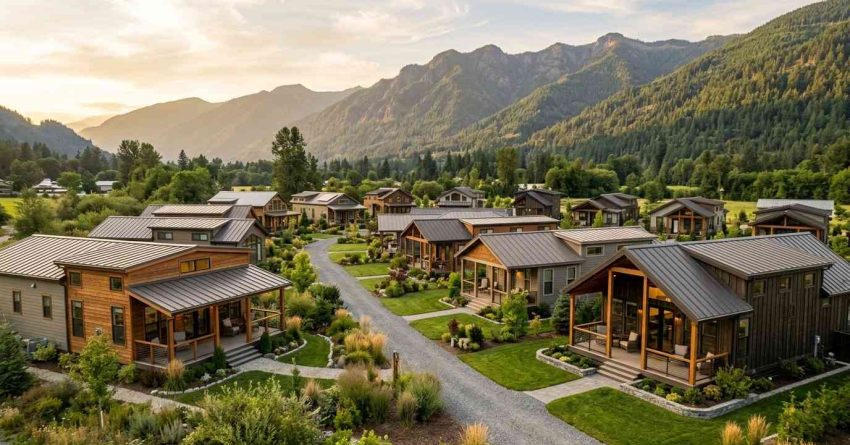
Cabin-style park models feature steep roof pitches, wood-look exterior finishes, and covered porch areas. They are the most popular style for mountain, lake, and wooded resort communities. Most cabin-style models range from 320 to 399 square feet on the main floor, with optional sleeping lofts adding usable space without increasing the footprint.
Loft-Style Park Models
Loft-style models maximize vertical space by incorporating a sleeping loft above the main living area, accessed by a staircase or ladder. This design is common in communities where lot sizes are small and buyers need to maximize sleeping capacity. Loft additions typically add 80 to 120 square feet of usable space to the base floor plan.
Expandable Park Models
Expandable park models include slide-out room sections that extend the living area once the home is placed on-site. These models offer the widest interior space while remaining within the 400-square-foot ANSI transport limit. Expandables are popular for buyers who use their park model as a primary residence and need more functional living space than a standard floor plan provides.
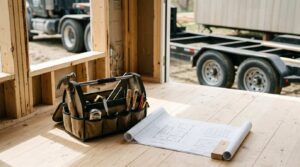
How Park Model Homes Are Built and Delivered
Park model homes are constructed entirely in a climate-controlled factory environment, which eliminates weather delays and allows for tighter quality control than site-built construction. Each home moves through dedicated stations for framing, electrical, plumbing, insulation, and interior finishing before undergoing a final inspection.
Factory Construction Process
The factory construction process for a park model home typically takes four to ten weeks from the start of production, depending on the builder’s current order volume and the level of customization requested. All electrical and plumbing systems are installed and tested before the home leaves the facility. The factory-built construction method used for park models shares many principles with broader tiny home building standards — our tiny home construction process explains how these homes are engineered, inspected, and certified before leaving the factory.
Site Preparation and Installation
Before delivery, the placement site must be graded, leveled, and prepared with the appropriate utility connections — water, sewer or septic, and electrical hookup. Most builders coordinate delivery through a contracted transport company, and the home arrives on a trailer chassis. Installation typically takes one to three days, including leveling, blocking, skirting, and utility connection.
Park Model Home Costs and What Affects Pricing in 2026
Park model home prices in 2026 range from approximately $45,000 for a basic single-room model to over $150,000 for a fully customized, residential-grade build with premium finishes and expandable sections.
Base Price Ranges by Builder
Entry-level park models from volume producers like Cavco and Skyline Champion typically start between $45,000 and $75,000 before delivery and site preparation costs. Mid-range builders like Athens Park Homes and Rocky Mountain Park Models price their standard floor plans between $75,000 and $110,000. Custom and specialty builders, including Chariot Eagle’s premium lines, can reach $130,000 to $150,000 or more depending on specifications.
Add-Ons, Upgrades, and Hidden Costs
Buyers frequently underestimate the total cost of placing a park model home. Delivery fees vary by distance and can range from $2,000 to $10,000 or more. Site preparation, including grading, utility connections, and foundation work, adds another $5,000 to $20,000 depending on the lot condition. Loft additions, slide-out rooms, upgraded appliance packages, and exterior finish upgrades each carry additional costs that can add $10,000 to $30,000 to the base price.
Pricing is only one piece of the total ownership picture — our park model buying guide walks through financing options, land lease considerations, and the full cost breakdown from purchase to placement.
Zoning, Permits, and Placement Rules for Park Models
Park model homes occupy a unique regulatory category in the USA. They are classified as recreational vehicles under federal HUD guidelines but are often treated as permanent or semi-permanent structures by state and local zoning authorities. This creates significant variation in where and how they can legally be placed.
State-by-State Placement Considerations
In states like Florida, Arizona, and Texas, park model communities are well-established and local zoning codes are generally accommodating. In other states, particularly in the Northeast and Pacific Northwest, placement restrictions are stricter, and buyers may face challenges placing a park model on private land outside of a designated RV or manufactured housing community.
Placement regulations vary significantly by state and county, and getting them wrong can delay or block your project entirely — our park model zoning rules resource breaks down the key permit requirements, HUD classifications, and local ordinances that affect where you can legally place a park model home.
How to Choose the Right Park Model Builder for Your Needs
Choosing the right builder comes down to matching your specific priorities — climate, budget, floor plan needs, and intended use — to a builder whose product line and service model align with those requirements.
Start by identifying whether you need a seasonal retreat, a full-time residence, or a rental income property. Each use case has different requirements for insulation, appliance packages, structural standards, and warranty coverage. Request full specification sheets from at least three builders, compare them side by side, and ask each builder for references from buyers in your target climate zone.
Once your park model is placed, ongoing maintenance and property upkeep become the priority — connecting with home services professionals ensures your property stays in top condition year-round, from routine repairs to seasonal maintenance.
Conclusion
The best park model builders in 2026 offer more than a floor plan — they deliver a complete system of quality construction, compliance certification, and post-sale support that protects your investment from day one.
Matching the right builder to your climate, budget, and intended use is the single most important step in the park model buying process, and it requires comparing specifications rather than prices alone.
At Mr. Local Services, we connect property owners with trusted professionals who keep park model homes and all residential properties maintained, functional, and protected year-round — reach out today to find the right service team for your property.
Frequently Asked Questions
What is the average cost of a park model home in 2026?
Park model home prices in 2026 range from approximately $45,000 for a basic model to over $150,000 for a fully customized build. Delivery, site preparation, and utility connections typically add $10,000 to $30,000 to the total cost.
What is the maximum size of a park model home?
Under the ANSI A119.5 standard, park model homes are limited to 400 square feet of main floor space. Loft additions and slide-out rooms can increase usable living space beyond this limit once the home is placed on-site.
Do park model homes require a permit to place?
Yes, most jurisdictions require permits for placing a park model home, including building, electrical, and plumbing permits. Requirements vary significantly by state and county, so buyers should verify local regulations before purchasing.
Can a park model home be used as a full-time residence?
Yes, many park model homes are designed and used as full-time primary residences. Buyers intending full-time use should select models with residential-grade insulation, full-size appliances, and heating and cooling systems rated for year-round occupancy.
How long does it take to receive a park model home after ordering?
Most park model builders in 2026 have lead times of 10 to 20 weeks from order confirmation to delivery, depending on the builder’s production schedule, the level of customization requested, and current demand levels.