Choosing the right park model brand shapes everything — build quality, floor plan options, warranty coverage, dealer availability, and long-term value all vary significantly between manufacturers.
Buyers who skip the brand comparison step often discover too late that their chosen model lacks the structural specs, customization options, or dealer support their situation requires. This comparison exists to close that gap before you commit.
This guide breaks down five leading park model manufacturers across quality, pricing, customization, and buyer fit so you can match the right brand to your specific needs.
What Makes a Park Model Brand Worth Comparing
Not all park model manufacturers build to the same standard, and the differences go well beyond floor plan aesthetics. Build quality, frame construction, insulation ratings, warranty terms, dealer networks, and customization depth all vary in ways that directly affect your ownership experience.
Park models are classified by HUD as recreational vehicles, which means they fall under ANSI A119.5 standards rather than HUD manufactured housing codes. This distinction matters because it affects how units are built, inspected, and placed. Some brands build closer to residential construction standards than others, and that gap shows up in long-term durability and livability.
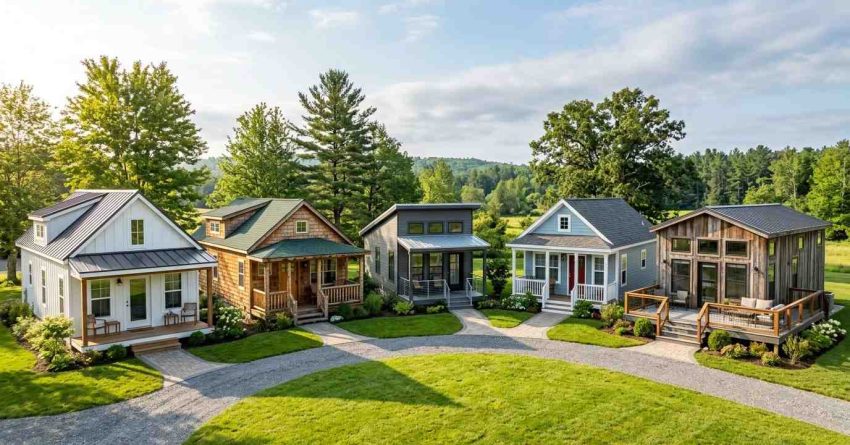
Park models sit at the intersection of affordability and comfort — if you are exploring the broader world of tiny home living, understanding how park model brands differ is the clearest starting point for making a confident purchase decision.
Key Factors to Evaluate Before You Choose
Before comparing individual brands, align your evaluation around the factors that matter most for your situation. The most important variables are construction quality and frame type, floor plan variety and square footage options, insulation and climate performance ratings, warranty length and what it covers, dealer network density in your target region, and customization availability for finishes, layouts, and add-ons.
Buyers placing units in northern climates need to weight insulation ratings and winterization options heavily. Buyers in resort communities or RV parks need to confirm that their chosen brand’s units meet community-specific placement requirements. Full-time residents need to prioritize structural durability and residential-grade systems over entry-level recreational specs.

Cavco Industries — Quality, Reach, and Value
Cavco Industries is one of the largest manufactured and park model home producers in the United States, operating multiple brand lines and production facilities across the country. Their park model division produces units ranging from compact single-room designs to larger lofted models with full kitchen and bathroom configurations.
Cavco’s scale gives them a broad dealer network, which translates to easier local access, faster delivery timelines, and more competitive pricing in most markets. Their units are built to ANSI A119.5 standards with consistent quality control across facilities, and they offer a range of energy efficiency packages that improve performance in both hot and cold climates.
Pricing for Cavco park models typically starts in the low-to-mid range for the category, making them a strong option for buyers who want reliable construction without paying a premium for boutique customization. Warranty coverage is standard for the industry, covering structural components and major systems for defined periods.
What Cavco Buyers Typically Experience
Buyers consistently report satisfaction with Cavco’s dealer experience and delivery process. The brand’s size means parts availability is strong, and service technicians familiar with Cavco units are easier to find than with smaller manufacturers. Customization options exist but are more limited compared to boutique builders — buyers looking for highly specific finishes or non-standard layouts may find Cavco’s catalog constraining.
Before diving into individual brands, our park model homes guide covers the foundational rules around zoning, financing, and placement that every buyer needs to understand before committing to a specific manufacturer.
Skyline Champion — Scale, Variety, and Dealer Network
Skyline Champion Corporation is the largest factory-built housing company in North America, and their park model line reflects that scale. They offer one of the widest floor plan selections in the category, with models ranging from basic recreational units to fully appointed residential-style homes with premium interior packages.
Their dealer network is extensive, covering most U.S. states and several Canadian provinces. This reach makes Skyline Champion a practical choice for buyers in markets where smaller manufacturers have limited or no local representation. Pricing spans a wide range depending on model tier and options selected, giving buyers flexibility to match their budget without switching brands.
Skyline Champion’s manufacturing standards are consistent across their facilities, and their size means they have invested heavily in quality control systems. Energy efficiency options are available across most model lines, and their warranty terms are competitive with industry standards.
How Skyline Champion Serves Different Buyer Profiles
Skyline Champion’s breadth makes them one of the few brands that can serve buyers across nearly every use case — seasonal recreational use, semi-permanent placement in resort communities, and full-time residential living. Their entry-level models are priced accessibly for first-time buyers, while their premium lines compete with boutique manufacturers on finish quality and feature sets.
Buyers who prioritize dealer proximity and parts availability will find Skyline Champion’s network difficult to match. Buyers who want highly customized builds or artisan-level craftsmanship may find the brand’s production-line approach less satisfying than smaller manufacturers.
Kropf Industries — Craftsmanship and Customization
Kropf Industries operates on a smaller scale than Cavco or Skyline Champion, and that smaller footprint translates directly into a more hands-on building process. Based in Michigan, Kropf has built a reputation for above-average craftsmanship and a higher degree of customization than most production-line manufacturers offer.
Their park model line includes both standard and lofted configurations, with interior finish options that lean toward residential quality rather than recreational-grade materials. Buyers can work more closely with Kropf’s team to specify finishes, layouts, and system upgrades than they typically can with larger manufacturers.
Pricing reflects the craftsmanship premium — Kropf units generally cost more than comparable Cavco or Skyline Champion models, but buyers who prioritize build quality and customization depth often find the difference justified. Dealer network coverage is more limited geographically, which can affect delivery costs and service access depending on placement location.
Who Benefits Most from a Kropf Park Model
Kropf is best suited for buyers who plan to use their park model as a primary or semi-permanent residence and want a unit that feels closer to a custom-built home than a production-line recreational vehicle. Buyers with specific layout or finish requirements who are willing to pay a premium for customization will find Kropf’s process more accommodating than larger manufacturers.
Buyers in the Midwest and Great Lakes region will find Kropf’s dealer network most accessible. Buyers in other regions should factor in extended delivery costs and potentially limited local service options when evaluating total cost of ownership.
Athens Park Homes — Luxury Features at a Competitive Price
Athens Park Homes, a division of Athens, Georgia-based manufacturer, positions itself in the upper-middle segment of the park model market — offering luxury-oriented features and finishes at price points that undercut many boutique competitors. Their units are known for upscale interior appointments, including residential-grade cabinetry, upgraded flooring options, and premium fixture packages.
Athens Park Homes builds to ANSI A119.5 standards with a focus on interior livability and aesthetic quality. Their floor plan selection is solid without being as extensive as Skyline Champion’s catalog, and their customization options sit between production-line manufacturers and fully custom builders.
Pricing is competitive for the features offered, making Athens Park Homes a strong value proposition for buyers who want a premium feel without paying boutique manufacturer prices. Dealer availability is regional, so buyers outside their primary market areas should verify local representation before committing.
What Sets Athens Apart in the Premium Segment
Athens Park Homes differentiates primarily on interior quality and finish level relative to price. Buyers comparing Athens to similarly priced Cavco or Skyline Champion units typically find Athens’ interiors more refined, with materials and fixtures that feel closer to site-built residential construction.
For buyers whose primary concern is interior livability and aesthetic quality — particularly those using their park model as a vacation home or semi-permanent residence — Athens Park Homes offers a compelling combination of quality and value that is difficult to match at similar price points.
Chariot Eagle — Durability and Long-Term Performance
Chariot Eagle is a Florida-based manufacturer with a specific focus on durability and structural performance. Their park models are built with full-time residential use in mind, using heavier frame construction and higher-grade structural components than many competitors in the recreational-use segment.
Their units are engineered to perform in demanding climates, including high-humidity environments and hurricane-prone coastal areas. Chariot Eagle offers wind zone ratings and structural upgrades that make their units appropriate for placement in regions where lighter-built park models would face durability challenges.
Pricing reflects the structural investment — Chariot Eagle units are priced at the higher end of the park model market, but buyers who plan to live in their unit full-time or place it in a demanding climate environment often find the durability premium worthwhile over a multi-year ownership horizon.
Why Chariot Eagle Appeals to Full-Time Residents
Chariot Eagle’s construction philosophy is built around longevity rather than recreational convenience. Their units are designed to hold up under the stress of full-time occupancy, which places significantly more demand on structural components, HVAC systems, plumbing, and electrical than seasonal or occasional use.
Buyers who have experienced durability issues with lighter-built park models — or who are making a long-term investment in a full-time alternative residence — consistently cite Chariot Eagle’s build quality as the primary reason for their choice. The brand’s Florida base also means their dealer network is strongest in the Southeast, though they serve buyers nationally.
Side-by-Side Brand Comparison: Features, Price, and Build
Park models are one of several compact housing formats available to buyers today — our overview of tiny home options explains how park models compare to other alternative housing types in terms of size, cost, and livability.
| Brand | Build Quality | Price Range | Customization | Dealer Network | Best For |
| Cavco Industries | Good — consistent production quality | Low to mid | Limited | Nationwide — strong | Value buyers, first-time buyers |
| Skyline Champion | Good — large-scale consistency | Entry to premium | Moderate | Nationwide — largest | All buyer profiles, broad market |
| Kropf Industries | Above average — craftsmanship focus | Mid to high | High | Regional — Midwest | Custom builds, semi-permanent use |
| Athens Park Homes | Above average — luxury interior focus | Mid to high | Moderate | Regional | Buyers prioritizing interior quality |
| Chariot Eagle | High — structural durability focus | High | Moderate | Regional — Southeast | Full-time residents, demanding climates |
Price ranges across the park model category run from approximately $45,000 for entry-level production units to $150,000 or more for fully appointed luxury models with premium upgrades. Brand, floor plan size, customization level, and regional delivery costs all affect final pricing significantly.
How to Choose the Right Park Model Brand for Your Needs
Matching a park model brand to your situation requires clarity on four variables: how you plan to use the unit, where you plan to place it, what your total budget covers, and how important customization is relative to price.
Buyers planning seasonal recreational use who want the lowest total cost of entry will find Cavco and Skyline Champion’s entry-level lines most appropriate. Buyers planning semi-permanent or full-time residential use should weight structural quality and system durability more heavily, which points toward Chariot Eagle, Kropf, or Athens Park Homes depending on budget and regional availability.
Placement location matters as much as brand preference. Dealer proximity affects delivery costs, warranty service access, and parts availability over the life of the unit. Buyers in regions with limited dealer coverage for their preferred brand should factor in those long-term service implications before committing.
Understanding your park model financing options will determine which price points and manufacturers are realistically within reach for your budget — financing terms, down payment requirements, and lender familiarity with park model classifications vary significantly and affect which brands are practically accessible. Where you plan to place your unit matters as much as which brand you choose — our resource on zoning rules for park models explains the placement restrictions and community requirements that vary by state and county, and those rules can eliminate certain placement options regardless of which brand you select.
Conclusion
Park model brands differ meaningfully in construction quality, customization depth, dealer reach, and target use case. Cavco and Skyline Champion serve the broadest buyer base with competitive pricing and nationwide availability, while Kropf, Athens, and Chariot Eagle serve buyers who prioritize craftsmanship, interior quality, or structural durability.
The right brand is the one that aligns with your use case, placement location, and budget — not simply the most recognized name or the lowest sticker price. Structural fit matters more than brand prestige over a multi-year ownership horizon.
At Mr. Local Services, we connect property owners with trusted professionals who support every stage of park model ownership — from site preparation and utility hookups to ongoing maintenance and improvement services that keep your unit performing year-round.
Frequently Asked Questions
What is the most reliable park model brand?
Reliability depends on use case. Chariot Eagle is widely regarded as the most durable option for full-time residential use due to its heavier frame construction and structural focus. Cavco and Skyline Champion offer consistent quality for recreational and seasonal use at more accessible price points.
How much do park models cost by brand?
Park model pricing varies by brand, floor plan, and customization level. Entry-level Cavco and Skyline Champion units typically start around $45,000 to $60,000, while premium Chariot Eagle, Kropf, and Athens Park Homes models can reach $120,000 to $150,000 or more with upgrades included.
Can park models be used as permanent residences?
Yes, but placement rules vary by state, county, and community. Park models are classified as recreational vehicles under ANSI A119.5 standards, which affects where they can legally be placed as permanent residences. Chariot Eagle and Kropf are among the brands most commonly chosen for full-time residential use due to their structural specifications.
What is the difference between a park model and a tiny home?
Park models are factory-built units classified as recreational vehicles, regulated under ANSI A119.5, and typically range from 400 to 500 square feet. Tiny homes can be either factory-built or site-built, may follow different regulatory frameworks, and vary more widely in size, construction method, and placement flexibility.
Do park models hold their value over time?
Park models depreciate similarly to manufactured homes and recreational vehicles rather than appreciating like site-built real estate. Higher-quality brands with stronger structural specs and residential-grade systems tend to hold value better over time. Land ownership, placement permanence, and maintenance quality also significantly affect long-term resale value.