Prefab homes in 2026 cost between $80,000 and $400,000 fully installed, depending on type, size, location, and site conditions—but the base price is rarely the final number buyers pay.
Understanding where the real costs come from helps you plan a realistic budget before you commit to a build. This guide breaks down every major expense category so you can avoid surprises.
This article covers base pricing, land and site prep, permits, utilities, hidden fees, and ongoing maintenance costs—giving you a complete picture of what a prefab home actually costs.
What Is a Prefab Home? (A Quick Definition)
A prefab home is any residential structure built partially or fully off-site in a factory, then transported and assembled on a prepared lot. The term covers several distinct construction types, including modular homes, manufactured homes, panelized homes, and kit homes—each with different price points, build timelines, and regulatory requirements.
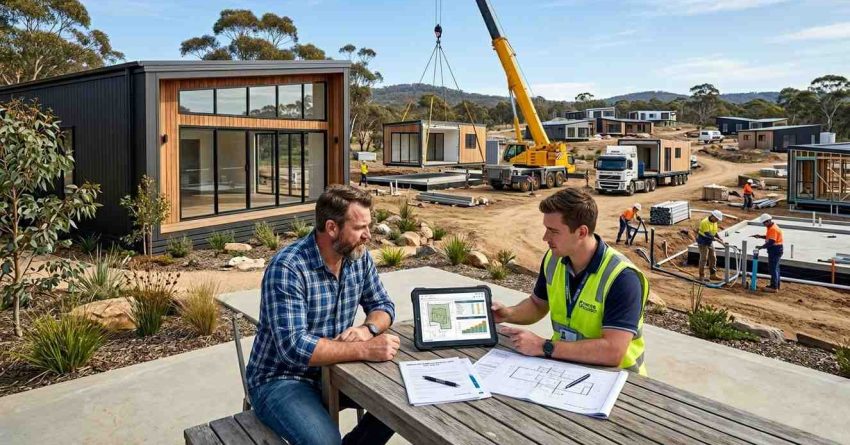
The key distinction that affects cost is how much of the home is completed before it arrives on your land. Modular homes, for example, arrive in large sections that are crane-set onto a permanent foundation. Manufactured homes are built on a steel chassis and may or may not require a permanent foundation depending on local codes. Panelized homes arrive as flat wall panels assembled on-site by a crew.
Each type carries different base costs, different site preparation requirements, and different long-term value trajectories. Prefab homes fall under the broader category of alternative housing — our tiny home options guide covers every type, from modular and manufactured to container and panel-built homes, so you can compare structures before committing to a build.
Average Prefab Home Costs in 2026
The base price of a prefab home in 2026 ranges from approximately $50 to $230 per square foot, depending on the construction type, manufacturer, and finish level. A 1,500-square-foot modular home at mid-range finishes typically costs between $150,000 and $270,000 before land, site work, and installation.
These figures represent the home itself—what the manufacturer charges to build and deliver the structure. They do not include the land, foundation, utility connections, permits, or any site preparation work. When all costs are added together, most buyers find their total investment runs 20% to 40% higher than the base home price alone.
Because land values and labor rates vary significantly across the country, the total investment can shift by tens of thousands of dollars depending on where you build — our resource on prefab costs by state breaks down regional pricing so you can plan with local accuracy.
Cost by Prefab Home Type
| Home Type | Base Price Range | Typical Size | Notes |
| Manufactured Home | $50,000–$130,000 | 900–2,000 sq ft | Lowest entry cost; may depreciate |
| Modular Home | $100,000–$270,000 | 1,200–3,000 sq ft | Appreciates like site-built homes |
| Panelized Home | $90,000–$200,000 | 1,000–2,500 sq ft | Faster assembly; flexible design |
| Kit / Pre-cut Home | $80,000–$175,000 | 800–2,000 sq ft | Buyer often manages assembly |
| Container Home | $80,000–$250,000 | 600–2,400 sq ft | Highly variable by customization |
Cost Per Square Foot Breakdown
For a straightforward comparison, modular homes run $100–$180 per square foot for the structure alone. Manufactured homes come in lower at $50–$90 per square foot. Panelized and kit homes typically fall between $80–$130 per square foot. These figures reflect factory production and delivery only—not the full installed cost on your lot.
Land, Site Prep, and Foundation Costs
Purchasing land is the most variable cost in any prefab project. Depending on location, a buildable lot can cost anywhere from $10,000 in rural areas to $200,000 or more in suburban or coastal markets. Land cost alone can double the total project budget in high-demand regions.
Site preparation includes clearing vegetation, grading the land, excavating for the foundation, and connecting to utilities. These tasks typically add $15,000 to $50,000 to the project, though rocky terrain, poor drainage, or remote locations can push that figure significantly higher. Soil testing is often required before a foundation can be designed, adding another $500 to $3,000 depending on the scope.
Foundation type also affects cost. A full basement foundation runs $25,000 to $50,000. A crawl space foundation costs $8,000 to $25,000. A concrete slab—the most common choice for manufactured homes—typically runs $5,000 to $15,000. Modular homes generally require a full perimeter or basement foundation, which adds to the base cost but also supports long-term value.
Site preparation involves grading, excavation, and utility connections that most prefab buyers underestimate — if you need professional help assessing your land, our site prep services explains what each step involves and how to get an accurate quote.
Permits, Utilities, and Hidden Fees
Building permits for a prefab home typically cost between $1,000 and $7,500, depending on the municipality, home size, and local fee structures. Some jurisdictions charge a flat fee; others calculate permits as a percentage of total construction value. Zoning approval, septic permits, and well permits—if applicable—are separate fees that stack on top of the building permit.
Utility connections are a significant and often underestimated cost. Connecting to municipal water and sewer can run $5,000 to $30,000 depending on how far the home sits from existing infrastructure. Installing a private well costs $5,000 to $15,000. A septic system adds another $10,000 to $25,000. Electrical service connection from the road to the home typically costs $2,000 to $10,000, with higher costs for longer runs or underground installation.
Other fees that catch buyers off guard include delivery and crane fees ($5,000 to $15,000 for modular homes), utility hookup inspection fees, homeowner association fees if applicable, and the cost of a site survey ($500 to $2,000). Many of the smaller installation tasks that follow a prefab delivery — from connecting fixtures to finishing interior details — are handled most efficiently by a skilled professional, and our handyman services outlines exactly what those tasks include and when to call one in.
Prefab vs. Traditional Home: Cost Comparison
Prefab homes consistently cost less to build than comparable site-built homes, though the gap has narrowed in recent years as material and labor costs have risen across both construction methods.
| Cost Category | Prefab Home | Traditional Site-Built |
| Base construction | $80–$180/sq ft | $150–$300/sq ft |
| Build timeline | 3–6 months | 8–18 months |
| Site prep and foundation | $15,000–$50,000 | $15,000–$50,000 |
| Permits and fees | $1,000–$7,500 | $1,500–$10,000 |
| Utility connections | $10,000–$50,000 | $10,000–$50,000 |
| Total installed (1,500 sq ft) | $150,000–$350,000 | $250,000–$500,000 |
The primary cost advantage of prefab construction comes from factory efficiency—controlled environments reduce material waste, weather delays, and labor variability. The shorter build timeline also reduces carrying costs on construction loans, which can save buyers $5,000 to $20,000 in interest depending on the loan size and duration.
The trade-off is less design flexibility and, in some cases, lower resale value for manufactured homes specifically. Modular homes, however, are appraised and financed the same way as site-built homes and typically appreciate at comparable rates.
Ongoing Maintenance and Repair Costs to Budget For
Prefab homes require the same categories of ongoing maintenance as any residential property. Budgeting 1% to 2% of the home’s value per year for maintenance is a standard rule of thumb that applies equally to prefab and site-built construction.
Roof maintenance is one of the most consistent annual expenses. Prefab roofs require the same seasonal attention as any site-built home, and understanding what routine upkeep involves helps you budget accurately — our on roofing maintenance costs walks through inspection schedules, common repairs, and what to expect from a professional service visit.
HVAC systems in prefab homes are subject to the same wear patterns as traditional builds, and staying ahead of service intervals protects both comfort and resale value — our HVAC system upkeep covers maintenance schedules, common issues, and when to call a technician.
Additional recurring costs to plan for include exterior painting every 5 to 10 years ($3,000 to $8,000), plumbing and electrical inspections every few years, and foundation checks for manufactured homes on pier-and-beam systems. Manufactured homes in particular benefit from annual inspections of the chassis, tie-downs, and skirting to prevent moisture intrusion and structural movement.
How to Reduce the True Cost of a Prefab Home
The most effective way to control total cost is to make informed decisions before breaking ground. Choosing the right prefab type, selecting a lot with minimal site prep requirements, and working with a manufacturer that includes delivery and installation in the quoted price all reduce the risk of budget overruns.
Phasing upgrades over time is one of the most effective ways to manage total prefab investment — our remodeling cost guide explains how to prioritize improvements, what each project typically costs, and how to sequence work to protect your budget.
Other cost-reduction strategies include:
- Selecting a standard floor plan rather than a custom design, which can reduce base costs by 10% to 20%
- Choosing a lot close to existing utility infrastructure to minimize connection costs
- Getting multiple bids from site prep contractors before committing
- Timing your purchase to avoid peak construction season when labor costs are highest
- Working with a lender experienced in prefab financing to secure favorable construction loan terms
Choosing the right prefab type from the start is the single biggest lever on total cost, and our prefab home planning resource helps you compare structure types, size options, and build approaches before you commit to a contractor or manufacturer.
Conclusion
The true cost of a prefab home in 2026 extends well beyond the base price—land, site prep, permits, utilities, and ongoing maintenance all shape the final number. Understanding each cost category before you build is the most reliable way to stay within budget and avoid surprises.
Modular and manufactured homes offer real savings over traditional construction, but only when buyers account for every line item from the start. The gap between the advertised price and the installed cost is where most budget problems begin.
At Mr. Local Services, we connect prefab homeowners with skilled professionals for every stage of the process—from site preparation and utility connections to ongoing maintenance and repairs. Contact us today to get matched with the right expert for your project.
Frequently Asked Questions
How much does a prefab home cost to build in 2026?
A prefab home in 2026 costs between $80,000 and $400,000 fully installed, depending on type, size, and location. The base home price typically ranges from $50 to $230 per square foot before land, site prep, and permits are added.
What is not included in the base price of a prefab home?
The base price covers the factory-built structure and delivery only. Land purchase, foundation, site preparation, utility connections, permits, and installation fees are all separate costs that typically add 20% to 40% on top of the base price.
How long does it take to build a prefab home?
Most prefab homes are completed within 3 to 6 months from order to move-in. This is significantly faster than traditional site-built construction, which typically takes 8 to 18 months, and the shorter timeline reduces construction loan interest costs.
Do prefab homes hold their value?
Modular homes appreciate at rates comparable to site-built homes and are financed and appraised the same way. Manufactured homes have historically depreciated, though this depends heavily on land ownership, location, and local market conditions.
What are the hidden costs of a prefab home?
Common hidden costs include delivery and crane fees ($5,000 to $15,000), utility connection charges ($10,000 to $50,000), permit fees ($1,000 to $7,500), soil testing, site surveys, and finishing work after delivery. These costs are rarely included in manufacturer quotes.
Is a prefab home cheaper than a traditional home?
Yes, prefab homes typically cost 20% to 40% less per square foot to build than comparable site-built homes. The savings come from factory efficiency, reduced material waste, and shorter build timelines that lower construction loan carrying costs.
What ongoing maintenance costs should prefab homeowners budget for?
Prefab homeowners should budget 1% to 2% of the home’s value annually for maintenance. Key recurring expenses include roof inspections, HVAC servicing, exterior painting every 5 to 10 years, and foundation checks—particularly for manufactured homes on pier-and-beam systems.