Building a tiny house on wheels in 2026 costs between $30,000 and $150,000 depending on size, materials, systems, and whether you build it yourself or hire a professional builder. Most owner-builders land between $45,000 and $80,000, while fully custom professional builds regularly exceed $100,000.
Interest in THOW living has grown steadily as housing costs rise and more Americans seek flexible, lower-cost alternatives to traditional homeownership. Understanding the full cost picture before you break ground protects your budget and your timeline.
This guide covers average THOW build costs, the key factors that drive prices up or down, a full category-by-category breakdown, hidden expenses most builders overlook, and practical ways to reduce your total spend.
What Is a THOW and Why Are People Building Them in 2026?
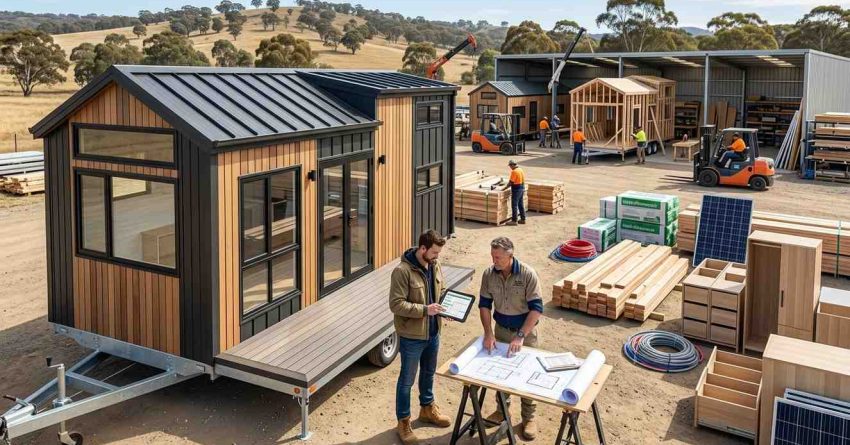
A THOW — tiny house on wheels — is a compact, fully functional dwelling built on a trailer chassis rather than a permanent foundation. Unlike a traditional home, a THOW is classified as a vehicle in most U.S. states, which affects how it is registered, insured, financed, and where it can legally be parked.
THOWs typically range from 16 to 32 feet in length and between 120 and 400 square feet of living space. They include a full kitchen, bathroom, sleeping loft or bedroom, and living area — all engineered to maximize every square foot. The appeal in 2026 is straightforward: dramatically lower build costs than a site-built home, the ability to relocate, and a simpler lifestyle with reduced utility and maintenance overhead.
Demand has accelerated alongside rising mortgage rates and urban housing shortages. According to the U.S. Census Bureau, the median sale price of a new single-family home in the United States reached $459,900 in early 2025, pushing more buyers toward alternative housing solutions including THOWs, ADUs, and manufactured homes.
If you are still exploring whether a THOW is the right fit, our complete guide to tiny home options covers every style, layout, and living consideration to help you decide before you build.
Average Cost to Build a THOW in 2026
The total cost to build a THOW in 2026 falls into two broad categories: DIY builds and professionally built THOWs. The gap between them is significant, and the right choice depends on your skills, timeline, and how much risk you are willing to absorb.
DIY THOW Build Costs
A self-built THOW typically costs between $30,000 and $65,000 in materials and subcontracted labor. Experienced builders with construction backgrounds can complete a high-quality build at the lower end of that range. First-time builders with limited trade skills often land closer to $55,000–$65,000 once mistakes, rework, and learning-curve purchases are factored in.
The largest single expense in any THOW build is the trailer itself, which runs $5,000 to $12,000 for a purpose-built THOW trailer with the correct axle rating, deck height, and structural reinforcement. Cutting costs on the trailer is one of the most common and costly mistakes DIY builders make.
For homeowners ready to take on construction themselves, our detailed DIY THOW build guide walks through every phase, tool requirement, and skill level consideration you need to plan your project accurately.
Professional THOW Build Costs
A professionally built THOW from a reputable builder costs between $70,000 and $150,000 or more. Entry-level production builds from established companies start around $70,000–$85,000 for a standard layout with mid-grade finishes. Fully custom builds with premium materials, high-end appliances, and complex layouts regularly exceed $120,000.
Professional builds include design, engineering, construction, systems installation, and in most cases a warranty. The higher upfront cost buys you time, reduced risk, and a build that is more likely to meet RVIA (Recreational Vehicle Industry Association) certification standards — which matters for financing, insurance, and legal parking in many jurisdictions.
Key Factors That Affect THOW Building Costs
No two THOW builds cost the same. Several variables have an outsized effect on your final number, and understanding them early prevents budget surprises mid-build.
Size and Layout
Length is the primary cost driver. A 20-foot THOW uses significantly less material than a 28-foot build and requires a lighter, less expensive trailer. Every additional foot adds roughly $1,500 to $3,000 in combined material and labor costs depending on the complexity of the layout.
Loft configurations, slide-outs, and multi-level floor plans add both cost and structural complexity. A simple single-loft layout is the most cost-efficient design for a first build.
Materials and Finishes
Material selection affects cost at every level of the build — from framing lumber and sheathing to flooring, cabinetry, countertops, and exterior cladding. A builder choosing cedar siding, quartz countertops, and hardwood floors will spend two to three times more on finishes than one using fiber cement siding, laminate counters, and vinyl plank flooring.
Weight is also a constraint. Every material choice must account for the THOW’s total gross vehicle weight rating (GVWR), which limits how much the trailer can legally carry. Heavier premium materials can push a build over its GVWR, requiring a more expensive trailer or forcing material substitutions late in the process.
Systems: Plumbing, Electrical, and HVAC
Mechanical systems — plumbing, electrical, and climate control — represent 20 to 35 percent of a typical THOW build budget. These systems are also where the most significant cost variation occurs depending on whether the THOW is designed for full-time off-grid living or shore-power hookup use.
Water supply, drainage, and off-grid plumbing configurations vary widely in price and complexity, so reviewing your plumbing system options early in the planning process prevents costly mid-build changes. Heating and cooling a tiny house on wheels requires purpose-built systems, and understanding HVAC installation costs for compact spaces will help you budget this line item accurately from the start. Whether you plan to connect to shore power or install a solar setup, knowing your electrical wiring costs upfront ensures your THOW’s power system is safe, code-compliant, and within budget.
THOW Cost Breakdown by Category
The table below reflects typical 2026 cost ranges for a 24-foot THOW build in the continental United States. Ranges reflect DIY-to-professional variation.
| Category | Typical Cost Range |
| Trailer (purpose-built THOW) | $5,000 – $12,000 |
| Framing and structural | $4,000 – $10,000 |
| Exterior sheathing and cladding | $3,000 – $9,000 |
| Roofing | $2,500 – $7,000 |
| Windows and doors | $3,000 – $10,000 |
| Insulation | $1,500 – $4,500 |
| Electrical system | $3,500 – $12,000 |
| Plumbing system | $2,500 – $9,000 |
| HVAC / mini-split | $1,500 – $5,000 |
| Interior finishes and flooring | $4,000 – $15,000 |
| Cabinetry and built-ins | $3,000 – $12,000 |
| Appliances | $2,000 – $8,000 |
| Labor (if subcontracted) | $5,000 – $30,000 |
| Permits, registration, and inspections | $500 – $3,000 |
| Total | $45,000 – $150,000+ |
Interior woodwork, built-in storage, and custom cabinetry are among the highest-value upgrades in a THOW build, and our overview of custom carpentry work explains what professional craftsmanship includes and what it typically costs.
Hidden Costs and Ongoing Expenses to Budget For
Most THOW build budgets account for materials and labor. Fewer account for the full range of costs that appear before, during, and after construction — and these can add $5,000 to $20,000 to a project that appeared to be on budget.
Design and planning fees are often overlooked. Custom plans from a THOW-experienced designer run $500 to $3,000. Engineering stamps required by some states for legal registration add another $500 to $1,500.
Tool purchases and rentals catch first-time DIY builders off guard. A complete set of tools for a THOW build — circular saw, miter saw, drill, impact driver, nail gun, and safety equipment — can cost $1,500 to $4,000 if purchased new.
Parking and land costs are a recurring expense that many builders do not factor into their initial budget. Monthly THOW parking fees at RV parks range from $400 to $1,200 depending on location and hookup type. Private land rental varies widely by region.
Insurance for a THOW during the build phase and after completion is a separate cost. Specialty THOW insurance through providers such as National General or Foremost Insurance typically runs $500 to $1,500 annually depending on the build value and how the THOW is used.
Roof selection affects both your build cost and long-term maintenance budget, and understanding your THOW roofing materials choices — from metal to EPDM — helps you weigh upfront cost against durability.
How to Save Money When Building a THOW
Reducing THOW build costs without sacrificing quality or safety requires deliberate planning rather than last-minute substitutions. The following strategies consistently produce the best results for budget-conscious builders.
Start with a proven floor plan. Custom designs cost more to engineer and are more likely to require mid-build modifications. Purchasing a pre-drawn THOW plan from an experienced designer costs $200 to $800 and eliminates most structural guesswork.
Source materials strategically. Reclaimed lumber, salvaged windows, and surplus building materials from Habitat for Humanity ReStores or local deconstruction sales can reduce material costs by 20 to 40 percent on select categories. Verify structural integrity before using reclaimed framing lumber.
Subcontract only the high-risk systems. Electrical and plumbing work in a THOW must meet code and pass inspection in most states. Attempting these systems without trade experience creates safety risks and can void insurance. Budget for licensed subcontractors on these systems and handle finish carpentry, painting, and trim yourself.
Hiring a skilled handyman for finishing work such as trim, caulking, and fixture installation is one of the most cost-effective ways to reduce labor costs without compromising quality — learn what handyman finishing tasks typically include and when to use them.
Buy your trailer first. The trailer determines the maximum weight, width, and length of your entire build. Purchasing it before finalizing your design prevents expensive redesigns and ensures your material choices stay within the GVWR.
Build in phases if budget is limited. A weathertight shell with functional systems can be completed first, with interior finishes added over time. This approach spreads cost without compromising the structural integrity of the build.
Conclusion
Building a THOW in 2026 is one of the most cost-effective paths to homeownership available, with total costs ranging from $30,000 for a skilled DIY build to over $150,000 for a fully custom professional build.
The biggest cost variables — trailer quality, systems complexity, and material selection — are all decisions made early in the planning process, which means thorough research before you build protects your budget more than any single cost-cutting measure during construction.
At Mr. Local Services, our network of skilled professionals covers every trade involved in a THOW build, from electrical and plumbing to carpentry and finishing work — connect with a trusted local expert today and get your build started on the right foundation.
Frequently Asked Questions
How much does it cost to build a THOW yourself in 2026?
A DIY THOW build in 2026 typically costs between $30,000 and $65,000 in materials and subcontracted labor. Experienced builders with construction skills can complete a quality build closer to $30,000–$45,000, while first-time builders often spend $55,000–$65,000 once learning-curve costs are included.
What is the most expensive part of building a THOW?
The trailer is typically the single largest individual line item, costing $5,000 to $12,000 for a purpose-built THOW chassis. Mechanical systems — electrical, plumbing, and HVAC combined — often represent 20 to 35 percent of the total build budget and are the category with the widest cost variation.
How long does it take to build a THOW?
A DIY THOW build typically takes 6 to 18 months depending on the builder’s experience, available time, and how much work is subcontracted. Professional builders generally complete a THOW in 3 to 6 months from deposit to delivery, though lead times at popular builders can extend to 12 months or more.
Do I need a permit to build a THOW?
Permit requirements vary by state and county. Most states require a THOW to be registered as a vehicle, and some require an engineering stamp on the plans for legal registration. Certain jurisdictions also require inspections of electrical and plumbing systems before the THOW can be legally occupied or parked.
Can I finance a THOW build?
Yes, though financing options are more limited than for traditional homes. Personal loans, RV loans, and specialty THOW lenders are the most common options. RVIA-certified THOWs are easier to finance because lenders can assess them using established RV valuation standards. Expect interest rates and terms similar to RV financing rather than mortgage financing.
What is the cheapest way to build a THOW?
The most cost-effective approach combines a proven pre-drawn floor plan, strategic use of reclaimed and surplus materials, DIY labor on finish work, and licensed subcontractors only for electrical and plumbing. Keeping the design simple — a single loft, standard trailer length, and mid-grade finishes — consistently produces the lowest total build cost.
How much does a THOW cost to maintain per year?
Annual maintenance costs for a THOW typically run $1,000 to $3,000 depending on age, systems, and how frequently it is moved. Ongoing expenses include insurance ($500–$1,500), parking or land rental ($4,800–$14,400 annually), propane or utility costs, and routine maintenance on the trailer, roof, and mechanical systems.