Building a custom home in retirement gives you the rare opportunity to design a living space that fits exactly how you want to live — with the right layout, the right features, and none of the compromises that come with buying an existing property.
Retirement changes what you need from a home. A custom build lets you get ahead of those needs rather than adapt to them later.
This guide covers what custom home building for retirees involves, which features matter most, how the process works, and how ongoing home services keep your investment protected long-term.
What Is Custom Home Building for Retirees?
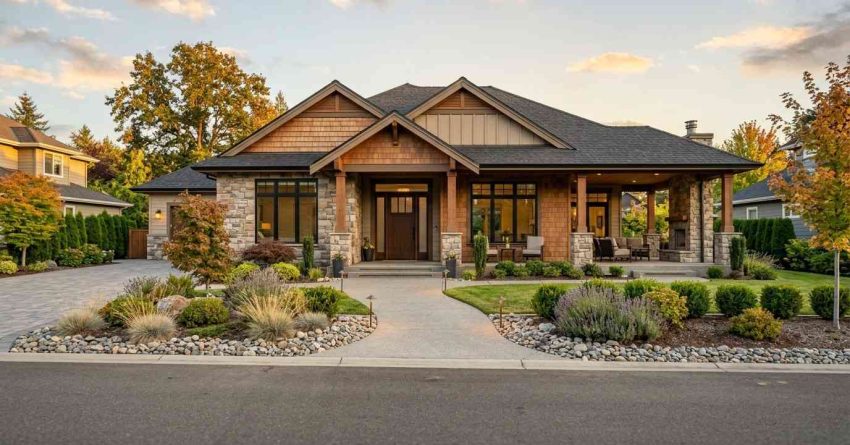
Custom home building for retirees is the process of designing and constructing a new home specifically around the needs, preferences, and lifestyle of people in or approaching retirement. Unlike buying an existing home or choosing a standard builder floor plan, a custom build gives you full control over layout, materials, accessibility features, and long-term livability.
For retirees, this control matters more than it does at any other life stage. You are not building for a growing family or a first career. You are building for decades of comfortable, independent living. That means decisions about doorway widths, floor surfaces, bathroom configurations, and energy systems carry real long-term consequences.
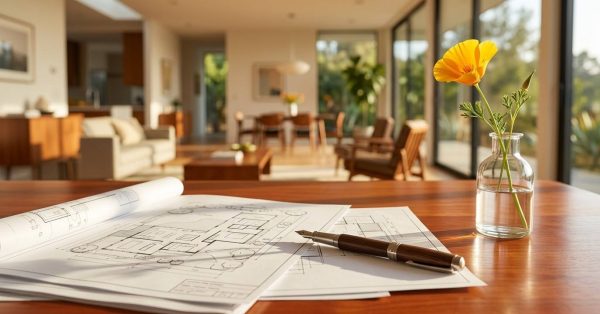
A retirement-focused custom build typically involves working with an architect or design-build firm to create a floor plan from scratch or heavily modify an existing plan, selecting materials and finishes suited to low-maintenance living, and incorporating accessibility and safety features from the foundation up rather than retrofitting them later.
Why Retirees Are Choosing Custom-Built Homes
More retirees are choosing to build rather than buy, and the reasons are practical. Existing homes — even well-maintained ones — rarely meet the specific needs of retirement living without significant renovation. Custom building eliminates that gap entirely.
Freedom From Maintenance Burdens
One of the most consistent priorities retirees express when planning a custom build is reducing ongoing maintenance. New construction means new systems — roof, HVAC, plumbing, electrical — all under warranty and built to current standards. There are no deferred repairs to inherit, no aging infrastructure to manage, and no surprises in the first years of ownership.
Choosing durable, low-maintenance exterior materials, efficient mechanical systems, and simplified landscaping during the design phase means fewer service calls and lower upkeep costs over time.
Right-Sizing for Retirement Life
Most retirees are not looking for more space — they are looking for the right space. A custom build allows you to eliminate rooms you will never use and invest that square footage into areas that genuinely improve daily life: a larger primary suite, a well-designed kitchen, a comfortable outdoor living area, or a dedicated space for hobbies and guests.
Right-sizing also has direct financial benefits. A smaller, well-designed home costs less to heat, cool, clean, and maintain than a larger home that only partially fits your lifestyle.
Understanding why retirees pursue custom builds starts with knowing the full scope of what modern home building services cover — our complete guide to home building services walks through every phase, from site selection to final inspection, so you can plan with confidence.
Key Features to Plan for in a Retirement Custom Home
The features that matter most in a retirement custom home are not luxury upgrades — they are practical decisions that affect daily comfort, safety, and long-term independence. Planning them into the original design is far less expensive than adding them later.
Single-Level Floor Plans and Accessibility
A single-level floor plan is the most impactful structural decision a retiree can make during the design phase. Eliminating stairs removes one of the most common sources of fall-related injury in the home and ensures that every room remains fully accessible regardless of how mobility changes over time.
If a single-level design is not possible on your chosen site, planning for a primary suite, laundry, and main living areas on the ground floor achieves most of the same benefit. Wide hallways (at least 36 inches), zero-threshold entries, and doorways wide enough to accommodate a wheelchair or walker should be standard specifications, not optional upgrades.
Safety and Mobility Upgrades Built In
Many of the most important retirement-ready features — grab bars, wider doorways, non-slip flooring, and stair lifts — fall under the category of safety and mobility services, which our team installs and maintains to keep your home accessible as your needs change over time.
Building these features into the original construction is significantly less expensive than retrofitting them. Blocking in bathroom walls for future grab bar installation, roughing in for a future elevator shaft, and specifying lever-style door hardware instead of round knobs are low-cost decisions at the build stage that carry high value over the life of the home.
Energy Efficiency and Long-Term Cost Control
Energy costs are a fixed expense in retirement, and a custom build gives you the opportunity to minimize them permanently. High-performance insulation, energy-efficient windows, a well-sized HVAC system, and smart home controls for lighting and temperature all reduce monthly operating costs and improve year-round comfort.
Solar readiness — meaning the roof is oriented and structurally prepared for future panel installation even if panels are not installed at the time of construction — is a low-cost addition during the build phase that can significantly reduce energy costs later.
Choosing the right surfaces throughout your home is one of the most consequential decisions retirees make during the build process — our guide to retirement-safe flooring covers which materials reduce fall risk, hold up under daily use, and require the least long-term maintenance.
Choosing the Right Location for Your Retirement Build
Location decisions for a retirement custom build involve different priorities than earlier life stages. Proximity to family, access to quality healthcare, climate, and community amenities all carry more weight than school districts or commute times.
Key location factors for retirees include:
- Healthcare access. Proximity to hospitals, specialists, and urgent care facilities becomes increasingly important over time. Building in an area with strong healthcare infrastructure is a long-term quality-of-life decision.
- Climate and terrain. Mild climates reduce heating and cooling costs and make outdoor living more practical year-round. Flat terrain simplifies landscaping and reduces fall risk on the property.
- Community and services. Access to grocery stores, pharmacies, restaurants, and social activities within a reasonable distance supports independence and reduces reliance on driving.
- HOA and zoning considerations. Some communities have restrictions on home design, exterior materials, or accessory dwelling units. Review these carefully before purchasing land.
If you are considering a smaller footprint in a walkable community, it is worth exploring whether a tiny home for retirees might meet your needs — a dedicated resource covering compact retirement living options, costs, and design considerations can help you compare approaches before committing to a site.
The Custom Home Building Process for Retirees
The custom home building process follows a predictable sequence, but the timeline and complexity vary significantly based on location, builder, and design scope. Understanding the major phases helps retirees set realistic expectations and avoid common delays.
The core phases are: land acquisition, design and permitting, site preparation, foundation and framing, mechanical rough-in (HVAC, plumbing, electrical), insulation and drywall, finishes and fixtures, and final inspection and move-in.
From design start to move-in, most custom builds take 12 to 24 months. Permitting timelines vary widely by municipality and can add several months to the schedule in some markets.
Working With a Builder Who Understands Retirement Needs
Not all custom home builders have experience designing for retirement-specific needs. When evaluating builders, ask directly about their experience with aging-in-place design, universal design principles, and accessibility features. Request references from clients who built retirement-focused homes and ask to visit completed projects.
A builder who understands retirement needs will raise accessibility and safety considerations proactively during the design phase rather than treating them as afterthoughts. They will also be familiar with local permitting requirements for features like ramps, lifts, and wider doorways.
If you are considering how a custom build compares to a major renovation of an existing home, our overview of home remodeling options explains how targeted renovations can adapt any space to changing mobility, lifestyle, or family requirements without requiring a full rebuild.
Budgeting and Timeline Expectations
Custom home building costs vary significantly by region, materials, and design complexity. As a general framework, retirees should budget for land acquisition, design and permitting fees (typically 10–15% of construction costs), construction costs, landscaping, and a contingency reserve of at least 10–15% for unexpected expenses.
Timeline overruns are common in custom construction. Supply chain delays, permitting backlogs, and weather can all extend the schedule. Building a buffer of three to six months into your move-in planning prevents the stress of being caught between a sold home and an unfinished build.
For a detailed breakdown of how to structure a retirement home budget, our guide on how to budget for a custom retirement home covers cost categories, financing options, and how to prioritize features when the budget requires trade-offs.
Common Mistakes Retirees Make When Building Custom Homes
Even well-planned custom builds encounter problems. The most common mistakes retirees make fall into a few predictable categories.
Underestimating accessibility needs. Many retirees design for how they feel today rather than how they may feel in 10 or 20 years. Building in accessibility features from the start — even if they are not immediately needed — is far less expensive than retrofitting them later.
Choosing style over function in key areas. Decorative tile in bathrooms and kitchens can be beautiful but creates slip hazards. Round door hardware is harder to operate with arthritic hands. Glass shower enclosures with low thresholds look modern but create entry challenges. Every finish decision should be evaluated for both aesthetics and practical usability.
Skipping the contingency budget. Custom builds almost always encounter unexpected costs. Retirees on fixed incomes are particularly vulnerable to budget overruns that force compromises on important features late in the build.
Neglecting post-build service planning. A new home still requires maintenance. HVAC systems need annual service, plumbing should be inspected periodically, and small repairs accumulate over time. Many post-build issues that retirees encounter — loose fixtures, minor leaks, door alignment problems — are resolved quickly and affordably through handyman repair services, which our team provides across a wide range of small-scale maintenance and repair needs.
How Home Services Support Your Custom-Built Retirement Home
A custom-built home is a long-term investment, and protecting that investment requires consistent, professional maintenance across multiple systems. For retirees, having reliable service providers in place from move-in day simplifies ownership and prevents small issues from becoming expensive problems.
Keeping a retirement home comfortable year-round depends on a reliable heating and cooling system — our HVAC maintenance plans explains what routine service includes, how often it should be scheduled, and how proactive upkeep prevents costly breakdowns.
Water systems in a newly built home still require regular attention, and our plumbing inspection services outlines what a professional inspection covers, when it should be scheduled, and how it protects your home’s long-term structural integrity.
Retirement homes benefit from periodic electrical safety checks to ensure all systems meet current code standards — our electrical safety checks details what a full inspection includes and how it protects both the home and its occupants.
Mr. Local Services connects retirees with skilled professionals across all of these service categories, providing a single point of contact for the full range of maintenance, repair, and improvement needs that come with homeownership.
Conclusion
Custom home building for retirees is one of the most effective ways to create a living environment that supports long-term independence, comfort, and safety. The decisions made during the design phase — floor plan, accessibility features, materials, and systems — shape the quality of daily life for decades.
Planning ahead for both the build and the ongoing maintenance of your retirement home reduces stress, controls costs, and protects the value of your investment over time.
Mr. Local Services is here to support every stage of that journey — from the first service call after move-in to the ongoing maintenance that keeps your custom retirement home performing exactly as it was designed to.
Frequently Asked Questions
What makes a custom home different from a standard new construction home for retirees?
A custom home is designed specifically around your needs and preferences, while standard new construction follows a builder’s predetermined floor plans. For retirees, this means you can incorporate accessibility features, right-size the layout, and choose materials suited to low-maintenance living from the start rather than compromising on an existing design.
How much does it cost to build a custom retirement home in the USA?
Costs vary significantly by region, size, and design complexity. Most custom builds range from $200 to $500 or more per square foot for construction alone, not including land, permitting, or landscaping. Retirees should budget a contingency reserve of at least 10–15% above the base construction estimate to cover unexpected expenses.
How long does it take to build a custom retirement home?
Most custom home builds take 12 to 24 months from design start to move-in, depending on permitting timelines, builder availability, and design complexity. Retirees should plan for potential delays and avoid committing to a firm move-in date until the build is in its final stages.
What accessibility features should retirees prioritize in a custom home build?
The highest-priority features are single-level floor plans, zero-threshold entries, wide doorways (at least 36 inches), grab bar blocking in bathrooms, lever-style door hardware, and non-slip flooring throughout. These features are significantly less expensive to build in from the start than to retrofit after construction is complete.
Is it better to build a custom retirement home or renovate an existing one?
Building custom gives you full control over layout, systems, and accessibility from the ground up, while renovation adapts an existing structure that may have limitations. Custom building is generally the better choice when the existing home has significant structural or layout constraints. Renovation is often more practical when the existing home’s bones are sound and the needed changes are targeted.
What should retirees look for when choosing a custom home builder?
Look for builders with documented experience in aging-in-place or universal design, references from retirement-focused projects, and a proactive approach to accessibility planning during the design phase. Ask to visit completed retirement homes and verify that the builder is familiar with local permitting requirements for accessibility features.
How do home services fit into retirement home ownership after the build is complete?
New construction still requires ongoing maintenance across HVAC, plumbing, electrical, and general repair categories. Establishing relationships with reliable service providers at move-in — rather than searching for help when something breaks — simplifies ownership and ensures that small issues are addressed before they become costly repairs.