Choosing between a custom home and a tract home is one of the most significant decisions a buyer makes — and the differences go far beyond price. Custom builds offer complete design control, while tract homes deliver speed and predictability. Understanding what each path actually involves helps you match your budget, timeline, and long-term property goals to the right choice.
Both options come with real trade-offs that affect not just the purchase but years of ownership and maintenance ahead.
This guide breaks down how each home type is built, where the costs and timelines differ, and what to expect once you move in.
What Is a Custom Home?
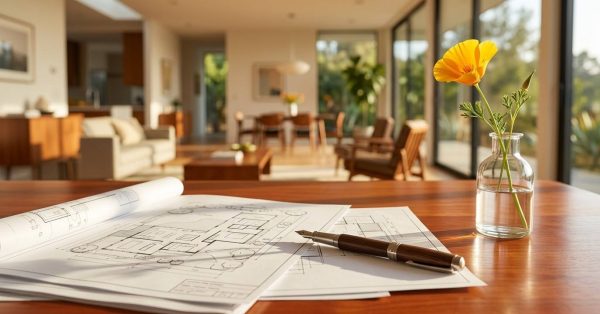
A custom home is a one-of-a-kind residence designed and built specifically for a single buyer on a lot they own or purchase separately. Every element — from the floor plan and room dimensions to the materials, finishes, and mechanical systems — is chosen by the homeowner in collaboration with an architect and general contractor.
Custom builds typically involve hiring an architect to create original blueprints, selecting a general contractor to manage the build, and making hundreds of individual decisions throughout the construction process. The result is a home that reflects the owner’s exact preferences, lifestyle, and functional needs.
Because custom homes are built entirely to the owner’s specifications, remodeling decisions start at the design phase — our home remodeling services explains how professional remodelers help homeowners plan, budget, and execute structural and aesthetic changes from the ground up.
Key Features That Define Custom Builds
Custom homes are built on individually owned lots, which means location is entirely the buyer’s choice. Structural layouts are not limited to pre-approved floor plans. Material quality is selected by the owner rather than determined by a builder’s cost model. Custom builds also allow for specialized features — accessibility accommodations, energy systems, or architectural styles — that standard developments do not offer.
What Is a Tract Home?
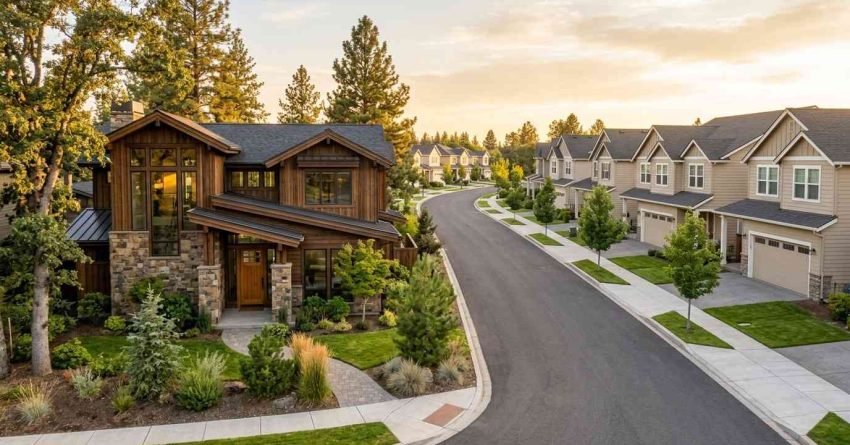
A tract home is a production-built residence constructed by a developer on a large parcel of land subdivided into individual lots. Developers build multiple homes simultaneously using a limited set of pre-designed floor plans, standardized materials, and repeatable construction processes.
Buyers typically choose from a catalog of available floor plans and a set of builder-approved finish options. The land, design, and construction are all managed by the same development company, which keeps costs lower and timelines shorter than custom construction.
How Tract Developments Are Built and Sold
Tract developers purchase large land parcels, divide them into lots, and build homes in phases. Buyers often purchase before or during construction, selecting from available plans and upgrade packages. Because the same floor plans are repeated across dozens or hundreds of units, builders achieve economies of scale that reduce per-unit costs. Move-in timelines are generally predictable, and buyers benefit from established neighborhood infrastructure — roads, utilities, and community amenities — already in place.

Custom Home vs Tract Home — Core Differences
The gap between these two home types shows up most clearly in three areas: cost, design control, and how long it takes to move in. Each factor carries different weight depending on what matters most to the buyer.
Cost and Budget Considerations
Custom homes cost more — consistently and significantly. According to the U.S. Census Bureau, the average sales price of a new single-family home in the United States was $511,100 in 2024, but custom builds routinely exceed this figure depending on lot costs, architectural complexity, and material selections. Land must be purchased separately, architect and design fees add to the total, and construction cost overruns are common when specifications change mid-build.
Tract homes offer a more predictable cost structure. The land, design, and construction are bundled into a single purchase price. Upgrade packages are available but capped, which limits both personalization and unexpected cost escalation. For buyers working within a defined budget, tract homes provide clearer financial boundaries.
Design Flexibility and Personalization
Custom homes offer unlimited design flexibility. Buyers control room count, ceiling heights, window placement, structural materials, mechanical systems, and every finish surface. This level of control is the primary reason buyers choose custom construction despite the higher cost and longer timeline.
Tract homes offer limited personalization within builder-defined parameters. Buyers may choose countertop materials, cabinet finishes, flooring upgrades, and exterior color packages — but the structural layout, room dimensions, and overall footprint are fixed. Post-purchase renovations are the primary path to further personalization, which adds cost after closing.
Build Timeline and Move-In Readiness
Custom home construction typically takes 12 to 24 months from design completion to move-in, depending on project complexity, permitting timelines, and contractor availability. Design and permitting alone can add three to six months before a single foundation is poured.
Tract homes are significantly faster. Buyers purchasing a completed or near-complete unit can move in within 30 to 90 days. Even buyers who purchase early in a development phase typically move in within six to twelve months. For buyers with firm relocation timelines or lease expirations, this speed advantage is often decisive.
Maintenance Needs After You Move In
Home type has a direct and lasting effect on maintenance requirements, costs, and frequency. Understanding this before purchase helps owners plan budgets and avoid surprises.
Custom homes built with premium materials and owner-specified systems often require less reactive maintenance in the early years. Higher-grade roofing, windows, insulation, and mechanical systems are more durable and more efficient. However, custom components — specialty fixtures, non-standard dimensions, or unique architectural features — can be more expensive to repair or replace because they require specialized labor or custom-ordered parts.
Tract homes are built to builder cost models, which means materials and systems are often selected for price efficiency rather than longevity. Builder-grade finishes, standard HVAC systems, and production-quality windows perform adequately but may require attention sooner than premium alternatives. Whether you own a custom build or a tract home, routine maintenance tasks add up quickly — our handyman services covers the full range of repairs and upkeep tasks that keep any home safe, functional, and well-maintained year-round.

How Home Type Affects Long-Term Upkeep
Tract homes in particular are known for builder-grade finishes that may need attention within the first few years, and our drywall and ceiling repairs outlines what homeowners can expect when addressing cracks, settling damage, and surface wear that commonly appear as new construction settles.
Custom homes may carry longer builder warranties on structural components, but buyers should verify warranty terms carefully before closing. Both home types benefit from a scheduled maintenance plan that addresses roofing, HVAC, plumbing, and exterior systems on a regular cycle rather than waiting for failures.
Which Option Is Right for You?
The right choice depends on three factors: budget flexibility, timeline constraints, and how much design control matters to you.
Custom homes are the right fit for buyers who own or can acquire a suitable lot, have a flexible timeline of 18 months or more, and place high value on a home that matches their exact specifications. They are also the better choice for buyers with specialized needs — accessibility requirements, specific energy goals, or architectural preferences that production builders do not accommodate.
Tract homes are the right fit for buyers who need to move within a defined timeframe, prefer a predictable purchase price, and are comfortable personalizing a standard floor plan through post-purchase upgrades. One of the most practical ways to personalize a tract home after purchase is through finish upgrades — our custom carpentry work details how skilled carpenters can add built-ins, trim, and architectural detail that make a standard floor plan feel uniquely yours.
Upgrading flooring is one of the highest-impact improvements available to tract home buyers who want to move away from builder-standard materials — our flooring installation options covers material choices, timelines, and what to expect from a professional installation.
Neither option is universally superior. The best home is the one that fits your financial position, your timeline, and your long-term property goals.
Conclusion
Custom homes and tract homes represent two fundamentally different paths to homeownership, each with distinct trade-offs in cost, design control, timeline, and long-term maintenance. The decision comes down to how much flexibility you have in budget and time, and how much the final result needs to reflect your specific vision.
Both home types require ongoing maintenance and, eventually, upgrades that protect property value and improve livability over time.
At Mr. Local Services, we help homeowners maintain, repair, and improve their properties — whether you moved into a custom build or a production home, our team is ready to keep it in top condition.
Frequently Asked Questions
Is a custom home always more expensive than a tract home?
Yes, in most cases. Custom homes require separate land purchase, architectural design fees, and individualized construction — all of which add cost. Tract homes bundle land, design, and construction into a single price, which is typically lower.
How long does it take to build a custom home compared to a tract home?
Custom home construction typically takes 12 to 24 months from design to move-in. Tract homes are significantly faster, with move-in timelines ranging from 30 days for completed units to 12 months for early-phase purchases.
Can I customize a tract home after I buy it?
Yes. Post-purchase upgrades — including flooring, carpentry, paint, and fixture replacements — are the most common way tract home buyers personalize their space. Structural changes are more complex and may require permits.
Do custom homes hold their value better than tract homes?
Not necessarily. Resale value depends more on location, market conditions, and maintenance quality than on home type. Highly personalized custom features can sometimes limit buyer appeal in the resale market.
What are the biggest maintenance differences between custom and tract homes?
Tract homes often use builder-grade materials that require earlier replacement. Custom homes may use higher-quality components but can be more expensive to repair due to specialty parts. Both benefit from a consistent, scheduled maintenance plan.
Are tract homes a good investment?
Tract homes can be strong investments in growing communities where land values are rising. Their predictable cost structure and faster move-in timeline make them accessible to a wider range of buyers, which supports resale demand.
What should I inspect before buying a new tract home?
Even new construction requires a professional inspection. Key areas include foundation settling, HVAC installation quality, roof flashing, window sealing, and the condition of all builder-grade finishes before the warranty period begins.