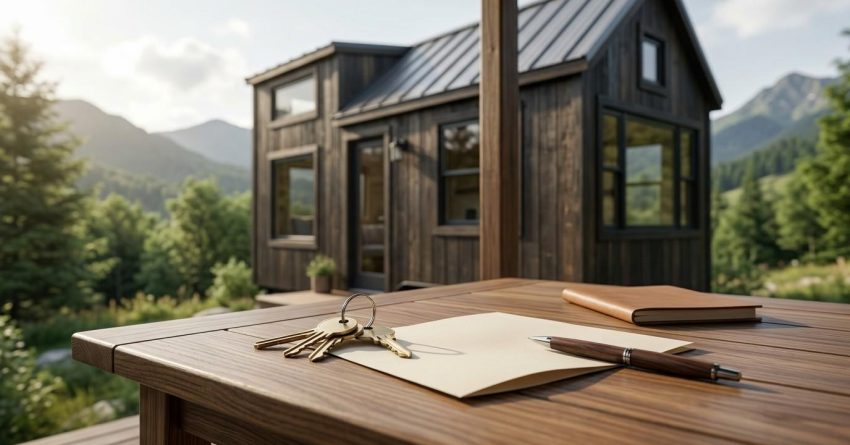
To insure a tiny house in the USA, you need a policy that matches its build type: a mobile tiny house on wheels typically requires RV or park model insurance, while a foundation-based tiny home usually qualifies for a modified homeowners policy. The right coverage depends on certification, mobility, square footage, and primary use. Choosing correctly protects your investment from fire, theft, weather damage, and liability claims.
What Insurance Options Exist for a Tiny House?
Tiny house insurance falls into three main categories: RV insurance for certified tiny houses on wheels, park model insurance for stationary trailers in tiny home communities, and homeowners insurance for tiny houses built on permanent foundations. Your build type, certification, and location determine which policy applies. Standard homeowners policies rarely cover non-traditional structures without specific endorsements.
Mobile Tiny Houses on Wheels (THOWs)
A tiny house on wheels must usually be certified by the Recreational Vehicle Industry Association (RVIA) to qualify for standard RV insurance. Without certification, most carriers will deny coverage or require a custom-built policy. RV insurance covers collision during transport, comprehensive damage, personal property inside, and liability while parked. Full-time residency riders are essential if the tiny house serves as your primary dwelling rather than recreational use.
Foundation-Based Tiny Houses
A tiny home anchored to a permanent foundation and zoned as a legal dwelling can often qualify for a modified homeowners policy. The structure must meet local building codes, pass inspection, and have a permanent address. Coverage protects the dwelling, personal property, liability, and additional living expenses. Some insurers classify these as accessory dwelling units (ADUs) when placed on existing residential property.
Understanding your insurance category is the foundation. Keeping a tiny home well-maintained directly affects premiums, renewal eligibility, and claim outcomes over time.
What Does Tiny House Insurance Actually Cover?
Standard tiny house insurance includes dwelling coverage for the structure itself, personal property coverage for belongings inside, liability protection for injuries on the premises, and loss of use coverage if your tiny home becomes uninhabitable. Policies modeled after RV-style insurance policies often add coverage during transit, while foundation-based policies extend to detached structures and landscaping.
Common Add-Ons and Endorsements
Most tiny house owners need additional endorsements to close common coverage gaps. Full-time occupancy riders are critical when the tiny home is your primary residence. Flood and earthquake coverage typically require separate policies. Replacement cost coverage protects against rising material prices, while builder’s risk insurance applies during construction. Off-grid systems like solar panels, composting toilets, and rainwater catchment often require itemized coverage to receive full claim value.
How Much Does It Cost to Insure a Tiny House?
Tiny house insurance in the USA typically costs between $500 and $1,500 per year, depending on construction type, location, value, and use. Foundation-based tiny homes generally cost less to insure than mobile units due to lower transit risk. Custom-built, non-certified tiny houses face the highest premiums because fewer carriers underwrite them. Factors like deductible size, claims history, security features, and bundling with auto or property insurance can lower annual costs significantly.
Conclusion
Insuring a tiny house comes down to matching coverage to build type: RV, park model, or modified homeowners. The right policy protects your dwelling, belongings, and liability while accommodating mobility or permanence.
As tiny living grows across the USA, insurance carriers continue expanding tailored products. Homeowners, landlords, and property managers benefit from reviewing policy options annually to stay properly covered.
We help property owners navigate every step of tiny home protection. Contact Mr. Local Services today to connect with trusted professionals who keep your tiny house safe, insured, and ready for years ahead.
Frequently Asked Questions
Can I insure a tiny house with regular homeowners insurance?
Only if it sits on a permanent foundation, meets local building codes, and is zoned as a legal dwelling. Mobile tiny houses require RV or park model policies.
Do I need insurance for a DIY tiny house?
Yes. DIY tiny homes need specialty builder’s risk coverage during construction and custom policies afterward. Most carriers require third-party inspection before underwriting non-certified builds.
Is RVIA certification required for tiny house insurance?
RVIA certification is not always required, but it dramatically expands carrier options. Without it, you typically need a specialty insurer that underwrites custom-built mobile dwellings.
Does tiny house insurance cover full-time living?
Standard RV policies exclude full-time residency. You must add a full-time occupancy rider or choose a carrier offering primary-dwelling tiny home coverage to stay protected.
What is the cheapest way to insure a tiny house?
Bundling tiny house coverage with auto or property insurance, raising deductibles, securing certifications, and installing safety features like smoke detectors typically deliver the lowest annual premiums.