Heating a tiny home in winter requires a compact, efficient system matched to the home’s size, insulation level, and power source. The most effective options include mini-split heat pumps, propane heaters, wood stoves, and electric radiant heating. Combined with proper insulation, sealing, and ventilation, these solutions keep small spaces warm, energy-efficient, and safe through the coldest months across most regions of the USA.
Best Ways to Heat a Tiny Home in Winter
The best ways to heat a tiny home in winter are mini-split heat pumps, propane heaters, wood stoves, and electric or radiant systems. Each method offers a balance of warmth, energy efficiency, and space savings, allowing homeowners to maintain comfortable indoor temperatures without overloading the home’s limited square footage or power capacity.
Mini-Split Heat Pumps
Mini-split heat pumps are among the most efficient choices for tiny homes. They deliver both heating and cooling through a small wall-mounted unit, drawing minimal electricity. Their ductless design saves space, while inverter technology maintains steady temperatures. For tiny homes in moderate to cold climates, mini-splits offer year-round comfort with low operating costs and quiet performance.
Propane and Wood Stoves
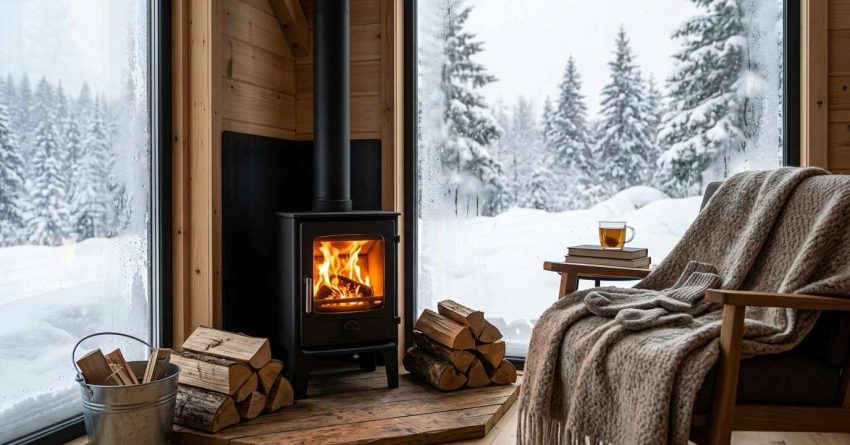
Propane heaters and small wood stoves provide reliable warmth, especially in off-grid tiny homes. Propane units heat quickly and run without electricity, making them ideal for remote setups. Wood stoves create steady radiant heat and a comfortable atmosphere. Both require proper ventilation, carbon monoxide detectors, and safe clearance from walls and furniture for safe winter use.
Electric Heaters and Radiant Floor Heating
Electric space heaters and radiant floor systems work well for tiny homes connected to a stable power source. Radiant floors deliver even, gentle heat from below, eliminating cold spots. Portable electric heaters offer flexibility but should be used cautiously. Pairing electric heating with good insulation prevents energy waste and keeps monthly utility costs manageable.
Choosing the right heating method is one step. Installing it correctly is another, and professional HVAC installation for small spaces ensures the system performs safely and efficiently throughout winter.
How to Prepare a Tiny Home for Winter Heating Efficiency
Even the best heater struggles in a poorly prepared tiny home. Sealing air leaks, upgrading insulation, and protecting plumbing are essential steps before temperatures drop. These improvements reduce heat loss, lower energy bills, and protect the structure from moisture and freeze damage. A well-prepared tiny home retains warmth longer, allowing smaller heating systems to perform at full capacity.
Insulation, Sealing, and Ventilation Basics
Tiny homes lose heat fast because of their high surface-to-volume ratio. Spray foam, rigid foam panels, and reflective barriers improve thermal resistance. Sealing gaps around windows, doors, and vents stops drafts. Controlled ventilation prevents condensation and mold while preserving air quality. With proper insulation and weatherproofing, heating efficiency improves significantly across every winter month.
Choosing the Right Heating System for Your Tiny Home
Selecting the right system depends on climate, energy source, home size, and lifestyle. Off-grid owners often prefer propane or wood. Grid-connected homes benefit from mini-splits or radiant electric heating. Consider installation costs, fuel availability, and safety requirements before deciding. A licensed technician can evaluate your tiny home’s layout and recommend the most efficient, code-compliant heating setup for long-term winter reliability.
Conclusion
Heating a tiny home in winter comes down to choosing the right system, sealing the structure, and maintaining safe ventilation for consistent indoor comfort.
With proper planning and seasonal upkeep from trusted tiny home maintenance specialists, homeowners can enjoy efficient, worry-free warmth throughout the coldest months.
We at Mr. Local Services connect you with skilled professionals ready to install, inspect, and maintain your tiny home heating system. Contact us today.
Frequently Asked Questions
What is the most efficient way to heat a tiny home in winter?
Mini-split heat pumps are the most efficient option, offering low energy use, quiet operation, and consistent heating performance for small, well-insulated tiny homes.
Can you use a regular space heater in a tiny home?
Yes, but only with caution. Choose a small electric heater with safety features like tip-over protection and use it alongside proper insulation to prevent overheating.
Do tiny homes need special insulation for winter?
Yes. Tiny homes need high-R-value insulation, sealed gaps, and moisture barriers to retain heat efficiently and prevent cold drafts during harsh winter conditions.
Is propane heating safe inside a tiny home?
Propane heating is safe when installed correctly with proper ventilation, carbon monoxide detectors, and routine inspections by a licensed heating professional.
How much does it cost to heat a tiny home in winter?
Monthly heating costs typically range from $30 to $100, depending on climate, fuel type, insulation quality, and the size of the tiny home.